

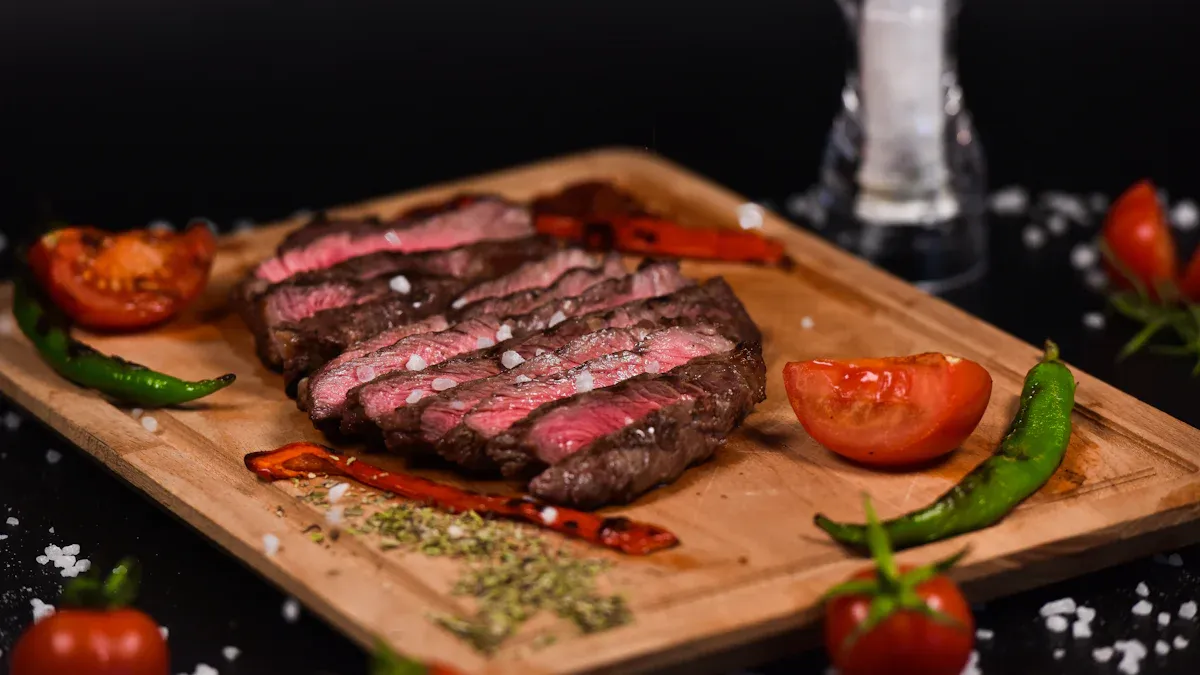
You know flank steak as a lean, flat cut of beef, sourced from the cow’s abdominal muscles. This cut has a reputation for being both lean and flavorful. Many health-conscious individuals and home cooks now choose this versatile option. What makes flank steak nutrition so powerful, and how can you best use it?
Flank Steak Nutrition Facts
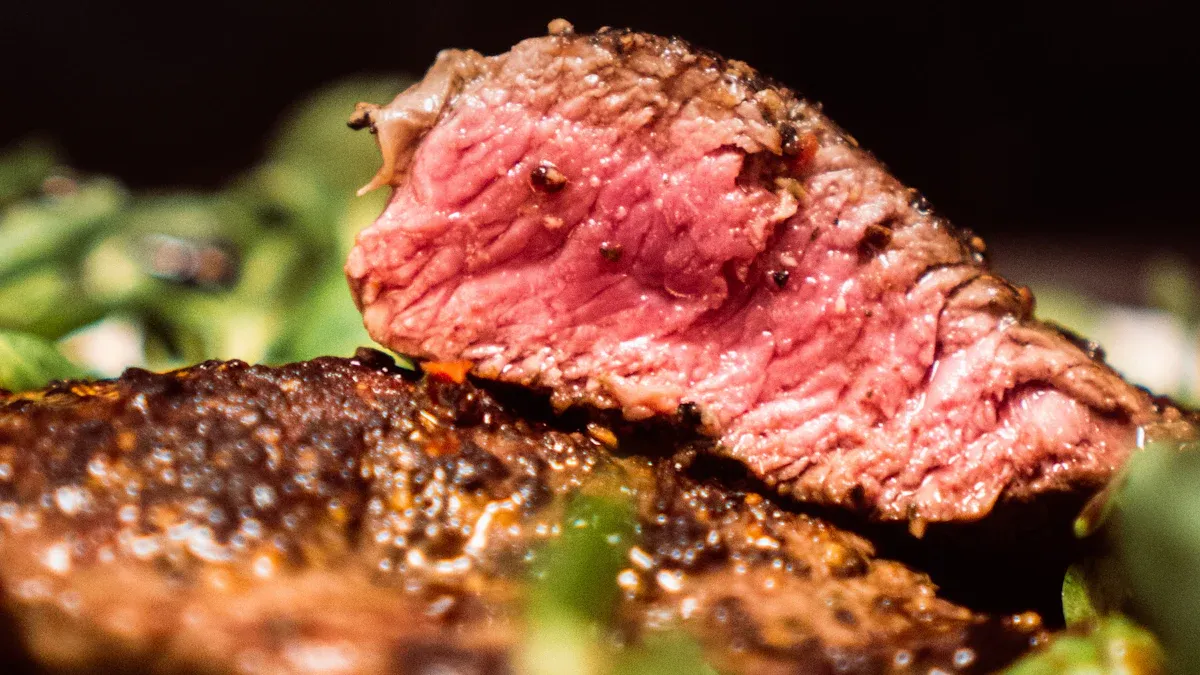
Understanding the flank steak nutrition facts helps you make informed dietary choices. This section breaks down the specific components that make flank steak a standout option for your meals. You will discover its calorie count, macronutrient breakdown, and essential details about its protein and fat content.
Calories and Macronutrients
Flank steak offers an impressive nutritional profile for a beef cut. When you look at the numbers, you see it provides excellent value. A 100-gram serving of flank steak typically contains approximately 194 calories. This makes it a lower calories choice compared to fattier cuts like ribeye or porterhouse. You get a significant amount of nutrients without excessive calories. Flank steak contains virtually no carbohydrates or fiber, making it an ideal protein source for various dietary plans.
High-Quality Protein Content
One of the most compelling nutritional facts of flank steak is its exceptional high protein content. This cut is truly packed with protein. A 100-gram serving of flank steak provides 22 grams of protein. This is a substantial amount of protein that supports many bodily functions. The protein in flank steak is also high-quality. It contains all the essential amino acids your body needs for muscle growth, repair, and overall health. Choosing flank steak means you are selecting a high protein source that fuels your body effectively.
Fat Profile and Saturated Fat
While flank steak is known as a healthy cut, it does contain fat. Understanding its fat profile is important for your diet. Here is a breakdown of the fat content for a larger serving:
Nutrient | Amount per 202g serving |
|---|---|
Total Fat | 17g |
Saturated Fat | 7g |
You can see that even with a larger serving, the fat content is manageable. Flank steak is leaner than many other beef cuts. It contains some saturated fat, but its overall flank steak nutrition still positions it as a beneficial part of a balanced diet. You should always consider portion control to manage your fat intake effectively.
Key Vitamins and Minerals
Flank steak offers more than just protein and healthy fats. It also provides essential vitamins and minerals. These micronutrients play vital roles in your body’s daily functions. You get a range of benefits from these important components.
Iron for Energy
You need iron for many body functions. Iron helps your body make red blood cells. These cells carry oxygen from your lungs to all parts of your body. This process is vital for energy production. Flank steak provides a high iron content. For example, a 100-gram serving of flank steak gives you about 1.4 mg of iron. This iron is also in a highly bioavailable form. This means your body can easily absorb and use it. Including flank steak in your diet helps prevent iron deficiency. It supports your energy levels throughout the day.
Zinc and Immunity
Zinc is another crucial mineral you find in flank steak. You need zinc for a strong immune system. It helps your body fight off infections and heal wounds. Zinc also plays a role in cell growth and division. Flank steak offers exceptional zinc content. This makes it a great food choice for supporting your body’s natural defenses. It helps keep you healthy and resilient.
B Vitamins for Metabolism
Flank steak is rich in various B vitamins. These vitamins are essential for your metabolism. They help convert the food you eat into usable energy. You will find impressive amounts of niacin (Vitamin B3) in flank steak. Niacin supports healthy digestion and nerve function. It also provides respectable amounts of Vitamin B6 and Vitamin B12. For instance, a 3-ounce cooked serving gives you about 0.6 mg of Vitamin B6. This vitamin helps with brain development and function. The same serving offers about 1.5 mcg of Vitamin B12. Vitamin B12 is vital for nerve function and red blood cell formation. Even raw, 100g of flank steak contains about 0.3 mcg of Vitamin B12 and 0.2 mg of Pantothenic Acid. Pantothenic Acid (Vitamin B5) helps produce energy and hormones. Riboflavin (Vitamin B2) is also present. This rich array of B vitamins significantly enhances the nutritional profile of flank steak. It makes it a source of abundant nutrients for your daily energy and overall well-being.
Health Benefits of Flank Steak
Flank steak offers significant benefits for your overall health. You gain more than just a delicious meal. You provide your body with essential nutrients that support vital functions.
Muscle Growth and Repair
You can build and repair muscles effectively with flank steak. Its high-quality protein content makes it ideal for this. A scientific review by Barr B. (2025) in Nutrients highlights that branched-chain amino acids in red meat are crucial for protein synthesis. This process is essential for muscle repair. Amino acid derivatives like creatine and carnosine, also present in red meat, support muscle energy metabolism. They provide antioxidant defense. This makes red meat beneficial for athletes. This review underscores the importance of red meat amino acids in muscle growth, recovery, and maintenance. Flank steak is a lean beef source. It aids in muscle building and recovery. It provides essential nutrients like iron and zinc. These support post-workout recovery. As a lean protein, flank steak is vital for muscle development. It is a beneficial choice for individuals seeking to maintain a lower calorie intake while supporting physical fitness. This makes flank steak a true protein powerhouse.
Weight Management Support
Flank steak also supports your weight loss goals. Its high protein content helps you feel full longer. Flank steak contains 21-26 grams of protein per 4-ounce serving. Steak’s high protein content contributes to increased satiety for some individuals. You incorporate it into a balanced eating plan. Higher-protein diets improve appetite control. They aid in preserving muscle mass during weight management efforts. A 2015 meta-analysis supports that protein intakes between 1.2-1.6 g/kg body weight per day lead to improvements in appetite, body weight management, and cardiometabolic risk factors. Studies indicate that combining resistance training with adequate protein intake, such as from steak, helps maintain muscle mass during weight loss. This is crucial for supporting metabolism and overall metabolic health. You can manage your appetite better. You also preserve lean muscle mass.
Sustained Energy Levels
You can maintain steady energy throughout your day with flank steak. Meats, including flank steak, have a glycemic index (GI) of 0. They contain no carbohydrates or sugars. This means they do not affect blood sugar levels. This is crucial for maintaining stable energy. It prevents energy crashes. The absence of carbohydrates or simple sugars in meat ensures no spiking of insulin levels upon consumption. Flank steak has a glycemic index of 0. This means it does not raise blood sugar levels. It helps prevent energy crashes. It contains 0g of carbohydrates per 3.5 oz (100g) serving. This ensures no impact on blood sugar or insulin levels. The high protein content (30.5g per 3.5 oz) contributes to satiety. It supports a higher metabolic rate. This further aids sustained energy by avoiding blood sugar fluctuations. You avoid the energy dips often associated with high-carb meals.
Immune System Boost
Flank steak also strengthens your immune system. Flank steak is a top food for immune health. A 4-ounce serving supplies more than half of the RDA for zinc, selenium, and vitamin B6. Insufficient intake of these nutrients hinders immune system function. It lowers defense capacity. Flank steak is a source of selenium and zinc. Zinc is specifically noted for its role in fortifying the immune system. A 4-ounce serving of flank steak provides over half of the Recommended Dietary Allowance (RDA) for zinc, selenium, and vitamin B6. Adequate intake of these nutrients is crucial. Deficiencies can impair immune system efficiency. They increase susceptibility to illness. You give your body the tools it needs to fight off illness. This comprehensive flank steak nutrition profile supports your overall health.
Flank Steak: A Lean Protein Choice
You often look for smart choices when selecting your protein. Flank steak stands out as a truly lean protein option. It offers excellent nutritional value without excessive fat.
Comparison to Other Beef Cuts
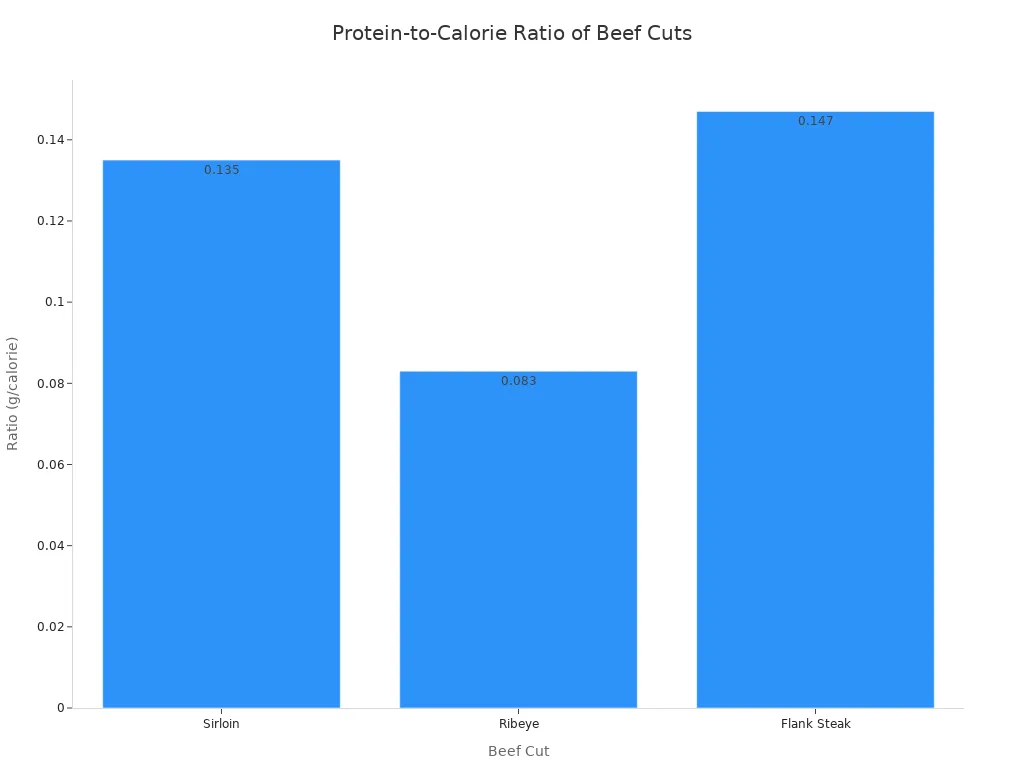
You might wonder how flank steak compares to other popular beef cuts. Flank steak is one of the healthiest beef cuts. It provides fewer calories and more protein per ounce compared to ribeye or porterhouse. You get a very lean cut with flank steak. This makes it a preferred choice for many health-conscious individuals. Look at this comparison:
Cut | Protein (g/100g) | Calories (per 100g) | Protein-to-Calorie Ratio (g/calorie) |
|---|---|---|---|
Sirloin | ~27 | ~200 | ~0.135 |
Ribeye | ~24 | ~290 | ~0.083 |
Flank Steak | ~28 | ~190 | ~0.147 |
You can clearly see flank steak’s advantage.
Protein-to-Calorie Ratio
You want to maximize your protein intake while managing calories. Flank steak excels in its protein-to-calorie ratio. This means you get a lot of muscle-building protein for relatively few calories. For example, a 100-gram serving of flank steak provides about 28 grams of protein and approximately 190 calories. This gives you an excellent protein density. You receive about 6 grams of protein for every 39-44 calories. This makes flank steak a very efficient lean source of protein.
Suitability for Low-Fat Diets
You can easily incorporate lean flank steak into a low-fat diet. Its naturally low-fat content makes it an ideal choice. You get a satisfying meal without consuming excessive saturated fat. This lean source of protein helps you meet your dietary goals. It supports muscle maintenance and satiety. You can enjoy delicious beef while adhering to a healthy eating plan.
Cooking Flank Steak Right
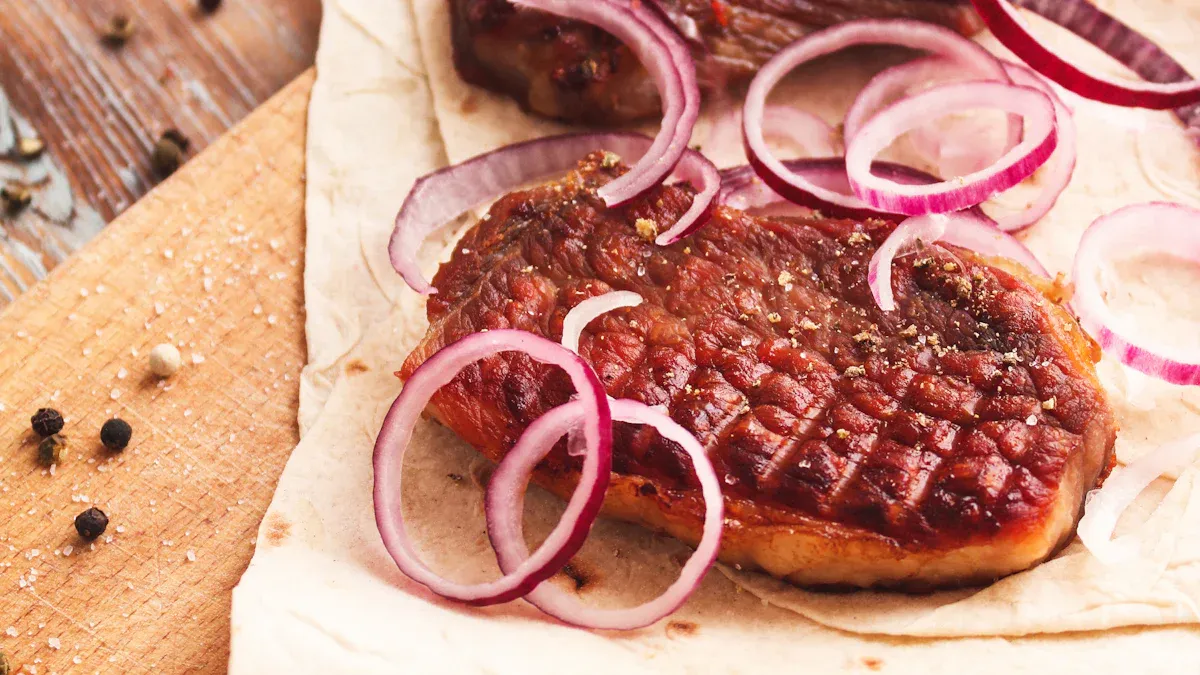
You want to get the most out of your flank steak. Proper cooking techniques make a big difference. You can transform this lean cut into a tender, flavorful meal.
Best Cooking Methods
You can cook flank steak quickly. High heat works best. These methods create a nice crust. They also keep the inside juicy. You can grill it, broil it, or pan-sear it. These cooking styles suit the thin nature of flank steak.
Marinating for Tenderness
Flank steak benefits greatly from marinating. Marinades add flavor. They also help tenderize the meat. You can use acidic ingredients to break down muscle fibers.
Marinade Ingredients: Orange juice, vinegar, lemon/lime juice, soy sauce, olive oil, honey, spicy brown mustard, hot sauce, fresh garlic, cayenne, paprika, red pepper flakes, dried oregano, cumin, salt, pepper, balsamic vinegar, or halal-certified Worcestershire sauce.
Marinating Duration: Marinate for at least 1 hour. For best results, marinate overnight (up to 24 hours). This allows flavors to penetrate deeply. It also makes the meat more tender.
Slicing Against the Grain
Slicing correctly is vital for tender flank steak. Always slice against the grain. The grain refers to the direction of the muscle fibers. Cutting across them shortens the fibers. This makes each bite more tender and easier to chew.
Achieving Perfect Doneness
You want to cook flank steak to the right temperature. This ensures it stays juicy and flavorful. For medium-rare, aim for specific internal temperatures.
Cooking Method | Temperature (°F) |
|---|---|
General Medium-Rare | 129 |
Smoking | 125 |
Grilling (before resting) | 130 |
Grilling (after resting) | 135 |
You can use a meat thermometer to check. | |
Always let the meat rest for a few minutes after cooking. This allows juices to redistribute. |
Flank Steak in Your Diet
You can easily make flank steak a regular part of your meals. Its adaptability and nutritional benefits make it a smart choice. You will find many ways to enjoy this lean cut.
Versatile Recipe Ideas
Flank steak fits into many different dishes. You can use it in classic preparations or explore new flavors. It works well in:
Fajitas: Thinly slice it and serve with peppers and onions.
Stir-Fries: It is perfect for quick, flavorful dishes when you slice it thinly.
Steak Sandwiches: Grill or pan-sear it, then slice it thinly for fantastic sandwiches.
Salads: Add protein and flavor to various salad preparations.
London Broil: This dish often uses marinated and broiled flank steak.
Carne Asada: You can prepare this popular Mexican grilled meat with flank steak.
Stuffed Flank Steak: Stuff it with various fillings, then roll and cook it.
Flank steak also blends well into diverse ethnic cuisines. It maintains its distinctive flavor. You find it in Latin American dishes like fajitas and carne asada. It is also a natural fit for many Asian stir-fries.
Meal Prep Applications
Flank steak is excellent for meal prepping. You can cook a larger portion at once. Then, you divide it for meals throughout the week. Its lean nature means it reheats well. You can add it to salads, wraps, or grain bowls. This saves you time during busy weekdays.
Healthy Food Pairings
You can create balanced and delicious meals with flank steak. Pair it with whole grains like quinoa or brown rice. Include a good amount of fresh fruits. Add plenty of colorful vegetables. These pairings enhance the nutritional profile of your meal. They provide fiber, vitamins, and minerals. This helps you maintain a healthy diet. Consider how to add flank steak to your diet for a boost of lean protein and essential nutrients.
Considerations for Consumption
You want to enjoy flank steak while keeping your diet balanced. Consider a few key points. These help you make the best choices for your health.
Saturated Fat Awareness
You should be mindful of saturated fat intake. The 2020-2025 Dietary Guidelines for Americans recommend limiting saturated fat. You should aim for less than 10% of your daily calories. For a 2,000-calorie diet, this means about 22 grams of saturated fat per day. Red meat can be high in saturated fats. An 8oz New York steak, for example, has 14g of saturated fat. Flank steak is leaner, but still contains some. You can replace red meats with leaner options like skinless chicken or fish a few days a week. Some experts suggest saturated fats have been “unfairly demonized.” The next dietary guidelines might stress the need to eat saturated fats. This discussion continues.
Sodium in Marinades
Marinades add great flavor to flank steak. However, they can also add a lot of sodium. You should check the labels on store-bought marinades. Many contain high levels of salt. If you are watching your sodium intake, make your own marinades. You can control the salt content this way. Use herbs, spices, and acidic ingredients like lemon juice or vinegar for flavor.
Sourcing Quality Flank Steak
You want to choose high-quality flank steak. Look for specific certifications. These labels ensure ethical and sustainable sourcing.
Certified Grassfed by AGW
USDA Organic
American Grassfed Association
Certified Humane
Regenerative Organic Certified Gold
The Certified Angus Beef® brand also indicates high quality. This beef meets strict standards for marbling and uniformity. Only about 3% of beef achieves these standards. Brands like Pre Brands source high-quality, grass-fed beef. They follow strict animal welfare standards. They avoid added hormones, antibiotics, and GMOs.
Importance of Portion Control
You should practice portion control with flank steak. A recommended serving size is 3 ounces (85 grams). This is much less than the large portions often served at restaurants. A 3-ounce serving looks like a deck of cards. For a thinner cut, it looks like a standard checkbook. An 8-ounce serving of flank steak offers 46g of protein. It also provides significant zinc, iron, and B vitamins. It has half the saturated fat of premium marbled cuts. You can enjoy the benefits of flank steak by sticking to recommended serving sizes.
You now understand the excellent flank steak nutrition profile. It stands as a highly nutritious, lean, and versatile protein source. This cut offers superior protein for muscle building, sustained energy, and overall wellness. Its impressive protein-to-calorie ratio makes it a smart choice for your protein intake. You can confidently incorporate this high-quality protein into your healthy eating plans. It is easy to prepare and delicious. The bottom line on flank steak: it is a smart choice for a balanced diet. 💪