
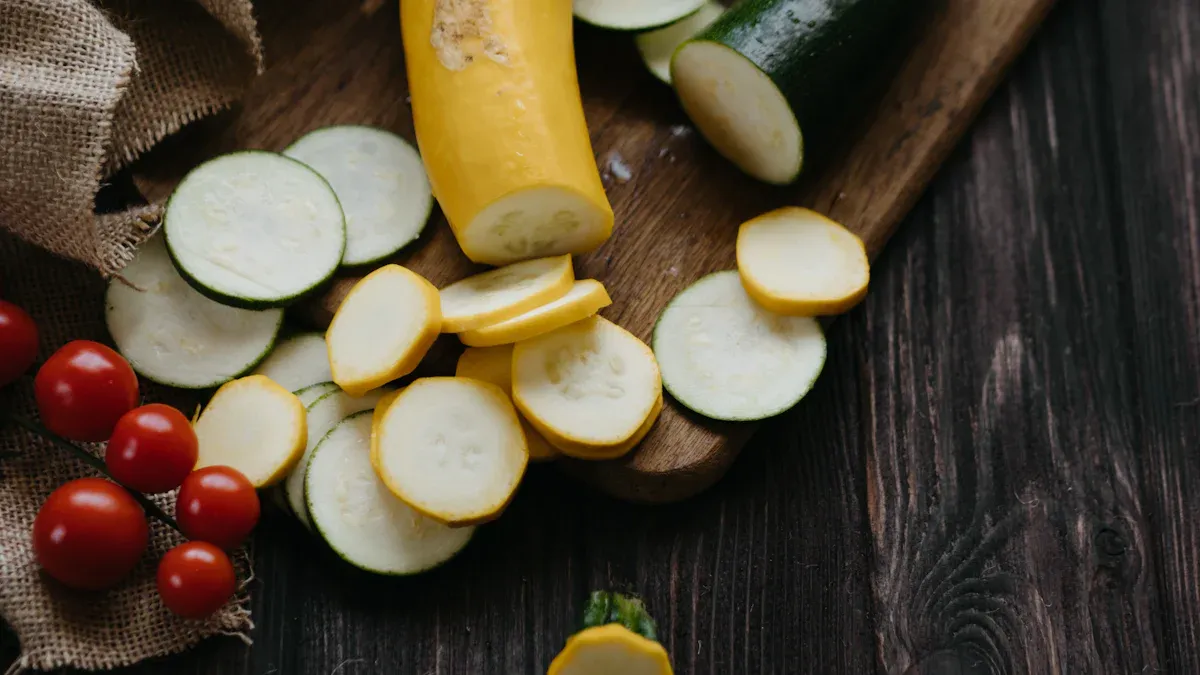
Many people often overlook yellow squash, yet it offers incredible versatility and health benefits. This delicious vegetable provides essential nutrients. Understanding yellow squash nutrition reveals its true value for a healthy diet. It supports overall well-being and adapts easily to countless culinary creations. You can easily incorporate yellow squash into many dishes. Discover the simple ways to enjoy this beneficial vegetable.
Key Yellow Squash Nutrition Facts
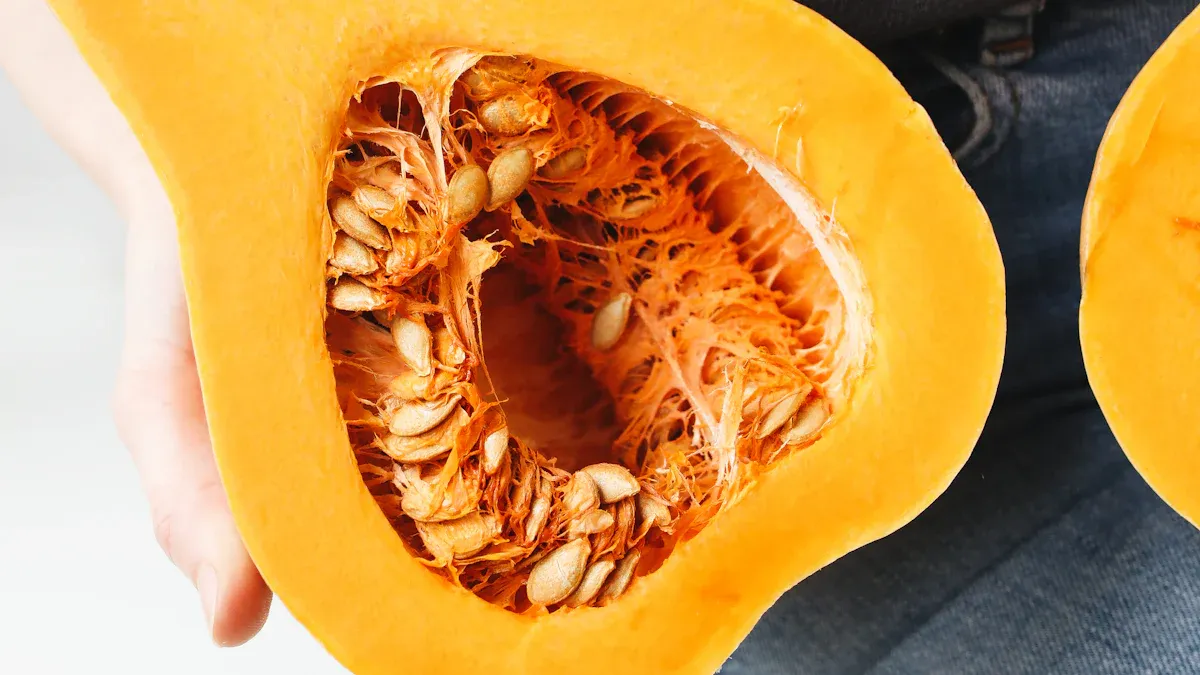
Yellow squash offers a wealth of nutrients. It packs vitamins, fiber, and antioxidants into a low-calorie package. Many of its beneficial compounds reside in its skin. Understanding yellow squash nutrition facts helps people appreciate this vegetable’s health contributions.
Essential Vitamins and Minerals
Yellow squash provides many essential vitamins and minerals. It is a good source of important nutrients like vitamin C and vitamin B6. It also contains vitamin A, folate, riboflavin, magnesium, and manganese. These nutrients play vital roles in body functions. For example, potassium is an important mineral found in yellow squash.
Mineral | Quantity per serving |
|---|---|
Potassium | 162 mg |
Macronutrient Breakdown
Yellow squash is notably low in calories, making it an excellent choice for many diets. One cup of sliced yellow summer squash contains only about 18 calories. A slightly larger serving, one cup (115g), provides approximately 21.9 calories. This low-calorie count allows people to enjoy larger portions without consuming excess energy. Yellow squash is also a good source of fiber. Fiber helps maintain digestive health and promotes feelings of fullness.
Antioxidants and Phytonutrients
Yellow squash nutrition facts highlight its rich antioxidant content. Antioxidants protect the body’s cells from damage. This vegetable contains several powerful antioxidants:
Phenolic compounds
β-carotene
Syringic acid
Protocatechuic acid
Catechin
Kaempferol
Vitamins A and C in yellow squash also act as antioxidants. These compounds help prevent cholesterol oxidation and plaque buildup in arteries. This action reduces the risk of cancer and heart disease. Furthermore, studies identify specific phytonutrients in yellow squash that help prevent prostate gland enlargement. This condition can cause problems with urination and sexual function in men. These yellow squash nutrition facts show its protective qualities.
Amazing Nutritional Benefits of Yellow Squash
Yellow squash offers many amazing nutritional benefits that support overall well-being. Its rich nutrient profile contributes to various bodily functions, from digestion to bone health.
Supports Digestive Health
Yellow squash provides significant support for digestive health. It is a good source of fiber. Adequate dietary fiber intake is crucial for healthy digestion. Fiber helps normalize bowel movements, which aids in detoxification. The anti-inflammatory properties of yellow squash also contribute to a healthy digestive system.
Boosts Immune System
The health benefits of yellow squash extend to boosting the immune system. It contains several compounds that enhance immunity.
Carotenoids: Yellow squash is rich in beta-carotene and lutein. Beta-carotene converts to vitamin A, which protects visual function and scavenges free radicals. Carotenoids are antioxidants that enhance the body’s immunity and reduce the risk of chronic diseases. Studies show that diets rich in carotenoids can improve immune response.
Phenolic compounds: These compounds contribute to immune enhancement through their antioxidant capacity. They can chelate metals to inhibit lipoxygenase activity and scavenge free radicals. Yellow squash also contains vitamin C, magnesium, and other antioxidant compounds. These nutrients are crucial antioxidants. They help neutralize free radicals in the body, thereby supporting immune function. Vitamin C, or ascorbic acid, is vital for plant defense mechanisms. Its accumulation during oxidative stress from viral infections indicates its importance in resistance. Viral infection significantly reduces ascorbic acid content in squash plants. Treatments that alleviate viral infection can enhance ascorbic acid levels. Accumulation of ascorbic acid has been linked to mitigating viral infection symptoms and inhibiting RNA virus replication.
Promotes Eye Health
Yellow squash promotes excellent eye health. It contains beta-carotene, a provitamin A carotenoid. The body converts beta-carotene into vitamin A. This vitamin is essential for eye health. It helps the eyes adapt to dim light conditions.
Vitamin A is crucial for vision because it is a key component of rhodopsin. Rhodopsin is a light-sensitive protein found in the retina. It reacts to light entering the eye. Vitamin A also supports the proper development and function of the conjunctival membranes and cornea. Foods that are orange or yellow, such as yellow squash, are rich in beta-carotene. This conversion is crucial for eye cell growth. Yellow squash also contains other beneficial carotenoids for eyesight, including lutein and zeaxanthin.
Aids Heart Health
Consuming yellow squash aids heart health. Winter squashes, including yellow varieties, are good sources of fiber. Fiber helps keep blood sugars lower and reduces the risk of developing heart disease. They are rich in potassium, with approximately 500 mg per 1 cup cooked. A potassium-rich diet reduces blood pressure and the risk of cardiovascular disease. This vegetable is full of fiber, which helps protect against chronic disease.
Contributes to Bone Health
Yellow squash contributes to strong bone health. It contains manganese, a vital nutrient for bones. While vitamin D and calcium are crucial, manganese strengthens the web-like structures that hold bone tissue together. Yellow squash provides folate (Vitamin B9). A 3-oz serving offers approximately 12% of daily needs. Folate helps break down homocysteine, a byproduct of protein metabolism. High levels of homocysteine can increase the risk of osteoporosis.
Assists Weight Management
Yellow squash assists in weight management. It is low in calories and carbohydrates, making it beneficial for weight control. Its high fiber content promotes satiety, which helps reduce overeating. A ‘Healthy Squash Casserole’ recipe, featuring yellow squash, is specifically designed as a low-calorie and weight-loss-friendly option. This highlights the practical application of yellow squash in creating meals that support weight management goals. Yellow squash is classified as a low-glycemic food, with a Glycemic Index (GI) typically below 15. Low GI foods are absorbed and metabolized slowly. This leads to a gradual rise in blood sugar levels. Benefits of low-glycemic foods include maintaining stable blood sugar levels and promoting satiety. This can assist in weight management.
The yellow squash nutrition profile makes it beneficial for weight loss due to its low-calorie content, high water content (contributing to fullness), and rich fiber (promoting satiety and regulating digestion). It is also nutrient-dense, providing essential vitamins and minerals without excessive calories. Its versatility for cooking aids in maintaining a healthy diet.
Selecting and Storing Yellow Squash
Choosing and storing yellow squash correctly helps maintain its flavor and nutritional value. Proper handling ensures people enjoy this versatile vegetable at its best.
Choosing Fresh Yellow Squash
When selecting fresh yellow squash, look for specific characteristics. Choose squash with bright, vibrant skin and a firm texture. Avoid any squash with soft spots, blemishes, or dull skin. These signs indicate it may be past its prime. The size of the squash also matters for optimal flavor and texture.
Squash Type | Optimal Size |
|---|---|
Pattypan (general) | 2 inches (ideal), 3 inches (maximum) |
Pattypan (yellow varieties) | More flavorsome, size recommendations still apply |
Pattypan | 2-4 inches in diameter |
Long varieties (e.g., crookneck/straightneck) | 6-8 inches long, with rind soft enough to pierce with a fingernail |
Smaller squash often has a more tender texture and sweeter taste. Larger squash can become watery and fibrous.
Proper Storage Techniques
Storing yellow squash correctly extends its shelf life. Whole, unwashed squash stores best in a cool, dry place. The recommended storage temperature is between 40-50°F. Storing summer squash at temperatures that are too cold can cause chilling injury. This injury appears as pitting and dulling of color. People should avoid refrigerating whole squash for too long.
For cut yellow squash, several methods preserve its freshness. Freezing is an option; cut squash can go into an airtight container or plastic bag for up to six months. It becomes softer after freezing, making it suitable for soups and casseroles. Dehydration involves slicing squash about ¼ inch thick and drying it for six hours at 135°F (57°C). Blanching beforehand is an option. This method allows storage for 1 to 2 months. Other methods include freeze-drying, pickling, fermenting, and canning. Each method offers different storage durations and uses for the preserved squash.
Delicious Uses for Yellow Squash

Yellow squash offers many culinary possibilities. Its mild flavor and tender texture make it a versatile ingredient. People can easily incorporate it into various meals.
Simple Preparation Ideas
Preparing yellow squash does not require much effort. Many simple methods exist for quick meals. One can make Lemon Yellow Squash. People cut the squash into quarters and add lemon for a fresh taste. Stir-Fried Parmesan Yellow Squash provides a different option. This method is quick and adds a savory flavor. Sautéed Yellow Squash & Tomatoes is another easy side dish.
People often use common seasonings to enhance the flavor. These include garlic powder, kosher salt, and fresh black pepper. Vegeta or bouillon can also add depth. For an Italian theme, people use minced garlic, red pepper flakes, and Italian seasoning. Fresh herbs like basil, rosemary, or thyme also work well.
Versatile Cooking Methods
Yellow squash adapts to many cooking methods. People can sauté, roast, bake, or grill it. Steaming, frying, and making soups are also popular. Roasting yellow squash enhances its natural flavors. It develops a sweet, nutty taste. Roasting also uses less oil than sautéing. This saves calories. Steaming, however, retains more nutrients. It preserves folate and vitamin C. These nutrients are sensitive to heat. When cooking yellow squash, consider the desired texture. Roasted squash has caramelized edges and a tender inside. Sautéed squash is soft and cooks quickly.
Inspiring Recipe Ideas
Yellow squash features in many delicious recipes. Sautéed Yellow Squash with Blistered Tomatoes is a popular choice. This dish combines yellow summer squash with pan-blistered tomatoes, garlic, thyme, and Parmesan cheese. It is quick to prepare. People can also use yellow squash in baked goods. Yellow Squash Lemon Bundt Cake is a sweet option. It includes fresh lemon juice and zest. Another dessert is Yellow Squash Pound Cake. This recipe uses shredded yellow squash, butter, and lemon juice. These recipes show the wide range of uses for yellow squash. One can also try baked parmesan yellow squash rounds for a savory snack.
Yellow squash offers impressive yellow squash nutrition and many health benefits. It provides essential vitamins, minerals, and antioxidants. This versatile vegetable easily fits into various meals. People can enjoy yellow squash in many dishes. Add it to your diet. It offers great health advantages and culinary appeal. Enjoy this nutritious vegetable today!