

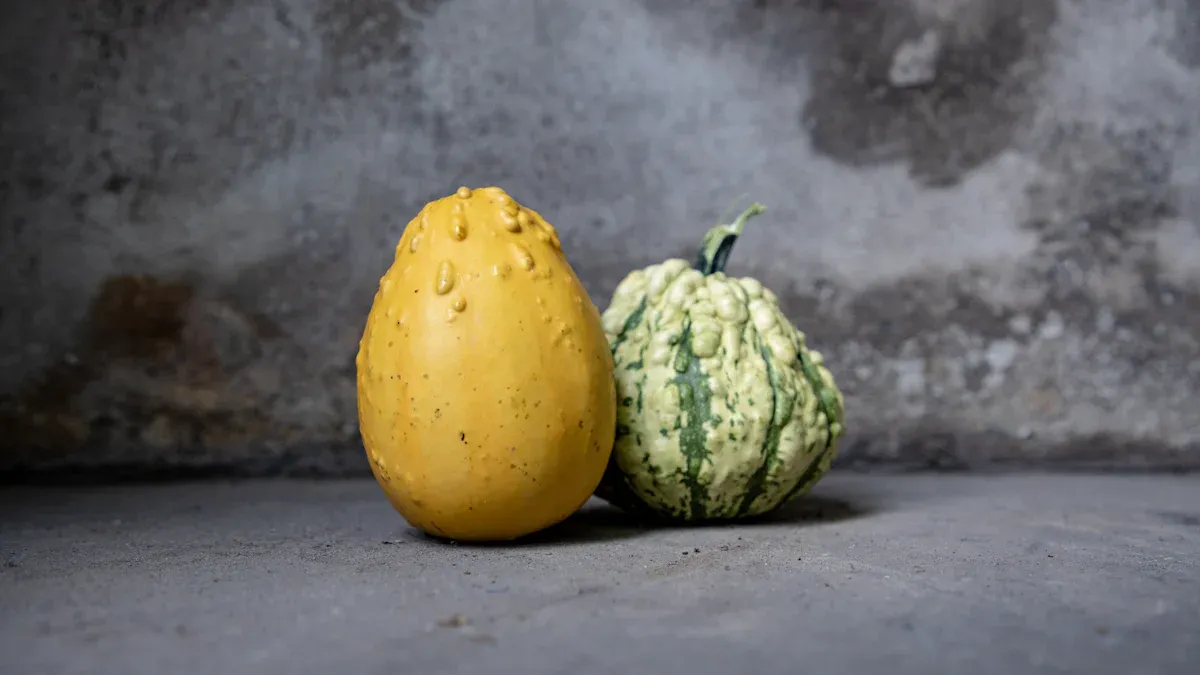
I will show you how to cook spaghetti squash perfectly every time. My go-to method involves roasting it cut-side down. This is the best way to cook spaghetti squash. Many people find cutting spaghetti squash hard. They also expect it to taste exactly like pasta, but spaghetti squash is still squash. This easy tutorial will eliminate those frustrations. It is a fool-proof way to cook spaghetti squash. You will get consistently great texture when cooking spaghetti squash this way.
Why Cook Spaghetti Squash?
I find spaghetti squash to be a truly remarkable vegetable. It offers so much more than just a side dish. It brings a unique element to my cooking.
Unique Texture and Versatility
One of the main reasons I love spaghetti squash is its unique spaghetti-like texture. When you cook it, the flesh separates into strands. These strands look just like pasta. This makes it an excellent substitute for traditional noodles in many dishes. I use it in casseroles, stir-fries, and even as a base for my favorite sauces. It adds a light, slightly sweet flavor. This flavor pairs well with many different ingredients. It is a great way to add more vegetables to your meals.
Nutritional Benefits
Beyond its interesting texture, spaghetti squash offers impressive nutritional benefits. I often choose it as a healthier alternative to traditional pasta. It is much lower in calories and carbohydrates. For example, one cup of spaghetti squash has only about 31 calories. Traditional pasta has around 221 calories per cup. This means replacing pasta with spaghetti squash can cut your calorie intake significantly. It also contains about 7 grams of carbohydrates per cup. Traditional pasta has around 43 grams. This makes it perfect for low-carb diets or weight management.
Spaghetti squash is also naturally gluten-free. This is a big plus for people with gluten sensitivities. It provides good amounts of fiber. Fiber helps with digestion. I also appreciate its rich vitamin and mineral content. It is a good source of Vitamin C and Vitamin A. It also contains Vitamin K and several B vitamins, including thiamin, riboflavin, niacin, folate, and pantothenic acid. You will also find important minerals like manganese and potassium in spaghetti squash. These nutrients support overall health. So, when I use spaghetti squash noodles or spaghetti-like strands in my recipes, I know I am making a nutritious choice.
Gather Your Tools and Ingredients
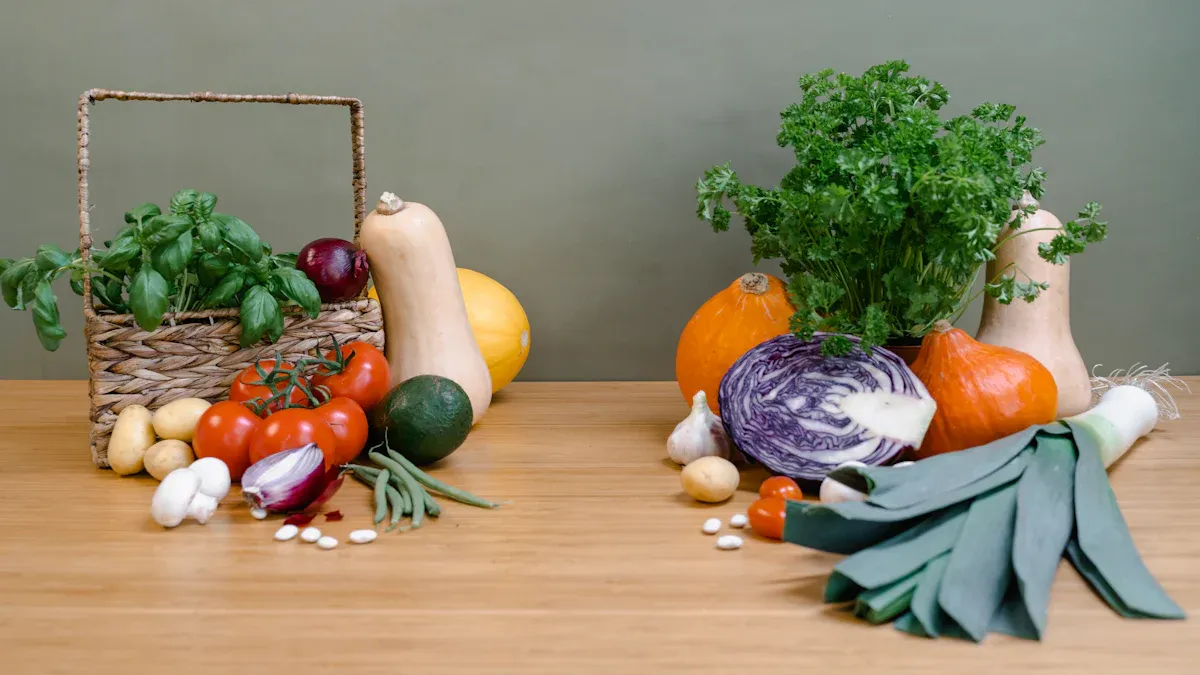
Before you begin cooking, I always find it helpful to gather everything you need. This makes the process smooth and enjoyable. You do not want to stop mid-prep to search for a tool. Having your tools and ingredients ready helps you focus on the task.
Essential Kitchen Tools
You do not need many fancy gadgets to cook spaghetti squash perfectly. I use basic items you probably already own. These tools make the job easier and safer.
🔪 A Sharp Chef’s Knife: This is crucial for safely cutting the tough squash skin. A dull knife can slip.
cutting board: You need a stable surface for cutting. This protects your countertops.
🥄 Large Spoon or Ice Cream Scoop: I use this to easily remove the seeds and stringy bits from the squash’s center.
baking sheet: You will roast the squash on this. A rimmed sheet prevents any juices from spilling.
oven mitts: The squash and baking sheet get very hot. Protect your hands.
Simple Seasonings
Spaghetti squash has a mild, slightly sweet flavor. It tastes great with just a few simple seasonings. These ingredients enhance its natural taste. They also help the squash brown nicely.
Olive Oil: I drizzle olive oil over the cut surfaces. This helps the squash caramelize. It also prevents sticking to the baking sheet.
Salt: A good sprinkle of salt brings out the squash’s flavor. I use sea salt or kosher salt.
Black Pepper: Freshly ground black pepper adds a nice subtle kick. I think it complements the sweetness of the squash.
These basic items are all you need to prepare and cook spaghetti squash. You are now ready for the next steps.
How to Cook Spaghetti Squash: The Perfect Roasted Method
I consider roasting the best way to cook spaghetti squash. This method consistently gives me tender, flavorful results. It is my go-to method for preparing this versatile vegetable. This step-by-step tutorial will show you exactly how to roast spaghetti squash for perfect results every time.
Safely Cutting Spaghetti Squash
Cutting a spaghetti squash can feel intimidating because of its tough, armor-like skin. I always prioritize safety when I handle a sharp knife. To make it easier and safer, I first poke a few small slits in the squash skin with a sharp knife. I create a dotted line where I plan to slice it in half. Then, I microwave the whole squash for 2-3 minutes. This softens the skin just enough. After microwaving, I let it cool slightly. I place the squash on a sturdy cutting board with its flattest surface down. I carefully cut off the stem. Then, I slice along the pre-poked ‘dotted line’. This method helps prevent the knife from slipping.
Easier Cutting Tips
I have found several tricks to make cutting spaghetti squash even simpler. Sometimes, I pre-soften the squash by placing it whole in the oven as it preheats. I remove it with oven mitts once the oven reaches temperature. This makes the skin much easier to cut. Another approach I use involves a sharp chef’s knife. I find a good quality knife, like a Shun Cutlery chef’s knife, makes a big difference if you feel confident in your knife skills. For extra safety, I always use a bamboo cutting board with rubber stoppers. This prevents any slipping. If I want longer spaghetti-like strands, I sometimes cut the squash into approximately 2-inch rounds after pre-softening. This also helps it cook faster.
Seed Removal and Prep
Once I have the squash halves, I scoop out the seeds and stringy bits from the center. I use a large spoon or an ice cream scoop for this. It works perfectly. I discard the seeds, or sometimes I roast them separately for a crunchy snack. I make sure the inside of each squash half is clean and smooth.
Seasoning for Flavor
Now, I prepare the squash for roasting. I drizzle a little olive oil over the cut surfaces of each half. I use my hands to rub it evenly across the flesh. Then, I sprinkle a generous amount of salt and a dash of black pepper. This simple seasoning enhances the natural sweetness of the squash. It also helps the squash caramelize beautifully in the oven. This is a crucial step for a delicious baked spaghetti squash.
Optimal Roasting Temperature and Time for Your Spaghetti Squash Recipe
I preheat my oven to 400°F (200°C). This is the optimal roasting temperature for spaghetti squash to achieve a tender texture. I place the seasoned squash halves cut-side down on a baking sheet. Roasting it this way allows the steam to build up inside. This helps the squash cook evenly and become perfectly tender. For a medium-sized squash, I typically roast in the oven for 30 to 40 minutes. The cooking time can vary depending on the size of your squash. Larger squash will need more time. This method is my favorite way to cook spaghetti squash. It ensures a fantastic roasted spaghetti squash recipe.
Checking for Doneness
I know the squash is ready when I can easily pierce the flesh with a fork. The skin might also look lightly browned and slightly caramelized on the outside. If it still feels firm, I continue to roast in the oven for another 5-10 minutes. I check it again. I want it tender, but not mushy. This careful checking ensures a perfectly baked spaghetti squash.
Creating Spaghetti Strands
After the squash finishes cooking, I remove it from the oven. I let it cool for a few minutes until it is comfortable to handle. Then, I take a fork and gently scrape the cooked flesh from the inside of each half. The flesh easily separates into beautiful spaghetti-like strands. I scrape from the outside edge towards the center. This creates long, delicate “noodles.” This fool-proof way to cook spaghetti squash consistently yields these wonderful strands. I then transfer the strands to a serving bowl. Now it is ready for your favorite sauce or toppings. This is truly the best way to cook spaghetti squash for a delicious meal.
Troubleshooting Common Issues
Even with the best methods, sometimes I encounter small challenges when cooking spaghetti squash. I have learned a few tricks to handle these common issues. This helps me get perfect results every time.
Preventing Watery Squash
I sometimes find my spaghetti squash can turn out a bit watery. This usually happens when too much moisture gets trapped inside. To prevent this, I always roast it cut-side down. This lets the steam escape. It also allows extra water to drain away. After cooking, I sometimes let the squash sit for a few minutes before I scrape out the strands. This gives any remaining moisture a chance to evaporate.
Avoiding Mushy Texture
I hate mushy spaghetti squash. It loses that great “noodle” texture. To avoid this, I make sure not to overcook it. I also follow a few key steps before it even goes into the oven. First, I always roast my spaghetti squash cut-side down. This method allows excess moisture to drain away. It prevents the squash from becoming mushy. Second, I make sure to cut the squash in half lengthwise before roasting. This helps it cook evenly. It also helps with moisture release. Finally, I carefully scoop out all the seeds and stringy bits. Removing the seeds creates a cleaner cavity for cooking. This helps in achieving the desired texture.
Dealing with Tough Skin
I know cutting spaghetti squash can be a challenge. Its tough skin makes it difficult. If you find it too hard, I recommend pre-softening it. You can microwave the whole squash for 2-3 minutes. You can also put it in the oven as it preheats. This makes it much easier and safer to cut. Always use a sharp chef’s knife for the best results. A dull knife can slip.
Other Ways to Cook Spaghetti Squash
While I consider roasting the best way to cook spaghetti squash, I know you might want other options. Sometimes, I need a quicker method. Other times, I want to use a different kitchen tool. These alternative methods can also help you cook spaghetti squash successfully.
Quick Microwave Method
I often use the microwave when I am short on time. This method is incredibly fast. I pierce the whole squash several times with a fork. This allows steam to escape. Then, I place it in a microwave-safe dish. I microwave it on high for about 8-12 minutes. The exact time depends on the squash’s size. I flip it halfway through cooking. The squash is done when it feels tender when I squeeze it. I let it cool before cutting it open. This method is great for a single serving.
Instant Pot Cooking
I find the Instant Pot a fantastic tool for cooking spaghetti squash. It offers a great balance of speed and convenience. It is faster than baking in the oven. You also do not need to cut the hard squash beforehand. This makes prep much easier. I have found that cooking a whole squash in the Instant Pot keeps the interior protected from steam. This leads to less watery results. It is a reasonable trade-off for a slightly longer cook time compared to halves.
Here is how I cook spaghetti squash in my Instant Pot:
I pierce the whole spaghetti squash with a knife in several places. This allows steam to vent.
I add 1 cup of water to the Instant Pot. I place the trivet inside.
I set the whole squash on the trivet.
I cook it on high pressure for 15 minutes for a 3-pound squash. I add 3 more minutes for larger squash.
I allow a natural pressure release for 10 minutes. Then, I manually turn the pressure release valve to venting.
I use heat-proof oven mitts to remove the squash. I let it cool slightly. Then, I slice it in half and remove the seeds. This method significantly reduces cooking time. It takes less than 20 minutes total.
Boiling Method Considerations
I generally do not recommend boiling spaghetti squash. This method can make the squash very watery. It can also lead to a mushy texture. The strands lose their distinct “spaghetti-like” quality. If you choose to boil, I suggest cutting the squash in half first. Then, I would boil it in salted water for about 15-20 minutes. I would drain it very well afterward. I prefer other methods for a better texture.
Delicious Spaghetti Squash Recipes and Serving Ideas

I find spaghetti squash incredibly versatile. It fits into many meals. You can use it in simple ways or create elaborate dishes.
Pasta Substitutions
Spaghetti squash is a good stand-in for pasta. I often use it as a direct replacement for traditional spaghetti noodles. This works in almost any favorite pasta recipe. For example, I use spaghetti squash noodles in my lasagna. It also works well in dishes like “Pizza Pasta.” It offers a low-carb alternative in casseroles. I sometimes mix it with actual spaghetti, usually a 50/50 ratio. This adds more nutrients while keeping some traditional taste.
Creative Recipe Applications
I love creating new spaghetti squash recipes. The squash has a built-in bowl shape. This makes it perfect for stuffing. I enjoy making Baked Spinach & Feta Spaghetti Squash. It features feta cheese, spinach, garlic, and balsamic glaze. I bake it right inside the squash. Spaghetti Squash Nests with Feta, Tomatoes & Balsamic Drizzle are another favorite. These are tender nests filled with roasted tomatoes and feta.
I enhance them with balsamic glaze. For a hearty meal, I make Sun-Dried Tomato, Mozzarella & Chicken-Stuffed Spaghetti Squash. This is a cheesy and impressive main dish. It is an easy fall side dish. I also make Baked Spaghetti Squash Fritters. These are crispy and perfect for parties.
Broccoli-Cheddar Spaghetti Squash Casserole is a cheesy, gluten-free option. It replaces pasta strands with squash. Loaded Spaghetti Squash combines Cheddar cheese, bacon, and scallions. It is like a baked potato but with fewer carbs. These are just a few of the many spaghetti squash recipes I enjoy. You can find more spaghetti squash recipes online. They make an easy fall side dish.
Storing Leftovers
I always make extra spaghetti squash. Cooked spaghetti squash stores well. I put it in an airtight container. It stays fresh in the refrigerator for up to five days. For longer storage, freezing is a great option. First, I scrape the strands from the skin. I place them in a colander over a bowl. I cover it with plastic wrap. I leave it in the fridge overnight. This removes excess moisture. It prevents the squash from becoming mushy when thawed. Then, I transfer the squash to an airtight, freezer-friendly container or bag. It maintains good quality for six to eight months. This makes it easy to cook spaghetti squash ahead of time. It is a perfect easy fall side dish.
I have shown you how to cook spaghetti squash perfectly every time. My methods are simple and reliable. You can now confidently achieve ideal texture and flavor. I encourage you to experiment with spaghetti squash in your cooking. Remember, roasting cut-side down is the best way to cook spaghetti squash for tender strands. This guide makes it easy to cook spaghetti squash. Enjoy this versatile and nutritious vegetable in all your favorite dishes!