

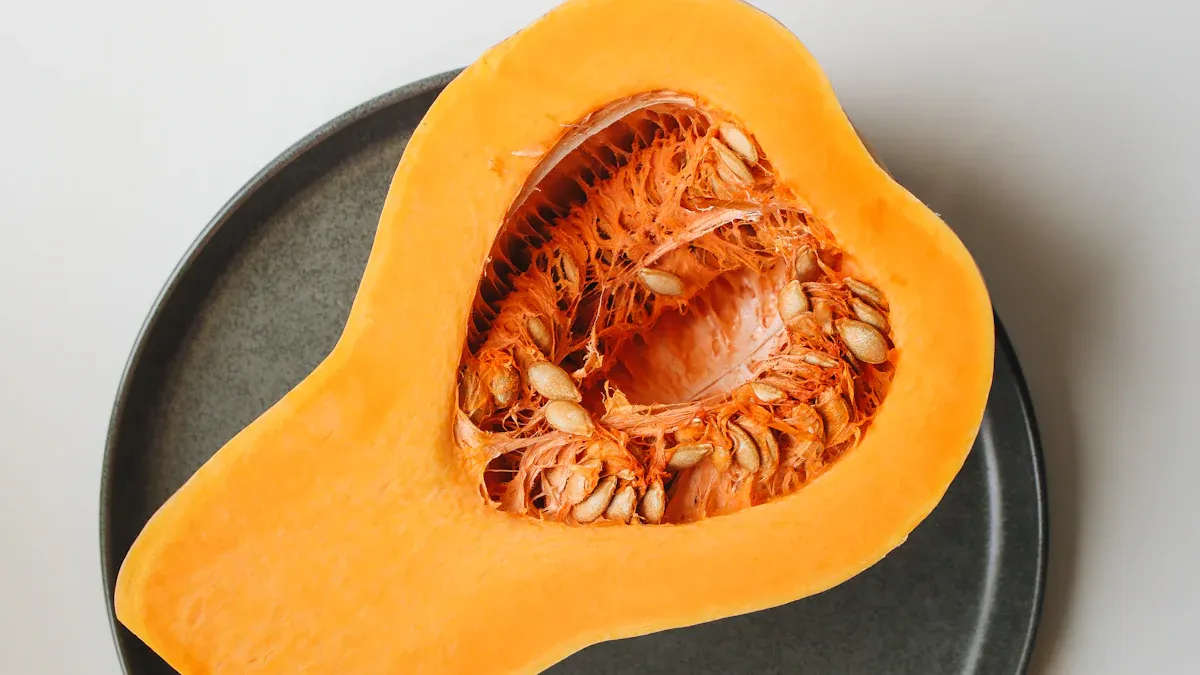
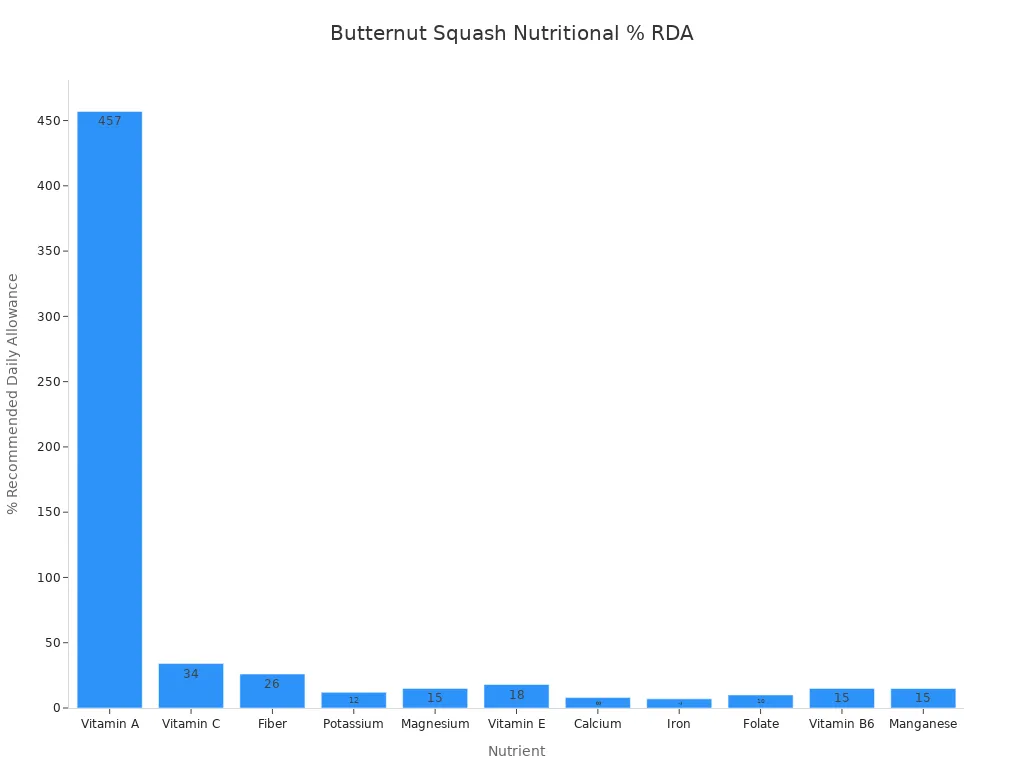
I love butternut squash! It offers a naturally sweet, earthy flavor that just brightens any dish. Plus, it’s incredibly good for you. This vibrant vegetable is packed with nutrients. For example, one cup gives you over 450% of your daily Vitamin A! It also has lots of fiber, Vitamin C, and potassium, great for your heart and bones.
You might think it’s tricky, but I promise you, it’s actually quick and easy to prepare. Many people enjoy its versatility in meals. This guide will show you how to cook butternut squash using simple methods. I want to help you discover the best way to cook butternut squash for your own kitchen. Find your favorite way to enjoy this amazing vegetable!
Easy Butternut Squash Prep
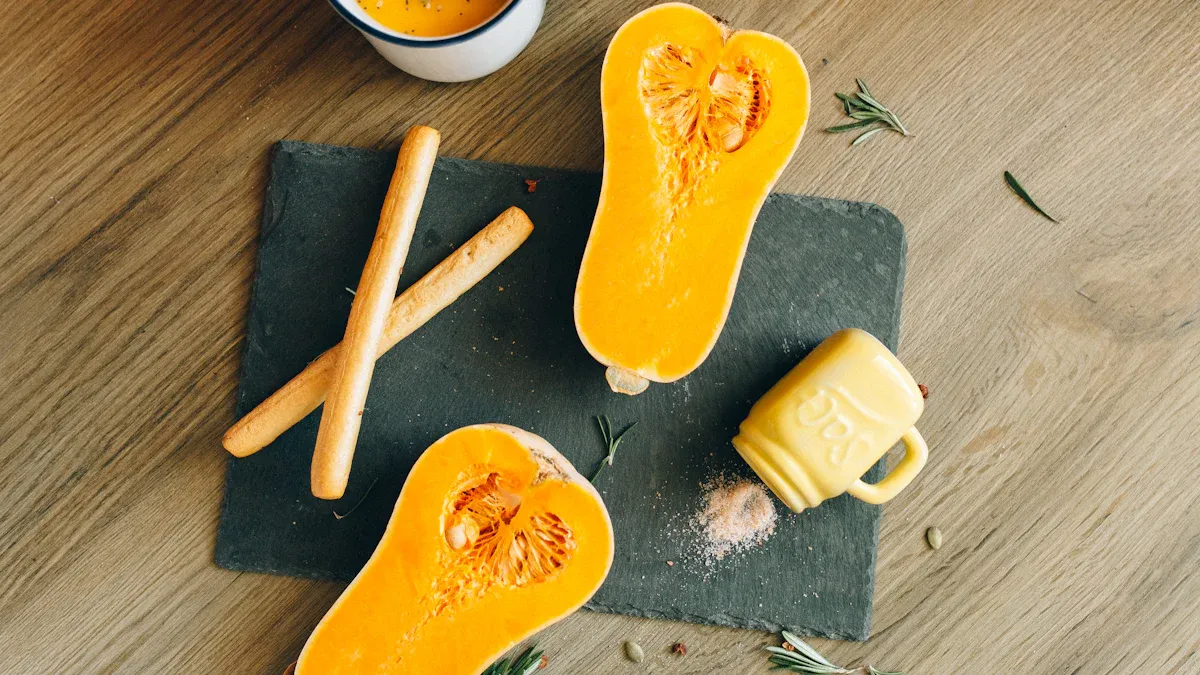
Before we get to the fun part of cooking, let’s talk about getting that butternut squash ready. I know some people find peeling and cutting a bit intimidating, but with the right approach and tools, it’s really quite simple!
Essential Tools for Preparation
Having the right tools makes all the difference when you want to cook butternut squash. I always make sure I have these on hand:
Chef Knife: I find a good, sharp chef’s knife is a game-changer. It gives me the control I need for precise cuts.
Cutting Board: A sturdy cutting board is a must. I use one that stays put on my counter, so the squash doesn’t slide around.
Peeler: A sharp, heavy-duty peeler is super helpful. Butternut squash skin can be tough, so a good peeler makes quick work of it.
Step-by-Step Peeling and Cutting
Here’s how I tackle peeling and cutting my butternut squash:
First, I use my sharp peeler. I methodically peel around the squash, turning it as I go. I keep peeling until I see only bright orange flesh, with no lighter spots left. Sometimes, I need to go over a few areas again if the skin is extra thick.
Next, I cut the squash in half lengthwise. I use my chef’s knife for this.
Then, I scoop out all the seeds and stringy bits with a spoon. You want to get it all clean inside.
Finally, I cut the squash halves into manageable pieces, then cube them into the size I need for my recipe.
Safety Tips for Handling
Safety is always my top priority when I’m in the kitchen, especially when using sharp knives. Here are my best tips:
I always use a sharp chef’s knife. A dull knife can actually be more dangerous because it requires more force and can slip.
I make sure my cutting board is stable and doesn’t slip. This keeps the squash from rolling around while I’m cutting.
I create a flat surface on the squash first. I slice a small bit off one side so it sits flat on the cutting board. This stops it from wobbling.
I use a proper grip on my knife. I hold it firmly, close to the blade, for maximum control. This helps prevent any slips.
Following these steps makes preparing butternut squash easy and safe every time!
How to Roast Butternut Squash
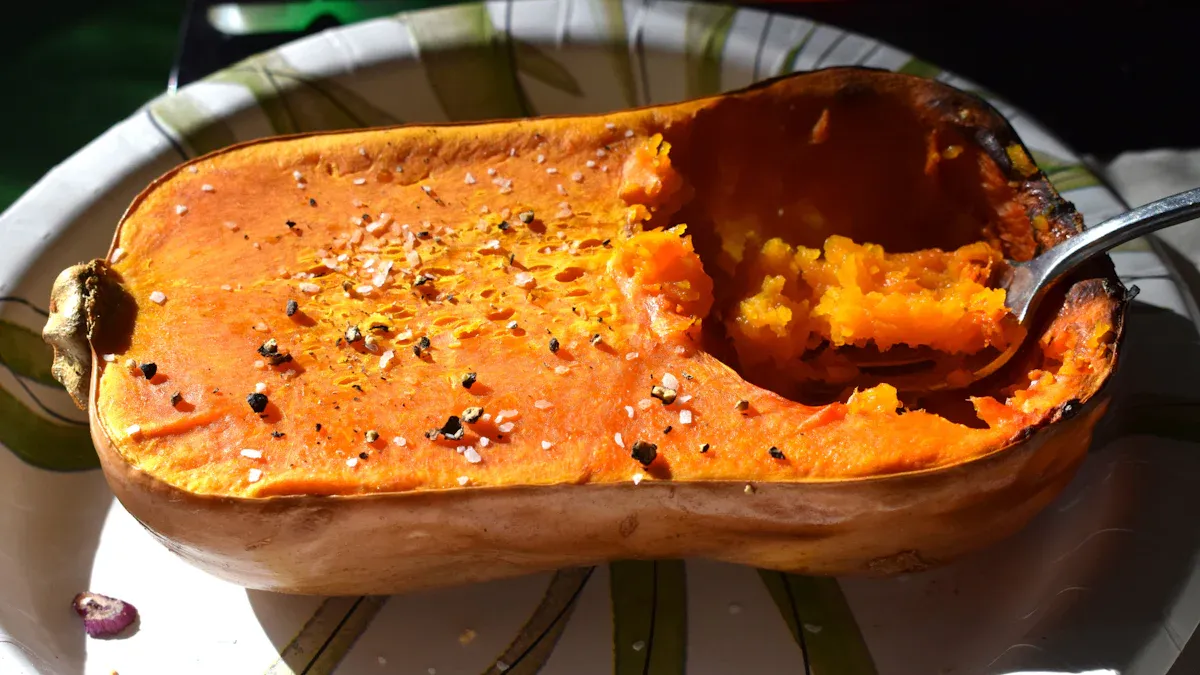
Roasting is my absolute favorite way to cook butternut squash. It brings out its natural sweetness and gives it a lovely caramelized flavor. When I roast butternut squash, I find it becomes incredibly tender on the inside with slightly crispy edges. It’s a simple method, but it yields amazing results every time.
Roasting Cubes
I often choose to roast butternut squash in cubes because it’s so versatile for adding to salads, grain bowls, or just eating as a side dish. Here’s how I do it:
First, I preheat my oven to 400°F (200°C). A hot oven is key for good roasting.
Then, I toss my peeled and cubed butternut squash with a little olive oil, salt, and black pepper. Sometimes I add a pinch of cinnamon or paprika for extra flavor.
I spread the seasoned squash cubes in a single layer on a baking sheet. I make sure not to overcrowd the pan. If I put too many pieces on one sheet, they will steam instead of roast. This makes them mushy, and I definitely want to avoid that!
I roast the squash for about 30-35 minutes. I know it’s ready when the squash is tender and has a beautiful golden-brown color. This golden appearance tells me it’s perfectly caramelized. I always check around the 25-30 minute mark because oven temperatures can vary.
To make sure my roasted butternut squash cubes turn out perfectly every time, I also keep a few things in mind:
Don’t overcrowd the pan: I always use multiple baking sheets if I have a lot of squash. This lets the hot air circulate around each piece.
Don’t skip the oil: A light coat of olive or avocado oil is essential. It helps the squash brown nicely and makes the seasonings stick. Without it, the squash can become dry and chewy.
Use the right temperature: I always preheat my oven fully to 400°F. A low oven temperature will make the squash soft and dull, not crisp and caramelized.
Cut evenly: I try my best to cut all the squash into similar-sized cubes. This ensures everything cooks at the same rate. I don’t want some pieces burnt and others undercooked.
Pat it dry: Before I toss the squash with oil, I often pat it dry with a paper towel. This removes extra moisture and helps prevent sogginess.
Roasting Halves
Sometimes, I prefer to roast butternut squash in halves. This is a great option if I plan to mash it or use it as a base for soup. It’s also less work than cubing!
I preheat my oven to 375°F (190°C).
I cut the squash in half lengthwise and scoop out all the seeds and stringy bits.
I place the halves cut-side up or down on a baking sheet. I might drizzle a little olive oil inside and sprinkle with salt and pepper.
I bake the squash for about 1 hour, or until it’s very soft when I pierce it with a fork. This is a simple way to cook butternut squash.
Roasting Whole Squash
For the easiest, most hands-off approach, I sometimes roast a whole butternut squash. This is perfect if I’m going to use the cooked squash for a puree or soup later.
I preheat my oven to 375°F (190°C).
I simply place the whole squash on a baking sheet. I don’t even need to peel or cut it beforehand!
I bake it for about 55-85 minutes. I turn it midway through the cooking time. I know it’s done when the skin looks a bit brown and bubbled, and a knife easily pierces through to the center. This method is incredibly convenient when I want to cook butternut squash with minimal effort.
Quick Butternut Squash Cooking Methods
Sometimes, I need to cook butternut squash quickly. Maybe I’m short on time, or I just want a faster way to get this delicious vegetable on the table. Luckily, there are several speedy methods that work wonderfully. These options are great when you want to cook butternut squash without a long roasting time.
Steaming Butternut Squash
Steaming is a fantastic way to cook butternut squash. It’s gentle, and it helps keep the squash’s natural sweetness. I find it’s also a great method for preserving nutrients.
I usually peel and cube my squash first. Then, I place the cubes in a steamer basket over boiling water. I cover the pot and let it steam.
Steaming butternut squash cubes until fork-tender typically takes about 15 minutes.
Sometimes, I even steam it unpeeled if I plan to scoop out the flesh later. This usually takes a bit longer, around 20-30 minutes. Steaming is an excellent method for cooking. It helps retain most of the squash’s nutrients. This approach is beneficial for preserving its nutritional value. Steaming has also been shown to be more effective for retaining carotenoid bioaccessibility in pumpkin pulp compared to boiling it in water with sugar. This suggests that steaming is a superior method for preserving these specific bioactive compounds.
Instant Pot Butternut Squash
My Instant Pot is a lifesaver when I need to cook butternut squash in a hurry. It’s incredibly fast and makes the squash super tender. I usually cut the squash into large chunks or halves for this method.
Here’s how I do it:
I add about a cup of water to the Instant Pot.
Then, I place the squash on a trivet inside.
I set the Instant Pot to high pressure.
Pressure cook at high pressure for 8-11 minutes, followed by a quick release.
For a 4lb (1916g) butternut squash with a 19-inch circumference, 9-10 minutes under pressure is recommended for full cooking.
Adjust cooking time based on the size of the squash and desired tenderness (firm vs. very soft).
I always make sure to do a quick release of the pressure when it’s done. The squash comes out perfectly soft every time.
Microwave Butternut Squash
For the absolute fastest way to cook butternut squash, the microwave is my go-to. It’s perfect for when I just need a small amount or want to soften it before other cooking.
I usually cut the squash in half, scoop out the seeds, and place the halves cut-side down in a microwave-safe dish with a little water. I cover it with plastic wrap or a microwave-safe lid.
Here are some tips for microwaving:
For a standard 1000-watt microwave, heat the squash on high for approximately 9-12 minutes.
Continue microwaving in short intervals if the squash is not yet tender when pierced with a fork.
Consult your microwave’s owner’s manual, as power levels and cook times may need adjustment based on the microwave’s make, model, squash size, and preparation method.
The microwave makes the squash soft and ready for mashing or pureeing in just minutes. It’s truly a quick and easy option!
Flavoring & Serving Butternut Squash
Once you’ve cooked your butternut squash, the real fun begins: flavoring and serving it! I love how versatile this vegetable is. You can make it sweet, savory, or even a little spicy. It really depends on what you’re in the mood for.
Seasoning Combinations
I find that butternut squash’s natural sweetness makes it a perfect canvas for many flavors. For a sweeter profile, I often reach for warm spices. Think cinnamon, nutmeg, and allspice. Sometimes I add a touch of brown sugar or maple syrup. These combinations really enhance its inherent sweetness.
If I’m going for a savory dish, I love using herbs like thyme, oregano, and rosemary. These are often found in herbes de Provence seasoning. Garlic and sage also pair wonderfully. For a unique twist, I sometimes combine nutmeg and sumac with olive oil, salt, and pepper. This blend gives a balanced flavor that’s both sweet and tangy. If I don’t have sumac, lemon zest or juice works just as well! For a bit of warmth, I might add cumin, coriander, or smoked paprika.
Incorporating into Meals
Butternut squash is so easy to add to many meals. I often toss roasted cubes into a big green salad for extra texture and flavor. It’s also fantastic in hearty stews, adding a lovely sweetness and thickening the broth. I just chop it into chunks and let it simmer. It’s also a star in dishes like butternut squash ravioli, where its creamy texture shines.
Creative Serving Ideas
Beyond being a delicious side dish, I love getting creative with butternut squash. I often mash it with a little butter and cinnamon for a comforting puree. You can also blend it into a creamy soup. I sometimes roast it and then mix it with grains like quinoa or farro for a satisfying meal. Another idea is to turn it into a dip or spread for crackers. The possibilities are endless!
So, you see, it’s truly simple to cook butternut squash and enjoy its deliciousness. I hope you feel confident to try these methods and experiment with different flavors. Beyond its great taste, I know it’s also a powerhouse for your health, supporting everything from your vision and heart to digestion and helping prevent chronic diseases. Go ahead, bring this vibrant, healthy vegetable into your kitchen and savor every bite!
