

Picture a food that sits quietly in the produce aisle, looks a little plain, and yet may help lower cancer risk, support the gut microbiome, and even make vitamin D from sunlight. That food is the mushroom, and the health benefits of mushrooms are far bigger than most people realize.
Many people think of mushrooms as “just another vegetable.” In reality, they are fungi with a biology very different from plants. That difference shows up in their nutrition: mushrooms supply a special mix of antioxidants, fibers, vitamins, and minerals that we do not get in the same way from other foods. They are also the only item in the produce section that can provide a meaningful amount of vitamin D.
For thousands of years, cultures in Asia and Europe have used mushrooms as both food and medicine, with modern research now validating many traditional uses through studies examining mushroom marvels: understanding their role in human health. Modern studies now link regular mushroom intake with lower cancer risk, better brain health, stronger immune function, and improved heart health.
In this guide, we walk through 12 proven health benefits of mushrooms, plus simple ways to buy, store, and cook them. F
Understanding Mushrooms: More Than Just A Vegetable
Mushrooms are not plants; they are the fruiting bodies of fungi. That means their cell walls, fibers, and bioactive compounds differ from typical vegetables in important ways, and those differences show up in how they support the body.
More than 2,000 edible mushroom species exist, but only a handful show up regularly in grocery stores. This article focuses on familiar types such as white button, cremini, portobello, shiitake, oyster, and maitake, plus a few well-studied “functional” varieties like Lion’s mane and reishi.
Nutrition scientists often call mushrooms functional foods because they go beyond calories and protein and contain compounds that actively support systems like immunity, the brain, and the cardiovascular system. Their rich umami flavor and meaty texture also make them an excellent way to replace part of the meat in many recipes.
For both safety and convenience, it is best to buy cultivated mushrooms from grocery stores or farmers’ markets. Wild mushroom foraging should only be done with expert guidance, which we cover later in this guide.
1. Cancer-Fighting Powerhouse: How Mushrooms May Reduce Your Risk By Up To 45%
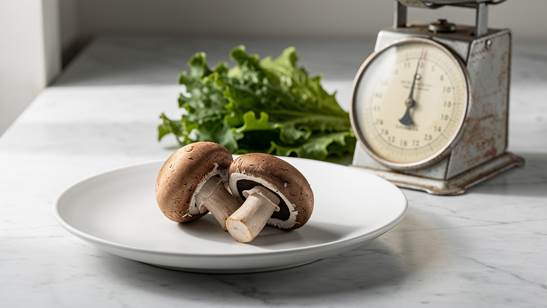
Cancer prevention is one of the best-studied health benefits of mushrooms. A large review that combined 17 studies from 1966 to 2020 found that people who ate about 18 grams of mushrooms per day (roughly two medium mushrooms) had up to 45% lower overall cancer risk compared with those who ate very little.
Even simpler, other research suggests that one to two cups of mushrooms per week may offer meaningful protection. That is an amount most people can fit into regular meals, such as a stir-fry one night and a mushroom omelet another morning.
Two antioxidants seem especially important:
- Ergothioneine – often called a “longevity nutrient” because of its long-term cell-protective effects
- Glutathione – sometimes described as the body’s “master antioxidant”
Both help neutralize free radicals, which otherwise damage DNA and can lead to cancer and other chronic diseases. Mushrooms, especially shiitake, oyster, maitake, and king oyster, are the richest food source of ergothioneine that we know of.
Simple tip: Aim for at least one mushroom-centered meal a week, such as a shiitake stir-fry or mushroom barley soup, to build this protection into your routine.
2. Brain Health Guardian: Protecting Against Cognitive Decline And Alzheimer’s
As people live longer, many families worry about memory loss and conditions such as Alzheimer’s disease. Mushrooms can be a quiet supporter of brain health.
A well-known study from Singapore followed older adults and tracked their mushroom intake. Those who ate more than two cups of mushrooms per week had about 50% lower risk of mild cognitive impairment (MCI) compared with those who rarely ate them. Even one cup a week was linked with some protection.
Mushrooms help in several ways:
- Ergothioneine and glutathione protect brain cells from oxidative stress.
- B vitamins in mushrooms help build and maintain neurotransmitters, the chemical messengers that support memory, focus, and mood.
Common mushrooms such as white button, golden, oyster, and shiitake were part of the Singapore study, showing that brain support does not require rare or expensive varieties. Less common mushrooms like Lion’s mane are being studied for their ability to boost nerve growth factor, a protein that helps brain cells grow and stay healthy.
3. Immune System Supercharger: Nature’s Defense Booster
Mushrooms have a long history in traditional medicine as immune tonics, and modern research supports much of that wisdom. Several nutrients in mushrooms work together to support immune defenses:
- Selenium: helps the body make antioxidant enzymes that protect immune cells
- Vitamin D: helps regulate immune responses and ease excess inflammation
- Vitamin B6: supports red blood cell production and immune signaling
- Zinc: helps white blood cells function properly
On top of these, mushrooms contain beta-glucan fibers and other polysaccharides that “train” immune cells to respond more effectively while calming constant low-level inflammation.
“Your immune system is built meal by meal far more than pill by pill.” – Adapted from common advice given by clinical dietitians
Think of mushrooms as part of your daily defense during cold and flu season. Simple dishes like mushroom soup, baked chicken with mushrooms, or roasted mushrooms as a side dish make regular intake easy.
4. Heart Health Hero: Lowering Blood Pressure And Cholesterol Naturally
Heart disease remains the leading cause of death in the United States, so everyday foods that support heart health matter. Mushrooms help in two major ways: they support healthy blood pressure and improve cholesterol balance.
Managing Blood Pressure
Mushrooms are naturally low in sodium and contain potassium, a combination that is ideal for blood pressure control. Potassium helps relax blood vessel walls and counters the tightening effect of too much sodium.
A study from the Culinary Institute of America and UC Davis found that replacing half the ground beef in a recipe with finely chopped mushrooms cut sodium by about 25% without harming flavor. This “50/50 blend” works well in burgers, tacos, and pasta sauces, making meals more heart-friendly.
Lowering Cholesterol Levels
Some mushrooms, especially shiitake, supply compounds that help the body:
- Reduce cholesterol production in the liver
- Block some cholesterol from being absorbed in the gut
- Lower the total amount of cholesterol circulating in the blood
Beta-glucans in shiitake, maitake, and reishi form a gel-like substance in the digestive tract that binds cholesterol and carries it out of the body. A simple approach is to enjoy shiitake in stir-fries or soups once or twice a week, using only small amounts of saturated fat.
5. Gut Health Champion: Feeding Your Microbiome For Overall Wellness
The gut microbiome—the community of trillions of microorganisms living in the digestive tract—affects digestion, immunity, inflammation, body weight, and even mood. One of the best ways to support it is to feed helpful bacteria with prebiotic foods, and mushrooms fit that role well.
Mushrooms contain polysaccharides and other fibers that pass through the upper digestive tract and reach the colon largely intact. There, they act as food for friendly bacteria such as Bifidobacterium and Lactobacillus.
When these bacteria thrive, people often notice:
- Better digestion and more regular bowel movements
- Less bloating and gas
- Improved insulin sensitivity and steadier blood sugar
Because of the strong gut–brain connection, feeding the microbiome well may also support mood and mental wellness. Mixing mushrooms with other prebiotic foods such as onions, garlic, or leeks in the same dish creates a fiber mix that gut bacteria love.
6. The Vitamin D Exception: A Standout Plant-Based Source
Vitamin D supports strong bones, healthy muscles, and a well-balanced immune system. Many people do not meet their needs, especially in northern regions or during winter. Mushrooms are the only produce that can provide a meaningful amount of vitamin D.
Like human skin, mushrooms contain ergosterol, which changes into vitamin D when exposed to ultraviolet (UV) light. When mushrooms grow in sunlight or under UV lamps, or when sliced mushrooms are placed in bright light after harvest, their vitamin D levels can climb dramatically.
Varieties such as white button, portobello, and cremini respond especially well to this process. At home, you can:
- Slice 3–4 mushrooms (or one large portobello)
- Place them gill-side up in direct sunlight for about 15–30 minutes
- Cook them with a bit of healthy fat such as olive oil to support absorption
Maitake mushrooms are naturally high in vitamin D, and a generous cup can come close to daily needs for many adults.
7. Antioxidant Arsenal: Ergothioneine And Glutathione For Longevity
Many long-term health benefits of mushrooms come from their antioxidant strength. Oxidative stress—caused by unstable molecules called free radicals—damages cells over time and is linked with cancer, heart disease, and neurodegenerative conditions.
Mushrooms are outstanding sources of two antioxidants:
- Ergothioneine – supports long-term protection of tissues
- Glutathione – central to the body’s detox and repair systems
When these two appear together, as they do in mushrooms, they seem to support each other’s work. Varieties such as shiitake, oyster, maitake, and king oyster often have the highest levels, but all edible mushrooms provide some.
Cooking mushrooms does not destroy these antioxidants; in some cases, it can even make them easier for the body to use. Eating a mix of different mushroom types across the week is a simple way to bring in a steady stream of protective compounds.
8. Weight Management Support: Low-Calorie, High-Satisfaction Nutrition
Mushrooms show how adding the right food can help with weight management. They are low in calories yet high in flavor and satisfaction, making it easier to enjoy filling meals without taking in too much energy.
A cup of whole cremini mushrooms has roughly:
- 15 calories
- 2.2 grams of protein
- Less than 1 gram of fat
- A small but helpful amount of fiber
That is a large volume of food for very few calories, with valuable nutrients in each bite. Their water content, fiber, and deep umami flavor help people feel full and satisfied.
Studies show that replacing part of the meat in dishes with mushrooms keeps people just as satisfied while lowering calories, saturated fat, and cholesterol. Try:
- Replacing half the ground meat in burgers, tacos, or chili with finely chopped mushrooms
- Using grilled portobello caps as burger patties or mini pizza “crusts”
These swaps keep meals hearty while gently reducing calorie load.
9. Blood Sugar Regulation: Supporting Metabolic Health
With rising rates of type 2 diabetes and prediabetes, many people look for foods that support healthy blood sugar control. Mushrooms fit nicely into this pattern.
Key advantages include:
- Very low glycemic index and glycemic load, meaning they have little direct impact on blood sugar
- Fibers and polysaccharides that slow carbohydrate digestion and absorption
- Positive effects on the gut microbiome, which is linked to better insulin sensitivity
From a meal-planning perspective, mushrooms work well as a replacement for refined carbohydrates. For example, sautéed mushrooms over cauliflower rice, quinoa, or brown rice make a satisfying base that is friendlier to blood sugar than white rice or pasta.
For people already managing diabetes, mushrooms are a helpful food to include—but they do not replace medication or medical care.
10. Bone Health Building: Beyond Calcium To Vitamin D And Minerals
Strong bones require more than calcium. The body also needs vitamin D, phosphorus, magnesium, and copper to build and maintain bone structure. Mushrooms provide several of these supporting nutrients in one package.
- Vitamin D helps the body absorb calcium from the gut and move it into bones and teeth.
- Phosphorus is a main building block of bone, which is largely made of calcium phosphate.
- Magnesium and copper support collagen formation and bone metabolism.
Older adults, postmenopausal women, and people who are very active benefit in particular from this nutrient mix. A smart plate might pair sun-exposed mushrooms with leafy greens, beans, or dairy or fortified plant milks for calcium, plus regular weight-bearing exercise such as walking or strength training.
11. Anti-Inflammatory Properties: Reducing Chronic Disease Risk
Chronic, low-grade inflammation underlies many long-term health problems, including heart disease, cancer, type 2 diabetes, autoimmune disorders, and Alzheimer’s disease. Foods that quiet this ongoing inflammation can play a real role in prevention.
Mushrooms help by:
- Supplying ergothioneine and glutathione, which reduce oxidative stress
- Providing polysaccharides and beta-glucans that nudge immune cells toward a calmer, more balanced response
- Lowering certain inflammatory markers in blood tests in some research studies
Because inflammation builds over years, regular intake matters more than occasional big servings. We often recommend building plates that combine mushrooms with other anti-inflammatory foods such as:
- Brightly colored vegetables
- Berries and citrus
- Nuts and seeds
- Olive oil and herbs like turmeric and ginger
A simple example: a bowl with sautéed mushrooms, roasted vegetables, quinoa, and a drizzle of olive oil and lemon.
12. Essential Vitamins And Minerals: A Complete Nutritional Profile
When you look at their full nutrient profile, it becomes clear why the health benefits of mushrooms are so broad. Mushrooms are like a compact “from-nature multivitamin,” offering several vitamins and minerals in a very low-calorie package.
B-Vitamin Complex
Mushrooms supply multiple B vitamins, including:
- B1 (thiamin)
- B2 (riboflavin)
- B3 (niacin)
- B5 (pantothenic acid)
- B6
These support energy production, red blood cell formation, and a healthy nervous system. Shiitake mushrooms are especially rich in vitamin B6, which supports brain function and immune responses. For vegetarians and vegans, mushrooms can be a particularly helpful B-vitamin source.
Trace Minerals
Common mushrooms provide meaningful amounts of several trace minerals:
- Selenium – protects cells and supports immunity (high in cremini and portobello)
- Copper – helps make red blood cells and supports bones and nerves
- Zinc – aids growth, immune defenses, and wound healing
- Phosphorus and magnesium – support bone structure and hundreds of enzyme reactions
Each serving may not meet daily needs alone, but regular mushroom intake helps fill gaps many people have.
Protein And Fiber Content
For a food treated like a vegetable, mushrooms provide a respectable amount of protein (about 2.2 grams per cup of cremini) plus fiber, which supports digestion and gut health. While mushroom protein does not supply all essential amino acids by itself, it pairs well with beans, grains, or nuts to form complete proteins in plant-based meals.
Selecting, Storing, And Preparing Mushrooms: A Practical Guide
Knowing how to buy, store, and cook mushrooms makes it far easier to turn science into delicious meals.
Choosing The Best Mushrooms
Look for mushrooms that:
- Feel firm with intact caps and stems
- Have a dry (but not cracked) surface
- Smell mild and earthy
Avoid mushrooms that are slimy, have dark wet spots, or smell sharp or unpleasant. Pre-sliced mushrooms are handy but spoil faster than whole ones, so use them within a few days. At HealthBestFood.com, we always advise buying from reputable stores or markets rather than picking wild mushrooms without professional training.
Proper Storage Methods
Once home, store mushrooms in:
- A paper bag in the refrigerator, which absorbs extra moisture and lets them breathe
Plastic bags trap water and make mushrooms spoil quickly. Most fresh mushrooms keep for about 7–10 days when stored correctly. Lightly cooked mushrooms can be cooled and frozen for later use in soups and stews. Dried mushrooms last for months in a sealed container and are a great pantry staple.
Cleaning Techniques

Because mushrooms are porous, soaking them can make them spongy. Instead:
- Give them a quick rinse under cool running water, then pat dry, or
- Wipe them gently with a damp cloth or soft brush
Clean mushrooms right before cooking rather than washing them and letting them sit wet in the fridge.
Cooking Methods That Preserve Nutrients
Cooking mushrooms can actually make some nutrients easier to absorb. Quick, simple methods work best:
- Sautéing: cook sliced mushrooms in a bit of olive oil over medium-high heat for about 8 minutes, until browned at the edges
- Roasting: toss with oil and roast at around 400°F (205°C) for 20–25 minutes
- Grilling: brush portobello caps with marinade and grill for about 5–7 minutes per side
Adding mushrooms in the final minutes of simmering soups or stews keeps them tender. Cooking with healthy fats also supports absorption of vitamin D.
Delicious Ways To Incorporate Mushrooms Into Your Diet

Even with good intentions, changing what ends up on the plate can feel hard.
Breakfast Ideas
- Scramble or omelets with mushrooms, spinach, and tomatoes
- Whole-grain toast topped with mashed avocado and warm mushrooms
- A one-pan hash with mushrooms, sweet potatoes, and peppers for weekend brunch
Lunch And Dinner Applications
- Pasta with creamy mushroom sauce or a lighter tomato–mushroom “bolognese”
- Stir-fries with mushrooms, mixed vegetables, and chicken, tofu, or tempeh
- Grain bowls with quinoa or farro, roasted mushrooms, leafy greens, and olive oil
- Portobello “burgers” or sliced portobello “steaks” for plant-based plates
- Tacos, meatloaf, or chili made with a 50/50 blend of ground meat and chopped mushrooms
Snacks And Sides
- Marinated mushroom salad with herbs and a light vinaigrette
- Stuffed mushrooms with herbs, breadcrumbs, and a bit of cheese
- Thinly sliced raw mushrooms in green salads for extra texture
Meal Prep And Batch Cooking Tips
- Wash, slice, and store mushrooms in containers so they are ready to cook
- Batch-cook a large pan of sautéed mushrooms on Sunday to add to eggs, bowls, and quick dinners
- Keep a jar of dried mushrooms for instant flavor and nutrition in soups and sauces
Cooked mushrooms keep well in the fridge for about 3–4 days and reheat nicely.
Common Varieties And Their Key Benefits
All edible mushrooms offer helpful nutrients, but some stand out for specific benefits or flavors:
- White Button: mild flavor, very affordable, great starter mushroom; can become a strong vitamin D source when exposed to sunlight.
- Cremini (Baby Bella): deeper, earthier taste; firmer texture; often higher in selenium and zinc.
- Portobello: fully mature cremini with large caps and meaty bite; ideal for burgers or stuffing; same nutrient profile in a bigger serving.
- Shiitake: rich, smoky flavor; notable for B vitamins and compounds that support healthy cholesterol levels.
- Oyster: delicate flavor and tender texture; high in ergothioneine for long-term cell protection.
- Maitake (Hen Of The Woods): naturally high in vitamin D and immune-supporting beta-glucans.
- Lion’s Mane: shaggy appearance and mild, slightly seafood-like taste; early research suggests potential support for brain health and nerve growth.
We often suggest starting with common varieties, then exploring these more specialized types as comfort in the kitchen grows.
What About Canned Mushrooms And Supplements?
Busy schedules and limited access to fresh produce raise fair questions about canned mushrooms and supplements.
Canned Mushrooms
Canned mushrooms offer convenience and long shelf life, and they work well in:
- Soups
- Stews
- Casseroles
However, they are often packed in salty brine, which can raise sodium content tenfold or more compared with fresh mushrooms. Some heat-sensitive nutrients may be reduced by canning, and the texture is softer.
If you use canned mushrooms, rinse them under water to wash off extra salt. For dishes where texture matters less, such as blended soups or sauces, they can be a reasonable backup when fresh mushrooms are not available.
Mushroom Supplements, Powders, And Tinctures
The mushroom supplement market has grown quickly, with powders, capsules, and tinctures that promise many benefits. At HealthBestFood.com, we follow a “food first” approach:
- Whole mushrooms provide fiber, vitamins, minerals, and a natural balance of compounds that work together.
- Supplements are not tightly regulated, so actual content and quality can vary.
- Research often uses specific extracts and doses that may differ from what is in a typical supplement.
Some people may use focused mushroom extracts—such as Lion’s mane for extra cognitive support—under the guidance of a healthcare provider. Even then, we recommend keeping real mushrooms on the plate and treating supplements as an addition, not a replacement.
A Critical Warning: Never Forage Wild Mushrooms Without Expert Training
Wild mushroom foraging might sound appealing, but it can be dangerous and, in some cases, deadly. Many poisonous mushrooms look almost identical to safe, edible varieties, even to people who believe they recognize them.
Some toxic species contain compounds that can severely damage the liver or kidneys. Cooking, freezing, or drying does not remove these toxins.
Even experienced foragers sometimes make mistakes, especially in unfamiliar regions. For anyone drawn to foraging, several hands-on courses with trained mycology experts and field trips with very experienced guides are essential. For most people, there is simply no need to take this risk. Supermarkets, farmers’ markets, and specialty shops offer a wide range of cultivated mushrooms that provide all the health benefits described here without danger.
Conclusion
When you step back and look at the full picture, it is striking how much health support fits into a simple mushroom cap. Regular mushroom intake is linked with lower cancer risk, better brain health, stronger immune defenses, healthier blood pressure and cholesterol, and a better-fed gut microbiome. Mushrooms stand out as a plant-based source of vitamin D, carry powerful antioxidants like ergothioneine and glutathione, support weight management and blood sugar control, and provide minerals that help build strong bones.
“Let food be thy medicine and medicine be thy food.” – Attributed to Hippocrates
What makes mushrooms especially helpful is how common and affordable they are. Studies suggest that as little as 18 grams per day, or one to two cups per week, can start to make a difference. That might be as simple as adding mushrooms to one stir-fry, one omelet, and one soup each week.