

Think about the last time a side dish stole the show at dinner. Maybe roasted carrots tasted sweeter than dessert, or crispy Brussels sprouts disappeared before the main course arrived. That is the quiet power of well-made vegetable side dish recipes, and it is much more reachable than it seems.
Many home cooks run into the same issues: vegetables taste bland, turn soggy, or feel like an afterthought, even though research on Green Leafy Vegetables (GLVs) shows they can deliver exceptional nutrition and flavor when prepared correctly. Weeknights are busy, and “healthy” often sounds like “boring.” At HealthBestFood.com, we focus on science-backed, kitchen-tested vegetable sides that bring flavor, color, and real nutrition to every plate.
In this guide, you will see how roasting, sautéing, stir-frying, air frying, grilling, microwave steaming, creamy mashes, crunchy toppings, raw salads, and global flavors can fit into everyday cooking, while Characterizing the diversity of cooking methods helps maximize both taste and nutritional value. We highlight how heat, fat, timing, and knife work shape both taste and nutrient levels so vegetables stay satisfying and nourishing.
The Art Of Roasting: Creating Deep Flavor Through Caramelization
Roasting may be the simplest way to turn everyday vegetables into something that tastes rich and layered. High oven heat drives off surface moisture so vegetables brown instead of steaming. As natural sugars hit that heat, caramelization and the Maillard reaction create deep color, crisp edges, and a sweeter, more complex taste.
For most vegetables, 400°F to 425°F works well. A roomy, rimmed baking sheet is key—crowded pans trap steam and give you soft, pale vegetables. Coat vegetables lightly and evenly in oil, season with salt and pepper, and stir once halfway through so both sides brown.
Tender vegetables like zucchini can be ready in 15–20 minutes, while dense roots and beets may need 40–45 minutes. Compared with boiling, roasting usually keeps more nutrients because there is no big pot of water to wash vitamins away. Batch-roasting several trays on the weekend loads your fridge with ready-to-reheat vegetable side dish recipes.
Perfectly Roasted Cruciferous Vegetables: Broccoli, Cauliflower & Brussels Sprouts
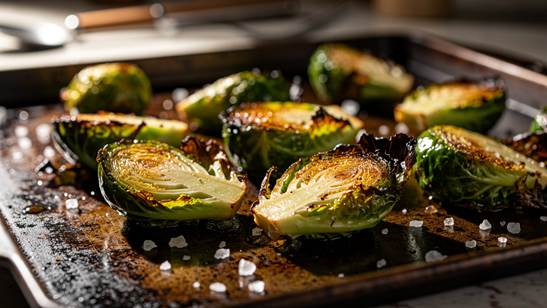
Broccoli, cauliflower, and Brussels sprouts shine in a hot oven. Cut broccoli and cauliflower into similar-sized florets, and trim and halve sprouts so everything cooks at the same pace. At 400°F to 425°F, 20–30 minutes plus one stir is usually enough for golden tips and dark brown edges.
These vegetables start sharp or sulfuric when raw, but roasting pulls out a sweet, nutty flavor that changes minds. Finish with:
- Grated Parmesan, Pecorino, or Gruyère
- A squeeze of lemon or splash of balsamic
- Fresh herbs like parsley
Avoid three common mistakes: crowding the pan, using too little oil, or setting the oven too low. Space, oil, and heat turn these nutrition powerhouses into a star side.
Sweet & Caramelized Root Vegetables: Carrots, Beets & Sweet Potatoes
Carrots, beets, and sweet potatoes are naturally rich in sugars and starch. Roasting concentrates those sugars so the vegetables taste almost candy-like while still bringing fiber and nutrients.
- Cut carrots into coins, batons, or long halves
- Cube or wedge sweet potatoes
- Roast beets whole or in larger chunks
Most roots roast well at 400°F for 30–45 minutes. Light use of honey or maple syrup is optional; the vegetables get sweet on their own. Roasted roots store well for several days and taste good warm, room temperature, or chilled in salads—perfect for meal prep.
Roasted Squash Varieties: From Delicata To Butternut
Winter squash adds a naturally sweet, creamy side to your rotation. Delicata has thin, edible skin, so it needs no peeling. Harder types like butternut or kabocha do need peeling, but reward you with velvety pieces once roasted.
Cut peeled squash into ¾–1 inch cubes, toss with oil, salt, and spices, and roast at 400°F for about 25–35 minutes. Great partners include:
- Warm spices: cinnamon, nutmeg, smoked paprika
- Fresh herbs: sage, thyme, rosemary
- Butter or olive oil for richness
Because hard squashes can be tough to cut, a brief microwave softening (1–2 minutes) can make slicing safer.
Stovetop Excellence: Quick Sautéed & Stir-Fried Sides
When the oven is full—or you just need food fast—the stovetop is your ally. Sautéing uses high heat in a wide skillet with moderate stirring, while stir-frying uses very high heat, smaller pieces, and constant movement, often in a wok.
Both methods cook vegetables in minutes, preserving color, crunch, and many water-soluble vitamins. Prep is everything: wash, dry, and cut vegetables before turning on the burner, and keep seasonings and sauces within reach.
Use stainless steel or cast iron for browning mushrooms, beans, or peppers; non-stick for delicate items or sticky glazes. Neutral, high-smoke-point oils (like avocado or refined canola) handle high heat best. Aim for vegetables that are crisp-tender, not limp.
Mastering Sautéed Mushrooms For Maximum Flavor
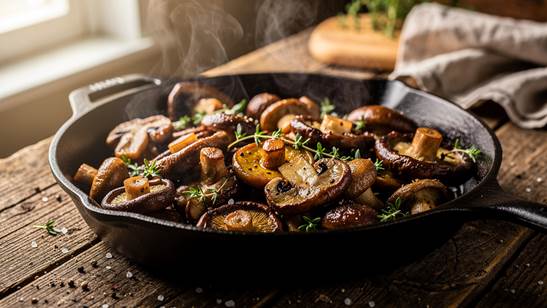
Mushrooms reward patience. Add sliced mushrooms to a hot, oiled pan, spread in a single layer, and do not stir for a few minutes. They release water; once most of it cooks off, you can start stirring so all sides brown.
Season with salt, then add boosters like garlic, thyme, parsley, soy sauce, or a splash of balsamic. Cremini and button mushrooms are ideal everyday choices, while shiitake or maitake give more intensity. Cook until golden-brown for a side that feels almost meaty.
Quick Green Bean Preparations: From Classic To Global
Green beans cook quickly and pair with many flavors. For a crisp-tender texture, sauté for about 8–10 minutes over medium-high heat, stirring so they blister without burning.
Try:
- Lemon-Dijon beans: sautéed beans tossed with lemon juice, Dijon mustard, olive oil, and thyme
- Korean-inspired beans: beans glazed in gochujang thinned with broth, plus sesame oil and sesame seeds
- Classic bacon beans: crisp bacon pieces plus a little rendered fat to coat the beans
Trim stem ends in bundles to speed prep.
Fast-Wilting Leafy Greens & Summer Squash
Kale, chard, and spinach shrink dramatically when cooked, making it easier to eat more mineral-rich greens. Sauté in olive oil with garlic, splash in a little water, cover, then finish with lemon juice or vinegar.
Summer squash (zucchini, yellow squash) cooks fast but can turn watery. Cut into half-moons or spears, cook over fairly high heat, and salt near the end so it does not release water too early. Finish with toasted panko, herbs, and a little cheese for a satisfying texture contrast.
Modern Methods: Air Frying, Grilling & Microwave Steaming
Modern tools make vegetable side dishes faster and easier:
- Air fryer: a compact convection oven that crisps vegetables with very little oil
- Grill or grill pan: adds smoke and char without heavy sauces
- Microwave: surprisingly gentle when used with small amounts of water
These methods often cut cooking time in half and can protect nutrients by avoiding long simmering.
Air Fryer Magic: Crispy Vegetables In Minutes
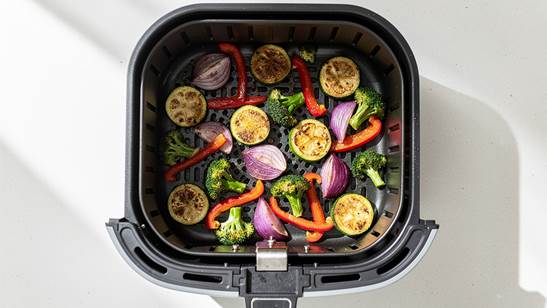
The air fryer is perfect when you crave roasted vegetables but are short on time. At 375°F–400°F, small, evenly cut pieces often crisp in 10–15 minutes.
Steps:
- Toss vegetables with a light coating of oil, salt, pepper, and seasonings.
- Spread in a single layer in the basket.
- Shake once or twice during cooking.
Zucchini, peppers, mushrooms, red onion, broccoli, and cauliflower all work well. Finish with lemon, parsley, or grated Parmesan for a near-roasted texture in a fraction of the time.
Grilling Beyond Corn & Zucchini: Unexpected Vegetables
Grilling gives vegetables a smoky, charred edge that boosts flavor. Beyond corn and zucchini, try tomatoes, onions, peppers, or thick cabbage wedges.
- Preheat the grill and oil both grates and vegetables.
- Use grill baskets or skewers for smaller pieces.
- Cook over medium to medium-high heat for a few minutes per side.
Brush vegetables with oil, garlic, herbs, or a mild vinaigrette while they cook to keep them juicy and flavorful.
Microwave Steaming: The Misunderstood Nutrient-Saver
Used correctly, the microwave can protect nutrients better than long boiling. Place cut vegetables (like broccoli florets or green beans) in a microwave-safe bowl with a couple of tablespoons of water. Cover, cook on high for 2–3 minutes, stir, then continue in short bursts until just tender.
Drain excess water, then toss with quick dressings—sesame oil and soy sauce for broccoli, or cream and garlic for fast creamed spinach. Short times and minimal water help keep color, texture, and vitamins.
Creamy Comfort: Mashed, Puréed & Indulgent Preparations
Creamy vegetable sides bring comfort to the table. With a bit of care, they can feel rich while still fitting into a health-focused pattern.
The keys:
- Control starch and moisture—too much water tastes thin, too much stirring can make potatoes gummy.
- Use warm dairy or broth for smoother mixing.
- Balance rich sides with lean proteins and lighter vegetables on the plate.
From mashed potatoes to cauliflower purée and creamy spinach, these dishes help vegetable-wary eaters relax into greens and roots.
Perfect Mashed Potatoes: Science-Backed Techniques
Start by putting peeled, evenly cut potatoes into cold, salted water, then bring to a gentle boil. This cooks them evenly, inside and out. Drain very well, then return to the warm pot briefly so extra steam escapes.
Use a ricer or hand masher instead of a high-speed mixer to avoid gluey texture. Stir in warm butter and milk or cream just until combined. Add-ons like roasted garlic, chives, cheese, or Greek yogurt can change the flavor profile without sacrificing texture.
Lighter Alternatives: Mashed Cauliflower & Other Options
Mashed cauliflower offers a lighter, lower-carb option with a familiar feel. Steam florets until very tender, drain thoroughly, then purée or mash with a bit of butter or olive oil, salt, pepper, and a splash of milk.
Compared with mashed potatoes, cauliflower mash can significantly cut calories per cup while adding vitamin C and fiber. Garlic, Parmesan, and fresh herbs like chives or parsley make it more inviting. Blends with turnips, celery root, or parsnips add other flavor notes.
Crispy & Textured: Achieving Restaurant-Quality Crunch
Crunch makes vegetables far more appealing. To get that restaurant-style texture at home, focus on:
- Dry surfaces (pat vegetables dry before cooking)
- Enough oil to coat without soaking
- High heat and plenty of space so vegetables brown instead of steaming
Starch (natural or added) helps build a crisp crust; oil conducts heat and adds flavor. Serve crispy sides right away, or reheat on a wire rack in a hot oven or air fryer to restore some crunch.
Crispy Smashed Potatoes & Parmesan-Crusted Variations
For smashed potatoes, boil small potatoes in salted water until just tender. Drain, dry briefly, then place on an oiled baking sheet and press each one gently until flattened but still in one piece.
Brush with oil, season, and roast at 425°F–450°F for 20–30 minutes until deeply browned. For a Parmesan crust, sprinkle grated cheese on the pan before adding potatoes so it melts and crisps into a lacy bottom layer. The result: creamy centers with plenty of crunchy edges.
Crispy Breadcrumb Toppings & Crunchy Finishes
Toasted breadcrumbs are an easy way to add crunch without frying. Toast panko or regular breadcrumbs in a skillet with olive oil or butter until golden, then season with garlic, herbs, salt, pepper, and grated hard cheese.
Sprinkle over sautéed squash, roasted asparagus, steamed broccoli, or creamed spinach just before serving. Store extra toasted crumbs in an airtight container and use within a few days for quick, restaurant-style finishes.
Fresh & Vibrant: No-Cook Salads & Raw Preparations
Raw and lightly dressed vegetables bring brightness and contrast to heavier meals, though research exploring how consumers understand concepts like Healthy but hazy? Consumers’ perceptions of healthy eating shows that making vegetables appealing requires thoughtful presentation and preparation. They are fast—no cooking step—and often deliver high levels of certain vitamins.
Knife work matters: thin slices or shreds feel delicate and absorb dressing quickly, while larger chunks stay extra crunchy. Acids like lemon juice and vinegar help soften firm vegetables a bit, making them easier to chew.
Choose very fresh produce, wash thoroughly, and dry well so dressings cling instead of watering down.
Building The Perfect Simple Green Salad
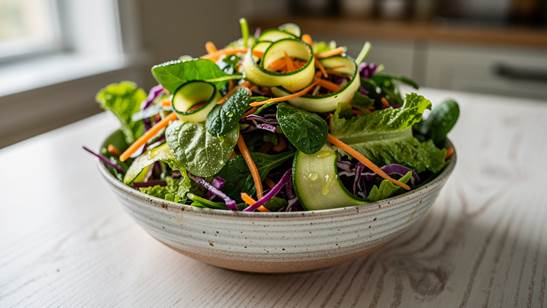
A great green salad starts with a mix of textures. Combine tender leaves (butter lettuce, spring mix) with something crisper (romaine, thinly sliced kale). Wash in cold water, dry in a spinner or towels, and chill until serving.
A classic vinaigrette uses three parts oil to one part acid. Whisk olive oil with lemon juice or vinegar, a little mustard, salt, and pepper, then taste and adjust. Toss greens gently in a large bowl so every leaf gets a light coat.
Crunchy Slaws & Shaved Vegetable Salads
Thinly sliced vegetables make salads that hold up well and soak in flavor. Use a mandoline, food processor, or sharp knife—and always protect your fingers.
Ideas:
- Shaved Brussels sprout salad with olive oil, lemon, salt, pepper, and grated hard cheese
- Classic coleslaw with cabbage, carrots, and a light mayo–yogurt dressing
- Shaved fennel with citrus and vinaigrette
- Cucumber salads with dill and vinegar
Many slaws improve after an hour or two in the fridge, but watery vegetables like cucumbers are best dressed closer to serving.
Globally-Inspired Flavors: International Vegetable Sides
Drawing on global cooking traditions keeps vegetable side dish recipes interesting and broadens your palate.
Each style has its own balance of sweet, salty, sour, bitter, and umami. Once you learn a few flavor patterns, it becomes easier to match sides with mains—even when the main ingredient is just a green bean or potato.
“Good food is very often, even most often, simple food.”
— Anthony Bourdain
Korean-Inspired: Gochujang’s Sweet-Spicy Magic
Gochujang is a Korean chili paste made from fermented soybeans, rice, and red pepper. It brings sweet heat and deep umami all at once.
For green beans or Brussels sprouts:
- Thin gochujang with water, broth, or rice vinegar.
- Quickly sauté or roast the vegetables.
- Toss with the gochujang mixture until glossy.
- Finish with sesame oil and toasted sesame seeds.
Gochujang also works well with cauliflower or sweet potatoes next to grilled tofu, salmon, or chicken.
Indian-Spiced Vegetables: Bombay Potatoes & Beyond
Indian cooking offers countless ideas for spiced vegetables. Bombay potatoes start with parboiled potato chunks finished in a skillet with oil and spices like turmeric, cumin, coriander, and chili.
Bloom spices briefly in hot oil before adding vegetables; this step wakes up fat-soluble flavor compounds. Adjust chili for your heat level, and serve spiced vegetables alongside yogurt, rice, or grilled meats. Spices like turmeric, cumin, coriander, garam masala, and mustard seeds cover many Indian-style sides.
Glazed & Simmered: Sweet-Savory Balance In Vegetables
Glazing gently simmers vegetables in a small amount of liquid, fat, and sweetener until the liquid thickens into a shiny coating. The goal is tender vegetables that keep their shape with just enough sauce to cling.
A basic glaze might include water or broth, butter, a bit of sugar, and salt. Simmer over medium heat, stirring occasionally, until the vegetables are cooked and the liquid reduces.
Classic Glazed Carrots: Technique & Variations
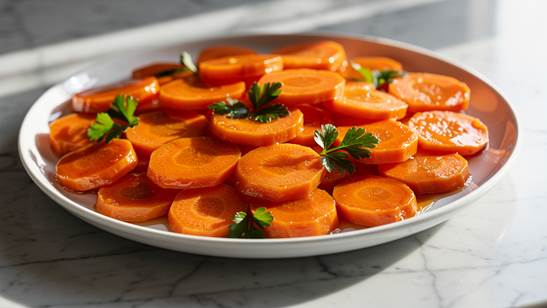
Slice peeled carrots into even coins or sticks. Place in a pan with enough water to come partway up the sides, plus butter, sugar, and salt. Simmer until the carrots are nearly tender and the liquid starts to thicken, then stir gently to coat.
Variations:
- Swap white sugar for honey, maple syrup, or brown sugar
- Add orange juice or vinegar for brightness
- Serve warm, room temperature, or chilled
Glazed carrots fit everything from weeknight dinners to holiday tables.
Sweet And Tangy Preparations: Balancing Flavors
Sweet-and-sour onions and marinated carrots bring both richness and brightness. Slowly cook sliced onions in oil until soft and golden, then add sugar, vinegar, salt, and herbs. Simmer briefly until glossy and thickened.
Copper Penny–style carrots use cooked carrot slices marinated in a tomato-based sweet-and-sour sauce in the fridge. Both dishes can be made ahead and work at various temperatures, making them handy for potlucks and gatherings.
Creative & Stuffed: Vegetables As Edible Vessels
Stuffed vegetables feel like little centerpieces. Using tomatoes, peppers, zucchini, or small squashes as edible bowls adds height and color to the plate while sneaking in more vegetables.
Choose firm vegetables with sturdy walls and scoop out seeds or pulp without piercing the shell. Fill with grains, cheese, herbs, beans, or lean meats. Bake at moderate heat until the vegetable softens and the filling is hot.
Stuffed Tomatoes: Summer’s Edible Bowls
In peak season, firm, ripe tomatoes make beautiful stuffed sides. Slice off a thin “lid,” scoop out seeds and pulp, then lightly salt the inside and let them drain upside down for a few minutes.
Try a filling of:
- Diced mozzarella
- Torn basil
- Garlic
- Breadcrumbs
- Olive oil, salt, and pepper
Bake at 375°F for 20–30 minutes, until the tomatoes soften and the filling bubbles. Variations with quinoa, rice, or beans can turn them into light mains.
Cabbage Steaks & Other Unique Presentations
Cabbage steaks show how a new cut can refresh a familiar vegetable. Slice a head of cabbage into 1-inch rounds, keeping the core to hold them together. Brush with oil, season, and roast at 400°F–425°F for 25–35 minutes until edges are browned and centers are tender.
Other ideas:
- Hasselback potatoes or squash with thin slices that fan and crisp
- Baked or air-fried vegetable “fries” from carrots, parsnips, or zucchini
Use stable cutting boards and slow, steady knife work to keep these cuts safe.
Strategic Recipe Selection: Choosing The Right Side For Your Meal
With so many vegetable side dish recipes available, it helps to think about how the whole plate fits together. Balance:
- Texture (crisp vs. creamy)
- Color (greens, oranges, purples)
- Cooking methods (raw, roasted, steamed)
- Richness (buttery vs. light)
If your main dish is very soft (like stew or creamy pasta), pair it with crisp salads or roasted vegetables with crunchy bits. If the main is fried or very rich, choose simple steamed or raw sides to keep the meal from feeling heavy.
Seasonality is a helpful guide: asparagus and peas in spring, tomatoes and cucumbers in summer, squash and roots in fall and winter.
Pairing Guide: Matching Sides To Main Dishes
Think about your main’s flavor, richness, and texture:
- Grilled chicken: cucumber salad + roasted sweet potatoes
- Grilled fish: lemony green beans + simple green salad
- Red meat or hearty lentil loaves: shaved fennel salad, cabbage slaw, or steamed broccoli with lemon
Color also matters: beige mains look much more appealing with bright vegetables beside them. Combine different textures—like crispy smashed potatoes with tender baked fish—to keep every bite interesting.
Meal Prep & Batch Cooking Strategies
Having vegetable sides ready to go makes healthy eating easier. Good meal-prep candidates:
- Roasted mixed vegetables
- Grain-and-vegetable salads
- Sturdy slaws
- Marinated carrot dishes
Batch-roast trays of vegetables on weekends, cool quickly, and store in shallow containers. Reheat in a hot oven or air fryer to refresh texture. Store dressings separately from salads and slaws until serving. Prepping washed greens, sliced peppers, or trimmed beans in advance shortens weeknight cooking dramatically.
“By failing to prepare, you are preparing to fail.”
— Often attributed to Benjamin Franklin
Essential Tools & Ingredients For Vegetable Side Success
The right tools and pantry staples make cooking vegetable side dishes faster, safer, and more enjoyable. You do not need a full professional kitchen—just a few well-chosen items.
A sharp chef’s knife and large, stable cutting board speed up prep and reduce strain. Heavy rimmed baking sheets support even roasting. One or two good skillets handle most sautéing. An air fryer, microwave-safe bowls, and a grill or grill pan expand your options without requiring a huge kitchen.
At HealthBestFood.com, we recommend building this toolkit gradually and taking care of it with proper cleaning and regular knife sharpening.
Must-Have Kitchen Equipment
Aim for:
- Sharp chef’s knife
- Large cutting board that will not slide
- Rimmed baking sheets
- One or two sturdy skillets (stainless steel or cast iron)
- Medium saucepan for glazing and steaming
- Air fryer (optional but very handy)
- Microwave-safe bowls with lids
- Grill or grill pan and a grill basket
Match pan size to household size, and use a mandoline only with a guard or cut-resistant glove.
Pantry Staples For Quick Vegetable Flavor
A small group of pantry items can turn plain vegetables into full-flavor sides:
- Oils: extra-virgin olive oil, plus a neutral high-heat oil
- Kosher salt and black pepper
- Dried seasonings: garlic powder, onion powder, Italian herbs, smoked paprika, cumin, chili flakes
- Acids: lemons, limes, balsamic, red wine, apple cider, and rice vinegar
- Specialty items: gochujang, soy sauce or tamari, tahini, Parmesan, capers, olives
Store oils away from heat and light, and keep spices sealed. Refresh them regularly so they stay fragrant.
Final thoughts
Moving beyond plain steamed vegetables into roasted, sautéed, grilled, creamy, crunchy, and raw preparations changes how meals feel day to day. With the methods in this guide, vegetable side dish recipes shift from afterthought to highlight.
We covered caramelized roasting, fast stovetop cooking, air fryers and microwaves, mashed and puréed comfort dishes, crisp textures, fresh salads, global spices, glazes, stuffed vegetables, pairing strategies, and essential tools. Mix these methods through the week and you naturally cover a wide range of flavors, textures, and nutrients.
Try one new method from this guide with tonight’s dinner, then add another next week. Over time, you may find that the vegetable side of the plate becomes the part everyone looks forward to most.