

Picture a crock of bubbly sauerkraut on a farmhouse table. That same old-fashioned food now shows up in research papers, where scientists test the real benefits of fermented foods for gut health, immunity, and more. Old kitchen skills meet lab data, and the result sits right on the plate.
Across the US, more people care about digestion, bloat, energy, and mood than ever before. Many want natural options that fit into normal meals instead of another pill. That is where fermented foods such as yogurt, kefir, kimchi, and sauerkraut earn a fresh look not just for flavor, but for measurable health impact.
Fermentation is a controlled process where friendly microbes change sugars and starches into acids and gases—a transformation that creates fermented foods as functional ingredients with measurable health benefits. That shift preserves food, adds tangy flavor, and creates helpful compounds plants or milk did not contain at the start.
In this article, we walk through eleven proven health benefits of fermented foods, from smoother digestion and better nutrient absorption to heart, brain, and immune support. You will also find simple ways to add them to breakfast, lunch, and dinner without extra stress.
1. Fermented Foods Dramatically Improve Your Gut Health and Digestion
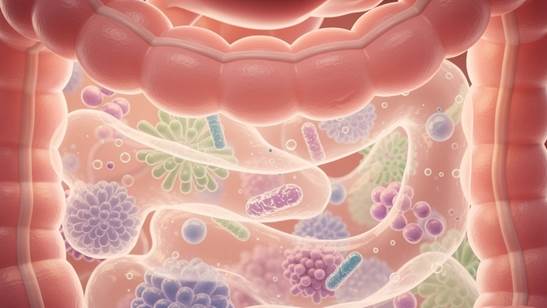
When people talk about the main benefits of fermented foods, gut health tops the list. The digestive tract holds close to one hundred trillion microbes that help break down food, absorb nutrients, and protect the body. A balanced mix of bacteria and yeast there sets the stage for almost every other benefit in this article.
Fermented foods act as a major dietary source of probiotics, the live, friendly microorganisms that support this internal community. When we eat yogurt, kefir, kimchi, or sauerkraut, we send new helpers into the gut that support existing good bacteria and raise microbial variety. A typical modern diet high in refined grains, sugar, and ultra-processed items can thin out helpful microbes; antibiotics and low-fiber eating add to that strain.
Regular intake of fermented foods helps:
- Support a thicker, more resilient gut lining
- Lower the risk of “leaky gut”, where tiny particles slip into the bloodstream and trigger immune alarm
- Improve bowel regularity and reduce gas, bloating, and discomfort for many people
For someone new to these foods, it makes sense to begin with small amounts. A spoonful of sauerkraut or a few sips of kefir may cause a bit more gas at first as microbes shift inside the gut. This usually settles as the new bacteria find their place, and many people then notice smoother digestion and less heaviness after meals.
“All disease begins in the gut.” — Hippocrates
While the quote is an overstatement, modern research strongly supports the idea that gut health influences nearly every system in the body.
2. They Significantly Boost Your Immune System Function
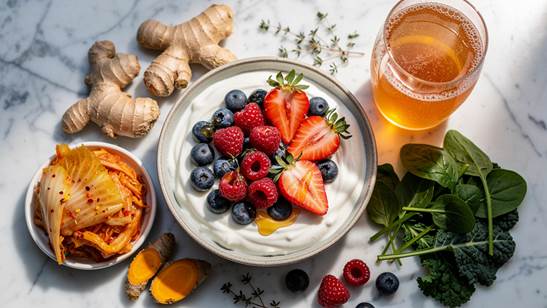
Another core benefit of fermented foods shows up in immune function. Around 70–80% of immune cells live in or near the gut, sitting just behind the gut lining and watching what comes in.
A healthy microbiome acts like a training ground for these cells. Friendly microbes teach immune cells to stay calm around harmless food particles and normal bacteria while staying alert to real threats such as viruses or dangerous pathogens. When we eat probiotic-rich fermented foods, we support a wide mix of microbes that keep this training process on track.
Research links higher intake of fermented foods with:
- Fewer common infections such as colds in some groups
- Milder symptoms when infections do occur
- A more balanced immune response, with less risk of overreaction
By making yogurt, kefir, kimchi, or tempeh part of regular meals, we add a natural line of support that works quietly in the background. Fermented foods are not quick medicine, but as part of a daily pattern, they help keep the immune system steady rather than on constant high alert.
3. Fermented Foods Are Powerful Anti-Inflammatory Agents
Chronic, low-grade inflammation underlies many health problems, including obesity, type 2 diabetes, heart disease, and some brain conditions. Instead of a sharp response to injury, this kind of inflammation smolders over months or years and wears down tissues.
When harmful microbes gain ground in the gut, they produce toxins and irritants that can weaken the intestinal barrier. Small bits of bacteria and food slip through and spark ongoing immune reactions. Fermented foods help by:
- Shifting the balance toward friendly bacteria that crowd out troublemakers
- Supporting microbes that produce calming compounds such as short-chain fatty acids (SCFAs)
- Contributing bioactive molecules that send “cool down” signals through the body
Clinical research shows that people who add fermented foods to their usual diet often see lower levels of inflammatory markers in blood tests. Over time, less inflammation can show up as better joint comfort, clearer skin, and steadier energy. Fermented foods fit well within an anti-inflammatory eating style rich in vegetables, whole grains, nuts, seeds, and modest sugar intake.
4. They Improve Nutrient Absorption and Bioavailability
Nutrition labels tell only part of the story. Two foods may list the same mineral content, yet the body absorbs very different amounts. That ease of uptake is called bioavailability, and it is another area where the benefits of fermented foods stand out.
Many plant foods, especially grains and legumes, contain anti-nutrients such as phytic acid. These bind minerals like iron, zinc, magnesium, and calcium so tightly that the gut cannot absorb them well. The microbes responsible for fermentation break down some of these binders, freeing minerals for easier uptake.
During fermentation, microbes also create enzymes that help digest starches, proteins, and fats. For example:
- Tempeh starts as soybeans, which can be hard to digest for some people, yet after fermentation the texture softens and nutrients become more accessible.
- Sourdough bread is often better tolerated than standard white bread because fermentation changes the dough in ways that support digestion.
For people with mild digestive trouble or low mineral levels, this boost in absorption can matter as much as the total nutrient amount on paper. Choosing fermented versions—such as yogurt instead of sweet puddings, or tempeh instead of plain tofu—often means getting more from every bite.
5. Fermented Foods Synthesize Essential Vitamins Your Body Needs
Fermentation does not only protect nutrients; it can also create new ones. This is one of the most interesting benefits of fermented foods and a key reason they help fill common nutrient gaps.
Lactic acid bacteria that drive many vegetable and dairy ferments produce several B vitamins as part of their normal activity, including:
- Vitamin B1 (thiamin) and B2 (riboflavin) for energy production
- Vitamin B9 (folate) for nervous system health and red blood cell formation
Some fermented vegetables and traditional foods, such as certain kimchi preparations, show small but measurable vitamin B12 content, which is rare in standard plant foods. While these are not reliable as the only B12 source—especially for vegans—they can be a helpful addition.
Certain fermented foods, such as natto and some long-aged cheeses, also contain vitamin K2, which helps guide calcium into bones instead of soft tissues. By turning simple cabbage, soybeans, or milk into nutrient-dense staples, fermentation raises the nutritional value of everyday ingredients and supports a food-first approach to vitamin intake.
6. They Produce Powerful Bioactive Compounds That Protect Your Health
Beyond probiotics and basic vitamins, fermented foods hold a wide range of bioactive compounds with direct effects on health. These substances form when microbes break down proteins, fats, and sugars during fermentation and often do not appear in the raw food at all.
Examples include:
- Conjugated linoleic acids produced by certain lactic acid bacteria, studied for their influence on fat metabolism and heart markers
- Exopolysaccharides, complex carbohydrates that act as prebiotics and help feed beneficial gut bacteria
- Bacteriocins, natural antimicrobial peptides that keep harmful bacteria in check
- Bioactive peptides with antioxidant, anti-allergenic, or blood pressure–lowering properties
A key point from current science is that many of these helpful compounds remain even when products are pasteurized. The live microbes may not survive heat, but their postbiotic products stay in the food and still interact with the body. Both raw and pasteurized fermented foods, therefore, bring real value, though in slightly different ways.
7. Fermented Foods Support Heart Health and Cardiovascular Function
Heart disease remains one of the top health concerns for adults in the US, so daily habits that support the heart deserve attention. Fermented foods help through several pathways tied to blood pressure, cholesterol, and artery health.
Some strains of lactic acid bacteria in fermented dairy and soy foods produce peptides that act similarly to mild natural blood pressure drugs. They help blood vessels relax and widen, easing pressure on the heart. Studies connect regular intake of certain fermented milks with modest drops in both systolic and diastolic readings.
Probiotic bacteria can also change how the body handles cholesterol by:
- Binding some cholesterol in the gut so it leaves the body
- Shifting bile acid metabolism in ways that lower total and LDL (“bad”) cholesterol
At the same time, the anti-inflammatory effects of fermented foods reduce stress on artery walls. Kimchi, kefir, tempeh, and traditional fermented soy pastes fit well into a heart-supportive eating pattern rich in vegetables, fruits, whole grains, and healthy fats.
8. They Help Regulate Blood Sugar and Support Metabolic Health
Blood sugar swings can leave a person tired, hungry, and at higher risk for long-term problems such as type 2 diabetes. The gut microbiome plays a major role in how the body handles glucose, and here again the benefits of fermented foods come into view.
Greater variety in gut microbes links to better insulin sensitivity and more stable blood sugar after meals. Probiotics from fermented foods help build this variety. Studies show that fermented dairy and some fermented soy foods can:
- Reduce post-meal blood sugar spikes
- Support better fasting glucose values
- Improve markers of insulin action in some groups
During fermentation, microbes create compounds such as short-chain fatty acids that signal cells involved in metabolism. Some fermented foods also have a lower glycemic impact than their non-fermented versions.
As a practical step, pairing higher-carb foods with a serving of yogurt, kefir, tempeh, or kimchi can smooth the blood sugar response. For example, a grain bowl with kimchi or a snack of fruit with plain yogurt offers more than flavor contrast; with regular habit, these small choices support better metabolic health.
9. Fermented Foods Support Mental Health and Brain Function
The idea that gut health affects mood and brain function may sound odd at first, yet science now backs this link. The gut and brain talk constantly through nerves, hormones, and immune signals, often called the gut–brain axis. Microbes in the gut help guide that conversation.
Gut bacteria produce many of the same neurotransmitters the brain uses, including serotonin, dopamine, and GABA. These chemicals affect mood, focus, stress levels, and sleep quality. By feeding our gut helpful microbes through fermented foods, we support a chemical environment that may ease anxious or low moods.
Research connects higher intake of fermented foods with lower rates of anxiety and depression symptoms in some groups. The anti-inflammatory effect also matters here because chronic inflammation has clear ties to mental health conditions and cognitive decline.
“The food we eat is the single biggest influence on the gut microbiome.” — Justin Sonnenburg, PhD, Stanford University
Fermented foods are not a stand-alone treatment for serious mental health issues, but they fit well into broader care that may include therapy, medication, movement, and sleep support. From a day-to-day view, a regular bowl of yogurt, a glass of kefir, or a side of kimchi is an easy way to support both gut and mind.
10. They Provide Natural Food Preservation With Added Health Benefits
Long before refrigerators, fermentation helped families keep vegetables, dairy, and even fish safe to eat for months. Microbes convert sugars into lactic acid and other compounds that lower pH and make conditions harsh for harmful bacteria. This natural barrier slows spoilage and food poisoning.
A head of fresh cabbage might last a couple of weeks, while sauerkraut from that same cabbage can stay tasty for months when stored properly. The same idea applies to fermented pickles, miso, and many traditional condiments. This extended shelf life helps reduce food waste and makes it easier to keep nutrient-rich side dishes on hand.
Unlike many modern preservation methods, fermentation tends to raise rather than lower nutritional value. Vitamins stay stable or even increase, and new bioactive compounds form. By leaning on fermented foods, households gain both convenience and extra health support without added chemicals.
11. Fermented Foods Are Incredibly Versatile and Delicious
For all the science behind them, fermented foods also shine in the kitchen. They bring layers of flavor—deep umami, bright tang, gentle fizz—that simple seasoning cannot match. That makes meals more satisfying and keeps healthy eating from feeling bland.
There is a style for nearly every taste:
- Mild, creamy options: plain yogurt, kefir, some fresh cheeses
- Sharper flavors: sauerkraut, kimchi, miso, tempeh, natto
- Fizzy drinks: kombucha as an alternative to soda
If strong flavors feel like a stretch, gradual steps help. Stir a spoonful of sauerkraut into a salad instead of piling it on a hot dog, or blend kefir into a smoothie with fruit for sweetness. As taste buds adapt, many people start to crave the tang that once seemed odd.
Traditional cuisines around the world rely on fermented foods, from Korean kimchi and German sauerkraut to Japanese miso and Mexican escabeche. When we borrow from these traditions, we gain both flavor and function—foods that taste good enough to keep in our routine.
How to Choose the Best Fermented Foods at the Store
Walking through a grocery aisle can be confusing, since many jars and bottles mention fermentation somewhere on the label. Yet not every product offers the full benefits of fermented foods. A few simple checks help sort out the best options.
Look for:
- Phrases such as “naturally fermented,” “live cultures,” or “contains probiotics”
- Short ingredient lists with items like vegetables, water, salt, and spices
- Placement in the refrigerated section for products that rely on live cultures
Shelf-stable pickles and sauerkraut on the dry-goods aisle often rely on vinegar instead of microbial activity and may not hold living probiotics.
Sodium content also deserves a glance, especially for people watching blood pressure. Some kimchi and pickled vegetable brands pack in a lot of salt, while others use smaller amounts. Comparing labels lets shoppers pick products that fit both taste and health needs.
Price can vary widely. Large tubs of plain yogurt or big jars of sauerkraut often cost less per serving than small single-serve packages.
Understanding Raw vs. Pasteurized Fermented Products
Many shoppers wonder whether they should only buy raw fermented foods. Pasteurization uses heat to kill microbes and improve safety and shelf life, which does remove live probiotic cultures from the final food. At first glance, that can sound like a full loss of benefits.
However, the helpful acids, peptides, and other bioactive compounds made during fermentation remain in pasteurized products. These postbiotic substances still support digestion, immune function, and heart health. Raw fermented foods offer both live probiotics and postbiotics, while pasteurized items still count as smart additions.
Labels usually state whether a product is raw or pasteurized, so it is easy to include a mix across the week. Raw sauerkraut one day and pasteurized miso soup the next both count as positive steps and broaden flavor options.
What to Know About Fermented Foods That Do Not Contain Live Cultures
Some well-known foods start with fermentation but finish without live microbes in the final bite. Many cheeses, sourdough bread, beer, and wine fall into this group. They go through fermentation for flavor and texture, then further processing such as baking, aging, or filtering removes or kills active cultures.
These foods still offer nutritional and cultural value. Sourdough bread, for example, often feels easier on digestion than standard white bread because fermentation changes the dough before baking. Yet it does not provide probiotics in the same way as yogurt or kimchi.
We can enjoy these items as part of a balanced diet, while looking to yogurt, kefir, sauerkraut, kimchi, natto, and raw pickles for direct probiotic input.
Simple Ways to Incorporate Fermented Foods Into Your Daily Diet
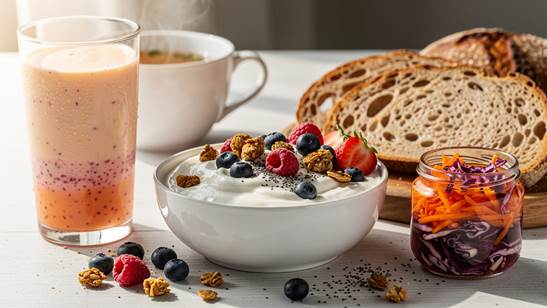
Knowing the benefits of fermented foods only helps if we actually eat them. The good news is that they slide into normal meals with very little fuss. A gentle start works best, especially for those new to high-probiotic foods.
A simple approach:
- Begin with 1–2 tablespoons of sauerkraut or kimchi, or a few ounces of kefir per day.
- Over a week or two, move toward 1–2 full servings daily (for example, 1 cup of yogurt or kefir, ½ cup of kimchi or sauerkraut, or 4–8 ounces of kombucha).
- Pay attention to how your body feels and adjust slowly.
Easy ideas for adding fermented foods:
- Breakfast:
- Plain yogurt topped with fruit, nuts, and seeds
- Kefir blended into a berry smoothie
- Light miso stirred into hot water or broth for a warming soup
- Lunch and Dinner:
- Sauerkraut or kimchi alongside grain bowls, salads, tacos, or sandwiches
- Tempeh as the main protein in stir-fries, sheet-pan meals, or pasta dishes
- Kombucha as a fizzy drink in place of soda
Making Fermented Foods at Home Is It Worth It?

Home fermentation can look intimidating, yet the basic steps are simple and safe when we follow time-tested guidelines. Many people find that homemade sauerkraut, pickled carrots, or yogurt taste better and cost less than store brands.
You do not need fancy gear. A clean glass jar, non-iodized salt, and filtered water cover many vegetable ferments. For basic sauerkraut, shredded cabbage mixed with salt in a jar and kept under its own liquid can turn into a tangy side dish within a week.
Home fermentation offers:
- Control over ingredients, including salt level and spices
- Lower packaging waste and fewer store trips
- Custom flavors that match family preferences
Addressing Common Concerns and Myths About Fermented Foods
A few persistent myths keep people from taking full advantage of fermented foods.
Common misunderstandings include:
- “All pickled foods are probiotic.”
Most shelf-stable pickles use vinegar, which preserves flavor and crunch but does not supply live cultures. Only vegetables that sit in a salt-and-water brine and bubble over days from natural fermentation hold living microbes. - “You need huge amounts for benefits.”
In reality, small, regular servings matter more than rare big portions. One or two modest servings per day, spread through the week, offer steady support without overwhelming the gut. - “Fermented foods are unsafe.”
When prepared and stored with proper salt levels and clean equipment, they have a long track record of safety and even protect against harmful bacteria. The real concern is often sodium for people with high blood pressure, so rinsing very salty products or choosing lower-salt brands is helpful.
Strong flavors, new textures, and higher prices can also feel like barriers. Gradual introduction, mixing small amounts into familiar dishes, and trying budget-friendly staples such as plain yogurt make the shift easier. Research on fermented foods continues to grow, and while they are not a cure for every health issue, they stand as a solid, evidence-backed addition to a balanced eating pattern.
Final thoughts
Fermented foods show how old kitchen methods can align with modern health goals. From smoother digestion and a stronger gut lining to better immune balance, lower inflammation, heart support, steadier blood sugar, and even mental health benefits, the proven benefits of fermented foods touch almost every system in the body.
These gains do not require major changes. A cup of yogurt at breakfast, a spoonful of kimchi with lunch, or a glass of kefir after dinner can fit into nearly any routine. Over weeks and months, those steady habits help shape the microbiome and quietly support long-term health.