

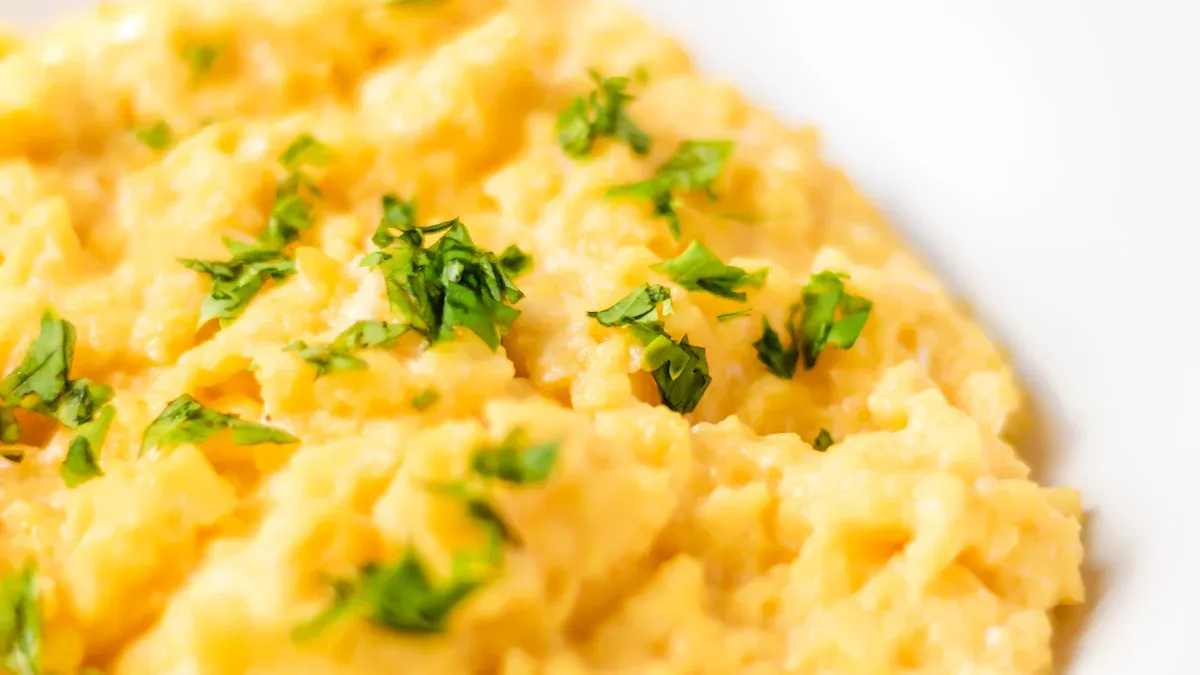
Making scrambled eggs at home is simple and quick. You just need a few basic items from your kitchen. Did you know almost half of people in a 2023 survey said they prefer scrambled eggs?
45% of over 17,000 participants picked scrambled eggs as their favorite.
Younger folks in big cities often try plant-based eggs, while older adults and people in small towns stick to classic eggs.
Age Group | Preference for Plant-Based Eggs | Region |
|---|---|---|
18–34 | Higher likelihood | Metropolitan areas |
35–54 | Higher likelihood | Northeast U.S. |
55 and older | Lower likelihood | Non-metropolitan areas |
If you want to learn how to make scrambled eggs, you are in the right place.
Key Takeaways
Use three large eggs and a splash of milk or water for fluffier scrambled eggs. Adjusting the liquid changes the texture.
Cook scrambled eggs on medium heat and remove them from the pan before they look fully done. This prevents overcooking and keeps them creamy.
Customize your scrambled eggs with ingredients like cheese, herbs, or veggies to enhance flavor and nutrition.
Ingredients and Tools
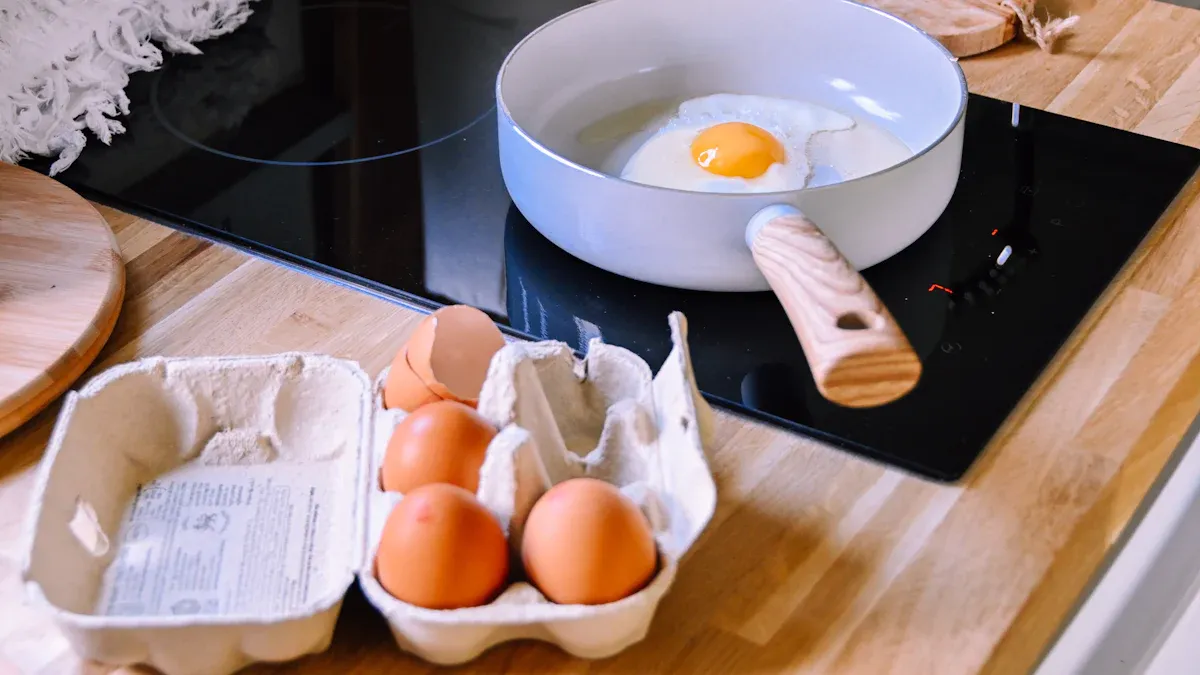
Ingredients for Scrambled Eggs
You only need a few simple ingredients to make scrambled eggs at home. Here’s what you’ll want to have ready:
3 large eggs
1 teaspoon of milk or water
Butter or olive oil
Salt
Pepper
If you want to boost nutrition, you can choose free-range or organic eggs. These eggs often have more Vitamin E and omega-3s. They also tend to have a smaller carbon footprint compared to regular eggs.
Tip: The type of liquid and fat you use changes the texture and flavor of your scrambled eggs. Milk adds creaminess, while water makes the eggs lighter. Olive oil gives a fluffy, tender result, and butter brings a rich taste.
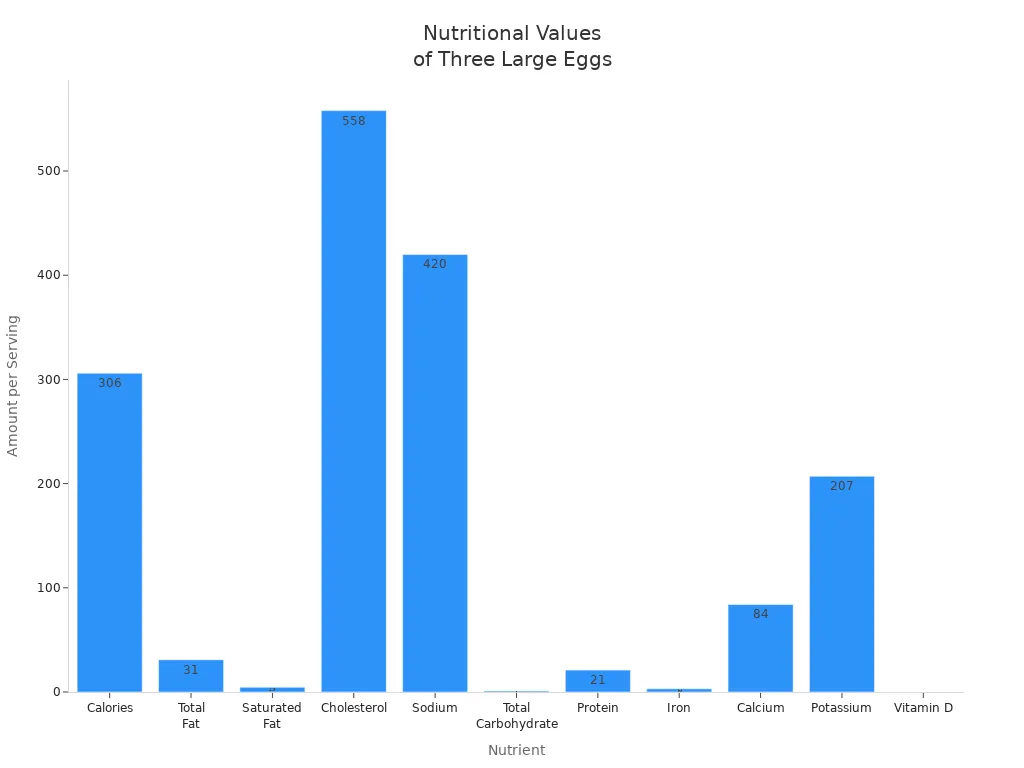
Here’s a quick look at the nutrition you get from three large eggs:
Nutrient | Amount per Serving | % Daily Value* |
|---|---|---|
Calories | 306 | – |
Total Fat | 31g | – |
Saturated Fat | 4.5g | – |
Cholesterol | 558mg | – |
Sodium | 420mg | – |
Total Carbohydrate | 1g | – |
Protein | 21g | – |
Iron | 3mg | – |
Calcium | 84mg | – |
Potassium | 207mg | – |
Vitamin D | 0 | – |
Tools You Need
You don’t need fancy equipment to make scrambled eggs. These basic tools will help you get the best results:
Non-stick skillet: This pan keeps eggs from sticking and makes cleanup easy.
Spatula: The type of spatula you use can change the size of the egg curds. A quick, small motion gives you creamy eggs, while bigger sweeps make fluffier eggs.
Medium bowl: Use this to whisk your eggs before cooking.
Note: Non-stick skillets work best for scrambled eggs because they let the eggs slide around easily. This helps you get soft, tender eggs every time.
How to Make Scrambled Eggs
Whisking the Eggs
You start by cracking three large eggs into a medium bowl. Add one tablespoon of milk or water for each egg. This step helps you get lighter, fluffier scrambled eggs. Some chefs say you should avoid adding liquid, but many agree that a tablespoon per egg gives you the best texture.
Mendenhall argues that while ‘Some chefs will caution you against adding water or dairy products for various reasons—runniness, compromising flavor, etc.—you can achieve lighter, fluffier scrambled eggs by adding a tablespoon of water or milk per egg into your mixed liquid eggs before you start to cook them.’
Sprinkle in a pinch of salt and a dash of pepper. Grab a whisk or fork and beat the eggs until the yolks and whites blend together. You want a smooth, even yellow color with no streaks or clear spots. Whisking for a few minutes works well. If you let the mixture sit for five to ten minutes, you can get an even softer texture.
If you use fresh eggs, you notice firmer whites and taller yolks. These eggs make scrambled eggs fluffier. Older eggs have thinner whites and milder flavor, so you may need to adjust your whisking.
Cooking Scrambled Eggs
Set a non-stick skillet on the stove. Turn the heat to medium. Drop in a small pat of butter or pour in a little olive oil. Let it melt and coat the pan.
Pour your whisked eggs into the skillet. Wait a few seconds, then use a spatula to gently stir the eggs. Move the spatula in small circles or sweeps. Stirring often gives you creamy scrambled eggs. If you want bigger curds, use slower, wider motions.
Cooking scrambled eggs at the right temperature keeps them soft and safe to eat. Medium heat works best. High heat can make the eggs tough and dry, and it may lower their nutritional value.
Cooking Method | Ideal Temperature (°F) | Notes |
|---|---|---|
Scrambled Eggs | 144-158 | Cook until whites are completely set, yolks thicken. |
You want the eggs to thicken and lose their shine. They should look moist but not runny. If you see liquid pooling in the pan, keep stirring a bit longer. Scrambled eggs should not be browned or dry.
Sign of Properly Cooked Scrambled Eggs | Description |
|---|---|
Moist and not browned | The eggs should retain moisture without being overcooked or browned. |
No excessive liquid | Properly cooked eggs will not expel excessive liquid onto the plate. |
Thickened with no visible liquid | The eggs should be thickened, and there should be no visible liquid egg remaining. |
Timing matters. Scrambled eggs cook fast, usually about a minute per egg. Remove the pan from the heat when the eggs look slightly underdone. The heat from the pan finishes cooking them. If you wait until the eggs look fully set, they may turn dry and spongy.
Scrambled eggs should be taken off the heat before they look fully cooked to avoid overcooking.
They will continue to set after being plated, ensuring they reach the desired texture without becoming dry.
Chef Mendenhall suggests removing the eggs from heat ‘one level’ below where you want them to finish cooking to avoid overcooking.
It’s acceptable for the eggs to look slightly runny when removed, as the pan’s residual heat will finish cooking them.
Chef Nelson Serrano-Bahri recommends transferring the eggs to a plate immediately after removing them from heat to prevent drying out.
Serving
Spoon the scrambled eggs onto a plate right away. Season with a little sea salt and black pepper. You can add other toppings if you like. Try fresh herbs, shredded cheese, or a sprinkle of chili powder for extra flavor.
Salt and pepper bring out the taste of scrambled eggs.
Onion powder and garlic powder add savory depth.
Chili powder or cayenne pepper give a spicy kick.
Thyme, oregano, and basil add a fresh touch.
Hot sauce gives heat and acidity.
Scrambled eggs taste best when served warm and fresh. You can eat them alone or with toast, avocado, or cooked vegetables.
Most people finish making scrambled eggs in about twenty minutes.
Activity | Time |
|---|---|
Prep Time | 5 min |
Cook Time | 15 min |
If you want to know how to make scrambled eggs that are safe, always cook them until they are set and not runny. Undercooked eggs can cause stomach problems. Home safety reports show that improper cooking and holding temperature can lead to illness.
Incident Date | Number of Victims | Symptoms | Cause of Incident |
|---|---|---|---|
May 2019 | 7 | Abdominal pain, vomiting, diarrhoea, fever | Improper cooking and holding temperature |
June 2019 | 40 | Abdominal pain, vomiting, diarrhoea, fever | Improper cooking and holding temperature |
Now you know what steps to follow to make scrambled eggs at home. You can change the texture and flavor by adjusting how you whisk, stir, and season your eggs. Try different methods and see what you like best.
Scrambled Eggs Tips and Variations
Scrambled Eggs Tips
Want to know what makes perfect scrambled eggs? Try these scrambled eggs tips from top chefs and food scientists:
Add a splash of water for lighter, fluffier eggs. Heavy cream gives a rich, silky texture.
Turn off the heat just before the eggs look done. The pan’s warmth finishes the cooking and keeps your eggs creamy.
Stir in 30-second intervals on and off the heat, like Gordon Ramsay does, for great scrambled eggs every time.
Use clarified butter for a deep, rich flavor.
Try a “figure eight” stir to cook eggs evenly and keep them soft.
Water spreads out the proteins in eggs, so you get more volume and a fluffier bite. Cream makes the eggs taste extra luscious.
Common Mistakes
You might wonder what can go wrong when you make scrambled eggs. Here are the most common mistakes and how to avoid them:
Cracking eggs on sharp edges can leave shell bits in your scramble.
Not whisking long enough leads to uneven eggs.
Cooking on high heat dries out the eggs and makes them rubbery.
Overcooking eggs until they look fully set can ruin the texture.
Using too little fat or skipping the non-stick pan can cause sticking and breakage.
Gordon Ramsay suggests adding a spoonful of crème fraîche just before serving. This cools the eggs and stops overcooking.
Easy Variations
What can you add to scrambled eggs for extra flavor or nutrition? Here are some easy ideas:
Cheese: Cheddar, goat cheese, or Gruyere.
Fresh herbs: Chives, dill, or parsley.
Veggies: Spinach, tomatoes, or kale.
Protein: Bacon bits, smoked salmon, or sausage.
Spicy: Hot sauce, salsa, or fresh chiles.
Add-In | Calories | Protein | Fats | Carbs |
|---|---|---|---|---|
Cheese & Herbs | 335 | 25g | 25g | 2g |
Veggies | 352 | 11g | 28g | 20g |
You can make scrambled eggs your own by mixing in your favorite ingredients. That’s what makes great scrambled eggs so fun to cook!
You can make scrambled eggs at home for an easy breakfast that fits your taste.
Regular practice helps you build skills, boosts confidence, and supports healthy eating.
Cooking at home brings satisfaction, reduces stress, and helps you connect with others.
Customizing your eggs keeps meals fun and supports a balanced diet. Enjoy every bite!
FAQ
What makes scrambled eggs fluffy?
You get fluffy eggs when you whisk well and add a splash of water or milk. Cooking on medium heat helps keep them light and soft.
What can you add to scrambled eggs for more flavor?
Try cheese, fresh herbs, or cooked veggies. You can also sprinkle in spices like paprika or chili powder for a tasty twist.
What should you do if your scrambled eggs turn out dry?
Take the eggs off the heat sooner next time. You can also add a little butter or cream at the end to help keep them moist.