

A good 0 Calorie Sweetener should fit the routine, not complicate it. I rely on sweetness strength, taste, dissolving behavior, packaging, and baking performance to separate convenient drink packets from bulk sweeteners made for regular kitchen use. The seven choices below cover quick daily coffee, tea, cereal, baking, and high-volume food preparation, with honest trade-offs for each format.
The Lineup, Simplified
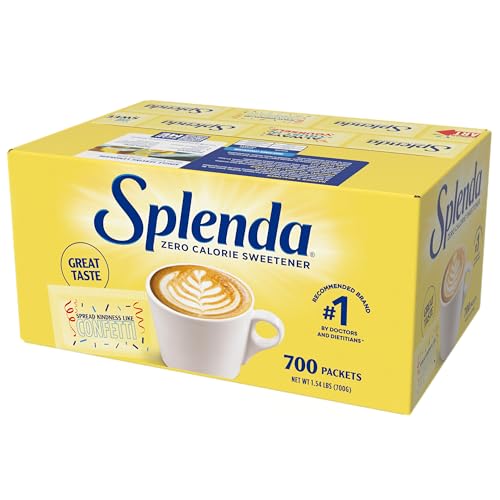
SPLENDA 700 Count Sweetener Packets
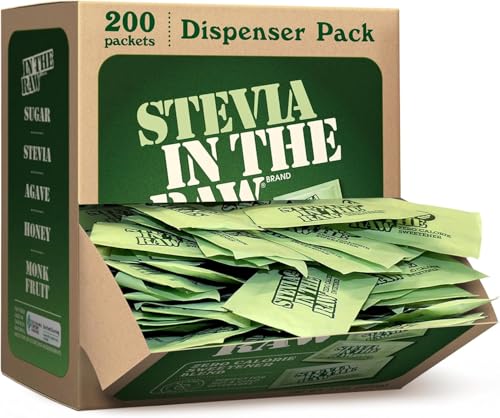
IN THE RAW Stevia Packets, 200 Count

Pure Via Stevia Packets, 800 Count

Morning Pep Allulose Sweetener, 4 lb
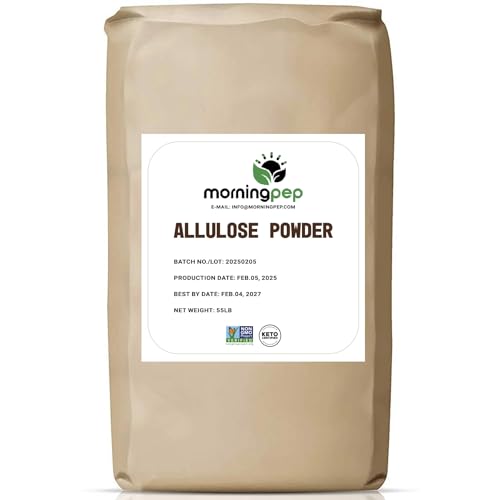
Morning Pep Allulose Sweetener, 55 lb

Whole Earth 100% Erythritol Sweetener, 16 oz

NuNaturals White Stevia Powder, 12 oz
The Picks, Examined More Closely
I find SPLENDA most useful during a rushed morning routine, where carrying a loose powder or jar adds one more thing to remember. Each packet supplies sweetness equivalent to two teaspoons of sugar, which gives me a familiar reference point for coffee, tea, and baking without estimating a scoop.
The 700-count pack is built for steady household use rather than an occasional treat. Compared with the stevia packets later in the lineup, this sucralose-based option prioritizes convenience and portion control, although taste preference remains personal.
What Earns Its Place
- Single packets prevent measuring and spilling at the coffee station.
- The 700-count format suits offices, shared kitchens, and frequent drink use.
- Each packet offers a clearly stated sugar-equivalent amount.
- Domestic production may appeal to households prioritizing American-made pantry goods.
Worth Noting
- The sucralose profile may not satisfy people who prefer plant-derived stevia flavor.
- Loose packets can disappear into a desk drawer, so storage needs a dedicated spot.
- Individual packets create more packaging waste than a jar or pouch.
Key Specs
Who Will Love This
I recommend it for busy coffee and tea drinkers who value predictable packets and simple portioning.
Another Choice May Suit
IN THE RAW Stevia Packets, 200 Count may suit households that prefer stevia and a formula without erythritol.
IN THE RAW shifts the emphasis from sucralose to stevia leaf, a plant-based source of sweetness. I see that distinction as the main reason to choose it, especially for people avoiding erythritol or preferring a straightforward leaf-based ingredient list.
The packets suit coffee, tea, and other everyday drinks, but the 200-count supply is smaller than Pure Via’s 800-packet format. In my view, that makes this a sensible first format to compare for a smaller household or occasional desk supply.
Positive Points
- Made from stevia leaves rather than an erythritol-based blend.
- Individual packets simplify travel cups, lunchboxes, and shared drink stations.
- The plant-based sweetener offers a different taste profile from SPLENDA.
Small Caveats
- Stevia can leave a distinctive taste that varies across brands and palates.
- The smaller count may run out faster in a high-use household.
- Loose packets require a dry storage area away from spills and moisture.
Made For
I favor it for drink-focused households seeking stevia without erythritol or added flavoring.
A Better Fit Elsewhere
Pure Via Stevia Packets, 800 Count may suit heavier packet users who prefer a much larger pantry supply.
Pure Via turns the packet format into a high-volume pantry staple. I can see the appeal for an office kitchen or a household that sweetens several hot and cold drinks each day, particularly because each packet has a stated sugar-equivalent amount.
Its dissolving behavior makes it more useful beyond plain coffee, including iced tea and cereal. Compared with IN THE RAW Stevia Packets, 200 Count, the larger count reduces restocking pressure, though the savings from bulk volume can also make a spilled packet feel more costly.
Everyday Advantages
- The 800 packets support frequent use without frequent replenishment.
- Quick dissolution suits both hot and cold beverages.
- A two-teaspoon sugar reference helps me gauge sweetness.
- Packet portions work across drinks, cereal, and other foods.
Practical Considerations
- Stevia taste may be too noticeable for people who prefer a neutral sweetener.
- Loose packets can clutter drawers, travel cups, and cupboards.
- Bulk packet packaging creates more material than a filled powder container.
Feature Snapshot
Built With In Mind
I recommend it for frequent coffee and tea drinkers who consume packets faster than smaller boxes allow.
Look Elsewhere When
NuNaturals White Stevia Powder, 12 oz may fit adjustable portions better than premeasured packets.
Morning Pep changes the format from individual packets to a 4-pound bag of allulose, a sugar alternative associated with a texture closer to sugar in baking. I see this as the more useful option for recipes, sauces, and repeated kitchen preparation, especially for people avoiding erythritol.
The container size may demand careful storage in a dry pantry, and the bulk format offers little benefit for someone who only sweetens one drink each morning. Compared with Whole Earth’s erythritol, the ingredient choice is the decisive distinction.
Positive Takeaways
- The 4-pound supply supports repeated baking and meal preparation.
- The formula contains no erythritol or listed filler ingredients.
- Allulose is positioned for beverages, baking, and everyday food use.
- OU kosher and Non-GMO Project verification provide stated sourcing details.
Possible Compromises
- The bag is excessive for light household use.
- Moisture exposure can make a large bag harder to keep fresh.
- Baking results still depend on recipe structure and proper measurement.
Core Details
The Right Fit
I recommend it for home bakers who need a larger allulose supply and avoid erythritol.
Consider Something Else When
Whole Earth 100% Erythritol Sweetener, 16 oz may suit bakers seeking a smaller single-ingredient erythritol bag.
The 55-pound Morning Pep bag serves a dramatically different need from the 4-pound version. I associate this scale with a busy production kitchen, large household, or baker who measures allulose regularly and can keep the bag sealed and protected from moisture.
That volume creates a strong ownership commitment. The food-safety return restriction further makes this a poor fit for experimentation, so I would treat it as pantry provisioning rather than a casual kitchen swap.
Strengths Worth Knowing
- The 55-pound supply supports sustained, high-volume preparation.
- It shares the 4-pound bag’s focus on allulose without erythritol.
- The large format reduces repeated purchasing for very active kitchens.
Factors To Consider
- The quantity is impractical for occasional household use.
- Food-safety restrictions make returns unsuitable for uncertain purchases.
- Moisture control is essential to preserve a very large open bag.
Who Should Grab It
I reserve it for high-volume kitchens that already use allulose and can confirm the storage plan.
Swap It Out When
Morning Pep Allulose Sweetener, 4 lb is a better fit for a home baker testing recipes or using smaller quantities.
Whole Earth uses erythritol as its sole listed sweetener, which simplifies ingredient evaluation for a small baking shelf. I appreciate the 16-ounce size because it offers more control than a packet box without committing to Morning Pep’s much larger allulose bags.
Erythritol is a sugar alcohol, meaning it is chemically different from stevia and allulose. In a busy kitchen, its ability to resemble sugar during baking is the central benefit, though recipes still need careful measurement and monitoring.
Features That Help
- The single-ingredient format reduces choices at the pantry shelf.
- Granulated erythritol supports everyday baking and drink preparation.
- Zero-calorie sweetness fits recipes, drinks, and keto-oriented snacks.
- The 16-ounce container is manageable for home kitchens.
Less Ideal Details
- The granulated form requires a spoon and container rather than offering packet convenience.
- Baked goods may cool crisp in some recipes, so texture needs testing within the recipe.
- People sensitive to sugar alcohols may find it less suitable.
Product Snapshot
Whose Shelf It Belongs On
I recommend it for home bakers who want a manageable container of pure erythritol.
Where A Sibling Pick Shines
Morning Pep Allulose Sweetener, 4 lb may suit cooks who specifically want allulose rather than erythritol.
NuNaturals offers the most adjustable format in the lineup because a powder lets me increase or decrease the amount one serving at a time. The flowable texture is useful in coffee, tea, cereal, yogurt, and lemonade, and the powder dissolves readily in hot or cold drinks.
The tradeoff is measurement discipline. Powder can mound during scooping, so I prefer a level teaspoon and a dry surface for cleanup. Compared with Pure Via Stevia Packets, 800 Count, this container is less portable but better for households with varied sweetness preferences.
Strong Points
- Adjustable portions suit different drinks and foods.
- The powder dissolves quickly in hot and cold liquids.
- Its smooth flow makes repeated measuring simpler.
- The container works for coffee, cereal, yogurt, and lemonade.
- A 12-ounce supply is approachable for a home pantry.
Room For Improvement
- Scooping requires a level utensil to avoid inconsistent portions.
- Loose powder can spill during travel or kitchen storage.
- Stevia’s taste remains noticeable for some palates.
Important Details
Right Fit For
I recommend it for people who want control over sweetness in several drinks and breakfast foods.
Another Choice May Suit
SPLENDA 700 Count Sweetener Packets may suit commuters who prioritize sealed portions over adjustable powder.
Choosing A Format That Fits Daily Life
Packet Size And Portion Control Packets remove measuring from the routine and work well for offices, travel cups, and shared kitchens. I prefer them when the serving amount stays consistent and convenience matters more than container flexibility. Powder is a better match for drinks that need different sweetness levels from one day to the next.
Sweetener Type And Taste Sucralose, stevia, allulose, and erythritol create distinct flavor profiles. Sucralose often tastes straightforward, while stevia can carry a noticeable plant-based character. Allulose and erythritol are especially relevant to baking, but the preferred texture varies by recipe.
Baking Versus Beverage Use A packet streamlines coffee, tea, cereal, and water. Granular or powdered products provide better portion control for recipes, sauces, and larger bowls. For baking, I also compare whether the ingredient resembles sugar closely enough for the intended dish without changing its moisture or browning behavior.
Package And Storage Needs Small packets travel well but create repeated packaging. A 16-ounce bag is easier to control for regular baking, while 4-pound and 55-pound allulose bags demand a sealed, dry storage plan. The return restriction on food items can also affect large-order decisions.
Two Details That Shape the Choice
Common Shopping Slip Ups
I first compare serving size, ingredient type, and storage needs instead of focusing only on sweetness. A large packet count or heavy bulk bag is not automatically economical for a smaller household.
When Paying More Pays Off
A higher-volume product may suit consistent use, while specialty allulose or single-ingredient erythritol can be worthwhile for recipe needs. The value depends on how often I use it and whether the flavor fits the intended foods.
Frequently Asked Questions
Are packet sweeteners easier to use than powder?
Packet portions are easier to carry and require no spoon. Powder is more flexible because the serving can be adjusted.
Which option is best for baking?
Allulose and erythritol receive strong consideration because their granulated forms are designed for kitchen preparation. I still check the recipe because texture and browning can vary.
Do stevia packets dissolve in cold drinks?
Pure Via packets are described as dissolving quickly in hot and cold beverages. I give them a thorough stir, especially in cold iced drinks.
Can zero-calorie sweeteners replace sugar in every recipe?
No single sweetener behaves identically to sugar in every recipe. I consider moisture, browning, texture, sweetness strength, and the amount being replaced.
Which format is easiest to store?
Sealed packets avoid loose spills but consume more packaging. Powder and bulk sweeteners need a clean, dry, well-sealed storage area.
Closing Verdict
I would start with SPLENDA for dependable single-serving convenience, choose IN THE RAW or Pure Via for stevia, and move to Whole Earth or Morning Pep for baking. The right choice comes down to format, taste, storage, and how often the ingredient will be used. Starting with the routine that matters most usually makes the decision easier.