

A 50-pound bag of corn serves a very different purpose from a small canary seed or specialty peanut sack. It suits households that refill outdoor feeders regularly, keep chickens, or attract a mixed population of wild birds and backyard wildlife. I compare the available bulk corn and companion feeds by bag size, ingredient focus, feeding method, storage demands, and the kinds of animals each option supports best.
The list includes corn-based choices alongside complementary seeds for wildlife, songbirds, squirrels, and poultry. Several options are true cracked corn, while others combine corn with sunflower seeds, millet, peanuts, or other grains. That distinction matters because a 50-pound sack intended for broad wildlife feeding may not suit a household seeking a specialized blend for small birds or a compact feeder setup.
The Picks In Brief

CountryMax In-Shell Raw Peanuts, 25LB

CountryMax Black Oil Sunflower Seeds, 50LB

CountryMax White Proso Millet, 10LB

CountryMax Cracked Corn, 50LB

CountryMax Finch and Small Songbird Blend, 5LB

CountryMax Squirrel and Chipmunk Mix, 8LB
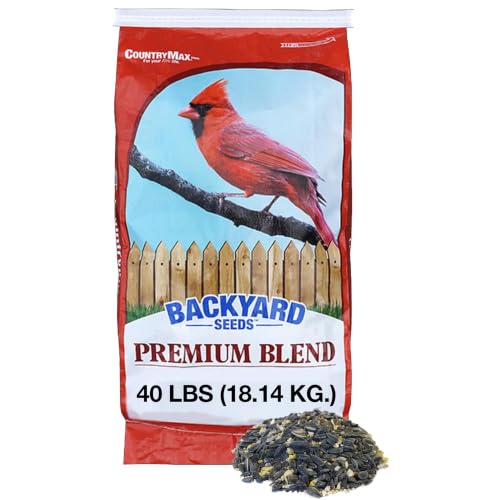
Backyard Seeds 40LB Premium Bird Seed Blend

CountryMax 50LB Songbird Blend Bird Seed
Meet The Standout Selections
These whole, shell-on peanuts favor animals that can crack or sort their food, making them useful near woodland edges, beneath feeders, and in ground-scattering setups. The 25-pound bag gives squirrels and larger backyard visitors a substantial supply, although it is not the 50-pound corn format implied by the broader roundup.
Compared with CountryMax Black Oil Sunflower Seeds, this option is more about open-shell foraging than concentrated seed feeding. In my view, it suits households that want a single ingredient for wildlife rather than a mixed bird-food blend.
The Case For It
- Whole shells encourage natural cracking and sorting behavior.
- The large bag supports recurring wildlife feeding.
- Ground feeding and feeder use both suit the format.
- Single-food simplicity helps control the feeding setup.
Things To Consider
- Shells remain as waste after the peanuts are eaten.
- The 25-pound size is smaller than the largest corn bags.
- Loose peanut pieces and shells require regular cleanup.
At A Glance
Who It Suits Best
This bag best serves households feeding squirrels, chipmunks, and other wildlife near a backyard or woodland feeding area.
Consider Something Else When
CountryMax Black Oil Sunflower Seeds offer a better fit for dedicated bird feeders that prefer edible seed over shell waste.
A sack of black oil sunflower seeds brings a different feeding rhythm than cracked corn. The small, oil-rich seeds work well in standard bird feeders and attract a broad range of backyard species, while the 50-pound format favors households that refill containers regularly.
These seeds lack the assortment offered by the later premium bird blends, but their single-ingredient simplicity is useful for controlled backyard feeding. The relevant catch is volume: 50 pounds demands dry storage, especially in humid conditions.
The Practical Payoff
- A 50-pound bag reduces the frequency of feeder refills.
- Black oil sunflower seeds are small and feeder-friendly.
- A single seed type simplifies feeder setup.
- The edible form limits bulky shell waste.
Worth Noting
- A large bag needs a cool, dry storage location.
- Sunflower seeds alone do not cover a full mixed-seed diet.
Quick Facts
Made For
This sunflower seed bag fits regular backyard feeding, especially for households maintaining one or more dedicated bird feeders.
Where Another Pick Suits Better
Backyard Seeds Premium Bird Seed Blend may suit a household wanting several seed types in a single 40-pound sack.
White proso millet is a compact seed for finches and other small birds, and this 10-pound bag avoids the storage burden of a 50-pound sack. It fits ordinary platform feeders and smaller feeding stations where larger corn pieces would be less useful.
Unlike CountryMax Cracked Corn, this choice is not a broad wildlife feed. The trade-off is specialization: it gives small-songbird feeding a cleaner, more focused ingredient, but it does not provide the varied assortment of the later blends.
Practical Pluses
- Ten-pound packaging is practical for smaller storage spaces.
- Millet suits finch and small-bird feeding stations.
- The single seed type is easy to portion into feeders.
Minor Gripes
- It does not provide the bulk capacity of the 50-pound choices.
- Smaller birds remain the main fit, so it is less versatile.
- Dry storage remains important between feedings.
The Right Fit
This millet bag fits finch feeding, small backyards, and households wanting a manageable seed quantity rather than a full bulk supply.
Reach For A Different Pick When
CountryMax Finch and Small Songbird Frenzy is the better fit for a household wanting a blend of nyjer, sunflower, canary, and millet seeds.
Cracked corn is the most direct answer for households searching specifically for a bulk corn feed. The cracked form is easier to handle than whole kernels and can be scattered on the ground or placed in suitable feeders for chickens, doves, quail, deer, squirrels, and other backyard visitors.
That broad use comes with a storage commitment. A full 50-pound bag needs a dry, pest-resistant container, and spilled corn can attract rodents or other animals beyond the intended feeding area. Compared with the mixed blends, it offers less variety but a more straightforward feeding plan.
Positive Points
- A dedicated 50-pound corn format fits high-volume feeding.
- Cracked kernels work in ground-feeding and feeder setups.
- The single ingredient suits poultry and mixed wildlife.
- It avoids the hulls and smaller seed components found in blends.
Trade Offs
- Bulk storage requires a sealed, dry container.
- Scattered corn can attract unwanted animals.
- The single-grain format offers less variety than a blend.
Feature Snapshot
Built With In Mind
This corn bag best serves chicken keepers and wildlife feeders who regularly scatter corn or refill an outdoor corn feeder.
Another Choice May Suit
CountryMax Squirrel and Chipmunk Mix suits households wanting peanuts, sunflower seeds, and corn in one wildlife-focused blend.
This five-pound blend is built around a small-feeder routine rather than bulk storage. It combines nyjer, hulled sunflower, canary seed, and German millet with cherry oil, giving small songbirds several edible seed choices without the shell-heavy character of sunflower or corn.
The reduced shell content can limit mess, though the 5-pound size is not appropriate for a high-volume operation. Compared with CountryMax White Proso Millet, it is more varied and compact, but also more specialized and likely to disappear at a different pace.
The Value In It
- Several small-bird seeds suit mixed finch feeding.
- Hulled sunflower reduces bulky shell cleanup.
- The five-pound size is easy to store and portion.
- The blend avoids a single-ingredient routine.
Small Caveats
- Five pounds is modest compared with bulk bags.
- Small feeders can empty quickly during active periods.
- The blend is less useful for larger wildlife.
Who Will Love This
This blend best suits households maintaining small finch or songbird feeders where storage space matters.
Look Elsewhere When
CountryMax Black Oil Sunflower Seeds is the better choice for a large feeder station that needs a high-volume single seed.
Peanuts, sunflower seeds, and whole corn make this a more varied wildlife feed than a single corn bag. The mix is aimed at squirrels, chipmunks, rabbits, and backyard birds, so it works well for a feeding station intended to serve several kinds of animals rather than one specific bird group.
Its 8-pound size is more approachable than a 50-pound sack, although that also means more frequent refills for active wildlife areas. Compared with CountryMax In-Shell Raw Peanuts, it offers a broader ingredient profile and a less specialized feeding experience.
The Good Stuff
- Corn, peanuts, and sunflower seeds serve varied wildlife.
- The mix suits squirrels, chipmunks, and rabbits.
- Eight pounds balances variety with manageable storage.
- One blend reduces the need for separate wildlife foods.
Practical Considerations
- Large wildlife can consume an 8-pound bag quickly.
- Scattered food may attract animals beyond the intended area.
- Whole corn and peanut pieces may be less suitable for small birds.
Right For
This mix suits a backyard feeding area serving squirrels, chipmunks, rabbits, and larger birds from one supply.
Where A Sibling Pick Shines
CountryMax Finch and Small Songbird Blend is a better fit for dedicated small-bird feeders than this broader critter mix.
This 40-pound blend combines black oil sunflower seeds, white millet, cracked corn, and additional songbird seed for a mixed feeding station. The composition is more varied than a pure corn sack and more substantial than the 5-pound small-bird blend, which makes it practical for regular backyard use.
Its size still calls for organized storage, and a broad blend can produce different levels of waste depending on the birds present. Compared with CountryMax 50LB Songbird Blend, this option trades a slightly smaller bag for a formula that highlights black oil sunflower and corn components.
Well-Handled Touches
- Black oil sunflower, millet, and corn serve varied birds.
- The 40-pound bag suits recurring feeder use.
- Cracked corn adds a broad ground-feeding component.
- Mixed seed is more flexible than a single corn feed.
Where It May Fall Short
- Storage space is substantial for a single bag.
- Loose seed needs a dry container between refills.
- Some birds may select only certain ingredients.
Technical Highlights
Best Suited To
This blend best suits households maintaining a large backyard feeder for mixed wild birds.
Swap It Out When
CountryMax 50LB Songbird Blend is a better fit for a larger household wanting safflower, red millet, and peanut pieces added to the menu.
A 50-pound songbird blend makes sense for households that refill several outdoor feeders and want more than one seed type available. This mix includes black oil sunflower, safflower, white millet, red millet, and peanut pieces, giving different birds a broader selection than the single corn and sunflower options.
Compared with Backyard Seeds Premium Bird Seed Blend, it adds safflower and multiple millet types while carrying a larger stated bag. That variety can reduce the need for separate food, but I would still plan sealed dry storage and expect some discarded hulls or unused ingredients.
Advantages To Know
- Multiple seed types support varied backyard birds.
- The 50-pound format suits high-volume feeding.
- Sunflower, millet, safflower, and peanut pieces diversify the menu.
- One blend can serve several feeder preferences.
Details To Watch
- The large bag needs secure indoor storage.
- Peanut pieces and hulls can create feeder debris.
- The mix is more complex than dedicated millet feeding.
Whose Shelf It Belongs On
This blend belongs in a dry utility-room or garage supply area for households feeding several types of backyard songbirds.
Not Your Match When
CountryMax Cracked Corn is the better fit for a household focused specifically on poultry and ground-feeding wildlife.
What To Look For Before Ordering Bulk Corn
Corn Content and Feeding Form
Pure cracked corn serves poultry, ground-feeding birds, squirrels, deer, and other wildlife, but it is not a complete songbird blend. Whole corn preserves kernels, while cracked corn breaks them into smaller pieces for easier scattering and feeder handling. The CountryMax 50-pound corn bag is the most direct choice for corn-centered feeding.
Bag Size and Storage
A 50-pound sack reduces refills but requires substantial storage. I favor sealed containers that remain dry and protected from pests, especially in humid environments or sheds with temperature changes. Smaller bags are easier to manage for compact feeders, limited storage areas, and seasonal use.
Mixed Ingredients Versus Single Foods
Sunflower seeds, millet, peanuts, and corn each suit different feeding priorities. Black oil sunflower seeds favor regular bird feeders, white millet suits small songbirds, and peanuts or mixed corn-and-seed blends fit broader wildlife stations. A mixed feed is more flexible, though a single ingredient can be easier to manage.
Animals Served by the Feed
Chickens and ground-feeding wildlife benefit from corn’s broad utility. Finches and small songbirds usually favor smaller seeds, while squirrels and chipmunks can work with nuts, corn, and sunflower. Matching the food to the animals visiting the yard reduces wasted portions and makes feeder maintenance easier.
Common Feeding-Setup Decisions
Where Shoppers Go Wrong
The biggest mistake is treating every 50-pound bag as the same product. A pure corn sack, sunflower seed bag, and songbird blend serve different animals and feeders. I also watch for storage mistakes, since bulk seed left in an open container can absorb moisture or attract pests.
What Separates Premium From Basic
A premium blend may contain more sunflower seed, several millet types, hulled ingredients, or fewer fillers. The added variety is useful for mixed bird populations, while basic single-food bags are often easier to portion and may suit one feeder better. Choose by animal mix, feeder design, and storage capacity.
Frequently Asked Questions
Is a 50-pound bag of corn too large for a backyard?
No. It works well for regular backyard feeding, poultry, and wildlife stations, though smaller households may prefer a 5- or 10-pound bag.
Is cracked corn better than whole corn?
Cracked corn is easier to scatter and handle, while whole corn keeps larger kernels intact. The better choice depends on the feeder design and the animals being fed.
Can 50-pound corn bags feed songbirds?
Yes, but many songbirds prefer smaller seeds. Sunflower, millet, and mixed songbird blends usually provide a more suitable feeding mix for small species.
What should I use with cracked corn?
Cracked corn can be paired with sunflower seeds, millet, or other edible blends depending on whether the goal is poultry feeding, squirrels, or mixed backyard wildlife.
How should bulk corn be stored?
I store bulk corn in a clean, dry, pest-resistant container and keep the opening closed between feedings. A cool, moisture-free location helps protect the texture and shelf life of the bag.
Final Thoughts
The right bulk corn choice depends on whether the yard is primarily for poultry, mixed wildlife, or small songbirds. CountryMax Cracked Corn is the focused bulk option, while the sunflower, millet, and mixed blends serve more specialized feeding setups. I would choose the bag that matches the animals, feeder size, and storage space before looking at quantity.