

A Quick View Of The Lineup
The right fermentation culture fits the kitchen routine, not simply the recipe drawer. Active Kefir Grains are reusable microorganisms that ferment milk into tangy kefir, and water kefir grains can also work with sugar water or juice, depending on the culture. Home cooks may prefer a larger grain supply for frequent batches, while beginners often favor freeze-dried starter powder that requires less daily handling. I’ve separated grains, inulin, straining equipment, and a yogurt maker so each option serves a clear role.
A Quick View Of The Lineup

Ultimate Organic Chicory Inulin Prebiotic Fiber Powder for Yogurt, 12 oz
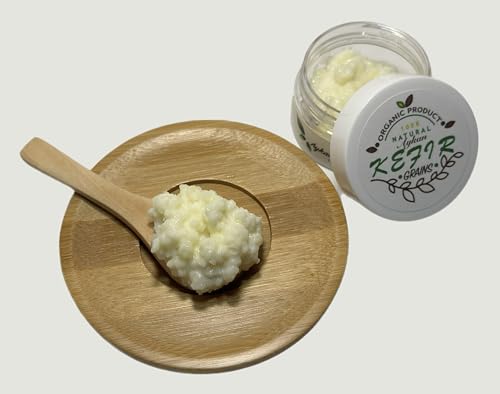
Aykan Fresh Milk Kefir Grains Starter Kit

Ultimate 2.3-Quart Fine-Mesh Greek Yogurt Strainer and Whey Separator

Florida Sun Kefir Water Grains, Large Cup

NatuDelight 1 TBSP Live Kefir Grains
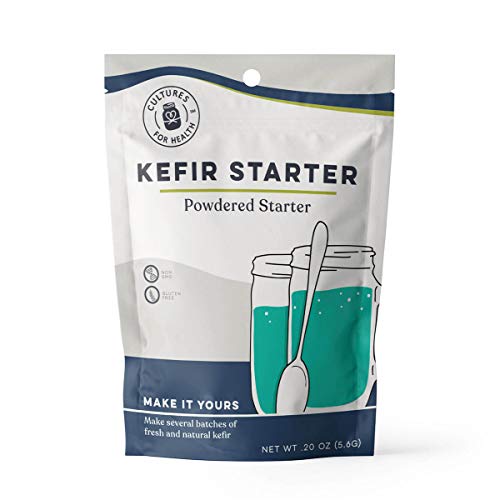
Cultures for Health Kefir Starter, 4 Packets

Aykan Milk Kefir Grains, 2 TBSP Starter

Ultimate Probiotic Yogurt Maker, Adjustable Temperature, 2 Containers
A Deeper Look At The Lineup
This inulin powder is a supporting ingredient rather than a living grain culture, so it serves a different role from the milk cultures that follow. Chicory-root inulin is a fermentable dietary fiber that can give cultured yogurt a thicker body, which appeals to home cooks seeking a more spoonable texture.
The mildly sweet, unflavored profile also works in coffee, tea, and smoothies. Compared with live grains, it demands no feeding schedule, although it also produces no kefir on its own.
Everyday Wins
- Supports a thicker texture in yogurt preparations
- Disappears into drinks without a strong flavor
- Plant-based formula suits several dietary routines
- One powder works across yogurt and beverage recipes
Trade Offs
- It cannot replace a starter culture or make milk kefir
- Owners still need suitable yogurt cultures for fermentation
Quick Facts
Made For
Home cooks making thicker yogurt or adding fiber to drinks benefit most from this ingredient.
Consider Something Else When
Aykan Fresh Milk Kefir Grains Starter Kit is the better fit for anyone needing a reusable milk-kefir culture.
A tablespoon of live grains gives a new milk-kefir routine a compact biological starter. Kefir grains consist of a mixed culture that ferments milk and gradually expands with regular feeding, making this a practical option for a person making a small batch several times each week.
The grains arrive fresh rather than frozen, according to the stated handling. That matters for new users because storage and temperature still influence activity even when a culture arrives in good condition.
What Pays Off
- Compact quantity suits small household batches
- Reusable culture reduces repeated starter purchases
- Fresh handling supports straightforward handoff
- Milk focus keeps the first recipe uncomplicated
Worth Noting
- Daily or near-daily feeding is part of grain ownership
- Milk kefir grains are less suitable for water-kefir recipes
Key Product Details
Right Fit For
First-time milk-kefir makers who want a small reusable culture fit this format well.
Another Choice May Suit
Cultures for Health Kefir Starter, 4 Packets suits travelers and occasional makers who prefer dry packets.
This strainer is equipment, not a starter, so it belongs beside the grains rather than in the same biological category. It separates liquid whey from cultured dairy, leaving behind a denser yogurt or kefir texture suited to smoothies, breakfast toppings, and labneh-style spreads.
The 2.3-quart capacity appears practical for a family batch, although the vessel must be stable and level during draining. Fine mesh is the important feature here because a wider weave may leave a looser curd and more liquid behind.
What Stands Out
- Fine mesh concentrates yogurt into a thicker texture
- Useful for both kefir and other cultured dairy
- Dishwasher-safe construction simplifies cleanup
- Includes a recipe book for new strainer routines
Small Caveats
- Straining takes additional time after fermentation
- The strainer requires a suitable bowl or catch vessel
Built With In Mind
Household cooks preparing larger yogurt batches benefit from the capacity and fine drainage.
Look Elsewhere When
Florida Sun Kefir Water Grains, Large Cup is more relevant for households beginning water-kefir fermentation.
These water-kefir grains, also called Tibicos, serve a different niche from milk cultures. They are supplied in a large portion cup and are presented as ready for water fermentation, making them useful for making a non-dairy cultured drink with sugar water or juice.
The included step-by-step material and downloadable recipe guide are practical additions for a first fermentation. Owners must still refresh the grains and observe sugar and temperature conditions, since water kefir is more demanding than simply storing a drink in the refrigerator.
Standout Benefits
- Large starting portion supports regular batches
- Ready-made water culture avoids milk handling
- Digital guidance supports first-time fermentation
- Works with a broader range of drink bases
Practical Considerations
- Sugar-water recipes need accurate measurement
- Grain color may change with the fermentation environment
Feature Snapshot
Who It Suits Best
Home cooks interested in cultured fruit drinks and non-dairy fermentation benefit most.
A Better Fit Elsewhere
NatuDelight 1 TBSP Live Kefir Grains suits households focused specifically on milk fermentation.
A single-ingredient grain culture fits neatly into a straightforward milk-kefir routine. NatuDelight provides one tablespoon of fresh grains that can serve as a reusable starter, although growth depends on regular feeding and suitable storage conditions.
The suggested uses span drinks, chia bowls, parfaits, and dressings. In a busy kitchen, that flexibility may be more valuable than making large quantities, since the same cultured milk can move from breakfast to lunch without creating another base recipe.
A Favorable Mix
- One-ingredient culture keeps the ingredient list simple
- Reusable grains fit recurring milk batches
- Fermented milk works in several meal formats
- Tangy flavor suits low-sugar recipe planning
Details To Watch
- Consistent feeding is needed to maintain activity
- Small quantities may require time to multiply
Quick Technical Notes
Made For
Compact kitchens and mixed low-carb recipes give this grain format a practical advantage.
Swap It Out When
Aykan Milk Kefir Grains, 2 TBSP Starter better serves households planning frequent larger batches.
Freeze-dried starter powder offers a different ownership rhythm from a jar of living grains. This four-packet format is compact, portioned, and suitable for milk, water, or juice bases, which makes it useful for travel or infrequent preparation.
Because the culture is powdered, it avoids the immediate daily feeding commitment associated with fresh grains. The trade-off is a more procedural approach, since each packet and the reserved liquid from a prior batch need careful handling.
Why It Works Well
- Portioned packets simplify storage and transport
- Supports milk, water, or juice fermentation
- Avoids routine maintenance of fresh grain clusters
- Four packets provide more than one starting attempt
Possible Compromises
- Re-culturing requires careful handling of starter material
- Less convenient for continuous everyday grain production
Whose Shelf It Belongs On
Travelers, occasional makers, and small kitchens benefit from the compact dry format.
Where A Sibling Pick Shines
Aykan Fresh Milk Kefir Grains Starter Kit better serves cooks committed to a reusable milk-grain routine.
Two tablespoons give a household more starting material than the one-tablespoon Aykan option. That difference can matter in a family kitchen producing several drinks or reserving separate grains for parallel batches during the culture’s early growth.
Milk variety is the main flexibility here, allowing the same culture to work with different dairy choices. The grains are described as fresh and never frozen, but routine feeding, clean jars, and suitable temperatures still govern ongoing performance.
What Earns Its Place
- Larger quantity suits frequent batch production
- Supports several types of milk-based fermentation
- Fresh handling provides a cleaner initial handoff
- Substantial supply encourages batch-to-batch reuse
- Compact grain form stores without dedicated equipment
Room For Improvement
- Two separate batches demand proportioned feeding
The Main Details
Built With In Mind
Frequent household kefir makers benefit from the larger starting quantity.
Another Choice May Suit
Cultures for Health Kefir Starter, 4 Packets better suits occasional makers who value compact storage.
This appliance combines controlled incubation with two one-quart containers, making it more useful for organized yogurt production than a basic warm-place method. Adjustable time and temperature settings help align the cycle with different starter cultures, although recipe-specific instructions remain important.
For a mixed fermentation kitchen, the machine can handle yogurt preparations that pair well with fresh grains. It does not include living cultures, so one of the milk-grain options remains necessary for a live kefir workflow.
Practical Pluses
- Two containers support organized batch preparation
- Adjustable heat improves recipe flexibility
- Timer control reduces guesswork during incubation
- One-quart vessels suit household serving sizes
- Specialty culture use broadens fermentation options
Things To Weigh Up
- Counter space is needed for the appliance and containers
- Cleaning the vessels and internal surfaces takes regular attention
Essential Details
The Right Fit
Organized home yogurt makers benefit from adjustable cycles and paired containers.
Reach For A Different Pick When
Aykan Milk Kefir Grains, 2 TBSP Starter better serves cooks whose priority is a living culture rather than an appliance.
What Matters Before Starting a Kefir Culture
Choose the Correct Fermentation Type
Milk kefir grains produce a creamy, tart cultured drink, while water kefir grains work with sweetened water or juice. Starting with the wrong type can produce disappointing results even when the culture is handled properly. Match the grains to the finished drink before considering quantity or container size.
Fresh Grains Require a Feeding Rhythm
Reusable grains are living mixed cultures that grow and change through fermentation. A kitchen routine that includes refreshing them in fresh liquid fits fresh grains better than one that favors long gaps between preparations. Powdered starters are easier to pause, but they require more deliberate re-culturing.
Quantity Should Match Batch Frequency
A tablespoon is reasonable for small or occasional production, while two tablespoons provide more separation and expansion room for frequent batches. Larger quantities do not eliminate care, yet they may reduce the pressure to divide or feed a very small cluster. The size of the household and expected number of batches matter more than the headline quantity.
Equipment Solves a Different Problem
A strainer changes the texture of cultured milk by removing whey, and an incubated yogurt maker controls time and temperature. Neither replaces active kefir grains. I prioritize the culture first, then add equipment only after deciding whether texture control or automated incubation will solve a recurring kitchen problem.
Common Mistakes Worth Avoiding
Wrong Turns To Avoid
Milk and water cultures are not interchangeable, so choosing the wrong type creates an avoidable start. A reusable grain jar also needs a practical feeding schedule, while portable packets suit occasional preparation better. Reading the care instructions before the first batch prevents most early setbacks.
What Separates Premium From Basic
Larger grain quantities, more flexible milk compatibility, and included care material can justify a higher spending level. The real upgrade is less about flashy extras and more about matching supply, maintenance, and equipment to the volume a household actually prepares.
Frequently Asked Questions
What Are Active Kefir Grains?
They are a reusable mixed culture that ferments milk into kefir. They also grow over time when fed consistently with fresh ingredients.
Are Milk and Water Kefir Grains Different?
Yes. Milk kefir grains make a creamy cultured dairy drink, while water kefir grains ferment sweetened water or juice into a lighter beverage.
How Many Grains Should I Start With?
One tablespoon works for a small routine, while two tablespoons offer more material for frequent batches. The expected batch size is the most useful guide.
How Should Kefir Grains Be Stored?
Keep grains submerged in the appropriate fresh liquid and follow the starter’s feeding instructions. Clean nonreactive containers help prevent contamination during handling.
Can Kefir Grains Make Greek Yogurt?
They can create cultured milk, but Greek-style thickness usually requires straining. The Ultimate 2.3-Quart Fine-Mesh strainer handles that separate texture-building step.
Final Verdict
The most suitable culture depends on milk or water, batch size, and the maintenance routine I can realistically maintain. Fresh grains reward consistency, powdered starters suit flexible schedules, and equipment becomes useful once the basic fermentation is working. Starting with one clear recipe and keeping the care routine realistic usually matters more than making an ambitious batch immediately.