

A moka pot rewards coffee with enough body to stand up to its concentrated brewing method. Whole beans preserve more aroma before grinding, while purpose-ground coffee saves setup time, and roast level determines whether the finished cup tastes balanced, bold, or smoky. I compare these eight options for home kitchens, compact offices, and anyone who wants a dependable stovetop coffee ritual.
A Quick View Of The Lineup

Palmieri Espresso Whole Beans

illy Classico Moka Coffee

illy Intenso Dark Moka Coffee

illy Ground Coffee Brasil

illy Nicaragua Arabica Whole Beans
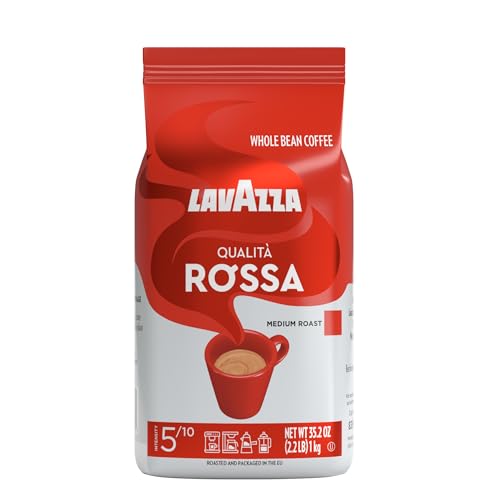
Lavazza Qualità Rossa Beans

Caffè Borbone Crema Classica Beans

Caffè Borbone Arabica Beans
The Picks, Examined More Closely
Palmieri brings a dark-roast approach that fits the concentrated character of moka pot coffee. The 100% Arabica blend is described as intense, full-bodied, and supported by a rich crema, the creamy layer that gives espresso-style coffee much of its visual appeal. For a strong first cup after breakfast, the specifications point toward a decisive brew.
Whole beans require grinding shortly before brewing, so a burr grinder adds useful preparation time but protects aroma more effectively than storing coffee already ground. In my kitchen routine, that extra step suits weekends more than a hurried weekday routine. The blend is a sensible fit for coffee drinkers who favor dark flavor over floral or citrus detail.
Points In Its Favor
- Dark roasting gives moka pot coffee a substantial foundation.
- The stated crema profile suits drinkers who value a dense, espresso-like finish.
- Whole beans allow the grind to be adjusted for a particular moka pot.
- The 100% Arabica composition provides a clear alternative to robusta blends.
Worth Noting
- Its strong body may overpower the subtler flavors preferred by lighter-roast drinkers.
- Grinding immediately before brewing adds a step to an otherwise simple stovetop routine.
Key Specs
The Right Fit
This coffee suits dark-roast drinkers seeking a full-bodied, crema-forward cup from a traditional moka pot.
Look Elsewhere When
Caffè Borbone Arabica Beans suit drinkers seeking an all-Arabica medium roast with gentler floral and fruity character.
After Palmieri’s dark intensity, illy Classico offers the more restrained route. This ground coffee is formulated specifically for moka preparation and uses a medium roast, which generally produces a cup that is easier to drink without milk. It removes the grinder from the routine, making it practical for a small apartment kitchen or an office coffee station.
The coffee is already ground, so a brew can begin as soon as water and coffee reach the pot. That convenience is meaningful, though whole beans normally offer more control over particle size. For a balanced daily cup, Classico may prove to be the least demanding option here.
Where It Helps
- Ground specifically for moka pot preparation, reducing guesswork at the measuring stage.
- Medium roasting suits daily drinking and coffee with milk.
- No grinder or separate coffee storage container is required.
- The 8.8-ounce size remains practical for relatively slow consumption.
Small Caveats
- Ground coffee loses aroma more quickly than beans ground immediately before brewing.
- The canister needs to stay tightly closed and dry to limit moisture and stale flavors.
- Drinkers seeking prominent dark-roast intensity may prefer illy Intenso.
Made For
Classico fits beginners, commuters, and compact kitchens that value speed and consistency over manual grinding.
Another Choice May Suit
Palmieri Espresso Whole Beans suit a home setup with a grinder and a preference for intense, dark-roast coffee.
Intenso stays with the concentrated-coffee theme but takes a different flavor route from Palmieri. Its dark roast, cocoa notes, and dried-fruit character point toward a robust cup with enough weight for an unhurried morning. The familiar 8.8-ounce format also pairs well with a single moka pot rather than a high-volume espresso setup.
Because the coffee arrives ground for moka use, the practical benefit is immediate preparation with no grind-size adjustment. Depending on personal taste, though, a full-bodied dark roast can feel heavy with a very small moka pot, so serving size and water measurement still matter. The honest read favors drinkers who already like strong coffee.
Everyday Wins
- Dark roast produces a dense flavor suited to moka pot brewing.
- Cocoa and dried-fruit notes give the strong body more definition.
- Ground coffee eliminates grinder setup during a morning routine.
- The compact package suits moderate consumption and limited storage.
A Few Limitations
- The dark profile may feel too assertive with a small serving size.
- Ground beans lose aroma faster than a freshly ground whole-bean option.
- The container must be resealed carefully after each use.
Feature Snapshot
Who It Suits Best
Intenso suits experienced dark-coffee drinkers who want cocoa depth without operating a separate grinder.
Reach For A Different Pick When
illy Classico Moka Coffee suits people who prefer a lighter, smoother daily cup with less intensity.
Moving away from dedicated moka grind, this illy option offers a more delicate profile for people who dislike the concentrated intensity of Intenso. Caramel sweetness, orange blossom, and jasmine notes give the medium roast a layered character. Those details may be quieter in a small moka pot, yet the balanced foundation remains useful for daily brewing.
The listing identifies this as ground drip coffee rather than a moka-specific grind, so grind suitability deserves attention. In practice, that makes it less decisive than the two illy moka options and more dependent on the brewer’s behavior. I would reserve it for drinkers who value a smooth, lightly fragrant cup more than brew-specific convenience.
Strong Points
- Mild medium roasting creates an approachable base for moka pot coffee.
- Caramel sweetness softens the concentration produced by stovetop brewing.
- Floral and citrus-like notes add interest for sensitive palates.
- The balanced profile works well with milk or a simple black-cup routine.
Things To Consider
- Drip-oriented grinding may not be optimized for every moka pot.
- The finer flavor profile can seem subtle after moka pot concentration.
- Grinding shortly before brewing would provide fresher aroma.
Who Should Grab It
This coffee suits drinkers who want a mild medium roast and do not mind adjusting the grind for a moka pot.
Consider Something Else When
illy Classico Moka Coffee serves people who need coffee ground specifically for the appliance.
Single-origin coffee offers something different from the blended options: a clearer connection between the cup and one growing region. This Nicaragua selection is a bold roast made from 100% Arabica beans, giving the moka pot enough weight for an expressive coffee. The distinction is especially useful for drinkers who enjoy tracking origin characteristics instead of the consistency of a broad blend.
Whole beans need a home burr grinder, and that requirement places this choice beyond the quickest morning routine. In exchange, grind timing and particle size remain under my control. The trade-off favors a slower coffee ritual, and the 8.8-ounce package keeps the supply manageable once ground.
The Practical Payoff
- Single-origin sourcing gives the coffee a distinct regional identity.
- The 100% Arabica format excludes robusta from the bean blend.
- Whole beans preserve aroma longer while awaiting their turn in the grinder.
- Bold roasting supplies enough character for concentrated moka pot brewing.
Possible Compromises
- Whole beans are inconvenient without a dedicated burr grinder.
- Origin-focused coffee can cost more by the prepared cup than routine blends.
- The bold roast may be more intense than a medium-roast preference allows.
Core Details
Built With In Mind
This selection suits origin-focused coffee drinkers with a grinder and a preference for bold, expressive cups.
A Better Fit Elsewhere
Lavazza Qualità Rossa Beans suit high-use households that need a large supply and a familiar blend.
Qualità Rossa changes the scale of the routine with a 2.2-pound bag of whole beans. The Arabica and robusta blend produces a full-bodied medium roast, while the chocolate flavor makes it a natural match for moka pot coffee with milk. It suits a household brewing several cups daily better than a small canister designed for occasional use.
Using both Arabica and robusta adds crema production and body compared with the all-Arabica entries. That extra density suits people who find pure Arabica moka coffee too thin, while those who prefer delicate origin flavors may find it heavy. A burr grinder remains necessary, and the large bag needs an airtight container after opening.
What Makes Sense
- The 2.2-pound bag reduces refill frequency for frequent coffee drinkers.
- Arabica and robusta create more body and crema than an all-Arabica blend.
- Chocolate flavor pairs naturally with milk and a moka pot.
- Medium roasting keeps the blend fuller than dark roast without becoming smoky.
Room For Improvement
- The blend may feel too substantial for drinkers who favor bright, delicate coffee.
- Whole beans require grinding and an air-tight storage container.
- A large supply can lose aroma before the bag is finished.
At A Glance
Whose Shelf It Belongs On
Qualità Rossa fits busy households that brew coffee often and favor a full-bodied, chocolate-forward blend.
Skip It When
illy Nicaragua Arabica Whole Beans suit smaller storage spaces and origin-focused palates.
Caffè Borbone’s Crema Classica blend brings together caramel sweetness, dark chocolate, and nut-like notes. Those flavors fit the richer extraction of a moka pot, particularly for coffee served with milk. The Arabica and robusta combination also reinforces the crema-forward character implied by the blend name.
A large whole-bean format makes this practical for regular espresso or moka pot use, but it is less convenient than the pre-ground illy options. I would grind only the quantity needed for each session, since exposed coffee quickly loses aroma. Drinkers seeking lighter fruit and floral notes may prefer the all-Arabica version.
Everyday Perks
- Dark-chocolate and caramel flavors suit a rich moka pot cup.
- Arabica and robusta beans support a visibly creamy espresso profile.
- Whole beans preserve aroma until the next grinding session.
- The large bag suits households with a steady coffee routine.
Details To Watch
- Whole beans require a burr grinder for the best control of grind size.
- Roasted beans can become stale in an open bag, so resealing matters.
- The sweet, heavy profile may overpower lighter brewing methods.
Best Suited To
Crema Classica suits moka pot drinkers who prefer sweet, robust coffee with chocolate and nutty notes.
Another Choice May Suit
Lavazza Qualità Rossa Beans suit people who want a similarly large, full-bodied blend with a broader chocolate profile.
The final Caffè Borbone option removes robusta from the recipe while retaining a 2.2-pound package size. Its medium roast is described as gently sweet and balanced, with floral and fruity notes that provide more variation than the neighboring Crema Classica blend. Those qualities make it a useful contrast for moka pot drinkers who want body without every note turning dark.
Whole beans mean the flavor is still adjustable at preparation time, which is valuable in a home coffee routine. Depending on roast freshness and personal taste, the all-Arabica composition may produce a somewhat lighter crema than robusta blends. The setup still calls for a grinder, but the resulting cup can be more nuanced than the heavier options.
A Strong Showing
- All-Arabica composition offers an alternative to robusta-heavy espresso blends.
- Floral and fruity notes add detail to a medium-roast moka pot cup.
- Balanced acidity and gentle sweetness support black coffee or milk.
- Whole beans allow preparation control while retaining convenient bag storage.
Trade-Offs To Consider
- It may produce less dense crema than Caffè Borbone Crema Classica.
- A grinder and airtight storage container are needed after purchase.
- The large bag may be excessive for occasional moka pot use.
Feature Card
Right For
This blend suits coffee drinkers who want a full-size Arabica supply with floral, fruity, and gently sweet character.
Swap It Out When
Caffè Borbone Crema Classica Beans suit drinkers who prefer thicker crema and a stronger chocolate-and-nut profile.
Selecting Coffee For Stovetop Brewing
Grind Size Controls Extraction
A moka pot uses pressure and rising heat to push water through a small bed of coffee grounds. The grind should be finer than standard drip coffee but not powdered, since excessively fine material can slow flow and create a harsh cup. A burr grinder produces more even particles than a blade grinder and makes repeatable adjustments easier.
Roast Level Shapes The Cup
Medium roast generally offers a useful middle ground for moka pot brewing, balancing sweetness with enough body for the concentrated method. Dark roast creates heavier flavor, stronger crema, and more bitterness, while lighter roast can appear restrained after extraction. Aroma also fades faster in ground coffee, so whole beans help preserve it until the last possible moment.
Arabica And Robusta Serve Different Purposes
Arabica tends to provide sweetness, aroma, and a more varied flavor profile. Robusta contributes additional body and crema while reducing the blend’s acidity. That difference matters for a moka pot, where pressure concentrates both desirable sweetness and any bitterness. An all-Arabica choice suits more delicate palates, while a robusta blend suits drinkers wanting a heavier texture.
Package Size Should Match The Routine
Small packages work well for occasional brewing and limit exposure to air. Larger bags reduce refills for daily users, but freshness and airtight storage become more important. A home grinder also adds preparation time that ready-ground coffee avoids.
Practical Coffee Decisions
Mistakes Worth Dodging
Choosing solely by roast color misses the importance of grind freshness and particle size. Very fine grounds can choke a moka pot, while coarse grounds may produce a thin, under-extracted cup. Storing opened beans in their loose bag also exposes them to air faster than a sealed container can.
When Paying More Pays Off
Cost differences may reflect origin selection, bean composition, packaging, or the size of the supply. A premium single-origin bag rewards drinkers who grind fresh and study regional flavor, while a bulk blend mainly rewards frequent use. The practical upgrade is worth it only when it matches the available equipment and drinking habits.
Frequently Asked Questions
Are whole beans better for a moka pot?
Whole beans preserve aroma longer and allow finer grind control. A burr grinder makes that advantage worthwhile, while pre-ground coffee remains more convenient.
Is robusta good for moka pot coffee?
Robusta adds body and crema and can suit drinkers wanting a thick, strong cup. It generally tastes more robust and bitter than Arabica, so lighter drinkers may prefer an all-Arabica blend.
What grind size works best for a moka pot?
Use a fine to medium-fine grind, similar to espresso but not powder. A too-fine grind can slow the flow and produce bitterness.
Should moka pot coffee be dark roasted?
Dark roast provides strong body but can amplify bitterness. Medium roast often offers a more balanced balance of sweetness, aroma, and intensity.
Can ground coffee be used in a moka pot?
Yes, coffee ground specifically for moka pots can work well. Grind fresh when possible and close the package tightly after opening.
Final Thoughts
For a straightforward routine, illy Classico Moka Coffee removes the need to grind and delivers a balanced medium roast. Whole-bean choices provide more control and freshness, with Caffè Borbone Arabica Beans offering a gentler profile, while robusta blends emphasize body and crema. The right choice is the one that matches the available grinder, storage space, and preferred strength.