

Starting home canning feels complicated because each method has its own preparation steps, processing times, and storage considerations. These guides organize that information around vegetables, fruits, soups, jams, pickles, and meats, making them more approachable for first-time home canners. I favor options with clear checklists, troubleshooting material, or focused recipe collections over oversized books that dilute the basics.
Pressure canning remains essential for low-acid foods such as meats, beans, and certain vegetables. A water bath, by comparison, is designed for suitable high-acid foods such as many fruits, tomatoes, pickles, and preserves, so beginners should confirm the recommended method before processing any recipe.
The Choices Worth Comparing

The Ultimate Amish Canning Meat Cookbook for Beginners

Presto Precise 17-Quart Digital Pressure Canner Cookbook

The Complete Amish Survival Manual

Canning & Preserving Techniques Bible

The Ultimate Canning Meat Cookbook for Beginners
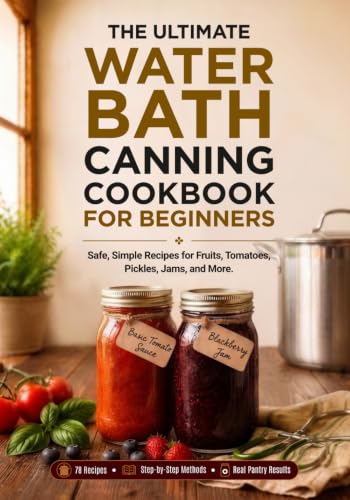
The Ultimate Water Bath Canning Cookbook for Beginners

CANNING CONFIDENCE: Recipes and Tips
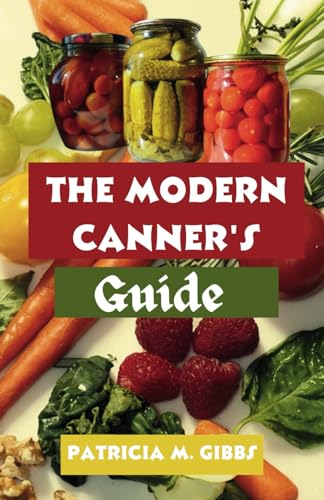
The Modern Canner’s Guide
The Details Behind The Selections
This focused cookbook favors cooks who want pressure-canned meat without a broad collection of unrelated recipes. Beef, pork, and poultry coverage keeps the pantry goal clear, while the Amish-inspired theme gives everyday preserved meals a recognizable regional identity.
For a busy kitchen, the starter checklist and fresh-at-serving guidance can turn a large preservation project into manageable steps. Compared with Presto Precise 17-Quart Digital Pressure Canner Cookbook, the narrower subject matter may feel easier to navigate, though the trade-off is less variety outside meat.
A Favorable Mix
- Focuses on the needs of first-time pressure canners.
- Covers beef, pork, poultry, and additional meat categories.
- Includes a starter checklist for organizing ingredients and equipment.
- Fresh-at-serving guidance supports meal planning after processing.
Small Caveats
- The narrow meat focus offers little guidance for produce and preserves.
- Regional recipes may not suit households seeking a varied canning curriculum.
- Owners still need a separate current source for processing requirements.
Key Product Details
Made For
This cookbook suits home cooks beginning with regional meat preservation and wanting a compact first reference.
A Better Fit Elsewhere
The Modern Canner’s Guide suits beginners who need broader produce, preserve, pickle, jam, and meat coverage.
A large recipe collection changes the economics of learning, since one book can support seasonal produce, cooked meals, and preserved condiments. The stated 17-quart focus also points toward batch cooking, although the canner itself is not included and capacity still depends on the equipment used.
I find the ingredient organization more useful than a rigid single-food index during a busy harvest. Tomatoes, salsas, beans, corn, squash, greens, peppers, and mushrooms give first-time canners several starting points, while soups, jams, and pickles extend the book beyond plain vegetables.
Bright Spots
- Provides 200 recipes for frequent seasonal cooking.
- Groups produce by practical kitchen categories.
- Connects pressure canning with sauces, soups, and meals.
- Reduces recipe shopping for mixed pantry projects.
Things To Consider
- The 17-quart label appears in the title, but this item is a cookbook rather than a canner.
- A large collection may feel less focused during an initial project.
- Recipes still require confirmation against current processing guidance.
Feature Snapshot
Who It Suits Best
This book fits households that want a deep recipe library for mixed produce and meal batches beyond their first season.
Reach For A Different Pick When
The Ultimate Amish Canning Meat Cookbook for Beginners better serves cooks who want fewer distractions and a strong meat focus.
Canning is only one part of this manual, which also connects it to gardening, DIY work, survival skills, and off-grid living. That broader context fits a household planning several self-sufficiency projects rather than a cook who only wants jars, fruit, and pressure-canning instructions.
Depending on the homestead, the wider material may provide a more engaging route into food storage and seasonal planning. Compared with CANNING CONFIDENCE, however, it likely offers less concentrated recipe practice, so the canning sections deserve priority for a beginner.
Well-Handled Touches
- Places canning within a broader self-sufficiency curriculum.
- Connects food preservation with gardening and seasonal planning.
- Supports interest in off-grid household projects.
- Offers a practical theme beyond standard kitchen recipes.
- Appeals to cooks interested in traditional homesteading.
Possible Compromises
- Broader subjects can make basic canning guidance less prominent.
- Homestead projects may exceed the needs of an apartment kitchen.
- Separate equipment and current processing references remain necessary.
The Right Fit
This manual fits new homesteaders who want canning integrated with gardening, household projects, and broader self-sufficiency planning.
Another Choice May Suit
The Ultimate Water Bath Canning Cookbook for Beginners better serves cooks seeking a focused introduction to fruit, pickles, tomatoes, and preserves.
The range matters here: canning, pickling, smoking, curing, fermenting, drying, and root cellaring each require different conditions. I see this title as a useful bridge for someone who wants to understand preservation broadly, though every method still needs a current, food-specific reference.
For a household with a large garden, that wider lens can prevent a one-book approach to every harvest. Unlike the water-bath-focused Gahema Press guide, this book can also support people interested in long-term crop storage or preserved foods beyond sealed jars.
Noteworthy Benefits
- Covers several food-preservation methods in one reference.
- Extends beyond jars into drying and root storage.
- Supports seasonal planning across multiple food categories.
- Offers a natural progression for experienced home preservers.
Practical Considerations
- The breadth may make core canning details less prominent.
- Specialized equipment is needed for smoking, curing, and fermenting.
- Different methods require separate sanitation and storage routines.
Built With In Mind
This book suits gardeners and home preservers who want a broad reference spanning jars, drying, curing, fermentation, and crop storage.
Where Another Pick Shines
The Ultimate Water Bath Canning Cookbook for Beginners suits cooks who need a narrower first lesson in common jar-based projects.
Pressure-canned meat asks more preparation than many first-time canners expect, so the included checklist and troubleshooting guide are meaningful details. Recipes span beef, pork, poultry, wild game, and fish, which gives the collection flexibility beyond a single-meat repertoire.
Ready-to-eat meal positioning may appeal most to cooks building a practical pantry after a busy season. Compared with The Ultimate Amish Canning Meat Cookbook for Beginners, this book presents a similar regional-meat theme with more explicit support materials for troubleshooting.
Where It Delivers
- Targets cooks without previous pressure-canning experience.
- Includes a dedicated canning-meat checklist.
- Adds troubleshooting guidance for common process questions.
- Covers beef, pork, poultry, game, and fish.
- Supports practical ready-to-eat pantry meals.
A Few Limitations
- Pressure canning requires suitable equipment and careful batch planning.
- Meat recipes do not help with produce-based canning.
- Processing guidance should be reconciled with current reliable sources.
Feature Facts
Made For
This title fits first-time home canners building a meat pantry and wanting checklists beside pressure-canning recipes.
Look Elsewhere When
Presto Precise 17-Quart Digital Pressure Canner Cookbook better serves cooks who want a much larger collection spanning produce, soups, jams, and pickles.
A water bath is a defined canning method that uses boiling water to process suitable high-acid foods in jars. This guide concentrates on that method through fruit, tomato, pickle, jam, jelly, and preserve projects, making it more approachable than a broad preservation manual for a first kitchen session.
For a summer harvest, the dedicated checklist and troubleshooting guide can help organize a sequence of smaller batches. Unlike Presto Precise 17-Quart Digital Pressure Canner Cookbook, the narrower scope reduces the number of processing methods to learn, though meat and low-acid vegetables require a different approach.
Where It Helps
- Explains a single canning method with less surrounding material.
- Includes guidance for fruits, tomatoes, pickles, and preserves.
- Adds a water-bath checklist for project preparation.
- Provides a troubleshooting guide for common beginner questions.
Room For Improvement
- The method is not suitable for every category of home-canned food.
- Jars, lids, utensils, and a suitable canning vessel require separate planning.
- A second reference remains helpful for pressure canning meat or low-acid vegetables.
Core Features
Right Fit For
This guide suits beginners starting with fruit, tomatoes, pickles, jellies, and preserves using a water-bath process.
A Better Fit Elsewhere
The Complete Amish Survival Manual fits homestead-minded cooks who want canning connected to gardening and wider self-sufficiency projects.
The promise here is continuity rather than specialization: recipes and tips serve both new and experienced canners. That makes the book attractive to a household that expects to move from basic jars to more confident batches over several seasons instead of abandoning the basics after one project.
For many kitchens, a general confidence manual can become a familiar reference during inventory planning and routine maintenance. The limited source details don’t reveal a particular recipe count or technique, so I would place more weight on page layout and the visible category fit than assume undisclosed content.
What Stands Out
- Addresses both beginning and experienced canning practice.
- Combines recipes with general preservation tips.
- Supports a gradual move from simple to advanced projects.
- Offers a more general alternative to narrowly focused cookbooks.
Details To Watch
- Recipe categories and quantities aren’t available in the supplied details.
- A general format may lack the process depth of a dedicated pressure-canning guide.
- Owners still need current food-specific processing information.
Who Will Love This
This title fits new canners who expect to keep learning and prefer a general recipe-and-tips reference.
Not Your Match When
The Ultimate Canning Meat Cookbook for Beginners better serves cooks who need a specialized pressure-canning reference with checklists and troubleshooting support.
Step-by-step instruction combined with a broad pantry range makes this suitable for cooks who want one organized foundation. Fruits, vegetables, jellies, jams, pickles, and meats create a varied curriculum, while the stated large-quantity focus may be useful for seasonal batching.
Compared with CANNING CONFIDENCE, the modern framing suggests more structured technique guidance and explicit category coverage. The catch is scope: a home kitchen may need separate pressure- and water-bath references, so beginners still need to confirm which processing method applies to each recipe.
What Helps Most
- Uses step-by-step organization for new preservation projects.
- Covers several major fruit and vegetable pantry categories.
- Includes jellies, jams, pickles, and meats in one theme.
- Addresses larger quantities for seasonal batch preparation.
- Suits cooks developing a varied home pantry.
Potential Drawbacks
- Broad food coverage requires careful attention to processing methods.
- Large-batch planning may exceed a small kitchen’s storage capacity.
- Current processing instructions remain important for every recipe.
Technical Highlights
The Right Fit
This guide suits beginners with kitchen space who want structured technique guidance across a wide pantry collection.
Where Another Pick Shines
The Ultimate Water Bath Canning Cookbook for Beginners serves cooks who prefer narrower first lessons and dedicated method checklists.
What Matters Before the First Batch
Select the Correct Processing Method
Water-bath processing centers on suitable high-acid foods, while pressure canning covers low-acid foods that require different processing conditions. I would begin by classifying the recipe instead of treating both methods as interchangeable. The method stated in each guide should also be checked against a current, authoritative food-safety source.
Match the Book to the Pantry Goal
Meat-focused titles help with pressure-canning preparation, while water-bath books concentrate on fruits, pickles, tomatoes, and preserves. A mixed-food household may prefer broader instruction covering vegetables, jams, soups, or multiple preservation methods. I find recipe category, checklist support, and troubleshooting material more useful for a first project than marketing language alone.
Account for Equipment and Storage
Proper jars, lids, a food thermometer, suitable processing equipment, and clean work surfaces matter before recipes begin. Batch size should also match shelf space and a realistic rotation schedule. Equipment not included with a cookbook remains a separate ownership cost and preparation task.
Plan a Small First Project
One or two recipes provide a manageable way to learn preparation, processing, cooling, labeling, and storage. Troubleshooting material becomes more valuable after basic equipment is ready and a process is familiar. I prefer building confidence gradually rather than attempting a full harvest in the first session.
Before Filling the First Jar
Mistakes Worth Dodging
Beginners often choose a recipe before confirming the food category, processing method, jar size, or available storage. Comparing those details first prevents avoidable rework. Cleaning remains continuous, too, since sticky produce, residue, and damaged jar rims can interrupt an otherwise organized batch.
The Upgrade Payoff
A more comprehensive book can justify its place by combining recipe variety, technique guidance, and troubleshooting support. The added value matters most for a household preserving several food categories over time. A narrow specialty guide may deliver better value for a single project, such as meat, pickles, or fruit preserves.
Frequently Asked Questions
What type of canning canner is easiest for beginners?
A canner that matches the chosen food category is more important than added features. Water-bath equipment suits suitable high-acid foods, while pressure canners handle low-acid foods such as meats and many vegetables.
Are canning cookbooks safer than general cookbooks?
A dedicated canning book can provide more focused organization, but processing instructions still require verification. I would compare the recipe with a current authoritative source before use.
Can beginners begin with fruits and pickles?
Many fruits, pickles, tomatoes, jams, and preserves use water-bath processing. Each recipe still needs the correct acidity, preparation, jar type, and processing direction.
Should first-time canners preserve meat?
Pressure canning can accommodate meat, but it requires appropriate equipment, preparation, processing time, and storage planning. A focused meat cookbook can make those steps easier to locate.
How many canning recipes does a household need?
A modest collection can support several seasonal projects, while a larger library suits frequent preservation. Recipe variety matters less than accurate organization and clear technique guidance.
Final Take
The most useful first book matches the food category and keeps the processing method easy to locate. A checklist and troubleshooting section add practical value, while broad coverage is more useful after the basics feel familiar. I would start with a small, realistic project and use current processing guidance alongside the cookbook.