

Celtic salt appeals to home cooks who value minimally processed pantry staples, but choosing among fine, coarse, bulk, and single-pouch formats can be confusing. I compare grind size, package capacity, harvesting details, and pantry practicality to help daily cooking, baking, brining, and finishing stand out. The main distinction is simple: fine salt spreads easily through doughs and seasoning, while coarse crystals add texture and suit visible finishing.
An Overview Of The Picks
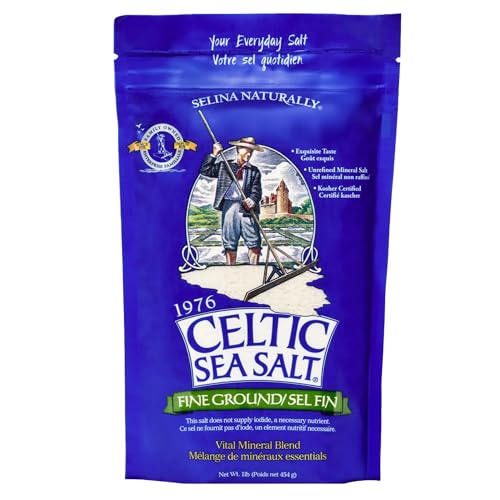

Celtic Sea Salt Fine 5 lb

Celtic Sea Salt Fine 2-Pack

Celtic Sea Salt Coarse 2-Pack, 1 lb Each

Celtic Sea Salt Coarse 5 lb

Celtic Sea Salt Fine ¼ lb

Saltique French Grey Celtic Salt, Fine ¼ lb
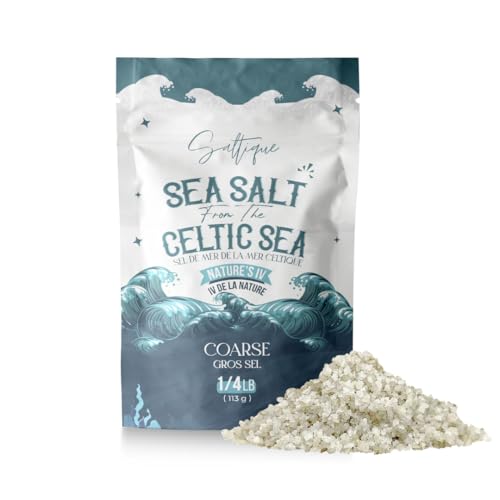
Saltique French Grey Celtic Salt, Coarse ¼ lb
A Breakdown Of The Leading Choices
The 16-ounce format lands in the practical middle ground between a small trial pouch and a pantry-filling sack. Fine grinding makes this a sensible table salt as well as a baking ingredient, since the crystals disperse more easily than coarse pieces in doughs, sauces, and seasoning blends.
For a home kitchen that uses salt every day, I find the resealable bag easier to manage than a bulk sack. Compared with Celtic Sea Salt Fine 2-Pack, this option trades some storage flexibility for a simpler single-container setup.
What Stands Out
- The fine grind works across everyday cooking and baking.
- Sixteen ounces suits regular pantry use without excessive bulk.
- The resealable package helps limit exposure during repeated handling.
- A subtle salt character works well in mixed recipes and at the table.
- The single-bag format keeps pantry setup uncomplicated.
Practical Considerations
- The fine texture offers little visible crunch for finishing dishes.
- A single 16-ounce bag may be less convenient for separating kitchen and baking storage.
Who It Suits Best
Busy home cooks seeking one dependable fine salt for daily seasoning, doughs, sauces, and recipe preparation benefit most from this format.
A Better Fit Elsewhere
Celtic Sea Salt Fine 2-Pack suits households that prefer two one-pound bags for separate pantry zones or frequent baking sessions.
Five pounds changes the practical equation for anyone cooking large batches, baking frequently, or working through a high-volume pantry staple. The fine grind remains useful for blending, doughs, brines, and general seasoning, so capacity does not come at the expense of versatility.
This bag is most useful where salt is consumed steadily and dry storage is available. Compared with Celtic Sea Salt 16 oz, the bulk format reduces refill frequency, though a smaller cook may need to divide it into separate containers after opening.
Where It Excels
- Five-pound capacity supports frequent baking and batch cooking.
- Fine crystals disperse readily through doughs and seasoning mixtures.
- One large package reduces the need for repeated pantry replenishment.
Worth Bearing In Mind
- The full bag requires dry, secure storage away from moisture and spills.
- Light household use may leave more salt than the pantry can absorb comfortably.
- Fine crystals can scatter during careless pouring.
- No coarse finish is available from this particular grind.
Made For
Frequent bakers, home bread makers, and high-volume meal preparers gain the most practical value from the five-pound size.
Consider Something Else When
Saltique French Grey Celtic Salt, Coarse ¼ lb better fits a cook seeking texture and a smaller quantity for finishing individual dishes.
Two one-pound bags offer a more organized alternative to carrying one bulky container. I can put one fine salt bag beside the stove and keep the other in a baking cupboard, which is especially useful in a busy kitchen where repeated spooning can scatter crystals.
The format splits the difference between Celtic Sea Salt 16 oz and Celtic Sea Salt Fine 5 lb. It supplies enough total salt for regular use while allowing the unopened portion to remain in reserve, although no resealable closure is specified here.
Reasons It Performs
- Separate bags make kitchen and baking storage easy to organize.
- The fine grind supports baking, sauces, vegetables, and recipe blending.
- Two one-pound packages provide a useful middle capacity.
- Leaving one bag unopened can reduce repeated pantry handling.
Small Caveats
- Container closure details are limited, so transfer containers may improve moisture protection.
- Fine salt is unsuitable for cooks seeking a pronounced finishing crunch.
Quick Facts
Right Fit For
Home bakers and organized households that want fine salt in more than one pantry location find the split format especially practical.
Where A Sibling Pick Shines
Celtic Sea Salt 16 oz is the simpler option for a single kitchen and moderate everyday use.
Coarse light-grey crystals bring visible texture to the pantry, making this two-pound set useful for finishing, rubs, brining, pickling, or a salt grinder. Hand-harvested material is sun- and wind-dried, a process that helps explain the product’s coarse, minimally processed character.
Two one-pound bags provide more flexibility than a single quarter-pound pouch without reaching the storage demands of a five-pound sack. Compared with Celtic Sea Salt Fine 2-Pack, the crystals deliver a stronger visual and textural presence.
Positive Points
- Coarse crystals add noticeable texture to finished dishes.
- Two bags permit separate storage for cooking and finishing.
- The material is described as unrefined and free from additives.
- Hand harvesting and natural drying support a traditional production profile.
- A coarse grind can work with a kitchen salt grinder.
Areas To Watch
- Coarse crystals dissolve more slowly in small recipes and doughs.
- Open bags need careful transfer because damp storage can affect crystal texture.
Technical Sheet
Who Should Grab It
Grilling enthusiasts, picklers, and cooks who value visible crystal texture benefit most from this coarse format.
Another Choice May Suit
Celtic Sea Salt Fine 5 lb serves high-volume bakers who need quick-dissolving crystals more than a coarse finishing texture.
Five pounds of coarse salt favors kitchens that regularly brine, pickle, season large cuts, or finish generous platters. Whole-crystal texture gives the ingredient a distinct role, so it is not simply an oversized version of a fine table salt.
For frequent users, the bag reduces replenishment and supports several preservation-oriented methods. Compared with Celtic Sea Salt Coarse 2-Pack, 1 lb Each, this sack offers more capacity but less storage flexibility, which may matter in compact kitchens.
Advantages To Know
- The five-pound supply suits frequent brining and pickling.
- Coarse crystals remain useful for visible dish finishing.
- Large-batch cooking reduces the inconvenience of repeated refills.
- The unrefined profile appeals to shoppers prioritizing a lightly processed pantry salt.
Where It May Fall Short
- The volume is excessive for occasional seasoning or small households.
- Coarse pieces are less convenient for dissolving in light sauces and doughs.
- Moisture control matters once the bag is opened, so an airtight transfer container may be useful.
- Heavy pours can scatter crystals across the counter.
Built With In Mind
High-volume home cooks, preservation hobbyists, and small food businesses need coarse crystals in dependable supply.
Look Elsewhere When
Celtic Sea Salt 16 oz fits a typical household better when fine seasoning and compact storage matter most.
The quarter-pound pouch is the restrained choice for a first purchase, travel pantry, or kitchen that uses Celtic salt occasionally. Fine grinding makes it suitable for baking and general seasoning, while the smaller quantity limits storage commitment.
Its resealable format adds useful protection for a salt that can absorb moisture during handling. Compared with the Saltique French Grey offerings, this pouch does not specify French origin, but it remains a practical way to manage a smaller fine-salt supply.
Notable Gains
- The compact pouch suits occasional use and first-time evaluation.
- Fine crystals blend readily into recipes and doughs.
- A resealable closure helps protect the contents between uses.
Possible Compromises
- Quarter-pound capacity requires more frequent refills for heavy daily use.
- The fine grind adds no coarse finishing texture.
- Limited source detail makes origin and processing comparisons difficult.
Best Suited To
Occasional cooks, apartment kitchens, and travel pantries benefit from the smaller resealable quantity.
Reach For A Different Pick When
Celtic Sea Salt Fine 2-Pack serves a regular household that wants the same grind in a larger total quantity.
Saltique ties this fine grind to hand harvesting along the French coast, giving the grey salt a defined regional identity. The natural grey color comes from mineral-rich clay, which makes the ingredient visually distinct from pale refined table salt.
Fine grinding favors sauces, doughs, vegetables, and blended seasonings, while the quarter-pound format keeps the purchase compact. Compared with Saltique French Grey Celtic Salt, Coarse ¼ lb, this version dissolves more readily but lacks visible crystal texture.
A Favorable Mix
- French coastal origin provides clear regional sourcing details.
- The fine grind suits everyday cooking and baking applications.
- Hand harvesting adds a specific production method.
- The grey color gives the salt a distinctive pantry appearance.
- Quarter-pound packaging keeps storage requirements modest.
Details To Watch
- The smaller quantity is likely to be depleted quickly by frequent cooks.
- Fine crystals do not provide the crunch associated with coarse finishing salt.
- No resealable closure is specified, so careful dry storage is important.
Key Product Details
Whose Shelf It Belongs On
Curious cooks who value French origin, natural color, and fine seasoning texture will find this format especially relevant.
Not Your Match When
Celtic Sea Salt Coarse 5 lb is a stronger fit for cooks who need abundant crystals for brining, pickling, and visible finishing.
The coarse Saltique format turns French grey salt into a finishing ingredient with visible crystal structure. Hand harvesting and grey coloration from mineral-rich clay create a clear sense of place, while the quarter-pound bag remains manageable for a home kitchen.
That texture makes this pick useful for rubbing roasted vegetables, seasoning meat before cooking, or adding a final layer to a dish. Compared with Saltique French Grey Celtic Salt, Fine ¼ lb, it sacrifices quick dissolution for a more substantial presentation.
Notable Upsides
- Coarse crystals create visible texture in finished dishes.
- French origin and hand harvesting provide specific sourcing context.
- The grey color comes naturally from mineral-rich coastal clay.
- The compact package supports selective finishing rather than bulk storage.
Less-Strong Areas
- Coarse crystals are less useful in delicate doughs and small dissolved seasonings.
- Quarter-pound capacity may run out quickly in a frequently used kitchen.
- Moisture can interfere with handling, so airtight storage remains worthwhile after opening.
Feature Snapshot
Who Will Love This
Cooks who favor French pantry ingredients and want a controlled amount of coarse salt for finishing individual dishes fit this format well.
Swap It Out When
Fine Ground Celtic Sea Salt ¼ lb is a better match for baking and recipes requiring quick-dissolving crystals.
How To Match The Right Grind And Format
Choosing among Celtic salt options starts with the dish, not the packaging. Fine grind distributes readily through doughs, sauces, and seasoning blends, while coarse crystals provide a more visible finish and can work in brines or pickling. Package size should then follow actual pantry demand.
Fine Grind For Daily Cooking
Fine salt is the practical choice for bread, pasta, vegetables, sauces, and recipes measured by spoonful or teaspoon. It behaves more like a standard table seasoning, which makes it useful in kitchens that do not keep several salt formats on hand. The trade-off is minimal crunch.
Coarse Crystals For Texture
Coarse salt suits finishing, visible seasoning, and preparation methods that benefit from substantial crystals. Grinder users may find that format particularly convenient, though the source does not specify a compatible grinder model. Home cooks should still keep a fine salt nearby for recipes that need fast dissolution.
Bulk Or Small Pouch?
Five-pound bags make sense for frequent baking, batch cooking, brining, or regular use across a busy kitchen. A 16-ounce bag fits moderate everyday demand, two one-pound bags improve storage flexibility, and quarter-pound pouches limit commitment. Dry, airtight storage matters most after a bag is opened.
Small Details That Change The Choice
Mistakes Worth Dodging
A common mistake is choosing coarse crystals for a recipe that calls for rapid dissolution. Another is buying a large sack before considering pantry space or realistic consumption. I also check the package format carefully because a small quantity and a refillable bulk bag serve very different kitchen routines.
The Case For Spending Up
Higher-priced options may offer specific origin, hand-harvesting details, regional sourcing, or a carefully selected texture. The premium case is strongest for cooks who value those details, use the salt regularly, or want a coarse French grey salt for finishing. For occasional seasoning, a smaller fine-salt pouch is usually the more practical fit.
Frequently Asked Questions
What Is the difference between fine and coarse Celtic salt?
Fine salt dissolves and blends more readily, making it useful for baking, sauces, and everyday seasoning. Coarse salt keeps more visible texture and works well for finishing, brining, and pickling.
Is coarse Celtic salt suitable for a salt grinder?
Coarse crystals are generally a practical fit for grinders designed to process visible salt crystals. I still check the grinder’s opening size and instructions before loading a new texture.
Which package size is best for frequent baking?
A five-pound fine-salt bag reduces refills during heavy baking schedules. A two-pound split format is often easier to organize and may suit a kitchen with limited storage.
Can Celtic salt be used in pickling?
Coarse Celtic salt can serve pickling and brining preparations where substantial crystals are desired. I use the quantity specified by the recipe rather than assuming texture changes salinity.
Is French grey salt different from pale table salt?
French grey salt has a naturally grey appearance linked to coastal clay and comes in fine or coarse formats. Table salt is generally more uniformly white and finely processed, so texture and appearance differ.
Final Thoughts
The most useful choice depends on grind and pantry format. Fine salt handles everyday cooking and baking, coarse salt brings texture to finishing, and a smaller pouch limits commitment for occasional use. I would choose the format that matches the way salt is actually used in the kitchen, then store it in a clean, dry, airtight place.