
Chickpea pasta fits neatly into weeknight dinners, but the category now includes plenty of wheat-free alternatives made from lentils, peas, lupini beans, and other plant-based ingredients. I focus on texture, sauce compatibility, protein content, shape, pack size, and pantry practicality to help home cooks choose well. The list includes traditional pasta and snack options that share similar nutritional themes but serve different purposes.
The Main Contenders

Barilla Mezzi Rigatoni Pasta 16oz. 12-Pack

Brami Italian Protein Radiatori Pasta

Barilla Protein+ Elbows Chickpea Pasta 14.5oz. 8-Pack

Barilla Whole Grain Thin Spaghetti 16oz. 20-Pack
Kaizen Low Carb Fusilli Pasta 8oz. 3-Pack
BRAMI Lupini Beans Sea Salt Vinegar Snack 5.3oz. 8-Pack

BRAMI Lupini Beans Snack Variety 5.3oz. 8-Pack
Kaizen Low Carb Pasta Variety 8oz. 4-Pack
Inside Each Recommended Option
Mezzi rigatoni brings the substantial feel of rigatoni into a smaller tube that fits baked dishes, weeknight pasta, and sauces with visible chunks. Its ridged surface gives tomato, meat, vegetable, and creamy sauces plenty of texture to cling to. The 10- to 11-minute cooking window also makes it convenient for busy kitchens where dinner timing matters.
Compared with the plant-based picks that follow, this Barilla option is made from durum wheat rather than chickpeas or legumes. I consider it the dependable baseline for cooks who want a conventional pasta bite and broad sauce compatibility, with less nutritional repositioning required.
Key Advantages
- Ridged tubes hold chunky sauces and baked pasta toppings.
- Durum wheat offers a familiar pasta texture and structure.
- The smaller shape works well with chunky meat and vegetable sauces.
- Twelve 16-ounce boxes suit households that cook pasta frequently.
- It is useful for casseroles, where pasta al forno is the goal.
Practical Considerations
- It is wheat-based, so it does not suit a grain-free meal plan.
- The large case requires adequate pantry space and rotation after opening.
Key Specs
Who It Suits Best
Families and beginner cooks who want a traditional, sauce-friendly pasta with a long pantry supply.
Another Choice May Suit
Barilla Protein+ Elbows is the better fit for cooks prioritizing a chickpea, lentil, and pea blend.
Brami Italian Protein Radiatori Pasta is built around a simple ingredient idea: durum wheat semolina combined with lupini bean flour. Each serving provides 21 grams of protein and 9 grams of fiber, giving it a clear advantage over ordinary wheat pasta for cooks who want more plant protein in the same pasta format.
Radiatori has short, ridged pieces that work particularly well with chunky sauces, pesto, and baked dishes. The result appears especially useful for a workday lunch or a quick dinner where a normal wheat pasta feels nutritionally light, although some eaters may notice the bean-based flavor more readily.
What Makes Sense
- 21 grams of protein per serving supports higher-protein meal planning.
- Nine grams of fiber adds a more substantial profile than standard pasta.
- The radiatori shape catches chunky sauces and toppings.
- Lupini bean flour creates a plant-based alternative to wheat-centered pasta.
Things To Consider
- Legume-based pasta can have a more pronounced earthy or bean-like flavor.
- It remains wheat-based, so it is not suitable for gluten-free cooking.
- Nutrition figures are serving-based, so portion size still shapes the final meal.
Right Fit For
Cooks who want wheat pasta plus a meaningful protein and fiber contribution without switching to a legume-heavy snack format.
A Better Fit Elsewhere
Kaizen Low Carb Fusilli suits people who need a grain-free and lower-carbohydrate pasta profile.
Barilla Protein+ Elbows is the clearest chickpea-centered option in the group, using lentil flour, pea protein, and chickpea flour in a plant-based pasta. Each 3.5-ounce serving provides 17 grams of protein, which makes it useful for meals built around legumes rather than refined wheat alone.
The elbow shape is familiar enough for children and reluctant pasta eaters while still holding chunky sauces. Unlike Brami Italian Protein Radiatori, which centers on wheat and lupini beans, this option uses a broader plant blend and presents a more traditional American supermarket profile.
Benefits That Matter
- Chickpea, lentil, and pea ingredients diversify the plant protein sources.
- Elbows are approachable for pasta salads, sauces, and baked dishes.
- Seven two-ounce servings per 14.5-ounce box support portion planning.
- The 17-gram protein figure per 3.5-ounce serving is substantial for pasta.
Honest Caveats
- Plant-based pasta can have a softer bite or a more earthy flavor than wheat pasta.
- Older boxes may sit in the pantry longer, so opening dates deserve attention.
- Sauces with excessive moisture can make pasta texture feel less firm.
Made For
Plant-based households and everyday cooks who want chickpea pasta with a familiar elbow shape and a substantial protein contribution.
Where A Sibling Pick Shines
Brami Italian Protein Radiatori offers a more pronounced wheat-and-lupini structure for cooks wanting a firmer, more traditional bite.
Whole grain thin spaghetti brings a different kind of practicality to the list: a long-running pantry staple rather than a legume-based replacement. It is made with durum wheat and provides 3 grams of fiber per serving, twice the amount listed for traditional Barilla pasta.
Thin spaghetti suits tomato sauce, vegetables, fish, and lighter weeknight dishes, but it is not a chickpea pasta. I include it as a useful comparison for cooks who value wheat pasta’s familiar structure and a much larger pantry case.
Features That Help
- Three grams of fiber per serving provides a reason to choose whole grain.
- Thin strands pair naturally with tomato, vegetable, and fish dishes.
- Durum wheat maintains a familiar al dente-oriented pasta experience.
- Twenty 16-ounce boxes support frequent household use.
Points To Note
- It contains wheat and does not fit a gluten-free kitchen.
- Whole grain pasta can have a slightly grainier taste than refined wheat pasta.
- Thin strands need gentle handling to prevent sticking before draining.
Who Will Love This
Large households and traditional pasta cooks who want a substantial whole-grain supply without changing the basic spaghetti format.
Reach For A Different Pick When
Barilla Protein+ Elbows is the stronger option for cooks specifically seeking chickpea flour and plant protein.
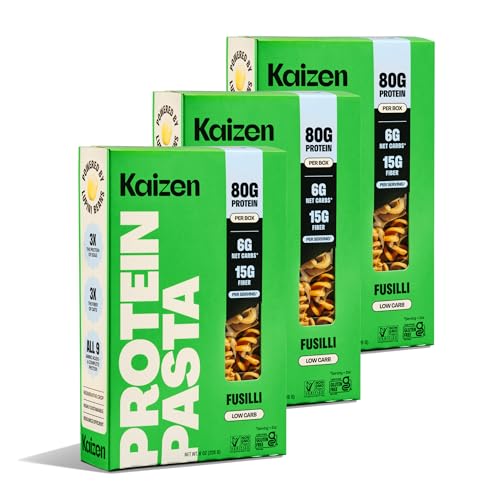
Kaizen Low Carb Fusilli targets a narrower use case than the chickpea-centered Barilla Protein+ pick. The pasta is described as a gluten-free, plant-based, low-carbohydrate option made with lupin beans, giving it a distinctly different position in the pantry.
Fusilli is a good shape for chunky sauces, but the nutritional format matters more than the traditional silhouette. Cooks following a reduced-carbohydrate or grain-free approach may appreciate the separation from chickpea, lentil, and shirataki-style alternatives, though texture expectations should stay realistic.
Strengths Worth Knowing
- The formula is gluten-free and entirely plant-based.
- Fusilli shape supports sauces with vegetables, meat, or herbs.
- Each listed 8-ounce box is compact for small kitchens.
- The three-pack keeps several portions available for planned meals.
Where It May Fall Short
- Lupin-based pasta can taste more vegetal than wheat pasta.
- Low-carbohydrate pasta may require more seasoning and sauce support than standard pasta.
- The 8-ounce format requires more frequent restocking than a family-size case.
Built With In Mind
Low-carbohydrate meal planners and cooks who need a gluten-free, plant-based pasta shape for sauces and bowls.
Another Choice May Suit
Barilla Protein+ Elbows is the better choice for cooks specifically prioritizing chickpea, lentil, and pea ingredients.
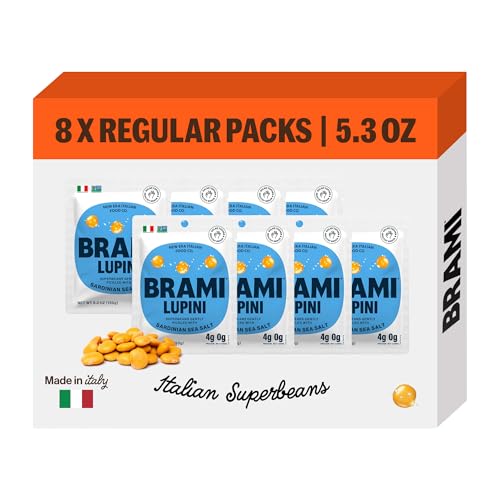
BRAMI Lupini Beans is a snack, not pasta, but it belongs in this roundup for cooks looking for a ready-to-eat plant protein with a crunchy texture. The sea salt and vinegar format is described as containing 7 grams of plant protein and 0 grams of net carbohydrates per serving.
Use it beside salads, grain bowls, or stir-fries, or pack a few pieces for a commute. Compared with the pasta options, the main advantage is zero cooking, while the main limitation is that the serving format does not replace a full meal.
Where It Delivers
- Ready-to-eat beans remove boiling and sauce preparation.
- Seven grams of plant protein make the format useful for snack plates.
- Zero net carbohydrates per serving support low-carbohydrate snack planning.
- The savory flavor works in salads, bowls, and stir-fries.
Small Caveats
- Sea salt and vinegar may be too intense for people preferring mild flavors.
- The snack is crunchy, so it is less useful for creamy pasta sauces.
- Individual packets can create packaging clutter in a small pantry.
Built For
Commuters, lunch-box users, and low-carbohydrate snackers who want a portable lupini bean option.
Where Another Pick Shines
Kaizen Low Carb Fusilli is the better fit for a full pasta meal rather than a crunchy snack.
The BRAMI Lupini Beans Variety Pack keeps the same snack format as the sea salt and vinegar option but broadens the flavor range. Garlic and herb, Mediterranean medley, and Sardinian sea salt are the listed choices, giving snackers several savory directions without changing the core format.
I see this as a better fit for a tasting household than for someone who wants only one established flavor. The beans are ready to eat and can move from snack plate to salad topping, while cooks seeking a full pasta course should choose one of the pasta items instead.
Real Benefits
- Multiple listed flavors make it easier to rotate snack preferences.
- Ready-to-eat lupini beans require no preparation.
- The snack provides plant protein and a crisp texture for meal toppings.
- Several small 5.3-ounce packs help control portions and storage.
Trade Offs
- Flavor discovery means some shoppers may not use every variety quickly.
- Crunchy beans do not behave like cooked pasta in saucy dishes.
- A mixed pack may be less practical than a single flavor for regular use.
Whose Shelf It Belongs On
Snackers and lunch-packing households that want several savory lupini bean flavors in individually portioned packs.
Consider Something Else When
BRAMI Sea Salt and Vinegar is the simpler fit for a pantry that only needs one flavor profile.
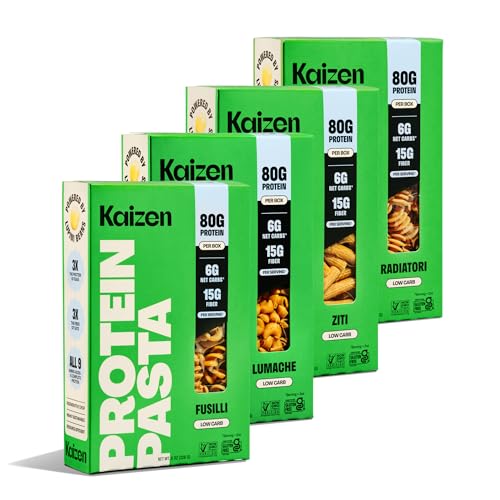
Kaizen Low Carb Pasta Variety Pack expands the earlier single-shape Kaizen option with fusilli, lumache, ziti, and radiatori in one box. That variety matters because each pasta shape handles sauce differently, from small openings that cling to seasoning to tubes and curved forms suited to thicker sauces.
The formula remains gluten-free and plant-based, so the pack appeals to cooks who want a low-carbohydrate alternative with several forms available. It is more useful for planned meals and small households than for stocking a very large family case, and the low-carbohydrate framing should not be confused with a chickpea recipe.
A Few Strong Suits
- Four shapes make it easier to vary sauces and meal textures.
- The format is plant-based and gluten-free.
- Fusilli, lumache, ziti, and radiatori cover several classic pasta forms.
- Small 8-ounce packs suit kitchens with limited pantry space.
Potential Compromises
- The pack may be less economical for heavy pasta consumption than a large case.
- Lupin-based pasta can carry a more pronounced vegetable note.
- Some sauces may need more seasoning than standard wheat pasta.
Best Suited To
Low-carbohydrate cooks who want several pasta shapes for sauces, salads, and rotating meal plans.
A Better Fit Elsewhere
Barilla Protein+ Elbows is the better choice for a dedicated chickpea, lentil, and pea pasta blend.
What to Look for in a Chickpea Pasta
Ingredient profile
Chickpea pasta centers its nutritional identity on legumes, but related products may use lentils, peas, lupini beans, or wheat. Read the ingredient list closely, especially when combining several plant sources, since the balance affects flavor and texture.
Protein and fiber
Nutrition claims deserve context. A serving with 17 or 21 grams of protein can fit a higher-protein meal plan, but a full dinner may use several servings. Fiber works the same way, making portion size important when comparing labels.
Shape and sauce pairing
Elbows suit chunky sauces, spaghetti handles lighter toppings, and radiatori or fusilli provide ridges and cavities. The shape also affects draining and reheating, so I pay more attention to cooking routine than marketing language.
Storage and rotation
Large cases offer pantry efficiency but need more space and stock rotation. Smaller packs are more convenient for occasional use, apartment kitchens, and cooks who want to test a new format before committing to a larger supply.
Smart Details Before Choosing
Mistakes Worth Dodging
Many shoppers assume every plant-based pasta tastes or behaves like wheat pasta. Legume-based pasta can be softer, more vegetal, or less firm after cooling, so cooking it in a comparable dish and tasting it before saucing helps.
What The Higher Tier Buys
Pasta variety and added legumes can cost more at the register, but the value depends on use. A higher-protein formula may help meal planning, while a larger pack benefits frequent cooks who already know which shape and flavor they prefer.
Frequently Asked Questions
What is chickpea pasta?
Chickpea pasta is pasta made partly or mainly from chickpea flour rather than conventional wheat flour. It usually has a legume-based flavor and a different texture profile from durum wheat pasta.
Is chickpea pasta higher in protein?
Many chickpea pastas provide more protein and fiber than standard wheat pasta. The amount varies by recipe, so comparing the serving size and nutrition label matters more than the product name alone.
Can chickpea pasta be used in baked dishes?
Yes. Elbows and other sturdy shapes work well in casseroles and pasta al forno-style dishes. A slightly firmer cooked texture and a sauce with enough moisture usually produce better results.
Is chickpea pasta suitable for gluten-free cooking?
Chickpea flour itself does not contain wheat, but the complete product may include other ingredients that need checking. People following a strict gluten-free diet should inspect the full ingredient list and packaging information.
What is the best pasta shape for chunky sauce?
Radiatori, fusilli, and ridged elbow shapes generally provide useful texture for chunky sauces. Thin spaghetti is more appropriate for lighter sauces that coat the strands without overwhelming them.
Final Verdict
Barilla Protein+ Elbows is the most direct fit for a chickpea-centered pasta routine, while Brami Italian Protein Radiatori suits cooks wanting a wheat-and-lupini blend with more protein. Kaizen covers lower-carbohydrate and gluten-free preferences, and the BRAMI snacks belong beside the pasta list when a ready-to-eat plant protein is useful. Choose the format that fits the meal, pantry, and texture preference before the ingredient profile.