

Coffee shopping gets confusing when every label uses “clean,” “natural,” or “chemical-free” differently. I compare grind format, acidity, roast profile, origin, storage, and intended brewing method so daily drinkers can find a coffee that fits the routine without relying on vague claims. The list covers whole beans, ground coffee, decaf, cold brew concentrate, and Keurig pods for home, travel, and busy mornings.
A Snapshot Of The Selections

Cafe Altura Morning Blend Coffee Beans

LIFEBOOST Low Acid French Roast Coffee

Cafe Altura Regular Decaf Ground Coffee
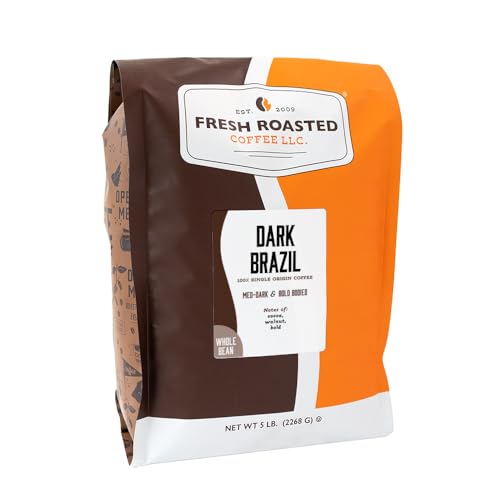
Fresh Roasted Dark Brazil Whole Bean Coffee

Java House Decaf Cold Brew Concentrate

Java House Colombian Cold Brew Pods

Fresh Roasted Seriously Dark Keurig Pods

Fresh Roasted Ethiopian Yirgacheffe Beans
The Details Behind The Selections
A standard morning routine benefits from coffee that preserves the aroma lost during storage. Cafe Altura Morning Blend keeps the beans whole, allowing a home grinder to release flavor immediately before brewing. The two-bag format suits households that brew several cups most days.
The roast is described as balanced, smooth, and naturally sweet, which sounds more approachable than an aggressively dark profile. Compared with Java House Cold Brew Concentrate, this choice demands equipment but offers more control over strength and extraction.
Strengths Worth Knowing
- Whole beans remain flexible across drip, pour-over, and French press setups.
- The balanced profile suits milk, black coffee, and gradual strength changes.
- Two 20-ounce bags simplify stocking a home coffee shelf.
- Organic sourcing provides a clear basis for label comparison.
Minor Gripes
- A grinder is required for the freshest preparation.
- Whole beans lose aroma faster than pre-ground coffee.
- The balanced roast may be too mild for intense dark-roast preferences.
Made For
Daily home brewers with a grinder and a preference for balanced, uncomplicated coffee.
Where Another Pick Shines
Cafe Altura Regular Decaf Ground Coffee is the easier fit for evening drinkers without a grinder.
Low acid is the defining term here: it describes coffee with a gentler perceived acidity, not a caffeine-free product. LIFEBOOST pairs that profile with French roast, spring-water washing, and sun drying, making the 12-ounce ground bag practical for drinkers who prefer a dark flavor without sharp brightness.
For someone moving away from acidic coffee, this offers a more focused transition than a light roast. The ground format is convenient, although pre-ground coffee loses aroma more quickly than the whole beans from Cafe Altura Morning Blend.
The Case For It
- Low acidity directly addresses a specific coffee preference.
- The French roast profile supports a darker, familiar taste.
- Single-origin Nicaraguan sourcing gives shoppers traceable origin information.
- The ground format suits standard drip machines and quick weekday preparation.
Worth Noting
- Low acid does not mean the coffee is gentler in every sensory respect.
- The dark profile may still be too bold for milk-and-sweet-drink drinkers.
- Ground coffee needs airtight storage and prompt use for aroma retention.
Who It Suits Best
Dark-roast drinkers who find high-acid coffee harsh and want ready-ground convenience.
Consider Something Else
Fresh Roasted Ethiopian Yirgacheffe Beans suit palates seeking brighter acidity and a more delicate light roast.
A small kitchen or evening routine benefits from a compact coffee format that does not require a grinder. Cafe Altura Regular Decaf Ground Coffee comes ready to brew in a 10-ounce steel can, with the package positioned for drip, pour-over, French press, and cold-brew preparation.
The can provides a practical advantage over an open bag: it helps limit exposure to air and moisture, although opened grounds still need resealable storage. The decaf profile makes this a natural evening option, while the 25-cup claim gives a useful planning estimate for a typical can.
Useful Touches
- Ready-ground coffee removes the need to measure or grind beans.
- The steel can supports compact storage and flavor protection.
- Decaf coffee serves evening routines without removing coffee entirely.
- Multiple brewing formats keep the grounds flexible.
Small Caveats
- Ground coffee loses aroma faster than whole beans.
- The 10-ounce can may require more frequent replenishment than a larger bag.
- The source lists multiple size variants, so package details deserve a careful check.
Quick Facts
Right Fit
Evening drinkers, small kitchens, and beginners who want uncomplicated ground coffee.
A Better Fit Elsewhere
Fresh Roasted Dark Brazil Whole Bean Coffee better serves frequent brewers who own a grinder and value flexibility.
Large households and shared offices benefit from a five-pound bag that reduces the frequency of coffee orders. Fresh Roasted Dark Brazil Whole Bean Coffee uses a medium-dark roast and single-origin beans from Brazil’s Cerrado region, aimed at drinkers who prefer substantial body with a clean finish.
The cocoa and walnut notes give the roast direction without relying on burnt flavors. Compared with Cafe Altura Morning Blend, this option is larger, darker, and more specialized, while still requiring grinding at home for the intended preparation.
Benefits That Matter
- The five-pound format supports high-volume home and office brewing.
- Single-origin beans provide a clearly identified geographic source.
- Medium-dark roasting suits strong black coffee and milk-based drinks.
- Whole beans preserve brewing flexibility until grinding.
Trade Offs
- The large bag needs airtight, cool storage to protect freshness.
- Whole-beel format adds a grinding step to each preparation.
- The dark profile may overpower delicate light-roast preferences.
Feature Snapshot
Built With In Mind
Busy households and shared offices that brew several cups regularly and have suitable bean storage.
Another Choice May Suit
Cafe Altura Regular Decaf Ground Coffee is more practical for evening use and setups without a grinder.
Commuters and hotel guests can make a cold drink with concentrate, ice, and water rather than a grinder or coffee machine. Java House Decaf Cold Brew Concentrate comes in single-use 1.35-fluid-ounce pods and can also be prepared hot, giving the same pod more than one use case.
The concentrate format puts strength control in the hands of the drinker, though more liquid produces a milder cup. Compared with the Colombian cold brew pods in this list, this decaf version is the better fit for evening travel and routines that avoid caffeinated coffee.
Where It Helps
- Single-use pods simplify travel and cleanup.
- The concentrate works with hot or iced water.
- Decaf coffee suits evening and travel routines.
- Liquid format avoids grinding and brewing equipment.
Practical Considerations
- Water ratio changes the final coffee strength.
- Single-use packaging creates ongoing waste in regular routines.
- Concentrate may not match the depth of freshly brewed cold brew.
On The Road
Travellers, hotel guests, and iced-coffee drinkers who value a compact preparation method.
Where A Sibling Pick Shines
Java House Colombian Cold Brew Pods suit caffeinated drinkers who want a ready-to-pour cold-brew option at home.
A fast iced-coffee routine benefits from a pod that can be peeled, combined with water, and served without a brewer. Java House Colombian Cold Brew Pods use a liquid concentrate format and are described as suitable for either hot or cold preparation, making them more flexible than a standard ground pod.
The Colombian source and slow-steeping description position the coffee toward a bold, smooth profile with chocolate and caramel notes. Compared with LIFEBOOST Low Acid French Roast Coffee, this option prioritizes cold-brew convenience and a brighter source identity rather than low acidity.
What Helps Most
- Peel-and-pour preparation eliminates brewing equipment.
- Cold and hot preparation both work with the concentrate.
- The Colombian origin provides a clear sourcing reference.
- Individual pods make strength and serving count easy to control.
Where It May Fall Short
- The concentrate format differs from a standard bag of ground coffee.
- Multiple pods require ongoing storage and replenishment.
- Caffeinated coffee may not suit evening routines.
Core Details
Whose Shelf It Belongs On
Caffeinated cold-brew drinkers who value quick preparation and have limited counter space.
Reach For A Different Pick
Java House Decaf Cold Brew Concentrate is the stronger match for evening and travel-oriented routines.
Single-serve brewing makes sense for a shared apartment, small office, or early routine with limited cleanup. Fresh Roasted Seriously Dark Keurig Pods provide a pre-portioned dark option for compatible brewers, removing the need to choose a grind size or measure coffee each morning.
The pod uses a #5 plastic cup with paper-based packaging, while the grounds and filters are described as home compostable. That matters for a routine involving repeated brewing, although local compost acceptance varies and should be checked locally.
Practical Pluses
- Single-serve portions simplify morning preparation.
- The dark roast suits strong coffee preferences.
- Pod packaging reduces exposure to the grounds between uses.
- Compostable grounds and filters support household waste routines.
Details To Watch
- Keurig compatibility limits use with other brewers.
- Single-use cups create more packaging than reusable ground coffee.
- Dark pods can lose balance if brewed at a high setting.
Key Product Details
Who Should Grab It
Single-serve coffee drinkers with a compatible brewer and a preference for dark roast.
Swap It Out When
Cafe Altura Morning Blend Coffee Beans fit a household with a grinder and more control over grind size.
Coffee drinkers exploring origin-specific flavors may find this Ethiopian Yirgacheffe more expressive than the broad profiles of Cafe Altura Morning Blend. The light roast is associated with tangerine, lime, and a lemon-tea finish, giving the cup a brighter and more delicate direction.
The 12-ounce whole-bean package is a manageable size for a home grinder, especially for experimentation with pour-over. Compared with Fresh Roasted Dark Brazil Whole Bean Coffee, this choice prioritizes origin character and acidity over bulk quantity and heavy body.
A Few Strong Suits
- Single-origin labeling provides a clear Ethiopian identity.
- Light roasting brings out bright fruit and citrus notes.
- Whole beans support controlled grinding at preparation time.
- The 12-ounce bag suits limited shelf space and sampling.
Less Ideal Details
- Bright acidity may not suit drinkers seeking a low-acid cup.
- Whole beans require a grinder and prompt use after opening.
- The smaller package may need frequent replenishment for heavy use.
Technical Highlights
Best Suited To
Curious home brewers who enjoy bright acidity, fruit notes, and single-origin coffee.
A Better Fit Elsewhere
LIFEBOOST Low Acid French Roast Coffee serves drinkers who prefer darker flavor and less perceived acidity.
What Matters Most Before Choosing
Format and Brewing Method
I start with the coffee preparation already in use. Whole beans offer the most control when a grinder is available, while ground coffee suits drip machines and compact kitchens. Single-serve pods reduce measuring and cleanup, but they require compatible equipment and ongoing packaging.
Roast, Acidity, and Origin
Dark roasts generally emphasize body, roast character, and lower perceived acidity. Light roasts tend to highlight origin and brighter fruit or citrus notes. The source description remains important, since “low acid” and “single origin” describe very different priorities.
Freshness and Storage
I prefer airtight, opaque storage for whole beans and ground coffee. A sealed can helps protect an opened package, but transfer to an airtight container may make portioning and resealing easier. Whole beans generally deserve grinding shortly before brewing for stronger aroma.
Claims and Label Reading
I treat “without chemicals” as a broad marketing phrase rather than a precise scientific category. Coffee naturally contains many chemical compounds, so I compare concrete details such as organic sourcing, origin, roast level, acidity, package format, and storage needs instead of relying on a single sweeping claim.
Common Shopping Slip Ups
Common Shopping Slip Ups
I avoid confusing organic labeling with a promise of zero additives, since these terms address different parts of the coffee. I also check roast profile and acidity, because a light Ethiopian coffee and a low-acid French roast serve very different preferences.
The Case For Spending Up
A larger format can reduce replenishment, while single-origin coffee may offer more specific flavor information. The extra cost is most useful for frequent brewing, freshness-sensitive whole beans, or a carefully chosen origin rather than an unspecified dark roast.
Frequently Asked Questions
Is coffee naturally chemical-free?
Coffee contains naturally occurring chemical compounds, so “chemical-free” is not a precise description. I focus on transparent sourcing and specific label information instead.
What is the best format for a home coffee routine?
Whole beans suit drinkers with a grinder, while ground coffee is more convenient. Pods work well for compatible brewers and quick single servings.
Is low-acid coffee always decaf?
No. Low acid describes the perceived acidity of the beverage, not its caffeine content. Some decaf coffees can still have a dark or full-bodied roast profile.
How should whole beans be stored?
I keep them airtight, cool, and away from prolonged light exposure. Grinding shortly before brewing helps preserve the aroma released during preparation.
Are Java House pods suitable for travel?
Their single-use liquid format is convenient for travel and small spaces. I still check local disposal rules and pack the pods where leakage is unlikely.
Final Thoughts
I find that the best fit depends less on a broad label than on format, roast, acidity, and storage needs. Cafe Altura Morning Blend covers the balanced daily cup, LIFEBOOST targets lower perceived acidity, and the Java House concentrates suit quick cold or hot preparation. For origin-focused brewing, Fresh Roasted Ethiopian Yirgacheffe Beans offer a more distinctive cup, while the five-pound Brazil option serves high-volume routines.