

Choosing breakfast cereal for diabetes requires more than spotting a “no sugar added” claim. Fiber, net carbohydrates, protein, added sweeteners, portion size, and the cereal’s role in a balanced meal all deserve attention. I compare these seven options for people managing blood sugar at home, including those who prefer low-carb granolas, high-fiber flakes, familiar whole-grain cereal, and protein-focused breakfasts. I also note the practical trade-offs, especially where flavor, storage, or everyday convenience may influence the decision.
The Leading Options At A Glance
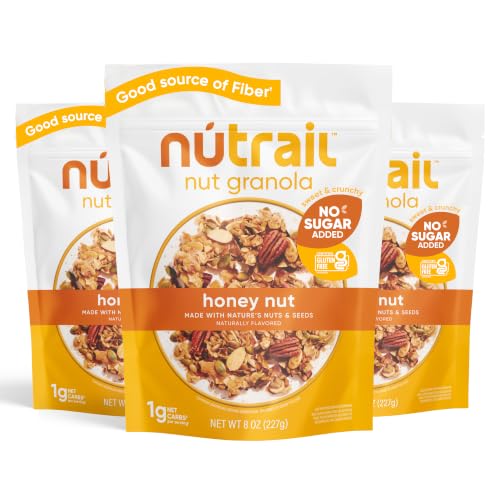
NuTrail Honey Nut Granola 8 oz 3 Count

NuTrail Peanut Butter Nut Granola 8 oz

NuTrail Protein Nut Granola 15-17g Protein 3 Count

Grain Berry Multi-Bran ONYX Sorghum 2 Pack

Alpen Cereal No Sugar Added

Kashi GO Chocolate Crunch 16 oz 4 Pack

Purely Elizabeth Honey Peanut Butter 2 Pack
A Closer Look At Each Pick
Honey Nut Granola offers the most compact carbohydrate profile in this group, with 1 to 3 grams of net carbs per serving. Net carbs represent total carbohydrates minus fiber, which makes the label easier to compare with other low-carb cereals. In my view, that makes this a sensible option for a tightly managed breakfast routine.
The three-pack format suits households that eat breakfast regularly or split granola between cereal bowls, smoothies, and snacks. Compared with the larger Kashi boxes, the resealable 8-ounce packages may be easier to keep fresh, although the added sweeteners still require attention in the full ingredient and nutrition panels.
Positive Takeaways
- Each serving supplies 1 to 3 grams of net carbs for a strongly carbohydrate-conscious morning.
- Three individual 8-ounce packages provide convenient storage for regular household use.
- The grain-free formula gives cereal shoppers another option beyond conventional wheat-based flakes.
- It can serve as cereal, a yogurt topping, or a crunchy addition to a smoothie.
Practical Considerations
- No added sugar does not mean sugar-free, so every label still needs careful reading.
- Granola texture can soften after opening, making an airtight container important for storage.
Key Specs
Right Fit For
People following a low-carb or keto-style eating pattern who prioritize a small net-carb number and enjoy nut granola.
Another Choice May Suit
NuTrail Protein Nut Granola fits more closely when breakfast needs a much larger protein contribution.
Peanut butter flavor gives this NuTrail option a more dessert-like breakfast profile than plain bran flakes. The stated four grams of net carbs per serving sit higher than the Honey Nut Granola’s range, but flavor preference can matter just as much during a rushed morning.
I would consider this for a person who finds plain low-carb cereal bland and wants granola over yogurt or frozen fruit. The honest catch is that peanut suitability is a nonstarter for some households, while the 8-ounce box may disappear quickly in a shared pantry.
Features That Help
- Four grams of net carbs provide a clearly stated carbohydrate comparison point.
- Peanut butter flavor makes a low-carb cereal feel more like a treat.
- Multiple pack options accommodate single households and larger kitchens.
- The grain-free formula broadens breakfast choices beyond wheat cereal.
Small Caveats
- Peanut and other allergen handling matter in homes with allergy concerns.
- Granola tends to lose its crisp texture once exposed to air or moisture.
- “No sugar added” does not remove the need to inspect natural sweeteners and total carbohydrates.
Built With In Mind
Low-carb shoppers who want peanut butter flavor and prefer granola clusters over flakes.
Consider Something Else When
Purely Elizabeth Honey Peanut Butter is a more fitting alternative for a higher-fiber breakfast with wider cereal variety.
Protein shifts this granola from a simple crunchy topping into a substantial breakfast component. Each 2/3-cup serving provides 15 to 17 grams of protein, which could make the cereal useful after strength training or during a long workday that benefits from a filling meal component.
Unlike the first two NuTrail choices, this formula emphasizes whey protein crisps, fiber, nuts, and seeds rather than a very low net-carb number. The variety format may also reduce flavor fatigue, though the provided information does not identify which varieties are included.
Notable Gains
- The 15-to-17-gram protein range can add meaningful substance to a breakfast bowl.
- Three to four grams of fiber per serving complement the protein content.
- Whey protein crisps add crunch without turning the cereal into a soft oat cluster.
- Three 8-ounce packages support convenient portioning and pantry storage.
Points To Keep In Mind
- Dairy-derived whey protein excludes the product from a dairy-free diet.
- The three-pack may be excessive for a one-person household.
- Higher protein does not automatically mean lower total carbohydrates, so the nutrition label remains essential.
Feature Snapshot
Who It Suits Best
Active adults and busy workers seeking a protein-rich granola cereal for breakfast or snacks.
Look Elsewhere When
NuTrail Honey Nut Granola is a closer match for a smaller net-carb count and dairy-free breakfast.
Grain Berry brings a simpler branch-flake format to this list, paired with ONYX sorghum. The two boxes total 24 ounces, which makes this practical for households that eat cereal daily and prefer buying by weight rather than maintaining several small packages.
I would pair the flakes with a carefully selected milk or yogurt and measure portions against the complete nutrition label. The source provides no carbohydrate figures, so there is no dependable basis here for comparing its blood-sugar profile with the explicitly labeled NuTrail granolas.
A Few Strong Suits
- Two 12-ounce boxes provide a generous total cereal weight for regular use.
- The multi-bran flake format offers a familiar base for milk, yogurt, or toppings.
- ONYX sorghum gives the cereal name a recognizable grain identity.
Honest Caveats
- The available information omits fiber, net carbs, added sugar, and serving size, making direct carbohydrate comparison difficult.
- Flakes can lose texture after exposure to moisture, so the inner bags should stay sealed until needed.
Made For
Households seeking a two-box supply of traditional multi-bran flakes who will compare the complete nutrition label.
Where A Sibling Pick Shines
Alpen Cereal is the better-defined option for shoppers seeking a fruit, nut, seed, and whole-grain blend with no added sugar.
Alpen is the most traditional cereal format here, combining whole grains, fruit, nuts, and seeds. Its long-standing breakfast identity may appeal to someone leaving a sweeter cereal behind, especially because the cereal can offer more variety than plain bran flakes.
That said, “no sugar added” is only one part of the decision. Dried fruit can contribute natural sugars, while a fruit-forward cereal may need closer portion review than the low-carbohydrate NuTrail options.
Standout Benefits
- A traditional mix of grains, fruit, nuts, and seeds creates a varied breakfast texture.
- The no-added-sugar positioning appeals to shoppers reducing added sweeteners.
- The 14-ounce box provides a familiar pantry size for one or two people.
Possible Compromises
- Ingredient changes and the nutrition panel are important because dried fruit contributes natural carbohydrates.
- The 14-ounce format may be less convenient than individually portioned granola boxes.
- The original product label contains a stray numeral, making the box worth checking against the intended variety.
Who Will Love This
Long-time cereal fans who want fruit, nuts, seeds, and whole grains in a familiar breakfast mix.
Swap It Out When
Kashi GO Chocolate Crunch offers a clearer protein-and-fiber profile for a chocolate-focused morning routine.
Chocolate flavor makes Kashi GO the most approachable choice here for a morning routine that usually favors sweetened cereal. Each serving provides 10 grams of protein and 10 grams of fiber, with plant protein and multigrain chocolate clusters forming the base.
That combination may feel more substantial than ordinary cocoa cereal, although the four-box pack is excessive for many homes. Because the source lists neither total carbohydrates nor added sugar, the full panel is needed before adding it to a diabetes meal plan.
Good Reasons To Consider
- Ten grams of protein can make breakfast feel more filling than a plain flake cereal.
- Ten grams of fiber adds a useful nutrient to the morning meal.
- Plant protein suits a wider range of dietary preferences than whey-based granola.
- Chocolate clusters deliver a familiar flavor for routine breakfast use.
Things To Weigh
- The four 16-ounce boxes require ample pantry space and may take time to finish.
- Chocolate flavor and cluster texture may not appeal to people avoiding cocoa.
- Available source information does not establish total carbohydrates or added sugar.
Technical Highlights
Perfect Match For
Chocolate cereal fans who value a clear protein and fiber contribution without pursuing a grain-free granola.
Reach For A Different Pick When
NuTrail Honey Nut Granola is the stronger option for a much smaller net-carb target and separate low-carb packages.
Purely Elizabeth brings crispy flakes and crunchy clusters with a Honey Peanut Butter profile. Six grams of fiber per serving provide the clearest fiber figure among the varieties listed for this product, making the cereal interesting for breakfasts built around texture and plant-based ingredients.
Compared with Alpen, the superfood cluster format feels more modern, while the two-box set favors regular household use. Peanut allergens and unlisted carbohydrate details remain the central questions, so I would not treat the flavor name as a stand-in for the nutrition facts.
Useful Strengths
- Six grams of fiber provides a clearly stated contribution per serving.
- Honey peanut butter flavor creates an approachable sweet cereal without a chocolate focus.
- Flakes and clusters add more texture than a single-ingredient cereal.
- Plant-based vitamin D is featured as part of the cereal formulation.
Small Limitations
- Peanut flavor and allergen concerns limit compatibility with some households.
- The supplied information does not provide total carbohydrates or added sugar.
- Two 11-ounce boxes may store well but require resealing after opening.
Best Suited To
Cereal fans seeking a fiber-forward plant-based breakfast with peanut butter flavor and mixed textures.
A Better Fit Elsewhere
NuTrail Honey Nut Granola better serves strict low-carb routines because its per-serving net-carb range is stated directly.
Choosing Cereal Around Carbohydrate And Fiber Labels
Start With The Serving Size
A cereal’s package claims often describe a specific serving, not the entire bowl. Comparing serving sizes makes carbohydrate and fiber figures more meaningful. For diabetes meal planning, a registered dietitian or diabetes care professional can help translate those numbers into an individual meal routine.
Check Fiber Alongside Total Carbs
Fiber is the portion of carbohydrate that the body does not fully digest, so it belongs in the comparison. The Kashi and Purely Elizabeth options state six or ten grams of fiber per serving, while the NuTrail granolas provide net-carb ranges. These figures answer different questions and should not be treated as interchangeable.
Treat Flavor As Part Of The Plan
Peanut butter, honey, chocolate, and dried fruit can make cereal enjoyable enough to eat consistently. The catch is that flavored products can include natural or added sweeteners beyond plain grains. Checking serving weight, ingredient order, and the complete panel helps keep enjoyment within the meal plan.
Match Format To Storage Needs
Granola and cereal generally stay crisp in sealed packaging, but exposure to air or moisture softens both. A three-pack may suit a routine that uses several boxes slowly, while one large box is more efficient for a household eating cereal every day. My practical choice is the format that encourages measured portions without leaving cereal exposed between breakfasts.
Pitfalls Shoppers Hit
Mistaking Added Sugar For Total Carbs
“No sugar added” does not mean carbohydrate-free or suitable for every portion. Fruit, nuts, seeds, and other listed ingredients still require label review. Comparing total carbs, fiber, and net carbs where available gives a clearer picture than relying on the front-of-box phrase.
Buying The Largest Pack First
A four-box cereal deal can create clutter and delay consumption. A single-box trial is often easier to assess for flavor, texture, and portion size. Separate packages may also make it easier to keep unused cereal sealed.
What The Higher Tier Buys
Premium positioning often comes from concentrated protein, extra fiber, specialized ingredients, or smaller low-carb portions. Those features matter for targeted routines, but the simpler cereals may fit a balanced meal plan just as well. Value comes from matching the label to personal priorities, not automatically choosing the more elaborate option.
Frequently Asked Questions
Is cereal suitable for a diabetes meal plan?
A suitable cereal depends on portion size, individual meal planning, and the complete nutrition label. Cereal can fit a plan when carbohydrates are distributed appropriately across the day.
Which cereal has the lowest net carbs?
NuTrail Honey Nut Granola lists 1 to 3 grams of net carbs per serving, making it the lowest stated range here. Individual nutrition labels remain the final reference.
Are no-added-sugar cereals automatically low carb?
No. Added sugar is only one part of the ingredient picture. Total carbohydrates, fiber, serving size, and ingredients such as dried fruit still need review.
Is high-fiber cereal always the best choice?
Fiber supports a balanced eating pattern, but total carbohydrates and portion size still matter. The best fit depends on the rest of the person’s meal and daily routine.
Do these cereals replace a complete breakfast?
Possibly, especially higher-fiber or protein-focused varieties, but not every serving supplies all components of a balanced breakfast. Pairing cereal with protein, appropriate carbohydrates, and fruit can make the meal more complete.
Final Thoughts
The strongest fit depends on the priority: NuTrail Honey Nut Granola leads for very low net carbs, Kashi GO offers chocolate with stated protein and fiber, and Purely Elizabeth emphasizes fiber and varied textures. Alpen suits a traditional whole-grain blend, while Grain Berry offers the simplest two-box flake format. A careful label comparison and a serving that fits the full meal matter more than any front-of-box claim.