

Cold press olive oils can handle very different kitchen roles, from peppery finishing drizzles to balanced cooking fats and paired vinegar sets. I chose these options for home cooks who care about olive variety, harvest style, flavor, and practical pantry formats rather than chasing identical bottles. The Kosterina duo stands apart for separating cooking and finishing duties, while the SEASON options suit cooks seeking Moroccan single-origin oils; Canaan adds a distinctive cooperative and fair-trade story.
The Essentials At A Glance

SEASON Finishing Oil 500 mL

DeCarlo Classico Olive Oil 1 Liter Tin

Kosterina Original and Everyday EVOO Duo

SEASON Desert Olive Tree Pearls 100 g

SEASON Organic Cooking Oil 500 mL Two-Pack

Ariston Select Greek Olive Oil 16.9 Fl Oz

Canaan Fair Trade Jerusalem Olive Oil 16.9 oz
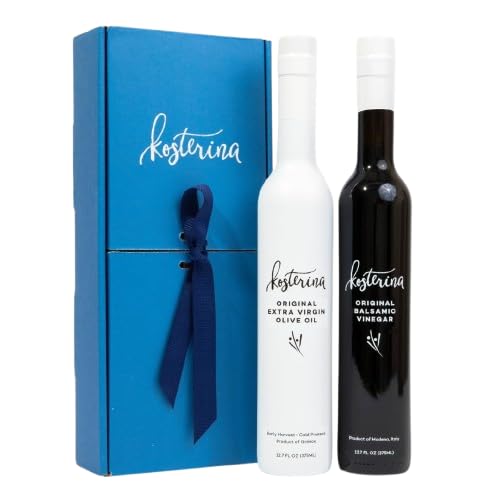
Kosterina Olive Oil and Balsamic Set
What Each Pick Brings To The Table
This bottle is built for the last drizzle rather than the hot pan. Its 500 mL size feels practical for salads, grain bowls, bread, pasta, and vegetables, particularly in a kitchen where finishing oil gets used several times a week.
SEASON identifies the oil as organic, first cold pressed, and sourced from a single Moroccan origin. Compared with Kosterina’s dual-purpose set, this is a more focused finishing option, although I may prefer a larger tin for heavy daily use.
Bright Spots
- Single-origin sourcing gives the pantry shelf a clear point of distinction.
- The rich, aromatic character works well over mild vegetables and starches.
- Organic and first-cold-pressed attributes suit ingredient-focused cooks.
- The stated hydroxytyrosol level adds a measurable point of interest.
Small Caveats
- Its finishing role is less useful for routines needing two or more cooking bottles.
- Open bottles should be resealed and stored away from heat and light to protect freshness.
Key Specs
Who It Suits Best
I favor this format for salad makers and home cooks who finish vegetables, pasta, and bread with aromatic olive oil.
Consider Something Else When
Kosterina Original and Everyday EVOO Duo is a better fit for cooks who want separate finishing and high-heat bottles.
The one-liter tin carries more practical weight than the preceding 500 mL bottle. I see it as a sensible pantry format for households that drizzle oil often enough to dislike replacing a smaller container every few weeks.
This Puglian oil combines Ogliarola Barese at 70% with Coratina at 30%. That declared varietal blend gives it a more specific identity than a general-purpose bottle, while low acidity and high polyphenols may matter to cooks comparing composition details.
Useful Strengths
- The 1 L tin reduces refill frequency for frequent users.
- Two named olive varieties create a traceable blend profile.
- The Italian origin and high-polyphenol profile suit knowledgeable cooks.
- The broad volume works for daily meals and repeated finishing.
Trade-Offs To Consider
- The metal tin needs a clean, dry pour spout to limit drips around the rim.
- Large pantry sizes can lose aroma more slowly only with cool, dark storage.
Technical Sheet
Made For
This tin suits frequent home cooks who want a generous Italian oil with a clearly stated varietal composition.
A Better Fit Elsewhere
SEASON Finishing Oil 500 mL is easier for a single cook to manage and emphasizes Moroccan finishing use.
Two bottles solve a problem most single tins leave open. The Everyday oil takes the pan, while the Original bottle brings a bolder peppery character to uncooked and lightly cooked dishes, which simplifies a busy kitchen’s workflow.
Both oils come from early-harvest Koroneiki olives in southern Greece. That common olive variety creates continuity, although the different formats separate flavor and function more clearly than DeCarlo’s single large tin.
Strengths Worth Knowing
- Separate oils reduce guesswork over finishing versus cooking.
- The Everyday bottle suits sautéing and other higher-heat routines.
- The Original bottle adds peppery flavor to dressings and vegetables.
- Both use the same early-harvest Greek olive identity.
Where It May Fall Short
- Two containers occupy more pantry space than one tin.
- People wanting one neutral oil may consider the set excessive.
- Labels need careful storage to keep light and heat away from both bottles.
The Right Fit
I see this duo as especially useful for busy home kitchens that keep a peppery finishing oil and a separate cooking fat.
Another Choice May Suit
DeCarlo Classico Olive Oil 1 Liter Tin is the more streamlined fit for one-cook households that prefer a single substantial bottle.
This is the outlier in the group because it arrives as concentrated olive pearls rather than a bottle of pourable oil. The 100 g format is easy to pack and portion, so I can see it serving travelers, lunch diners, or anyone wanting a compact pantry item.
The source identifies organic Moroccan desert olives and states that one teaspoon provides 71 mg of hydroxytyrosol. The tradeoff is format: this cannot replace cooking oil, so it complements a proper EVOO rather than competing with every bottle in this roundup.
The Practical Payoff
- The small package travels more easily than a glass oil bottle.
- Teaspoon portions make the format convenient for tasting.
- Organic olives provide a short, understandable ingredient story.
- The stated hydroxytyrosol amount is easy to compare.
Practical Considerations
- The pearls cannot perform the pouring and cooking jobs of a liquid oil.
- Owners commonly need to reseal the package carefully to limit exposure to air and moisture.
Feature Facts
Right Fit For
This format suits commuters, travelers, and compact kitchens that need a portable olive product alongside regular cooking oil.
Look Elsewhere When
SEASON Organic Cooking Oil 500 mL Two-Pack is the stronger fit for sautéing, roasting, and baking.
The two-pack is built around weeknight cooking rather than raw-food finishing. SEASON describes a smooth, delicate Moroccan oil suited to sautéing, roasting, and baking, which gives it a quieter role than Kosterina’s peppery Original bottle.
Having two 500 mL bottles offers backup during busy cooking periods and makes pantry organization easier. For a small household, though, the paired SEASON Finishing Oil may be a more useful division of labor because it separates the raw and cooked uses.
What Earns Its Place
- The mild profile fits savory dishes without dominating seasoning.
- Two bottles provide convenient pantry backup.
- First-cold-pressed and single-origin details support ingredient scrutiny.
- The format aligns with sautéing, roasting, and baking.
Minor Gripes
- A 1 L total volume may feel excessive for occasional home cooking.
- The balanced flavor may disappoint cooks seeking pronounced pepperiness.
- Glass storage should remain in a cool cabinet rather than beside the stove.
Built With In Mind
I recommend this pack for frequent home cooks who mainly need a mild organic oil for cooked dishes.
Reach For A Different Pick When
Kosterina Original and Everyday EVOO Duo offers a clearer split between peppery finishing and smooth high-heat cooking.
Ariston takes a different route with black-truffle and smoke infusion. I see that flavor direction as useful for grilled vegetables, bread, and finishing dishes where an extra savory note is welcome rather than distracting.
The background describes a smooth, rounded profile with olive-fruit notes and a buttery finish. Compared with the straightforward SEASON and Kosterina oils, Ariston is less about cultivar study and more about a distinctive culinary identity, so adventurous cooks may find it especially compelling.
A Few Strong Suits
- Smoke and truffle notes add interest to simple finishing tasks.
- The described buttery finish pairs naturally with bread and vegetables.
- The 16.9 fl oz bottle suits a standard pantry footprint.
- No artificial flavoring or added sugar is specified in the source.
Less Ideal Details
- Infused flavor is less versatile than a traditional single-origin oil.
- The source conflicts between the title quantity and one feature line, so I would confirm the package size on the listing.
- Repeated opening can reduce the aroma that defines this option, making airtight resealing important.
Quick Facts
Who Will Love This
This bottle fits adventurous cooks who want smoky, truffle-led notes for bread, grilled vegetables, and composed salads.
A Better Fit Elsewhere
Canaan Fair Trade Jerusalem Olive Oil 16.9 oz is the better fit for cooks seeking natural harvest variation instead of added infusion.
Canaan builds complexity through harvest timing rather than infusion. The blend combines early-harvest green notes with riper fruit and buttery flavors, creating a fuller identity than a single-purpose finishing bottle while remaining suitable across many dishes.
Its fair-trade and organic attributes come from a Palestinian farmer cooperative connected to the Palestinian Fair Trade Association. That sourcing story may matter to ingredient-conscious cooks, while the 16.9 oz size remains familiar for a home pantry.
The Good Stuff
- Early and late harvest components create a broader flavor range.
- The blend suits finishing, roasting, and everyday dressings.
- Fair-trade sourcing adds a meaningful production story.
- Organic and extra-virgin status align with common pantry preferences.
Worth Noting
- People wanting a sharply peppery single-olive oil may prefer Kosterina.
- Storage away from heat and light helps preserve its fresh green aroma.
Best Suited To
This oil suits cooks who value cooperative sourcing and enjoy a blend of green, fruity, sweet, and buttery notes.
Swap It Out When
Kosterina Original and Everyday EVOO Duo is a stronger choice for kitchens that need both a finishing and a high-heat bottle.
This set handles a familiar hosting task by pairing olive oil and balsamic vinegar in equal 12.7 oz containers. I see it as a convenient choice for bread service, vegetable dips, and casual gifts where presentation matters as much as pantry practicality.
The olive component comes from early-harvest Koroneiki olives in Greece and carries a bold, peppery profile. The balsamic is made from Trebbiano and Lambrusco grapes and aged in barrels, adding a rounded counterpoint that is easier to serve than assembling separate finishing components.
Reasons It Performs
- Oil and vinegar arrive as a coordinated dipping duo.
- Greek Koroneiki olives provide a recognizable olive identity.
- Barrel-aged balsamic complements the oil’s peppery character.
- Equal bottle sizes keep the pairing visually balanced.
Possible Compromises
- Olive oil enthusiasts may prefer a larger dedicated bottle.
- Two containers take more cabinet space than a single oil tin.
- Both bottles need secure closure after frequent serving.
Included Details
Whose Shelf It Belongs On
This set belongs on the shelf of hosts, entertainers, and casual gift shoppers who value a ready-made bread pairing.
Where A Sibling Pick Shines
DeCarlo Classico Olive Oil 1 Liter Tin is the better fit for daily cooking where olive oil volume matters more than a matched vinegar pairing.
Choosing by Harvest, Origin, and Kitchen Role
Cold pressing means extracting oil through mechanical pressure without heat, but it does not make every bottle interchangeable. I compare origin, olive variety, harvest timing, flavor, and container size before deciding which job the bottle should handle.
Single Origin or Blended Varieties
A single-origin oil gives me a clear connection to one place and emphasizes traceability. A blend, such as Canaan’s mix of early and late harvest oils, can create broader flavor and may work more easily across varied dishes.
Finishing Versus Cooking Oils
Finishing oils emphasize aroma and fruit or pepper notes, so they suit salads, bread, pasta, and vegetables. Cooking oils need a flavor profile that can stand alongside heat and seasoning, which is why SEASON’s mild two-pack and Kosterina’s Everyday oil make practical choices for sautéing and roasting.
Volume, Packaging, and Storage
A 500 mL bottle works well for moderate use, while DeCarlo’s one-liter tin reduces refills but demands more pantry space. Glass or metal should remain sealed and stored in a cool cabinet away from the stove, since heat, air, and light can diminish aroma over time.
Olive Oil Decisions That Matter Most
Wrong Turns To Avoid
A flavor description alone cannot tell me how a bottle will fit a routine. I look for the intended dish, olive variety, origin, and harvest timing, while avoiding the common mistake of treating every imported oil as suitable for the same cooking and finishing tasks.
What Separates Premium From Basic
Higher-priced oils often add value through single-origin sourcing, earlier harvests, named varieties, or more involved production. The extra cost matters most for tasting and finishing, while a mild cooking-focused oil may offer better everyday utility.
Frequently Asked Questions
What does cold pressed mean in olive oil?
Cold pressing extracts the oil through mechanical pressure without added heat. The term describes the extraction process but does not identify the olive variety or flavor profile by itself.
Is single-origin olive oil better for finishing?
Single-origin oil often provides a clearer regional identity and makes harvest details easier to trace. The better choice still depends on personal taste and the dish receiving the oil.
Can cold-pressed olive oil be used for cooking?
Yes, many extra-virgin oils can be used in sautéing, roasting, and baking. A mild cooking oil may blend into a dish more quietly, while a peppery finishing oil may taste more pronounced under heat.
How should olive oil be stored?
Keep the container tightly closed in a cool, dark cabinet away from heat and light. Replacing oil exposed to prolonged warmth or moisture helps preserve its aroma and texture.
Is a larger olive oil tin more economical?
A larger tin can be practical for frequent use because it holds more oil in one container. Households that cook or drizzle infrequently may use a smaller bottle more comfortably before freshness declines.
Final Verdict
I favor the Kosterina duo for a flexible daily kitchen, SEASON for focused finishing or mild cooking, and Canaan for its layered harvest profile and cooperative sourcing. DeCarlo serves high-volume routines, Ariston adds smoky truffle character, and the olive pearls address portability rather than pouring. Each bottle earns its place by solving a different pantry problem.