

Cold pressed coconut oils vary more than the label suggests. Some are built for soap making, some for quick nutrition additions, and others for massage or hair routines. I compare format, ingredients, texture, and practical use so I can help you choose a bottle that fits the way you actually cook, craft, or care for yourself.
How The Shortlist Stacks Up

Traverse Bay 76 Coconut Oil 32 FL oz

Natural Force Organic MCT Oil 32 Oz

CocoGoodsCo Single-Origin Organic Virgin Coconut Oil 60 fl oz

Baja Precious Pure Coconut Oil 1 Gallon

Best of Nature Grapeseed Oil 64 fl oz

Best of Nature Cold-Pressed Olive Oil 128 fl oz

Heaven & Earth Organic Unrefined Virgin Coconut Oil 16oz
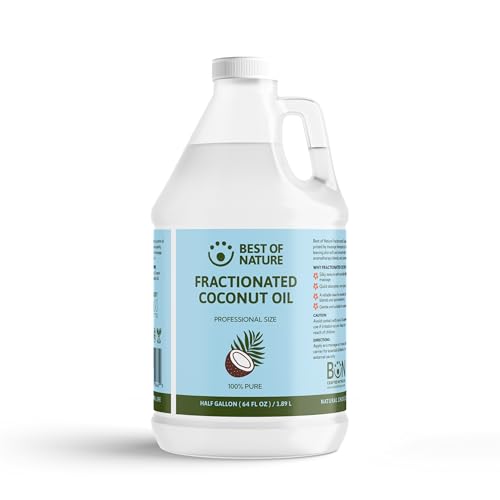
Best of Nature Fractionated Coconut Oil 64 fl oz
Meet The Standout Selections
I reach for Traverse Bay 76 Coconut Oil when the project is a batch of cold-process soap rather than a quick pantry drizzle. The 76-degree designation identifies a coconut oil commonly used in soap formulas, where its saturated fat can help create a firm bar and noticeable lather.
That makes it most useful for home crafters working in a small studio or kitchen. Compared with the larger Baja Precious container, this option is easier to handle for first batches and moderate production, although serious makers may need more volume.
What Earns Its Place
- Supports a firm, bubbly cold-process bar.
- The 32-ounce size suits starter soap batches.
- Useful for both experienced makers and beginners.
Things To Consider
- It is specialized for soap making, not a general cooking oil.
- Owners should store the container sealed and away from heat to protect the oil.
Made For In Mind
It suits home soap makers who value lather and bar firmness over pantry versatility.
Consider Something Else When
Natural Force Organic MCT Oil is a better fit for coffee and low-carb cooking routines.
Natural Force takes a different route from ordinary coconut oil by concentrating the medium-chain triglycerides, or MCTs, into a convenient liquid made from virgin coconut oil. Each tablespoon is listed with 14 grams of C8, C10, and C12 MCTs, which explains its appeal in coffee, smoothies, and low-carb recipes.
The 32-ounce glass bottle includes a stainless-steel pour spout, a small detail that makes a daily spooning routine less messy. I see this as the most focused option here for people who want a measured fat source rather than a general-purpose pantry oil.
Notable Gains
- Provides 14 grams of MCTs per tablespoon.
- Contains 0 grams of sugar and carbohydrates per serving.
- The pour spout helps control a viscous liquid.
- Glass packaging suits countertop storage.
Points To Note
- MCT oil is specialized and is not interchangeable with every coconut oil recipe.
- The 32-ounce format needs secure storage away from heat and light.
Right Fit For
It fits people building low-carb drinks and tracking portions of MCTs.
Where A Sibling Pick Shines
CocoGoodsCo Single-Origin Organic Virgin Coconut Oil is the better fit for general pantry cooking.
CocoGoodsCo is the more conventional pantry option in this group, with a 60-fl-ounce container intended for cooking, baking, and everyday household use. Its single-origin presentation gives me a clearer sense of provenance than the broader descriptions attached to several neighboring items, particularly for shoppers who care where the coconuts come from.
The larger size works well for a busy kitchen that uses coconut oil regularly. Compared with Heaven & Earth’s 16-ounce jar, it reduces refills, while the organic single-origin positioning gives it a more considered feel for everyday recipes.
Benefits That Matter
- Organic single-origin sourcing adds traceability.
- 60 fl oz suits frequent cooking and baking.
- Cold-pressed virgin oil works across pantry and beauty routines.
Small Caveats
- The larger bottle needs more pantry space than a 16-ounce jar.
- A broad pantry oil is less concentrated than Natural Force MCT Oil.
Who It Suits Best
It suits home cooks and bakers who want one substantial bottle for repeated use.
Look Elsewhere When
Heaven & Earth Organic Unrefined Virgin Coconut Oil is easier to store for occasional use.
Baja Precious is built around scale. The one-gallon container is a practical choice for a busy kitchen, a soap-making setup, or a household that reaches for coconut oil often enough to dislike repeatedly replacing smaller bottles.
Its thick, rich texture suits applications where a little more body is useful, from cooking to cosmetic projects. The tradeoff is storage: a gallon needs a clear, cool, stable place and may be excessive for a single person testing a new recipe.
A Strong Showing
- One-gallon format reduces the need for frequent refills.
- Thick texture suits versatile culinary and cosmetic projects.
- Large supply works for shared kitchens and frequent makers.
Room For Improvement
- The container is bulky for limited pantry space.
- Older oil can develop a stronger aroma, so airtight storage matters.
Built With In Mind
It suits high-volume households and hobbyists producing more than occasional batches.
Another Choice May Suit
Traverse Bay 76 Coconut Oil is a better fit for a first cold-process soap batch.
Best of Nature Grapeseed Oil is the lighter body-care option here. The source describes a lightweight, unscented oil for face and body use, which matters for people who dislike the heavier finish associated with solid coconut oil.
I’d consider it for massage tables, daily moisturizing, or mixing into a personal care blend. It is not coconut oil, so it belongs in the shortlist as a texture and routine comparison rather than a direct culinary substitute.
The Value In It
- Lightweight texture suits daily body routines.
- Unscented formula keeps applications understated.
- 64 fl oz works well for frequent home use.
Where It May Fall Short
- It is grapeseed oil, not coconut oil.
- Owners should keep the cap closed and store the bottle away from heat.
Whose Shelf It Belongs On
It suits people seeking a light massage oil for face, body, or at-home spa care.
Swap It Out When
Best of Nature Fractionated Coconut Oil is a better fit for a clear carrier-oil base.
Best of Nature Olive Oil is positioned for body care, massage, and spa-style routines rather than coconut-oil cooking. Its 128-ounce format is substantial, so I’d think of it as a shared household bottle for a home massage room, salon, or frequent personal care use.
The olive oil base gives this option a different profile from the dense, tropical texture of Baja Precious. It is a more useful comparison for people who value a familiar carrier oil and generous volume, though it does not fit a coconut-specific shopping list.
Standout Benefits
- Large format reduces refills in shared routines.
- Cold-pressed olive oil suits massage and body applications.
- The broad bottle is practical for home spa spaces.
Less Ideal Details
- It is olive oil, not coconut oil.
- The large container needs dedicated storage and careful handling.
Best Suited To
It suits households and massage practitioners who prefer a high-volume olive-oil body base.
Reach For A Different Pick When
Best of Nature Grapeseed Oil is a better fit for a lighter daily body-oil texture.
Heaven & Earth is the compact pantry pick. A 16-ounce glass jar is easy to place on a counter, carry to a small kitchen, or keep within reach for occasional cooking, baking, and personal care use.
The oil is unrefined and virgin, so it retains a more natural coconut profile than heavily refined options. For someone starting a pantry routine, that combination of format and ingredient style feels manageable; for frequent use, the smaller jar may run out sooner than the 60-ounce CocoGoodsCo bottle.
A Few Highlights
- Glass jar is convenient for a compact pantry.
- Unrefined virgin format suits natural-use preferences.
- Useful for cooking, hair, and skin routines.
Details To Watch
- Sixteen ounces is small for frequent cooking.
- Keep the jar sealed and cool because coconut oil can absorb odors.
The Right Fit
It suits beginners, small kitchens, and occasional users who want a manageable jar.
Where A Sibling Pick Shines
Baja Precious Pure Coconut Oil is the better fit for a high-volume household.
Fractionated coconut oil has a different job from the solid, unrefined oils above. Best of Nature describes a clear, lightweight liquid suited to massage, hair, and DIY beauty, which makes it easy to pour and blend into larger routines.
I’d pick it for a home beauty shelf or a massage practice, not for a recipe that depends on the flavor and texture of virgin coconut oil. The 64-ounce volume is generous, and the liquid format can be tidier to dispense than a solid jar.
Useful Highlights
- Clear liquid format pours easily into dispensers.
- Useful as a carrier oil for essential-oil mixtures.
- 64 fl oz supports repeated massage and beauty use.
- Lightweight finish suits people avoiding a heavy oil.
Practical Considerations
- Fractionation changes the texture and is not a replacement for solid coconut oil in every recipe.
- Store the container tightly closed to keep the liquid clean.
Who Will Love This
It suits home beauty formulators and massage practitioners who prefer a light liquid base.
Not Your Match When
CocoGoodsCo Single-Origin Organic Virgin Coconut Oil is a better fit for pantry cooking.
Finding The Right Coconut Oil
Match The Format To Your Routine
Solid virgin oils suit cooking, baking, and some soap-making formulas. Fractionated coconut oil is a liquid carrier oil, while MCT oil is a concentrated option intended for measured portions. The format should follow the task rather than the trendiest label.
Check The Source And Ingredients
Single-origin sourcing gives shoppers a clearer origin story, while organic, unrefined, and cold-pressed terms describe different production characteristics. I also compare the container material, because a glass jar is easy to inspect and a larger plastic container may be more practical for refills.
Think About Volume And Storage
A 16-ounce jar suits occasional use, while 32, 60, and 128-ounce formats reduce refilling for frequent routines. Store every option sealed and away from heat, sunlight, and strong odors, since coconut oil readily absorbs surrounding aromas.
Common Shopping Slip Ups
Mistakes Worth Dodging
Many people confuse fractionated coconut oil with virgin coconut oil or assume every oil is suitable for cooking. Read the intended use, texture, and serving format before buying, especially for soap making or DIY beauty.
What The Higher Tier Buys
What Separates Premium From Basic
A higher-tier oil may offer clearer sourcing, a glass package, or a more concentrated MCT profile. Those details can matter for careful household routines, but a basic option remains sensible for occasional cooking, baking, or craft work where convenience matters most.
Frequently Asked Questions
Is Cold Pressed Coconut Oil Better For Cooking?
Cold pressed coconut oil is commonly valued for retaining its coconut character, but suitability depends on the recipe. I compare the product’s intended use and ingredients rather than relying on processing language alone.
Can I Use Coconut Oil For Soap Making?
Yes, a high-melting coconut oil is commonly used in cold-process soap formulas. The 76-degree Traverse Bay option is especially relevant for makers seeking firm bars and abundant lather.
Is Fractionated Coconut Oil The Same As Virgin Coconut Oil?
No. Fractionated coconut oil is processed into a clear, liquid carrier oil, while virgin coconut oil retains a more solid, unrefined form.
Which Size Is Best For Daily Cooking?
A 60-ounce or one-gallon container suits frequent cooking and baking. A 16-ounce jar is easier to store for occasional use and smaller households.
Does MCT Oil Work Like Regular Coconut Oil?
No. MCT oil concentrates medium-chain triglycerides and is intended for measured use in drinks, smoothies, and selected recipes. Regular virgin coconut oil is the more flexible pantry and crafting option.
Final Verdict
I’d choose Heaven & Earth for a compact pantry, CocoGoodsCo for frequent cooking, and Baja Precious for high-volume use. Natural Force serves measured low-carb routines, while Traverse Bay and Best of Nature cover soap making, massage, and DIY beauty applications. The right choice comes down to texture, volume, and the specific job in front of you.