

A good cooking fat does more than prevent sticking. I choose it for the food being prepared, the heat of the pan, the flavor profile, and the storage space available in a busy kitchen. Olive oil, beef tallow, chicken fat, and butter-flavored canola each have a place, but a single jar rarely handles every task well. From quick weekday sautéing to high-heat grilling and generous family portions, these picks cover distinct routines rather than forcing one fat into every role.
A Snapshot Of The Selections

South Chicago Wagyu Beef Tallow Spray 7 fl oz and 42 oz Tub

Antico Frantoio Muraglia Extra Virgin Olive Oil 500 ml Ceramic Bottle
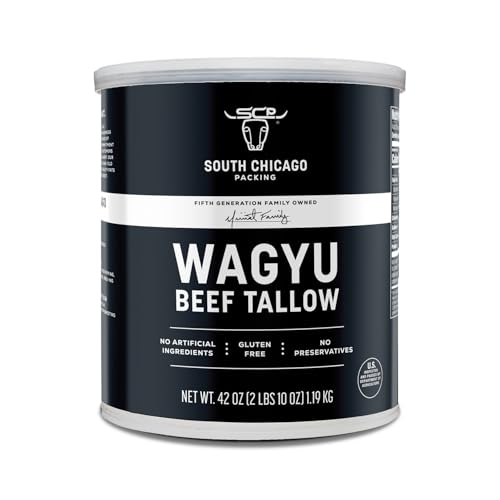
SCP 100% Pure Wagyu Beef Tallow 42 oz
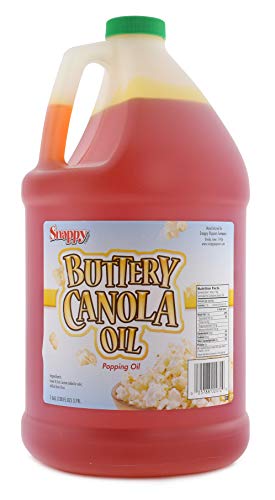
Snappy Buttery Canola Popcorn Oil, 1 Gallon

SCP Wagyu Beef Tallow 11.5 oz Glass Jar

Fatworks Chicken Fat 7.5 oz, 3 Pack

Brandt Beef Tallow 64 oz Tub

SCP Wagyu Beef Tallow Spray, 7 fl oz
The Picks, Examined More Closely
The combination appeals to me because it covers two cooking habits in one set. A quick spray fits weekday sautéing and grill cleanup, while the 42-ounce tub supports searing, roasting, and larger quantities. That flexibility is more useful than forcing a spray to handle every meal.
Wagyu beef tallow brings a beef-derived, savory character, so this set favors cooks who enjoy that flavor across potatoes, vegetables, eggs, and meat. In a compact kitchen, the smaller spray can stay convenient without sacrificing the bulk supply.
What Stands Out
- Two formats support quick dosing and frequent high-heat cooking.
- The 7 fl oz spray simplifies pan preparation with less handling.
- The 42 oz tub reduces refills for searing, grilling, roasting, and sautéing.
- Beef tallow provides a fuller flavor than a neutral oil.
- The formula contains no artificial trans fats or partially hydrogenated oils.
Trade Offs
- The savory beef profile may be less suitable for delicately flavored dishes.
- Two containers require more pantry space and separate storage practices.
Key Specs
Made For
This set suits home cooks who alternate quick sautéing with frequent searing and grilling.
A Better Fit Elsewhere
Snappy Buttery Canola Oil, 1 Gallon fits people preparing large batches of popcorn more closely.
Unlike the beef tallow options, this extra virgin olive oil brings a fruity profile to vegetables, bread, pasta, and plated dishes. Extra virgin describes the grade and processing category, not a guarantee that every bottle tastes identical. This one emphasizes its Apulian origin and an intense fruit character.
The hand-finished ceramic bottle and gift box give it a different role from utilitarian pantry oil. For a home kitchen, I see it as an attractive bottle for finishing meals or a thoughtful culinary gift, though care around the heavier container matters.
Advantages To Know
- Single-origin sourcing connects the oil to Apulian groves and the Frantoio Muraglia mill.
- The fruity profile complements bread, pasta, salads, vegetables, and finished dishes.
- A 500 ml bottle offers a manageable quantity for regular home use.
- The ceramic bottle adds shelf presence and gifting appeal.
Worth Noting
- The decorative bottle is heavier and more breakable than a standard oil bottle.
- Its intense fruit profile is less neutral than canola or beef tallow for delicate seasoning.
- Owned bottles commonly need rinsing promptly to protect the decorative exterior from kitchen residue.
Feature Snapshot
Who It Suits Best
This bottle fits cooks who value regional olive-oil sourcing, finishing dishes, and attractive presentation.
Consider Something Else When
Brandt Beef Tallow 64 oz Tub better serves high-volume frying and batch-cooking households.
A large tub makes more sense for a kitchen that sears steaks, fries foods, or roasts vegetables several times a week. Compared with the 11.5-ounce jar, this container reduces the frequency of refills and gives spoon or spatula access to a larger working supply.
Beef tallow is rendered animal fat with a high proportion of solid fat, which helps it retain a useful consistency for many hot-pan tasks. The honest tradeoff is flavor: that beef-forward character can dominate fish, produce, and lightly seasoned sauces.
Reasons It Performs
- The 42-ounce size supports frequent searing, sautéing, roasting, and pan-frying.
- Rendered beef fat provides a butter-like consistency that melts readily in a hot pan.
- The single-ingredient profile avoids fillers and blends.
- A full tub offers more practical margin for household batch cooking.
Points To Note
- Rendered fat needs clean, cool, dark storage to preserve quality between uses.
- The tub is bulkier than the smaller glass jar and spray formats.
- Strong beef flavor may overpower delicate vegetables or seafood.
The Right Fit
This tub fits experienced home cooks preparing high-heat meals several times each week.
Look Elsewhere When
SCP Wagyu Beef Tallow Spray, 7 fl oz better serves cooks who favor rapid, portioned application.
Movie-night popcorn calls for a specific balance: enough oil for even kernel popping, a familiar buttery aroma, and a container large enough for repeat batches. This gallon format makes more sense than a small table oil for homes with a countertop popcorn machine or regular film-night gatherings.
Unlike the animal-fat picks, the canola base offers a lighter-tasting option that does not introduce beef or chicken notes. I value the specific butter-flavored application, although that makes it less versatile as a general pantry oil.
A Strong Showing
- Beta carotene supplies the golden color associated with butter-flavored popcorn.
- The gallon container supports multiple large batches with fewer refills.
- Canola oil provides a neutral base beneath the buttery flavor.
- The formula contains no trans fats and uses no added preservatives.
Small Caveats
- One gallon demands more cupboard space and carries more weight.
- The flavored profile is purpose-built rather than ideal for general cooking.
- Extended storage requires a clean, cool cabinet away from the stove and drain.
Quick Facts
Built With In Mind
This gallon format fits frequent home-movie hosts and families preparing several popcorn batches.
Another Choice May Suit
Antico Frantoio Muraglia Extra Virgin Olive Oil 500 ml Ceramic Bottle better fits finishing salads, bread, and pasta.
Small-apartment kitchens rarely need a four-pound tub sitting beside the stove. The glass jar narrows that commitment while retaining a solid fat for searing, sautéing, pan-frying, and barbecue cooking. For occasional cooks, that middle ground can be more manageable than a bulk container.
Glass offers a clear view of the remaining fat and supports simple countertop storage, provided the jar stays away from heat and heavy impacts. The savory profile works best where beef flavor complements the dish rather than competes with delicate herbs or citrus.
Strengths Worth Knowing
- The 11.5-ounce quantity is easier to finish and store than a bulk tub.
- A clear glass container makes the remaining amount easy to monitor.
- One jar handles eggs, vegetables, steaks, and barbecue without several fat containers.
Room For Improvement
- Glass is vulnerable to impact and remains heavy when the jar is full.
- Regular use still requires keeping the container clean and tightly closed.
- Beef-derived flavor makes it less neutral than canola or olive oil.
Whose Shelf It Belongs On
This jar fits apartment cooks and smaller households that prepare high-heat meals several times a month.
Where A Sibling Pick Shines
South Chicago Wagyu Beef Tallow Spray 7 fl oz and 42 oz Tub better serves frequent cooks who want both spray and bulk formats.
Chicken fat, also called schmaltz, brings a rich poultry flavor to eggs, vegetables, potatoes, roasts, and cast-iron cooking. Three 7.5-ounce jars are practical for distributing fat between a kitchen, outdoor cooking area, or active household, though each container still needs secure storage.
Compared with neutral canola oil, this option is more flavorful. Compared with beef tallow, it offers a distinct poultry profile that can work especially well with green vegetables and breakfast foods, provided the flavor suits the dish.
A Few Strong Suits
- Three jars support storage across multiple cooking areas.
- The rendered chicken profile complements eggs, roasted vegetables, and potatoes.
- Each 7.5-ounce container offers an approachable quantity for moderate use.
- The stated source is organic, free-range chicken.
- Small-batch rendering supports the product’s focus on consistency and flavor.
Things That May Matter
- Three packages create more storage points than one large container.
- Poultry flavor is more noticeable than the neutral profile of canola oil.
- Warm fat should cool before jars are closed to protect the containers and product.
Core Details
Who Should Grab It
This pack fits cooks seeking a rich fat for eggs, vegetables, potatoes, and poultry-centered dishes.
Swap It Out When
Brandt Beef Tallow 64 oz Tub better serves households that prioritize large-batch frying and roasting.
The four-pound tub represents a completely different ownership calculation from the 11.5-ounce jar. It suits committed cooks, community kitchens, and households that fry, roast, or sauté frequently enough to move through several pounds without repeatedly opening separate packages.
Brandt states a smoke point of 450°F, the temperature at which a cooking fat begins producing visible smoke. That high threshold supports searing, frying, and roasting, while the single-ingredient beef tallow profile remains a consideration for lightly flavored foods.
The Helpful Details
- The 64-ounce size reduces replenishment for high-volume kitchens.
- A stated 450°F smoke point supports high-temperature cooking methods.
- The product is composed of rendered beef tallow without listed additives or preservatives.
- A neutral frying fat can handle savory foods without the poultry profile of chicken fat.
Practical Considerations
- The large tub requires substantial cool storage and may be excessive for occasional use.
- Rendered fat should stay covered and away from heat, moisture, and repeated temperature swings.
- The four-pound package is difficult to move once partly depleted.
Best Suited To
This tub fits high-volume home cooks, workshops kitchens, and frequent batch-cooking households.
Reach For A Different Pick When
SCP Wagyu Beef Tallow 11.5 oz Glass Jar better suits limited pantry space and moderate consumption.
Sprayed fat removes the spoon, tub, and dripping step from early pan preparation. This makes the 7-ounce format attractive for fast sautéing, grill cooking, stir-frying, and breakfast routines where speed matters more than a large pantry reserve.
The trade-off appears during frequent use: a spray can empty faster than a bulk tub, and some cooks may find a heavier hand spray more intuitive than a fine mist. The beef-derived flavor remains distinct, so application control matters for vegetables and blended dishes.
What Earns Its Place
- Spraying reduces transfer steps and simplifies quick pan preparation.
- The 7-ounce bottle is easy to place near a stove or outdoor grill.
- Even application suits sautéing, pan-frying, grilling, stir-frying, and barbecue cooking.
- The single-ingredient format delivers wagyu beef flavor without listed blends.
Minor Gripes
- Spray can run out sooner than bulk tallow under frequent use.
- Nozzle care matters because residue can affect even application.
- Strong savory flavor may require smaller amounts in mixed vegetable dishes.
Technical Notes
Who Will Love This
This spray fits quick cooks who regularly sauté, grill, or prepare eggs during busy mornings.
Skip It When
Brandt Beef Tallow 64 oz Tub better fits cooks who need a lower-maintenance supply for frequent batch cooking.
Choosing a Fat That Fits the Dish
Match the Fat to the Heat
A smoke point indicates the temperature at which fat begins producing visible smoke, making it a useful reference for searing and deep frying. I reach for beef tallow for demanding pans, olive oil for moderate cooking and finishing, and canola oil for a lighter-tasting popcorn base. The dish still matters, since a smoke-resistant fat can overpower lightly seasoned food.
Consider Flavor as Carefully as Performance
Rendered beef tallow and chicken fat bring savory identities that can deepen meats, eggs, potatoes, and vegetables. Extra virgin olive oil contributes fruit and plant notes that work well with bread, pasta, salads, and plated dishes. A flavored canola oil makes the most focused impression in popcorn, so I would not treat it as a universal replacement for neutral oil.
Balance Container Size With Actual Use
Sprays favor speed and portion control, while small jars suit moderate routines. Gallons and four-pound tubs make sense only for households or shared kitchens that use the fat often enough to finish it before quality declines. I also account for cabinet space, shelf weight, spoon access, and the distance from the storage area to the stove.
Keeping Specialty Oils and Fats Working Well
Mistakes Worth Dodging
The most common mismatch is buying a large fat for occasional use or selecting a strongly flavored option for a neutral recipe. I also check container integrity, expiration information, and storage conditions before cooking, then keep repeated heating, moisture, and direct heat away from unopened fat.
What Separates Premium From Basic
Higher-priced options may emphasize single-origin sourcing, distinctive fats, decorative packaging, or larger supply. The practical upgrade is worthwhile for specific routines, such as attractive presentation, frequent high-volume frying, or dependable spray application. For occasional sautéing, a smaller jar may provide more value than an elaborate package that takes longer to use.
Frequently Asked Questions
Is beef tallow suitable for high-heat cooking?
Beef tallow is commonly used for searing, frying, roasting, and sautéing because it tolerates demanding pan temperatures well. Brandt states a 450°F smoke point, while the correct amount depends on the pan, food, and cooking method.
What is the difference between tallow and schmaltz?
Tallow is rendered beef fat, while schmaltz is rendered chicken fat. Both provide a more pronounced savory flavor than neutral oils, with tallow leaning toward beef and schmaltz toward poultry.
Is extra virgin olive oil better for cooking?
Extra virgin olive oil works for many moderate-heat dishes and finishing applications. The best choice still depends on flavor preference, the food, and the pan, since stronger olive notes can overpower delicate recipes.
Can cooking sprays replace a tub of fat?
A spray simplifies application and storage, but frequent cooking may consume it faster than a bulk container. A spray suits quick routines, while tubs and gallon formats better serve high-volume kitchens.
How should rendered cooking fat be stored?
I keep it covered in a cool, dark cabinet and away from direct stove heat. Clean utensils help prevent residue from forming during repeated use.
Wrap Up
The strongest pantry setup often combines two or three fats instead of relying on one. I favor olive oil for finishing, a small tallow jar for measured high-heat cooking, and a spray for quick pan work, with bulk containers reserved for frequent use. Matching flavor, heat tolerance, storage, and consumption rate produces the most practical kitchen.