

Cooking oils can fit a cholesterol-conscious meal plan without turning dinner into a chemistry project. The useful comparison here is not simply “healthy oil” versus “unhealthy oil,” but fat type, flavor, heat tolerance, and the number of meals a container can cover. I compare extra virgin oils, a mild cooking oil, a garlic infusion, and rice bran oil for people managing daily meal prep, family cooking, and label-conscious shopping.
A Snapshot Of The Selections

Colavita First Cold Pressed Olive Oil

Colavita Mediterranean Olive Oil Blend

Colavita Italian Extra Virgin Oil Jug
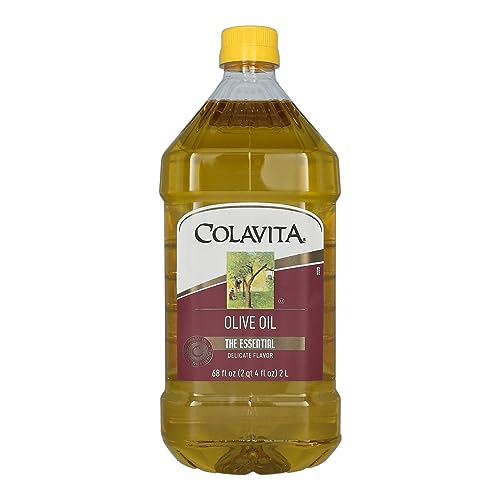
Colavita Light Olive Oil 2L Jug

Colavita Organic Italian Olive Oil
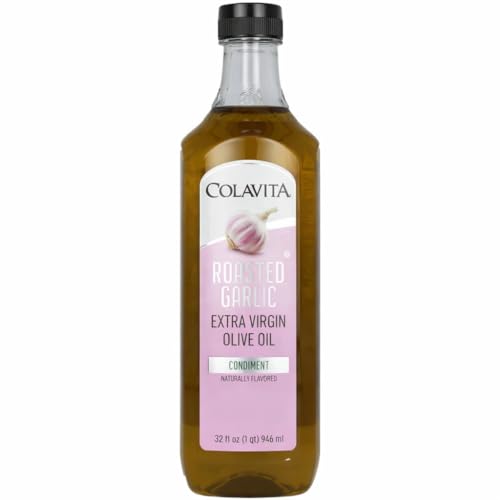
Colavita Roasted Garlic Olive Oil

Colavita Greek Extra Virgin Oil 2L

Tophé Rice Bran Oil 64 oz
A Closer Look At Each Pick
For a daily kitchen, the Colavita First Cold Pressed Olive Oil is a straightforward extra virgin option with a balanced flavor. “Cold pressed” refers to extracting oil without applying heat to the olive paste, a process associated with retaining the oil’s fresh character. The 68-fl-oz format also gives frequent home cooks more pantry capacity than a small bottle.
Compared with the later Mediterranean blend, this option presents a more singular olive-oil identity rather than a six-country blend. I’d favor it for salad dressings, roasted vegetables, and sautéed dishes where olive flavor is welcome but should not overwhelm the food.
What Stands Out
- Extra virgin format suits dressings, dips, and finishing pours.
- Cold pressing supports a fresh, natural olive-oil profile.
- The large container reduces bottle turnover for frequent cooking.
- Versatile enough for sautéing, roasting, and baking.
- Cholesterol-free labeling fits a cholesterol-conscious pantry plan.
Points To Note
- The broad 68-fl-oz listing may be more than a small household consumes before freshness becomes a concern.
- Extra virgin flavor can be assertive in a heavy pan sauce, so restrained use may suit some kitchens better.
Made For
This bottle fits home cooks who want one extra virgin oil for salads, vegetables, meat, and moderate sautéing across the week.
A Better Fit Elsewhere
Colavita Mediterranean Extra Virgin Olive Oil Blend is the stronger fit for cooks who want a fuller, fruit-forward profile with a stated almond finish.
Mediterranean-style cooking does not require a single-country oil, and this Colavita blend draws olives from Italy, Greece, Spain, Tunisia, Turkey, and Morocco. That sourcing mix gives the product a broader identity than the Colavita First Cold Pressed Olive Oil while keeping a full-bodied, balanced profile suited to dressings, roasting, and sautéing.
For a household that alternates between salad nights and vegetable-heavy dinners, the 34-fl-oz bottle is practical. The stated fruit-forward bitterness and almond finish may be especially useful for people who want olive oil to remain noticeable after cooking.
Practical Advantages
- Six-country sourcing gives the blend a distinctive pantry story.
- Full-bodied flavor works well in dressings and roasted dishes.
- The 34-fl-oz size fits a one- or two-person kitchen more neatly than a two-liter jug.
- Suitable for sautéing, baking, dipping, and finishing.
Trade Offs
- Some cooks may prefer a less pronounced olive character.
- The plastic container is lighter and easier to handle than a glass bottle, but may be less protective over long storage.
Right Fit For
This blend best serves Mediterranean-style home cooks who value a fuller flavor and a manageable container for frequent weeknight meals.
Another Choice May Suit
Colavita Light Olive Oil 2L Jug is a better fit for households prioritizing a mild flavor and high-heat cooking over olive character.
Cooking for several people changes the pantry math quickly, so the Colavita Italian Extra Virgin Oil Jug is built around a 68-fl-oz capacity. Its listed Italian olive origin and first-cold-press method distinguish it from the multi-country blend above. The result is a more defined regional identity for people who follow provenance closely.
That focus makes sense beside a weeknight roast or a large tray of vegetables, although the jug may feel oversized for occasional cooks. The fresh, fruity aroma and bitter-spicy profile also lean toward finishing dishes rather than disappearing completely under heat.
The Upside
- Italian sourcing gives the oil a clear origin story.
- First cold pressing supports a fresh aromatic profile.
- Two liters works well for frequent family meals.
- The flavor pairs naturally with roasted vegetables, hard cheese, meat, and seafood.
Worth Bearing In Mind
- The large jug requires regular use to avoid a long storage period.
- Its plastic format is convenient but less associated with premium presentation than a dark glass bottle.
Whose Shelf It Belongs On
This jug suits busy households that roast vegetables often and want a high-capacity extra virgin oil with a defined Italian identity.
Where A Sibling Pick Shines
Colavita Organic Italian Olive Oil is the better fit for shoppers who want an organic extra virgin format and a lighter everyday profile.
The Colavita Light Olive Oil 2L Jug takes a different route from the extra virgin picks: its milder taste and stated 428°F smoke point suit cooks who want oil to stay quiet in the background. That makes it useful for frying, baking, and family-scale sautéing where a strong olive note could become distracting.
Compared with the Colavita First Cold Pressed Olive Oil, this jug trades aromatic complexity for flexibility at the stove. I see it as the more practical choice for meals involving potatoes, eggs, baked goods, or vegetables, while the extra virgin options remain stronger for finishing and dressings.
Good Reasons To Consider
- Mild flavor works well across frying, baking, and sautéing.
- The stated 428°F smoke point supports higher-heat methods.
- Two liters reduces refills for frequent household cooking.
- Buttery, light character is approachable for beginners.
Small Caveats
- It lacks the fruit and bitter notes associated with extra virgin oil.
- The large jug may be impractical for people cooking occasional single-person meals.
Who It Suits Best
This jug suits beginner cooks and busy kitchens that need one mild oil for multiple high-heat recipes without fuss.
Look Elsewhere When
Tophé Rice Bran Oil is the better fit for shoppers who prefer a neutral oil with an even higher stated smoke point and easy emulsification in dressings.
Organic labeling and Italian origin are the defining details of the Colavita Organic Italian Olive Oil. Its delicate flavor balances fruity and spicy notes, making it a quieter option than the fuller Mediterranean blend but still more expressive than the light olive oil jug. I would use it for dressings, bread dips, and finishing roasted dishes.
The 68-fl-oz format is generous, so this bottle works best for a household that cooks daily or likes to prepare several dressings at once. Compared with the standard Italian jug, the choice comes down to production preference and flavor style more than cooking capacity.
Why It Works Well
- Organic designation fits label-conscious meal planning.
- Italian import provides a clear regional profile.
- Delicate fruit-and-spice notes work in dressings and finishing pours.
- Extra virgin status suits uncooked and gently cooked applications.
Where It May Fall Short
- The large size may be too much for occasional cooks.
- Its delicate profile may not provide enough flavor for shoppers seeking a pronounced garlic or almond finish.
Built With In Mind
This oil suits shoppers who prioritize organic sourcing, Italian origin, and a versatile extra virgin format for daily salads and roasted meals.
Swap It Out When
Colavita Greek Extra Virgin Oil 2L is a better fit for households that prefer a single-origin Greek identity and a more defined regional character.
Cooking with an infused oil removes the prep work of flavoring olive oil from scratch. Colavita Roasted Garlic Olive Oil combines cold-pressed extra virgin oil with roasted garlic essence, giving pasta, vegetables, and bread an immediate savory direction. The flavor is especially useful for weeknight meals that need seasoning without a long sauce.
Unlike the other extra virgin options, this one is about a specific flavor cue rather than origin comparison. I’d keep it for finishing, dipping, and dressings rather than using it as the primary oil for an entire meal, since the garlic profile can become repetitive over several days.
The Helpful Details
- Roasted garlic essence adds flavor with no separate infusion step.
- Works well for pasta, marinades, dressings, and dipping.
- Suitable for roasted vegetables, grilled meats, and potatoes.
- Extra virgin base gives the infusion a more refined starting point.
Points To Keep In Mind
- Garlic flavor may overpower delicate dressings or mild fish.
- Once opened, an infused oil is best used according to its listed storage and freshness guidance rather than treated like a long-lasting pantry staple.
Who Should Grab It
This oil suits busy cooks who want a ready-to-use garlic flavor for pasta, vegetables, bread, and quick finishing.
Reach For A Different Pick When
Colavita Mediterranean Extra Virgin Olive Oil Blend is the better fit for cooks who want savory depth without a pronounced garlic infusion.
Greek olive varieties give the Colavita Greek Extra Virgin Oil 2L a more specific identity than the blended Mediterranean option. Koroneiki and Kalamata varieties are named in the product background, and the first-cold extraction supports the stated aromatic profile. For cooks who follow regional sourcing, that specificity is the central appeal.
The 68-fl-oz plastic jug is practical for high-volume cooking, but the flavor still leans toward everyday salads, grilled foods, and roasted vegetables rather than neutral baking. Compared with the Colavita Italian jug, this option prioritizes Greek origin over Italian provenance while staying in the same large-format category.
Where It Excels
- Greek origin gives the oil a clear regional identity.
- Koroneiki and Kalamata varieties provide a specific olive story.
- Cold extraction supports the stated fruit and aroma profile.
- Two liters suits frequent Mediterranean-style meal preparation.
Less-Strong Areas
- The large jug is less convenient for occasional cooking.
- Plastic storage is practical but may not suit shoppers focused on premium bottle presentation.
The Right Fit
This jug fits home cooks who want Greek provenance, a fruit-forward extra virgin profile, and enough volume for regular family meals.
Where Another Pick Suits Better
Colavita Light Olive Oil 2L Jug is a better fit for kitchens that need a milder oil for baking and frying rather than regional extra virgin flavor.
Tophé Rice Bran Oil is the most different choice in the group because it is not olive oil. Its light, neutral flavor leaves the taste of vegetables, seafood, and crisp foods more visible, while the stated 490°F smoke point gives it a broad range of cooking uses. I’d consider it for flash frying, sautéing, dressings, and foods where a strong olive aroma would be distracting.
The oil is described as minimally processed and unfiltered, and its listed gamma-oryzanol content gives shoppers a specific composition detail to examine. The trade-off is that “neutral” does not mean nutritionally identical to olive oil, so I would not treat it as a one-for-one substitute in every recipe.
A Few Strong Suits
- Stated 490°F smoke point supports high-heat cooking.
- Neutral flavor keeps crisp vegetables and seafood in focus.
- Easy emulsification helps vinaigrettes stay blended.
- Minimally processed and unfiltered processing is a stated feature.
- Non-GMO labeling fits label-conscious households.
Possible Compromises
- It lacks the fruit, bitter, and aromatic notes of extra virgin olive oil.
- The 64-fl-oz half-gallon jug may still be large for light-use households.
Made For
This rice bran oil suits cooks who want a neutral, high-heat oil for crispy foods, sautéed vegetables, and stable dressings.
Consider Something Else When
Colavita First Cold Pressed Olive Oil is the better fit for people who want a traditional olive-oil flavor for dressings, dips, and finishing pours.
Smart Pantry Decisions For Cholesterol-Conscious Cooking
Fat Type And Label Reading
Cooking oils vary more than flavor. Extra virgin olive oil is commonly chosen for its monounsaturated fat profile, while rice bran oil offers a neutral cooking format and listed oryzanol content. Read the serving size, fat breakdown, and ingredient list together rather than relying on a front-of-package phrase alone.
Cooking Method Matters
A high smoke point can suit frying and baking, while extra virgin olive oil often shines in dressings, dips, and finishing. Tophé Rice Bran Oil lists a 490°F smoke point; Colavita Light Olive Oil lists 428°F. Those figures help with method selection, but flavor preference remains personal.
Portion Size Is The Daily Lever
A large jug may be efficient for frequent households, but portion control matters more than the container size. A measured tablespoon in a dressing, a drizzle over vegetables, or a modest amount in a pan can make routine cooking easier to track. A smaller bottle may simply be more realistic for one-person kitchens.
Choose For The Meal
For dressings, I would favor the Colavita First Cold Pressed Olive Oil or the Mediterranean blend. For neutral frying, Colavita Light Olive Oil or Tophé Rice Bran Oil makes more sense. The roasted garlic oil is a flavor shortcut, not a general replacement for every cooking oil.
Common Mistakes And Better Choices
Common Shopping Slip Ups
A frequent mistake is choosing solely by the word “olive” or by a health-oriented label without checking the processing type, flavor, and intended cooking method. Extra virgin, light, and infused oils serve different purposes. I’d also avoid buying a two-liter jug for occasional use, since freshness and portion control matter alongside capacity.
What Separates Premium From Basic
Extra virgin oils generally provide more origin and flavor information, while basic oils may focus on a neutral profile and high heat. A premium option is worth considering for dressings, finishing, and regional sourcing; a basic or light oil can be more practical for high-volume cooking. The right choice depends on how the oil will be used, not on a higher label alone.
Frequently Asked Questions
Are olive oils cholesterol-free?
The listed Colavita products are marked cholesterol-free, but cooking-oil decisions also depend on the complete meal and daily eating pattern. Nutrition labels provide the most reliable information for the exact container.
Which oil has the highest smoke point?
Among the listed details, Tophé Rice Bran Oil has the highest stated smoke point at 490°F. Colavita Light Olive Oil lists 428°F, while the extra virgin options are better viewed as flexible everyday oils.
Is rice bran oil a substitute for olive oil?
It can substitute for a neutral cooking or dressing oil, but the flavor differs. Rice bran oil is neutral, while olive oil contributes a fruitier or more peppery profile.
Which oil is best for salad dressings?
The Colavita First Cold Pressed Olive Oil and Mediterranean blend both fit dressings. The first suits a straightforward extra virgin profile, while the blend offers a fuller, fruit-forward character.
Which container is best for a small kitchen?
The 34-fl-oz Colavita Mediterranean Extra Virgin Olive Oil is generally easier to handle than the two-liter jugs. A smaller container may also make frequent use more practical.
Final Verdict
The best fit depends on the cooking job: extra virgin olive oil for dressings and finishing, light olive oil for mild high-heat cooking, roasted garlic oil for flavor, and rice bran oil for a neutral profile. I’d match the oil to the meal, measure portions consistently, and replace older stock according to its storage condition.