

Emergency food earns its shelf space by staying usable when normal routines disappear. I consider calorie density, package size, dietary needs, storage demands, and preparation requirements for households, commuters, hikers, and people building a practical emergency kit. Bars suit grab-and-go situations, while lightweight meals offer more variety after boiling water. The seven options below cover different needs, including vegan, compact, high-calorie, and ready-to-eat formats.
The Main Contenders
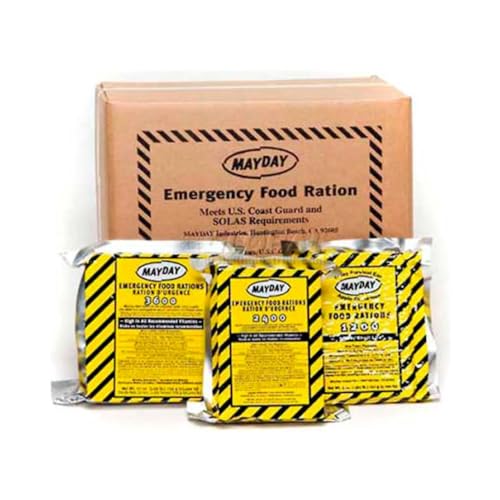
Mayday FB12MC Ration Bars, 36 Count
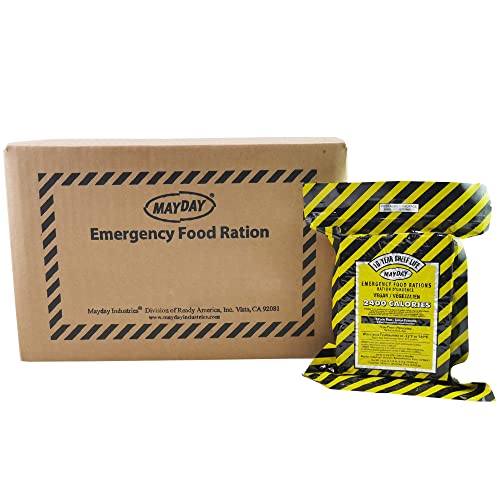
10-Year 2400-Calorie Vegan Food Bars, 24 Count

The Survival Tabs Original Food Supply

ROUNDHOUSE PROVISION Morning Kick Greens, 3 Pack

SOS Food Lab 3600-Calorie Ration, 5-Pack

ROUNDHOUSE PROVISION Survival Mode Ration Bars

ROUNDHOUSE PROVISION 3 Day Emergency Meal Kit
Why These Options Stand Out
A case of 36 bars makes sense for a household that wants meaningful calorie reserves without assembling dozens of smaller packages. Each bar supplies 1,200 calories, so the format favors planned use by several people over casual snacking.
Compared with the smaller 410-calorie option later in this list, the calorie concentration is substantial. The package also lists U.S. Coast Guard and SOLAS compliance, giving me a clearer basis for comparing its emergency-food positioning.
A Few Strong Suits
- Thirty-six bars simplify provisioning for a larger household.
- Each 1,200-calorie bar reduces the number of items required per person.
- Vacuum sealing supports long-term storage and limits package exposure.
- No cooking or preparation details are needed for daily grab-and-go use.
Practical Considerations
- Large bars may occupy more room than compact personal rations.
- The calorie-dense format can feel repetitive during a multi-day disruption.
- Vacuum-sealed packages need dry, temperature-conscious storage.
Key Specs
Who It Suits Best
This format best serves households and group shelters that prefer few, high-calorie items over numerous individual servings.
A Better Fit Elsewhere
Ready America 10-Year 2400-Calorie Vegan Food Bars suit plant-based households better.
Plant-based emergency food can be difficult to find in familiar formats, and these bars fill that gap with a clear vegan labeling. The lemon shortbread flavor also offers a gentler alternative to plain compressed meal products for short-term use.
I see this as a two-person, three-day provision, based on the package information. Compared with Mayday FB12MC, the bars provide more total food but are divided into fewer, larger 2,400-calorie units.
Where It Excels
- Vegan labeling serves households avoiding animal-derived ingredients.
- A stated 10-year shelf life supports long-term rotation planning.
- The three-bar package is sized for two people across three days.
- Lemon shortbread makes the food less austere in short camping trips.
- Resealable packaging supports convenient storage between uses.
Small Caveats
- A 2,400-calorie bar may be too much at once for some people.
- Individual 2,400-calorie portions waste more food in a small group.
- Long shelf-life claims still call for rotation and package inspection.
Feature Snapshot
Made For
Plant-based households and couples preparing a three-day reserve value the vegan format and resealable packaging.
Where Another Pick Shines
Mayday FB12MC Ration Bars offer more individual bars for a larger group.
Volume takes priority in many personal emergency kits, and these tabs are designed around compact, portable pouches. That makes them easier to distribute among backpacks, vehicle kits, and small household reserves than large shortbread-style bars.
The listed nutrient profile includes 15 vitamins and minerals, protein, and no gluten or genetically modified ingredients. The claimed 45-day personal provision is harder to evaluate without calorie and total-weight details, so I treat it as a planning estimate rather than a precise serving calculation.
Features That Help
- Personal pouches keep portions separate and easy to distribute.
- Compact packaging preserves room for tools and water supplies.
- Protein and listed micronutrients support emergency kit planning.
- Gluten-free and non-GMO labels narrow dietary requirements.
Points To Note
- No total calorie or package-weight figure is supplied.
- The 45-day figure depends on personal consumption requirements.
- Owners may find repeated small tabs less appealing than varied meals.
The Right Fit
People building space-constrained vehicle or backpack kits benefit from the pouch format and limited storage volume.
Consider Something Else When
ROUNDHOUSE PROVISION 3 Day Emergency Meal Kit by Chuck Norris better serves households wanting varied hot meals.
Morning Kick Greens belongs in a different corner of preparedness: the daily beverage routine rather than the emergency pantry. Its strawberry lemonade flavor and caffeine-free, sugar-free formula make it appealing to people who want a flavored powder without stimulant effects.
Unlike the other items here, it is not a shelf-stable caloric ration and provides no stated emergency-serving duration. I would consider it useful alongside food reserves, though a mix-and-drink step adds another preparation detail to pack.
Strong Points
- Caffeine-free powder fits morning and evening routines.
- Sugar-free formulation suits sugar-conscious daily beverage plans.
- Strawberry lemonade adds flavor without a typical greens taste.
- Three individually sized servings simplify short-term packaging.
Less-Strong Areas
- It does not replace caloric emergency food.
- No shelf life or total serving count is stated.
- The powder requires water and a mixing container for routine use.
Core Details
Who Will Love This
Daily beverage users appreciate the strawberry lemonade flavor and absence of caffeine or sugar.
Not Your Match When
People needing ready-to-eat disaster food prefer SOS Food Lab 3600-Calorie Ration.
A large ration can be sensible for one person facing an intense outdoor trip or a short disruption where carrying water and lightweight food matters. The five-bar pack provides 3,600 calories per bar, giving it a notably high calorie load.
Unlike Mayday FB12MC, this option is positioned as a three-day or 72-hour supply with a five-year shelf life. The ready-to-eat format avoids fuel, cookware, and boiling water, although one large bar may be difficult to portion for two people.
Positive Takeaways
- High calorie content supports energy needs during demanding trips.
- Ready-to-eat bars require no cookware or added water.
- Five-year storage allows long-term kit planning.
- Shortbread flavor makes a dense ration more approachable.
- Five bars form a compact three-day provision for one person.
Details To Watch
- One 3,600-calorie ration is large for a single meal.
- Bar size may be bulky in a small backpack.
- Five bars may be too little for a multi-person shelter.
Feature Card
Built With In Mind
Solo hikers and campers need a dense, no-cook supply with enough energy for extended activity.
Swap It Out When
Couples needing a lighter plant-based option benefit more from Ready America 2400-Calorie Vegan Food Bars.
Six individually packed bars create a practical middle ground between compact tabs and multi-thousand-calorie rations. Each bar provides 410 calories, which is easier to divide across a household than the larger portions from Item 5.
The bars use whole-grain sorghum and omit wheat, corn, and several listed preservatives. I like that combination for a short commute kit or vehicle reserve, though six bars remain a modest amount of total food.
Real Benefits
- Six separate bars allow straightforward distribution among people.
- Each 410-calorie portion is manageable for everyday use.
- Sorghum adds fiber and creates a wheat-free grain base.
- Lemon shortbread flavor improves variety in a bar-only reserve.
- A five-year shelf life supports multi-year storage planning.
Points To Keep In Mind
- Six bars cover only a small household reserve.
- The flavor may become repetitive during a longer disruption.
- Individual wrappers should remain sealed in humid storage.
Quick Facts
Who Should Grab It
Commuters and small households benefit from six manageable portions that require no preparation.
Reach For A Different Pick When
Large-group provisioning suits Mayday FB12MC Ration Bars and their 36-count case.
Meal variety matters more than compactness in a household reserve, especially when several people must eat from the same supply. This kit provides 26 servings and uses multiple prepared meals rather than repeating the same dense bar for every meal.
Preparation remains simple: add boiling water, stir, and eat. The stated 25-year shelf life is the longest listed here, but the food needs a container, hot water, and more storage room than ready-to-eat options.
Strengths Worth Knowing
- Twenty-six servings support household meal planning.
- Multiple dishes offer variety during a three-day disruption.
- Boiling water replaces multi-step outdoor cooking.
- A 25-year shelf life supports long-term reserve planning.
- Flavored meals can be easier to serve than repetitive bars.
Trade-Offs To Consider
- Multiple cups and hot water are required for preparation.
- Meal pouches generally use more storage room than bars.
- Serving details beyond the 26-serving total are not provided.
Whose Shelf It Belongs On
Families and small groups benefit from varied meals that feed several people across three days.
Another Choice May Suit
On-the-go kits fit The Survival Tabs Original Food Supply better because pouches favor compact storage.
What Matters Before Stocking Emergency Food
Calories and serving size need to fit the people being fed. Mayday provides 1,200 calories per bar, SOS Food Lab provides 3,600, and ROUNDHOUSE PROVISION Survival Mode provides 410. The right figure depends on group size, portion control, and how many days the reserve must cover.
Dietary requirements deserve a place in the plan. Ready America uses a vegan format, while The Survival Tabs is labeled gluten-free and non-GMO. Ingredients, allergens, and nutritional needs should be checked against the current package before storage.
Storage conditions affect long-term usability. Vacuum-sealed bars resist exposure better than resealable packages, while every shelf-life claim still calls for rotation, cool storage, and regular package inspection.
Preparation influences usability more than the product name suggests. Ready-to-eat bars fit vehicle kits and hiking packs, while the 26-serving meal kit needs boiling water, stirring vessels, and more storage space. Short trips usually favor compact no-cook formats; household disruptions benefit from greater variety.
Common Sense Before an Emergency
Mistakes Worth Dodging
A large package count does not necessarily equal enough food for three days. Calculate total servings against the actual group size, and include water, utensils, and a way to heat water where needed.
What Separates Premium From Basic
Higher-capacity options may offer more calories, longer storage claims, resealable packaging, or meal variety. Those additions matter for households and prolonged outdoor stays, while compact personal kits may gain more from easy portioning than from extra shelf life.