An everyday olive oil should handle salad dressing, roasted vegetables, pasta, eggs, and whichever recipe gets improvised at 6 p.m. I compare these eight options by origin, format, flavor profile, phenolic content, and practical kitchen fit so the right bottle is easier to choose.
Extra virgin olive oil begins with mechanically extracted olive juice that meets grade requirements for freshness and sensory qualities. Polyphenols are naturally occurring compounds associated with olive variety and processing, while cold extraction limits heat exposure during production.
The Essentials At A Glance

PJ KABOS High Phenolic Greek Olive Oil 16.9oz

Kosterina Organic Everyday Extra Virgin Olive Oil

Colavita First Cold Pressed Olive Oil 68 Fl Oz

Colavita Mediterranean Extra Virgin Olive Oil 1L

Colavita Premium Italian Olive Oil 2-Liter Jug
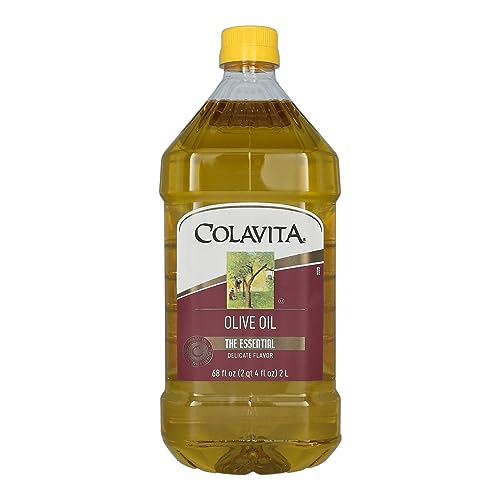
Colavita Pure Olive Oil 2-Liter Jug

Texas Olive Ranch Everyday Use Olive Oil 2L

Eliama Daily Value Gold Organic Olive Oil 250ml
More On The Choices That Made The List
PJ KABOS centers on compound detail rather than an understated grocery profile. Its Greek origin, organic status, cold extraction, and stated 699 mg/kg phenolic content make it a natural fit for cooks who want one bottle to carry a noticeable identity through dressings and vegetables.
Compared with Kosterina Organic Everyday Extra Virgin Olive Oil, the phenolic figure is higher, but the PJ KABOS bottle is smaller and may need more frequent replenishment. The robust positioning suggests a fuller style that may not disappear behind every salad or delicate sauce.
The Case For It
- The listed 699 mg/kg phenolic content gives shoppers a concrete comparison point.
- Greek provenance and cold extraction make production details easy to assess.
- The 16.9-ounce bottle suits cooks working with a moderate pantry supply.
- Organic and kosher status broaden its appeal for specific household requirements.
Small Caveats
- Its robust character may stand out more than a neutral blended oil.
- Organic olive oil commonly costs more than basic oils, and repeated refills can add up.
Quick Facts
Built With In Mind
This bottle fits cooks who prioritize documented phenolic content and Greek provenance over minimal packaging.
A Better Fit Elsewhere
Colavita Mediterranean Extra Virgin Olive Oil 1L may suit households seeking a larger container and a softer blended profile.
Kosterina keeps the production story unusually specific for an everyday oil. It is made entirely from Koroneiki olives, a Greek variety associated with a fruity profile, and those late-December harvest details add context to the bottle rather than leaving origin vague.
Its stated 663 mg/kg polyphenol content sits close to PJ KABOS High Phenolic Greek Olive Oil 16.9oz, though the harvest timing and single-varietal identity give Kosterina a more defined story. The subtle, food-friendly character sounds sensible for Greek salads, tomatoes, grilled vegetables, and weeknight pasta.
Why It Works Well
- Koroneiki olives provide a clearer variety story than a mixed-origin oil.
- Late-December harvesting gives shoppers a useful production detail.
- The 663 mg/kg polyphenol figure supports a specification-minded comparison.
- A subtle profile should work across dressings, vegetables, and pasta.
Worth Noting
- The provided listing offers no container volume, so pantry capacity is an unresolved consideration.
- Single-varietal olive oils can vary between harvests more than blended options.
Feature Snapshot
Made For
It suits Greek-home cooks who value single-variety sourcing and a restrained fruit profile.
Look Elsewhere When
Texas Olive Ranch Everyday Use Olive Oil 2L may be more practical for households prioritizing a clearly stated large capacity.
A 68-ounce bottle turns replenishment into a less frequent chore, which matters in a kitchen that uses oil every day. Colavita First Cold Pressed Olive Oil 68 Fl Oz takes the direct route with first cold pressing and a smooth, balanced profile, avoiding the stronger emphasis on phenolic figures seen in the first two picks.
For regular salad dressing, sautéing, or roasted potatoes, that broad role is more important than showcasing a single harvest detail. In a large household, the plastic container is easy to recognize on a shelf, although buyers of fine oils may prefer glass for display and pouring.
Good Reasons To Consider
- The 68-ounce capacity reduces pantry replenishment.
- A balanced Italian-style profile works with mixed everyday recipes.
- First cold pressing provides a clear extraction method.
Practical Considerations
- Smaller bottle options are listed, but this selected format may still be oversized for a household cooking occasionally.
- The large plastic container can show handling marks, so wiping it before storage keeps the area neat.
Right Fit For
It fits busy family kitchens that use olive oil several times a week and favor a smooth, versatile taste.
Another Choice May Suit
PJ KABOS High Phenolic Greek Olive Oil 16.9oz better fits cooks who prioritize a stated phenolic measurement and organic Greek sourcing.
Colavita Mediterranean Extra Virgin Olive Oil 1L pulls olives from six producing countries, creating a wider blend than the single-varietal Kosterina option. That mix is likely to be useful for shoppers who want regional breadth and a full-bodied style without relying on one harvest identity.
The fruit-forward bitterness and almond finish should hold their ground around greens, roasted vegetables, and grilled proteins, depending on personal taste. Its 34-ounce bottle occupies a sensible middle ground: larger than PJ KABOS High Phenolic Greek Olive Oil 16.9oz, yet easier to handle than the two-liter jugs later in the list.
Useful Highlights
- Six-country sourcing produces a broad regional profile.
- The full-bodied taste gives dressings and vegetables a clear finish.
- The 1-liter capacity suits regular cooking without becoming a large jug.
- OU kosher status supports a wider range of kitchen requirements.
Possible Compromises
- A blend may appeal less to cooks who want one named olive variety.
- The fuller profile can feel assertive in lightly seasoned dishes.
Core Details
Who It Suits Best
It serves home cooks who prefer a substantial Mediterranean blend for salads, roasting, and family meals.
Swap It Out When
Colavita First Cold Pressed Olive Oil 68 Fl Oz may feel more versatile for households wanting a smoother, larger-format daily oil.
The two-liter jug brings capacity and Italian sourcing into the same format. Colavita Premium Italian Olive Oil 2-Liter Jug is made from olives harvested and pressed in Italy, making provenance easier to understand than a multinational blend such as the preceding Colavita Mediterranean option.
First cold pressing, a fruity aroma, and a bitter-spicy finish give it the profile for roasted vegetables, hard cheese, meat, and seafood. For a household that cooks for several people, fewer bottle changes are useful; in a small kitchen, the weight and storage space become less convenient.
Strong Points
- Italian harvest and pressing details provide a traceable origin story.
- The two-liter jug supports frequent family-scale cooking.
- A fruity, bitter, and spicy profile complements savory dishes.
- OU kosher status broadens household compatibility.
Less-Strong Areas
- The large jug is cumbersome for one-person households.
- Once opened, repeated exposure to air and light can reduce freshness, so keeping it capped and away from heat is important.
Technical Highlights
Whose Shelf It Belongs On
It belongs in a large family kitchen that regularly roasts vegetables, cooks proteins, and prepares large salads.
Reach For A Different Pick When
Eliama Daily Value Gold Organic Olive Oil 250ml suits cooks who favor a smaller bottle and a peppery, flavor-focused style.
Colavita Pure Olive Oil 2-Liter Jug takes a different route from the extra virgin picks: mild flavor and a 428°F smoke point. That makes it practical for sautéing, frying, or baking in kitchens where a fruity olive character could overpower a simple recipe.
The 68-ounce plastic jug is large enough for heavy use but harder to pour smoothly than a narrow glass bottle. Compared with Colavita Premium Italian Olive Oil 2-Liter Jug, this option favors culinary neutrality and high-heat flexibility over a distinctive Italian finishing profile.
The Good Stuff
- A mild taste keeps the oil from dominating bread, vegetables, or baked dishes.
- The stated 428°F smoke point supports sautéing, frying, and baking.
- Two liters reduce replacement frequency for high-volume kitchens.
Honest Caveats
- The lighter profile offers less distinction for finishing salads or tasting alone.
- Plastic is lighter than glass, though it may retain handling marks and needs careful support during pouring.
- The 428°F figure still calls for normal attention to cooking conditions and oil condition.
The Right Fit
It fits high-volume cooks who need a mild oil for frying and baking rather than a dramatic finishing flavor.
Where A Sibling Pick Shines
Colavita First Cold Pressed Olive Oil 68 Fl Oz is the more natural fit for extra virgin salad dressings and finishing.
Texas Olive Ranch Everyday Use Olive Oil 2L is defined by the task its name suggests: routine pantry use. The two-liter format should be useful for a large household that regularly fries vegetables, dresses greens, or cooks pasta, although the listing provides less production detail than the Greek and Italian alternatives.
That limited information is the main consideration. It lacks stated phenolic content, olive variety, extraction detail, and tasting notes, so choosing it comes down to capacity and the basic extra virgin designation rather than a more elaborate provenance story.
Positive Takeaways
- The 2-liter format supports infrequent pantry restocking.
- Extra virgin status meets the stated category for everyday cooking.
- A large bottle can suit meal preparation, roasting, and family-size portions.
Details To Watch
- No origin, olive variety, or phenolic figure appears in the provided data.
- Large jugs become harder to handle once the oil level drops, so storage and pouring space matter.
Built For
It suits large households prioritizing a straightforward two-liter supply over detailed composition data.
Consider Something Else When
PJ KABOS High Phenolic Greek Olive Oil 16.9oz is the stronger fit for cooks who need organic Greek provenance and a stated phenolic measurement.
The 250 ml bottle creates a different rhythm from the two-liter jugs: smaller pours, fresher rotation, and easier storage near the cooking area. Eliama Daily Value Gold Organic Olive Oil comes from Crete and uses mechanical cold extraction, giving it a clear place-based production story.
Fresh grass, green apple, and pepper define the described aroma and finish, which sounds more expressive than Colavita Pure Olive Oil 2-Liter Jug. For salads, roasted chicken, potatoes, or herb-topped pasta, the oil can move between cooking and serving, but the compact volume calls for more frequent replacement.
Bright Spots
- Mechanical cold extraction provides a transparent production method.
- The Crete origin makes the geographic identity easy to recognize.
- A compact bottle is convenient beside the stove or on a dining table.
- Green apple and peppery notes suit flavor-focused cooking.
Room For Improvement
- The 250 ml size will replenish sooner than a one-liter or two-liter bottle.
- Its peppery finish may not suit cooks seeking a very mild oil.
Quick Technical Notes
Who Should Grab It
It fits cooks who value Cretan sourcing, a peppery finish, and a smaller bottle for active kitchen use.
Skip It When
Colavita Mediterranean Extra Virgin Olive Oil 1L is the better fit for households needing more volume and a softer full-bodied style.
What Matters In A Daily Bottle
Extra virgin describes the grade and sensory qualities of mechanically extracted olive oil. Cold extraction uses limited heat, while polyphenol figures offer one way to compare certain oils, though numbers do not replace aroma, taste, freshness, or intended recipe.
Start with the food. Mild oils work well for frying, baking, and family dishes, while peppery or fruity oils add more presence to salads, vegetables, bread, and finishing. Greek Koroneiki or Cretan oils may suit single-region preferences, whereas a Mediterranean blend offers broader sourcing.
Container size changes daily ownership. A 250 ml bottle is convenient beside the stove but runs out quickly, while 1-liter and 2-liter jugs reduce refills. Large plastic containers are light but can be harder to pour, especially as the level falls.
Finish with storage and freshness. Keep the cap closed, move the bottle away from heat and light, and clean spills from the handle and label area. For extra virgin oils, prompt replacement and a moderate pantry temperature help preserve aroma and quality.
How To Compare Everyday Olive Oils
- Origin and olive variety: Single-region and single-variety oils provide a more traceable flavor story, while blends may deliver a broader or more consistent profile.
- Format: A 250 ml bottle is easy to rotate, but a 1- or 2-liter container is more practical for frequent household use.
- Flavor and recipe: Mild oils suit frying and baking; fruity or peppery bottles are more useful for salads, finishing, and dishes that welcome stronger flavor.
- Storage: Keep the bottle sealed, cool, and away from direct light, especially after opening.
Mistakes Worth Dodging
Choosing only by origin can miss the practical differences that matter most in a kitchen. A single-varietal bottle may not be the right format for a large household, and a 2-liter jug may be unnecessary for one or two cooks.
Another common mistake is treating a polyphenol number as the only quality measure. It is useful context, but flavor, freshness, recipe fit, and storage conditions should guide the final decision.
What Separates Premium From Basic
Higher-tier bottles may emphasize single-variety olives, named origins, cold extraction, organic or kosher requirements, or measured phenolic content. Those details can justify spending more for cooks with specific preferences, while a mild blended oil may be more useful for high-volume frying.
The upgrade matters most when a specialty profile changes how a dish tastes or when the sourcing details align with a household requirement. For plain sautéing and baking, a larger mild bottle may offer more practical value than a compact oil built around tasting notes.