

Extra-virgin olive oil can handle much more than a drizzle over salad. I use it for sautéing, baking, finishing pasta, and adding citrus lift to dishes that need brightness rather than heavy seasoning.
The right bottle depends on how I cook. A squeeze container suits quick finishing, a large refill-style jug reduces pantry runs, and a smaller bottle may be better for a specialty flavor such as lemon and olive. I narrowed the field across eight options, weighing container design, capacity, format, and the role each oil plays in a practical kitchen.
A Quick View Of The Lineup
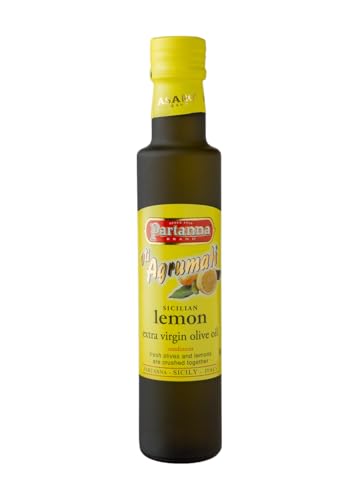
Partanna Sicilian Lemon Olive Oil 8.45 oz

Bellucci Organic Extra Virgin Olive Oil 16.9 fl oz
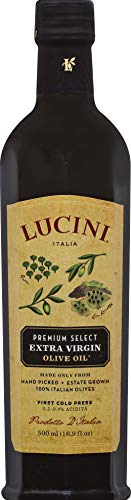
Lucini Premium Extra Virgin Olive Oil 16.9 fl oz

Bertolli Dress & Drizz Squeeze Bottle 16 fl oz

Bertolli Rich Taste Olive Oil 50.7 fl oz

La Tourangelle Organic Olive Oil 25.4 Fl Oz

Colavita First Cold Pressed Olive Oil 68 Fl Oz

Bertolli Non-Aerosol Olive Oil Spray 5 oz, 6 Pack
The Strengths Of Each Pick
The citrus profile gives Partanna a role that conventional olive oil rarely fills. Fresh olives and Sicilian citrus fruits are crushed together, creating a bright finish that works especially well with fish, greens, and chilled dishes. In my kitchen, that makes it a finishing oil rather than the bottle I reach for during high-heat cooking.
The 8.45-ounce size also fits a specialty-shopping mindset. It suits a cook who wants a distinct lemon-oil option without committing pantry space to a large container. Compared with Bellucci’s standard pantry format, Partanna is smaller, more aromatic, and more narrowly focused.
Everyday Wins
- The citrus finish adds brightness to seafood and salads.
- Joint olive-and-citrus processing creates a distinctive flavor.
- The compact bottle suits a limited pantry shelf.
Small Caveats
- The small capacity may call for more frequent replenishment during heavy use.
- Its flavored profile is less versatile than a plain everyday oil.
Key Specs
Made For
This bottle fits cooks who regularly prepare seafood, bright salads, and dishes needing a citrus-accented finish.
Where Another Pick Shines
Bellucci Organic Extra Virgin Olive Oil 16.9 fl oz is the better fit for cooks wanting one larger bottle for daily Mediterranean cooking.
Bellucci lands closer to the center of a practical olive-oil lineup. Its 16.9-fl-ounce size, Italian origin, and organic positioning make it a natural pantry bottle for vegetable sautéing, pasta, dipping, and roasted dishes. I would expect this format to serve a couple or a light-use household more easily than a large jug.
That middle-ground capacity is the key difference from Partanna. Partanna offers a lively citrus specialty, while Bellucci appears better suited to becoming the bottle I use several times a week without thinking much about it.
Useful Touches
- The 16.9-fl-ounce capacity fits a standard pantry setup.
- Italian origin gives shoppers a clear provenance detail.
- Organic positioning suits ingredient-focused meal planning.
- The single-bottle format keeps measurement and storage simple.
Practical Considerations
- The supplied listing does not detail flavor intensity, so personal taste remains a factor.
- Heavy daily cooking may empty this bottle faster than Colavita’s larger format.
Quick Facts
The Right Fit
Bellucci suits a home cook seeking an organic Italian oil in a conventional size for frequent but moderate use.
Consider Something Else When
Colavita First Cold Pressed Olive Oil 68 Fl Oz better serves a busy kitchen that prioritizes a larger reservoir over a compact bottle.
Lucini’s 16.9-fl-ounce format avoids the specialty character of Partanna and the larger volume offered by Colavita. That makes it a straightforward choice for a household that wants one medium bottle for bread, vegetables, pasta, and dipping. In most compact kitchens, that size also feels easier to manage than a heavy refill jug.
My honest read is that the product information is intentionally sparse. I can evaluate its edible-oil format, package size, and listed weight, but I would not want to promise a specific flavor profile beyond the source details.
Bright Spots
- The 16.9-fl-ounce bottle suits routine pantry use.
- Vegetable-oil labeling provides a simple category reference.
- The single-unit quantity keeps ordering straightforward.
Details To Watch
- Origin and olive variety are absent from the supplied details.
- Limited flavor information makes it harder to compare directly with Bellucci.
- Frequent cooks may favor a larger bottle for fewer pantry runs.
- Open oil should be kept cool and protected from prolonged light exposure.
Who It Suits Best
Lucini fits a compact kitchen seeking a medium bottle and a straightforward edible-oil format for everyday cooking.
Another Choice May Suit
Bertolli Rich Taste Olive Oil 50.7 fl oz better serves households that value refill-style capacity over a smaller standard bottle.
The squeeze bottle changes how this oil fits into a busy kitchen. A narrow stream makes it easier to dress a salad, finish pasta, or layer oil over a platter without reaching for a separate measuring spoon. That control is the feature I care about most, especially during weeknight meals assembled at the counter.
Compared with Lucini’s conventional bottle, Bertolli prioritizes handling and portion control. The 16-ounce capacity remains generous enough for regular use, although it does not offer the pantry savings associated with the 50.7-ounce and 68-ounce options.
Positive Takeaways
- The squeeze format supports controlled finishing pours.
- A 16-ounce bottle is substantial enough for routine kitchen use.
- The design works well for salads, pasta, and shared platters.
- Cold pressing is highlighted as part of the production approach.
Possible Compromises
- A narrow opening may be less convenient for fast pouring during cooking.
- The bottle needs regular squeezing and care around the spout to prevent residue buildup.
Feature Snapshot
Best Suited To
This bottle fits cooks who frequently dress salads, finish pasta, and plate vegetables with measured streams of oil.
Reach For A Different Pick When
Colavita First Cold Pressed Olive Oil 68 Fl Oz better suits high-volume cooking where rapid pouring matters more than squeeze control.
At 50.7 fluid ounces, this Bertolli bottle is built around volume. It makes sense for a household that uses olive oil daily for sautéing, baking, roasting, and finishing, with less concern about finishing a medium bottle quickly. The larger container may also simplify stocking during a busy pantry cycle.
That volume introduces a storage trade-off. Compared with Bellucci’s 16.9-ounce format, this jug needs more cabinet space and gives a full bottle less maneuverability. Still, for high-frequency cooking, fewer replenishments can outweigh that inconvenience.
Features That Help
- The 50.7-ounce capacity suits frequent kitchen use.
- A large refill-style bottle reduces the need for frequent replacement.
- Rich Taste positioning fits dishes that welcome a fuller olive-oil flavor.
- Cold pressing is identified as the extraction method.
Where It May Fall Short
- The large bottle demands more cabinet or countertop space.
- Partanna’s smaller bottle is easier to handle for table service.
- Once opened, a larger quantity stays exposed longer than oil used at a quicker pace.
Whose Shelf It Belongs On
This bottle belongs on the shelf of a frequent cook with adequate storage and a preference for fewer pantry runs.
Skip It When
Bertolli Dress & Drizz Squeeze Bottle 16 fl oz is the better choice for compact kitchens that value precise finishing pours.
La Tourangelle brings a different set of source details to the lineup. The oil comes from Spain, uses Picual and Arbequina olives, and is positioned as a smooth, fruity option made through cold pressing. Those details give it a clear identity for baking, sautéing, dipping, and finishing, depending on the dish.
The 25.4-ounce bottle sits between Lucini’s standard size and Bertolli’s 50.7-ounce jug. For me, that middle capacity is attractive: large enough for regular rotation, but not as storage-heavy as the largest options.
Strong Points
- Spanish origin and named olive varieties offer specific sourcing details.
- The smooth, fruity profile is positioned for versatile finishing and cooking.
- Early harvest provides a defined production distinction.
- Cold pressing supports the product’s minimally processed positioning.
- The 25.4-ounce size balances everyday use and pantry storage.
A Few Limitations
- The supplied price-oriented claims do not establish composition or sensory performance.
- Its 25.4-ounce capacity may be less efficient for heavy daily use than a 68-ounce jug.
Technical Highlights
Built With In Mind
This oil fits cooks who value named Spanish varieties, early-harvest details, and a bottle intended for both cooking and finishing.
A Better Fit Elsewhere
Partanna Sicilian Lemon Olive Oil 8.45 oz suits cooks seeking a distinct citrus finish instead of a broad savory profile.
Colavita’s 68-ounce format is built for volume. First cold pressed, meaning the initial pressing is used to produce the oil, it positions itself for everyday cooking across sautéing, baking, dipping, and finishing. A bottle this large makes the most sense in a busy kitchen with enough storage and consistent use.
Compared with Bertolli’s 50.7-ounce jug, Colavita offers another substantial refill-style option. The exact source details do not identify the olive varieties, so I would treat the broad Italian blend as less specifically defined than La Tourangelle’s Picual-and-Arbequina pairing.
A Few Highlights
- The 68-ounce capacity supports high-frequency cooking.
- First cold pressing provides a clear production detail.
- A balanced Italian blend is positioned for varied kitchen dishes.
- The large bottle reduces replenishment during active cooking periods.
Factors To Consider
- The large container may be unwieldy in compact cabinets.
- Olive varieties are not identified in the supplied details.
- Full bottles are heavier to lift and pour than medium sizes.
Feature Rundown
Right Fit For
Colavita suits high-volume home cooks who want one large Italian-format bottle for daily cooking.
Another Choice May Suit
La Tourangelle Organic Olive Oil 25.4 Fl Oz better fits cooks who prioritize named Spanish olive varieties over maximum capacity.
A spray format changes the role olive oil plays around a kitchen. Bertolli’s non-aerosol bottles suit air fryers, pans, sandwiches, and meal prep because a light mist can be applied without a long pour. The six-bottle pack also allows one bottle to stay in several work areas instead of moving constantly with a single large jug.
Each source listing describes six bottles at approximately 4.9 fluid ounces. That compact format is less suitable for high-volume sautéing, where rapid pouring and a larger reservoir matter, but it is unusually convenient for controlled application and storage.
Good Reasons To Consider
- The spray format supports light, even distribution.
- Six small bottles fit separate cooking and prep areas.
- The non-aerosol sprayer avoids a conventional aerosol format.
- Cold pressing is identified as part of the production approach.
- Rich Taste positioning suits savory finishing and cooking.
Minor Gripes
- Spraying is less efficient than pouring for full-pan cooking.
- Multiple sprayer heads require regular cleaning to prevent residue from narrowing the nozzle.
- Six separate bottles can create more packaging and storage clutter than one jug.
Quick Technical Notes
Who Will Love This
This pack fits air-fryer users, lunch-prep cooks, and households wanting compact oil bottles in several kitchen locations.
Look Elsewhere When
Colavita First Cold Pressed Olive Oil 68 Fl Oz better serves cooks who need rapid pouring and a larger reserve for frequent sautéing.
What Matters Before Choosing Extra-Virgin Olive Oils
Start With the Dish
A plain oil that works across vegetables, pasta, meat, and baking offers more flexibility than a flavored bottle. Partanna’s citrus profile is compelling for seafood and bright salads, but that same distinction may not suit a dish expecting a conventional savory finish. I consider the dominant flavors of the meal before choosing the container.
Consider the Pouring Method
Cold pressing refers to extracting oil through mechanical pressure without heat. A squeeze bottle or sprayer gives more control, while a wide jug favors speed and volume. Bertolli Dress & Drizz suits measured finishing, and the Bertolli spray pack serves light application, but neither replaces a large bottle for full-pan cooking.
Match Capacity to Kitchen Use
A 16.9-ounce bottle offers a practical middle ground, while 50.7- and 68-ounce options reduce replenishment during heavy use. Larger containers need more cabinet space and may stay open longer before use. Households cooking daily gain convenience from capacity, while occasional cooks or limited kitchens may waste shelf space with an oversized jug.
Check the Available Details
Origin, olive varieties, extraction method, and flavor direction can help distinguish two otherwise similar listings. I also note whether the bottle is meant for cooking, dipping, or finishing. Details such as package dimensions matter less unless cabinet space is especially tight.
Key Decisions Before Buying
Mistakes Worth Dodging
A large bottle is not automatically the most useful format, and a specialty flavor is not a substitute for a dependable everyday oil. I would avoid judging solely by packaging size, then confirm that the oil’s stated flavor fits the dishes that dominate my cooking.
What Separates Premium From Basic
Higher-priced oils may emphasize early harvest, named olive varieties, organic sourcing, or a more specific flavor profile. The added expense is easier to justify for tasting, baking, or finishing applications where aroma and character receive more attention.
Frequently Asked Questions for Extra-Virgin Olive Oils
Is extra-virgin olive oil suitable for sautéing?
Yes, many extra-virgin olive oils work well for sautéing, baking, dipping, and finishing. The practical choice depends on flavor preference, bottle design, and how quickly I need to pour it.
What does first cold pressed mean?
First cold pressed means the oil comes from the initial pressing, which is commonly associated with premium production. It describes the extraction process rather than an entire cooking method.
Should I keep olive oil in the refrigerator?
Olive oil is generally stored sealed in a cool, dark place away from prolonged heat and light. Refrigeration may extend storage in some kitchens, but I follow the container and handling guidance supplied with the product.
Is a squeeze bottle better for salad dressing?
A squeeze bottle allows steadier, more controlled dispensing over salads, pasta, and vegetables. Bellolli Dress & Drizz is designed around that benefit, while a conventional bottle works better for larger quantities.
Is a larger olive-oil bottle more economical?
A larger bottle can reduce replenishment for frequent cooks, though its value depends on container cost and consumption rate. Occasional use may leave a large bottle open longer or crowded on the shelf.
Wrap Up
I favor Bellucci for a conventional organic pantry format, Colavita for frequent high-volume cooking, and Bertolli Dress & Drizz for controlled finishing. Partanna brings specialty citrus character, La Tourangelle offers specific Spanish sourcing, and the spray pack serves air-fryer and multi-area kitchens well. Lucini remains a compact everyday option, while the 50.7-ounce Bertolli bottle favors high-frequency use.