

Food replacement shakes are useful for commuters, gym-goers, busy parents, and anyone trying to make a regular meal more convenient without losing track of protein, fiber, and the rest of the meal. I compare powder blends, ready-to-drink cartons, plant-based formulas, chocolate options, and high-protein choices across eight picks. The right fit depends on texture preference, pantry space, protein needs, and how much time I have between meals.
The Main Contenders

ALLMAX MealPrep Lite Double Chocolate Fudge

Ka’Chava Whole Body Meal Shake Coffee

Ka’Chava Whole Body Meal Shake Vanilla

VIVRI ShakeMe! Chocolate Meal Replacement
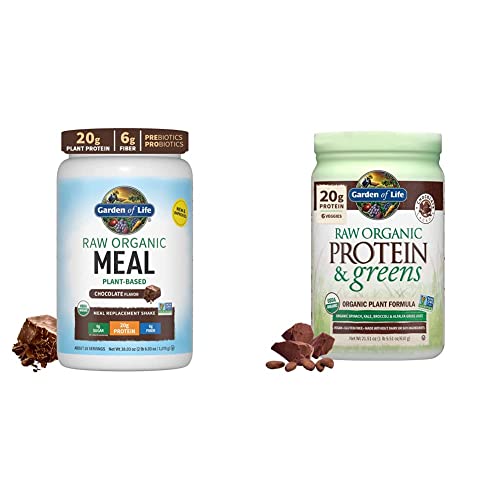
Garden of Life Tasty Chocolate Meal Replacement

Muscle Milk High Protein Vanilla Creme

Ka’Chava Nutrition Shake Variety Pack

Muscle Milk High Protein Chocolate
Meet The Standout Selections
ALLMAX is built for a pantry routine where protein matters more than beverage novelty. The 2.31-pound package provides dairy-free protein from whole-food sources, while MCT oil and plant-based omega-3s give the blend a more deliberate nutrition profile than a simple protein powder. Double Chocolate Fudge makes it practical for people who want a familiar dessert-like flavor after training or during a compressed workday.
Compared with the ready-to-drink cartons later in this list, the powder format takes more preparation but costs less space over time. For low-carb and keto-oriented routines, the zero-sugar formula is the central reason I keep it in consideration; texture and mixing results can still vary with the liquid and shaker used.
A Favorable Mix
- 23 grams of dairy-free protein supports a protein-forward daily routine.
- Zero sugar suits low-carb and keto-style eating plans.
- MCT and omega-3 ingredients add nutritional variety beyond protein alone.
- The 2.31-pound tub offers more servings than a small trial pack.
- Chocolate fudge flavor works well with water, milk alternatives, or coffee.
Points To Note
- Powder requires a shaker or blender and enough liquid for smooth mixing.
- The 2.31-pound container needs dry, sealed storage between servings.
Key Specs
Right Fit For
People following low-carb routines or seeking a high-protein plant-based powder will find this format useful.
A Better Fit Elsewhere
Ka’Chava Whole Body Meal Shake Vanilla is a stronger alternative for shoppers prioritizing a broader plant-based ingredient list.
Ka’Chava takes a different approach from ALLMAX by emphasizing a broad plant-based ingredient profile. The coffee version combines pea protein, sacha inchi, maca root, kale, super greens, MCTs, probiotics, adaptogens, digestive enzymes, and functional mushrooms. That complexity can appeal to someone who wants a shake to feel more like a complete pantry meal than a straightforward protein scoop.
Its 25 grams of protein and 6 grams of fiber per serving make it a substantial option for a workday replacement meal. In practice, the powder may be less convenient than Muscle Milk cartons, particularly during travel, while the coffee flavor can suit people who want breakfast and coffee handled in one drink.
What It Does Well
- Broad ingredient profile supports shoppers seeking greens and functional additions.
- 25 g of protein gives the shake a meal-sized nutrition emphasis.
- 6 g of fiber adds fullness value to the daily routine.
- Coffffee flavor works well for morning routines and quick breakfasts.
Trade Offs
- The longer ingredient list may not suit people who prefer a simple protein powder.
- Mixing takes more effort than drinking a ready-to-drink carton.
Who It Suits Best
Plant-based shoppers seeking greens, probiotics, and digestive enzymes will appreciate the coffee format.
Consider Something Else When
Muscle Milk High Protein Chocolate is a better fit for people who value a grab-and-go carton over a complex powder blend.
Vanilla is the more versatile version of Ka’Chava’s meal shake because it pairs easily with fruit, coffee, oats, or frozen ingredients. The formula brings plant protein, super greens, MCTs, probiotics, adaptogens, digestive enzymes, and functional mushrooms into a 2-pound package. For a home routine built around smoothies, that flexibility is more useful than a single-purpose dessert flavor.
Unlike the coffee version, this option leaves room for personal flavor adjustments, which may suit people who dislike a strong coffee after the afternoon slump. It still requires mixing, and the 2-pound container can become a commitment for anyone trying the category casually.
The Good Stuff
- Vanilla flavor blends easily into smoothies and breakfast drinks.
- Plant-based ingredients suit vegan-oriented routines.
- Super greens and functional mushrooms add breadth beyond protein.
- The 15-serving format supports regular meal planning.
Small Caveats
- Preparation rules out the convenience of a ready-to-drink shake.
- The full-size package may be excessive for occasional experimentation.
Feature Snapshot
Built With In Mind
People building plant-based smoothies or seeking a versatile breakfast base will find this vanilla format practical.
Another Choice May Suit
Ka’Chava Nutrition Shake Variety Pack is a better fit for testing flavors before committing to a larger container.
VIVRI keeps the meal replacement format direct with chocolate flavor, 20 servings, and a nutrition profile built around 22 grams of protein. Each serving also includes 45 nutrients and eight superfoods, which makes it appealing to people who want more than protein without assembling a complicated smoothie. The powder remains more practical for home kitchens than for airport runs or long commutes.
Compared with Garden of Life Tasty Chocolate, VIVRI places a stronger emphasis on a broad nutrient count and a no-added-sugar profile. That can make it a sensible middle ground for people who want a familiar chocolate drink and do not need a large plant-based ingredient list. Texture preferences may still determine whether it feels satisfying after the first few sips.
Notable Upsides
- 22 g of protein gives each serving a solid protein foundation.
- 45 nutrients broaden the daily nutrition profile beyond protein alone.
- Eight superfoods add variety for meal replacement routines.
- Chocolate flavor works well for afternoon or evening shakes.
Worth Noting
- Mixing and shaking are required before drinking.
- The scoop format is less convenient than Muscle Milk cartons.
Made For
Chocolate drinkers who want a conventional protein-and-nutrient powder will find this an uncomplicated fit.
A Better Fit Elsewhere
Garden of Life Tasty Chocolate suits people who place more emphasis on plant protein and fiber in each serving.
Garden of Life’s chocolate meal replacement is built for people who want a plant-based powder with a meaningful protein and fiber profile. Each serving provides 20 grams of plant protein, 6 grams of fiber, and 150 calories, which gives the shake a more measured meal-like balance. The source also highlights organic peas, sprouted grains, seeds, legumes, vitamins, and minerals.
Its versatility is useful in a busy kitchen: I can mix it with water, blend it into a smoothie, or add it to baked goods. Compared with VIVRI, the fiber and plant-based ingredient focus are more prominent. The powder still needs careful mixing, and those who dislike a strong chocolate profile may find VIVRI or the vanilla Ka’Chava easier to work with.
Where It Excels
- 20 g of plant protein supports a balanced breakfast or snack routine.
- 6 g of fiber adds satiety value to each serving.
- 150 calories per serving suits calorie-conscious meal planning.
- Works with water, smoothies, and baked goods.
Details To Watch
- Texture can depend on the amount of liquid and blending time.
- The 2.4-pound package requires proper resealing between uses.
Quick Facts
Who Will Love This
Plant-based cooks and smoothie-focused households will appreciate its fiber, protein, and flexible preparation.
Where Another Pick Shines
Ka’Chava Whole Body Meal Shake Coffee is a better fit for mornings centered on coffee and functional ingredients.
Ready-to-drink cartons solve the part of meal replacement that powders cannot: preparation. Muscle Milk’s vanilla creme pack includes twelve 11-fluid-ounce shakes, making it easy to keep several in a gym bag, office drawer, or travel case. Each carton provides 26 grams of protein from ultrafiltered milk containing whey and casein.
The whey-and-casein combination gives this option a different nutrition profile from the plant-based powders in this roundup. It is especially practical after a workout or during a long day with no kitchen nearby. The trade-off is bulk and dairy inclusion, and the 12-pack may be excessive for someone who only wants an occasional replacement drink.
Notable Gains
- 26 g of protein per carton supports post-workout and travel routines.
- Ready-to-drink format removes the need for a shaker or blender.
- Twelve cartons make pantry and transport planning easier.
- Vanilla creme flavor is broadly useful with coffee or fruit.
Practical Considerations
- The cartons take more storage space than a powder tub.
- Dairy-based protein is not suitable for dairy-free routines.
Who Should Grab It
Commuters and gym-goers who need a high-protein drink without mixing will find the carton format easiest to use.
Skip It When
ALLMAX MealPrep Lite Double Chocolate Fudge is a better fit for people who prefer a dairy-free powder and low-carb routine.
The five-serving variety pack makes Ka’Chava a lower-commitment way to assess the brand’s plant-based approach. It brings together plant protein, super greens, adaptogens, MCTs, probiotics, digestive enzymes, and functional mushrooms in a compact format. For a person comparing meal replacement shakes, that combination gives this pack a more exploratory role than the full-size vanilla tub.
The cinnamon French toast profile may appeal to people who enjoy breakfast flavors in a drinkable format. Compared with the full Ka’Chava Whole Body Meal Shake Vanilla, this option is less suited to a permanent pantry staple and more useful for sampling. Mixing remains necessary, so it cannot match the convenience of Muscle Milk’s cartons.
Why It Works Well
- Five-serving format keeps experimentation manageable.
- Plant protein supports vegan-oriented meal routines.
- Super greens, adaptogens, and functional mushrooms add ingredient variety.
- Cinnamon French Toast flavor works for breakfast-style drinks.
Less-Strong Areas
- Small size may run out quickly during daily use.
- Complex ingredients can be less appealing to minimalist powder shoppers.
- Powder preparation limits portability.
The Right Fit
Newcomers comparing plant-based meal shakes will appreciate the limited number of servings and breakfast-oriented flavor.
Reach For A Different Pick When
Ka’Chava Whole Body Meal Shake Vanilla is better for regular use because it provides a larger 15-serving supply.
Chocolate Muscle Milk brings the same ready-to-drink convenience as the vanilla option while serving people who prefer a cocoa-style flavor. The twelve 11-fluid-ounce cartons are built for repeat use, and each carton provides 26 grams of protein from ultrafiltered milk with whey and casein. I see the format as especially sensible for post-workout routines, road trips, and days when a shaker would add needless friction.
Compared with the vanilla creme version, the main difference is flavor rather than nutrition. Chocolate can taste more satisfying after training, while vanilla may be easier to pair with coffee or fruit. The dairy-based profile and larger carton footprint remain the important compromises, especially for shoppers seeking plant-based ingredients.
Where It Helps
- 26 g of protein per carton supports muscle-focused routines.
- Ready-to-drink packaging works well for travel and busy schedules.
- Chocolate flavor offers a satisfying option after exercise.
- Whey and casein provide a complete dairy protein blend.
Possible Compromises
- Dairy protein excludes people following a dairy-free diet.
- Cartons require more storage space than powder options.
Whose Shelf It Belongs On
Chocolate-loving gym-goers and commuters will get a straightforward, portable high-protein drink from this pack.
Swap It Out When
Garden of Life Tasty Chocolate Meal Replacement is a better fit for people who want plant protein and fiber instead of dairy protein.
What Matters Before Choosing a Meal Shake
Protein content is only one part of the decision. A powder that mixes smoothly and fits the flavor profile may be more useful day to day than a formula with a longer ingredient list. I start by matching the format to the routine, then compare the serving size and ingredient balance.
Protein source and daily routine
Dairy-based cartons concentrate protein in a ready-to-drink format, while plant-based powders tend to emphasize ingredients such as pea protein, greens, fiber, and functional additions. People wanting a portable post-workout drink may favor Muscle Milk. Those seeking dairy-free or low-carb profiles may find ALLMAX or Ka’Chava more aligned with the routine.
Texture and preparation
Powders offer more control over thickness and flavor, but they require a shaker, blender, or careful stirring. Ready-to-drink cartons remove that step, though they take more room and are less customizable. A smooth texture is important, especially for people who drink shakes regularly rather than treating them as an occasional snack.
Fiber and ingredient breadth
Fiber can help make a replacement drink feel more substantial, while greens, probiotics, and adaptogens add variety to the formula. Garden of Life and Ka’Chava lean toward broader plant-based blends. ALLMAX focuses more narrowly on protein, MCT, and omega-3 ingredients, which may be preferable for low-carb routines.
Common Mistakes in Choosing a Shake
Many mistakes come from choosing a product by the label alone. The format, serving size, flavor, and protein source all affect whether the shake fits a real schedule.
Mistakes Worth Dodging
- Ignoring dairy or plant-based preferences can make a formula unusable.
- Choosing a large tub before confirming texture and flavor may create waste.
- Treating a shake as a complete meal without considering personal nutrition needs is unrealistic.
- Choosing by protein amount alone can overlook fiber, ingredients, and serving size.
Where The Extra Money Goes
Larger powder packages generally provide more servings and more control over preparation, while cartons prioritize portability. A broader ingredient list may also cost more, but it does not automatically suit every routine. The useful upgrade is the format that removes real friction, whether that is a ready-to-drink carton for travel or a larger powder tub for daily smoothies.
Frequently Asked Questions
Are food replacement shakes the same as protein powders?
No. Protein powders focus mainly on protein, while some food replacement shakes also include fiber, vitamins, minerals, greens, or other ingredients. The exact scope depends on the label.
Are ready-to-drink shakes easier to use than powders?
Yes. Ready-to-drink cartons require no mixing and fit travel routines better. Powders provide more serving control and flavor customization, but they require preparation.
Which type suits a low-carb routine?
ALLMAX MealPrep Lite stands out for its zero-sugar, keto-friendly profile. Its dairy-free protein and MCT ingredients may also appeal to people following lower-carbohydration eating plans.
Do plant-based shakes usually contain fiber?
Some do. Garden of Life lists 6 grams of fiber per serving, and Ka’Chava Coffee lists 6 grams. People sensitive to texture or digestion should consider those amounts carefully.
Final Verdict
Food replacement shakes fit best when the format matches the schedule and the nutrition profile matches personal preferences. I favor ready-to-drink Muscle Milk for portability, powder blends for customization, and Ka’Chava or Garden of Life for plant-based variety. ALLMAX stands apart for low-carb, high-protein routines, while VIVRI offers a straightforward chocolate alternative.