

A power outage can turn refrigeration, cooking, and hot water into immediate problems, even for a household with a well-stocked pantry. I focus on shelf-stable meals, compact rations, and portable power stations that support realistic routines at home, in a vehicle, or during camping.
Preparation works best as a system: food that requires minimal water and heat pairs well with stored drinking water, eating utensils, and a dependable power source. The picks below range from breakfast-focused bundles to large entree buckets and expandable battery stations.
An Overview Of The Picks

EF ECOFLOW Delta 3 Portable Power Station 1024Wh

Ready Hour 120-Serving Freeze-Dried Entree Bucket

Ready Hour Fruit & Veggie Mix 56 Servings

Ready Hour Breakfast Bucket 128 Servings

The Survival Tabs 24-Tab Maple Pack
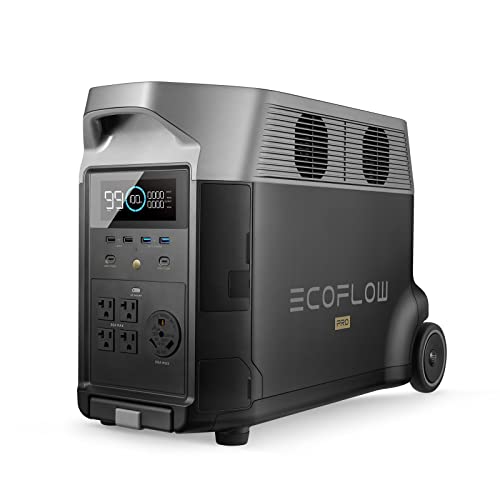
EF ECOFLOW DELTA Pro 3600Wh Power Station
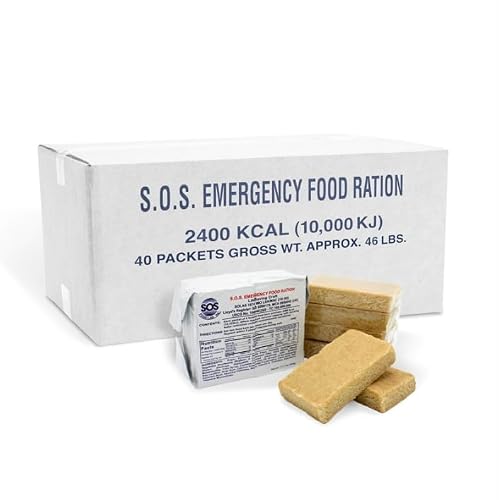
SOS Food Lab 2400-Calorie Bar Case of 40

Readywise Breakfast and Coffee Bucket Bundle
The Strengths Of Each Pick
The Delta 3 makes more sense than a typical food package for an outage because it supports the appliances that make stored food easier to use. Its 1,024Wh internal battery and 1,800W output cover many portable electronics and essential kitchen devices, although actual run time depends on each load.
For apartment living, weekend travel, or a household managing limited counter space, that balance appears practical. It is less suitable as the sole source of power for a refrigerator, freezer, and household all at once, so shelf-stable meals still need to do part of the work.
Real Benefits
- A full recharge can be reached in about 56 minutes through its supported high-input charging setup.
- Expansion capacity reaches as high as 5kWh for households expecting extended outages.
- The battery powers food preparation, lighting, and communications without a fuel engine.
- Its relatively manageable size suits apartments, vehicles, and weekend trips.
Worth Noting
- Battery weight and placement matter more than they would for a small lantern.
- Expansion batteries add bulk, and owners must keep the station dry during outdoor use.
Quick Facts
Who It Suits Best
This model fits apartment residents and casual campers who need portable electricity more than full-home backup.
Look Elsewhere When
Households running several major appliances will find EF ECOFLOW DELTA Pro 3600Wh better suited to higher demand.
Where the Delta 3 supplies electricity, Ready Hour’s 120-serving entree bucket addresses the table. Freeze-drying removes the need for refrigeration, and the stated shelf life reaches 25 years in a cool, dry location, giving households time to rotate meals before storage conditions deteriorate.
That long reserve suits families, nearby neighbors, or volunteers who want main dishes rather than bars and supplements. Some meals require water and preparation, so people in a cold-weather home should account for cooking fuel and a vessel for rehydration.
Good Reasons To Consider
- Up to 120 servings create a substantial reserve for repeated household meals.
- Freeze-dried entrees need no refrigerator, reducing dependence on appliance power.
- The handled bucket is portable but remains organized for household storage.
- A stated 25-year shelf life supports long-term stock rotation.
Small Caveats
- Preparation varies, and some meals may be more demanding than quick breakfast options.
- The bucket needs protection from moisture, punctures, and prolonged heat despite its flood-safe container.
- Long shelf life is a storage claim, not a reason to neglect package inspection.
Feature Snapshot
Made For
This bucket serves households seeking several days of main dishes rather than compact grab-and-go items.
A Better Fit Elsewhere
Travelers needing minimal baggage will find The Survival Tabs 24-Tab Maple Pack far easier to carry.
Fruit and vegetables are easy to overlook until fresh produce disappears from the refrigerator during a lengthy outage. This freeze-dried mix offers 56 servings without refrigeration, and the listed 30-year storage life makes it a long-term pantry component rather than a last-minute purchase.
I see it as a supplement to Ready Hour 120-Serving Freeze-Dried Entree Bucket, not a complete meal by itself. The handled container supports transport, but rehydration may need warm water, so households still need another safe drinking and cooking-water supply.
Features That Help
- Fruit and vegetables add variety when the pantry is centered on starches or bars.
- The food requires no refrigerator during storage.
- A 56-serving count provides repeated use without a large warehouse-scale container.
- The handled, flood-resistant packaging simplifies moving the supply from storage to a kitchen.
Trade-Offs
- It complements a meal plan but does not replace entrées or a varied daily diet.
- Some pieces may need water and a bowl, which matters during water restrictions.
- Sealed packages should stay in cool, dry storage and remain sealed until use.
The Right Fit
Food-first households will find this mix useful for filling a produce gap in an outage pantry.
Where A Sibling Pick Shines
Ready Hour Breakfast Bucket 128 Servings offers more complete morning meals for families focused on daily meal planning.
Breakfast supplies deserve dedicated planning because a long outage can disrupt mornings before the rest of the pantry is fully organized. This bucket contains 128 servings across seven food and drink varieties, including oatmeal, pancakes, and scrambled eggs, which gives households a usable rotation instead of repeating one item daily.
Preparation is straightforward: most foods use water and heat, while some require no preparation at all. That mix appears friendly to a busy kitchen, although true no-cook options are more convenient during a morning with limited fuel or a power station operating under load.
Reasons It Performs
- Seven breakfast choices help prevent the same meal from repeating every morning.
- At over 2,000 listed daily calories, the package provides substantial breakfast food.
- Most meals prepare quickly after adding water and heat.
- Some selections are ready without preparation, which is valuable during constrained mornings.
Practical Considerations
- Several choices require heating, so a fuel or battery-powered cooking plan remains important.
- The stated 25-year shelf life assumes cool, dry storage.
- Owners should rotate sealed pouches and inspect packaging periodically.
Core Details
Who Will Love This
Families prioritizing morning meals will appreciate the variety and substantial serving count.
Another Choice May Suit
Coffee drinkers seeking a complete morning setup will prefer Readywise Breakfast and Coffee Bucket Bundle.
The 24-tab pouch answers a different problem from the Ready Hour buckets. It is built for movement, fitting into a backpack, vehicle, boat, or grab bag without requiring water, a bowl, or a cooking device, which makes it useful during the first hours of an emergency.
The tradeoff is format. Chewable maple-flavored tablets can be compact and easy to use, but they may feel less like a satisfying breakfast than oatmeal or pancakes, so I see them as a reserve within a varied food plan rather than the entire cupboard.
What Pays Off
- Twenty-four individual tabs fit into small emergency and outdoor kits.
- No water, refrigerator, or cooking equipment is needed for consumption.
- Protein, carbohydrates, fats, and 15 vitamins and minerals provide nutritional variety.
- The pouch travels easily in vehicles, backpacks, and boats.
Possible Compromises
- Maple-flavored tablets may not satisfy everyone’s preferences.
- The compact format offers less meal variety than freeze-dried entrées.
- Owners should store the pouch sealed, cool, and dry.
Built With In Mind
Commuters, hikers, and drivers needing food that requires no preparation will find the pouch particularly useful.
Swap It Out When
Households wanting conventional meals and broader choices will find Ready Hour 120-Serving Freeze-Dried Entree Bucket more practical.
Compared with the Delta 3, the DELTA Pro carries substantially more storage and output for households expecting a serious outage. Its 3,600Wh LFP battery, meaning a lithium iron phosphate chemistry, supplies 3,600W of AC output and can support more demanding kitchen equipment, lighting, and electronics.
Expansion takes the station as high as 25kWh with compatible batteries or smart generators, making it a stronger fit for frequent power interruptions and larger homes. The catch is weight, cost, and setup complexity, since more capacity does not eliminate the need to stagger high-draw appliances.
Points In Its Favor
- The 3,600Wh base capacity offers greater reserve for refrigerators, lighting, and communications.
- A 3,600W AC output supports higher-wattage household devices.
- Compatible expansion equipment can raise total storage to 25kWh.
- LFP battery chemistry suits households seeking a stationary emergency power reserve.
Details To Watch
- Its size and weight make relocation harder than carrying the Delta 3.
- Total runtime depends on appliance draw, battery age, and expansion configuration.
- Outdoor placement requires weather protection and careful ventilation.
- Users still need to distribute loads to avoid overloading the unit.
Technical Highlights
Who Should Grab It
Large households managing multi-day outages will benefit from the station’s higher capacity and output.
Reach For A Different Pick When
Apartment residents seeking a lighter option will find EF ECOFLOW Delta 3 Portable Power Station 1024Wh easier to manage.
Each SOS Food Lab bar is formulated as a compact two-day food reserve for one person, with 2,400 listed calories. That self-contained portion simplifies allocation across households, workplaces, or agency kits, especially when a power failure makes cooking and food accounting more difficult.
The case contains 40 individually wrapped bars, making it easier to distribute than one large bucket. In practice, bars suit a reserve box or go-bag, while the Ready Hour entree bucket offers more familiar meal textures for daily eating.
The Good Stuff
- Every bar provides 2,400 calories for up to a two-day period.
- Forty individually wrapped portions simplify storage and distribution.
- The bars need no preparation, which helps during a water or power shortage.
- A stated five-year shelf life supports shorter reserve cycles.
Trade-Offs To Consider
- Forty bars occupy more space than a small 24-tab pouch.
- Repeated bars can become monotonous during a prolonged outage.
- Storage life depends on the stated shelf life and proper package handling.
The Right Household Profile
Office managers, volunteer coordinators, and larger families will find individually portioned bars easy to distribute.
A Better Fit Elsewhere
People focused on hot, varied meals will prefer Ready Hour 120-Serving Freeze-Dried Entree Bucket.
Readywise combines a breakfast selection with 360 servings of Colombian freeze-dried coffee across 12 pouches. That emphasis on the full morning routine differentiates it from Ready Hour Breakfast Bucket 128 Servings, which offers more breakfast variety but no included coffee supply.
For campers, a shared shelter, or a household that relies on coffee to make an improvised morning feel normal, that pairing is practical. The coffee requires six ounces of boiling water and six teaspoons, so the appliance-free convenience ends at the beverage itself.
Where It Delivers
- Twelve pouches contain 30 coffee servings each.
- Four breakfast options bring some variety to morning meal planning.
- Freeze-dried coffee reduces the need for a coffee machine or refrigerator.
- The combined package serves camping trips as well as emergency storage.
Where It May Fall Short
- Hot water is needed for the listed coffee preparation method.
- Only four breakfast choices are described, fewer than the seven in the Ready Hour breakfast bucket.
- Food and coffee packaging still needs cool, dry storage.
Included Details
Who It Suits Best
Campers and coffee-drinking households will appreciate having breakfast and coffee organized together.
Consider Something Else When
Shelter operators prioritizing a wider breakfast selection will find Ready Hour Breakfast Bucket 128 Servings more useful.
Building A Practical Outage Pantry
Start With The Outage Length
A brief interruption rarely requires the same reserve as a multi-day regional event. I start with the number of people, expected outage length, and access to safe drinking water, because shelf life and serving count matter less without enough water for preparation and basic needs.
Favor Meals Everyone Will Eat
Variety reduces fatigue with emergency food. Freeze-dried entrees, bars, fruit and vegetables, and breakfast options serve different routines, while options such as The Survival Tabs 24-Tab Maple Pack remain valuable where carrying space is limited.
Match Power To Actual Appliances
Portable power does more than preserve food; it can operate a refrigerator, lighting, communications equipment, or a small cooking device. I compare a station’s battery capacity, continuous output, physical size, and expansion options rather than relying on one headline figure.
Store Food As A Complete System
Packaging should remain sealed in a cool, dry location away from flooding, pests, and direct heat. Keeping utensils, water, a can opener, heating fuel, and clear meal instructions nearby often improves daily usability more than adding another can of the same food.
Practical Storage Lessons
Common Shopping Slip Ups
Buying only bars can produce a monotonous food plan, while purchasing a large bucket without a water plan creates a preparation problem. I check serving counts, storage space, cooking requirements, and household preferences before building an emergency reserve.
What The Higher Tier Buys
Higher-capacity power stations add energy reserve, stronger output, and expansion potential for larger homes. The added expense is most useful for frequent or extended outages, while compact stations favor apartments, vehicles, and occasional use.
Frequently Asked Questions
How Long Should Emergency Food Last?
A two-day supply provides a basic starting point, while a week offers more room for delayed assistance. Larger households and areas with frequent disruptions benefit from rotating a longer reserve.
Do These Foods Require Refrigeration?
The listed Ready Hour freeze-dried products do not require refrigeration during storage. Power station batteries and drinks still need appropriate temperature management during storage and charging.
Which Option Needs the Least Preparation?
The Survival Tabs 24-Tab Maple Pack and SOS Food Lab 2400-Calorie Bar Case of 40 require no cooking or added water. Freeze-dried meals and coffee may require water, heat, or both.
Is Portable Power Necessary for Stored Food?
Shelf-stable food can be eaten without electricity, but portable power may support refrigeration, lighting, water heating, and cooking. A smaller Delta 3 favors essential devices, while the DELTA Pro handles more demanding loads.
How Should I Organize an Outage Food Supply?
I separate quick meals from items requiring heat, assign portions for each household member, and store water and utensils alongside the food. A simple inventory also makes it easier to rotate older packages.
Closing Thoughts
The most useful setup combines familiar meals, compact no-cook items, safe water storage, and a power station matched to expected demand. I would pair a Ready Hour entree or breakfast bucket with a portable bar option, then add either the Delta 3 or DELTA Pro according to household size. A realistic plan is easier to maintain than a large collection of overlapping food.