

Emergency food planning becomes much less abstract once shelf-stable meals, water storage, and practical knowledge sit in one place. I’ve organized this roundup around households that face outages, severe weather, camping trips, and longer disruptions, while also considering people building toward greater food independence. Shelf life matters, but preparation time, dietary needs, storage space, and realistic serving logistics matter just as much. Some options provide food immediately, while others help create it, preserve it, or support water reserves.
A Closer Look At The Lineup

Ready Hour Gluten-Free Food Kit 120 Servings

The New Garden Survival Bible 5 in 1
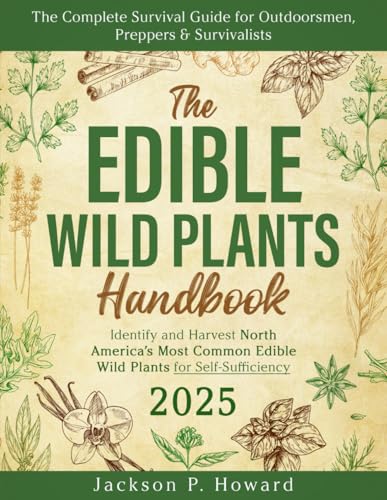
The Edible Wild Plants Handbook

The Amish Natural Remedies Collection

Ready Harvest Freeze-Dried Sweet Potatoes #10 Can

The Complete Amish Self-Sufficiency Manual

The Regenerative Gardening Bible 3 in 1

Godwolf 45-Gallon Water Storage 2 Pack
The Strengths Of Each Pick
A ready-to-cook food reserve removes much of the guesswork from an outage. Ready Hour combines 120 servings, 11 entrée choices, and a stated 22,700-calorie total, making this more practical than a case built around a single repetitive meal. The format particularly suits households managing gluten-free diets, although every pouch should still be checked against individual dietary requirements.
Meals generally call for hot water, which makes kitchen access important. Compared with the single-ingredient vegetables in the Ready Harvest #10 Can later in this roundup, this kit supplies complete meal choices and requires more water during preparation. I see it as the more convenient option for a household that wants shelf-stable dinners without building an elaborate recipe rotation.
Bright Spots
- Eleven entrée varieties reduce repetition during a prolonged disruption.
- The 120-serving format provides a large pantry reserve for families or shared households.
- Most meals rehydrate with boiling water, simplifying preparation during power interruptions.
- The stated calorie total gives households a clearer basis for portion planning.
Practical Considerations
- Hot-water preparation may be inconvenient during a cold-weather outage.
- Gluten-free labeling narrows the dietary focus rather than covering every possible restriction.
Feature Snapshot
Who It Suits Best
This kit best serves gluten-free households seeking a broad, ready-to-cook emergency meal reserve.
A Better Fit Elsewhere
Ready Harvest Freeze-Dried Sweet Potatoes #10 Can suit campers needing a compact vegetable that can be portioned separately.
Food production offers a different kind of resilience than stockpiling sealed meals. The New Garden Survival Bible focuses on designing a greenhouse intended to grow, harvest, and store food, making it most useful for households with land and enough time to manage cultivation before an emergency arrives. It fills a planning gap left by the Ready Hour kit, which addresses immediate meals rather than long-term production.
The five-part structure suggests coverage from greenhouse design through harvesting and storage, though the listing provides no page count or publication details. Depending on local climate, crop choices, and building experience, the material may be more useful as a concept guide than a complete location-specific growing plan. I would pair it with local extension resources before committing to a major structure.
What Makes Sense
- Connects greenhouse planning with growing, harvesting, and food storage.
- Supports a gradual move toward household food production.
- The five-in-one format may keep related planning subjects in one reference.
- Suits people who prefer producing food over managing large ready-meal inventories.
Some Limits To Know
- Greenhouse results depend heavily on local sunlight, climate, and crop selection.
- Available source details do not confirm format, length, or publication information.
- Construction may demand more upfront planning and expense than pantry stocking.
Made For
This reference best fits homestead planners considering a greenhouse as part of a long-term food system.
Where A Sibling Pick Shines
The Regenerative Gardening Bible 3 in 1 offers a stronger fit for compact growing spaces and living-soil projects without a traditional garden plot.
Wild plants add another potential food source, but identification knowledge is the essential component here. The Edible Wild Plants Handbook is presented as a North American reference for finding, identifying, and harvesting common edible species, giving it clear value for hikers, outdoor learners, and households building practical field knowledge. Unlike packaged food, however, it does not solve hunger on its own.
I would treat the book as an educational reference rather than a last-minute identification shortcut. Seasonal timing, geography, habitat, plant maturity, and close visual inspection all affect whether a plant is suitable for consumption. Serious study should be combined with local extension expertise and in-person instruction, particularly before harvesting unfamiliar species.
Good Reasons To Consider
- Builds awareness of edible plants commonly encountered outdoors.
- Supports foraging education in regions across North America.
- Costs little storage space compared with cultivated food reserves.
- Complements camping, hiking, and homestead knowledge.
Honest Caveats
- Misidentification can produce serious consequences, so foundational instruction matters.
- Availability changes with season, location, weather, and habitat.
- The listing provides no confirmed print length or publication information.
Who Will Love This
This handbook best serves beginners who want a structured introduction to responsible North American wild-food study.
Another Choice May Suit
The Complete Amish Self-Sufficiency Manual fits households wanting a broader curriculum that includes food growing, storage, and practical household projects.
This collection extends preparedness beyond food into a traditional home-apothecary reference. Its stated coverage of more than 250 entries includes herbs, pantry staples, teas, and organizational guidance, which may appeal to people interested in older household practices. It is a reference, not a replacement for food reserves, clean water, or qualified medical care.
Compared with The Complete Amish Self-Sufficiency Manual, this book appears narrower and more focused on stored household materials. That concentration may make it easier to browse, although reliable sourcing, storage, allergies, and ingredient compatibility require independent consideration. I would avoid treating traditional references as authority for treating an illness or replacing professional advice.
Useful Strengths
- More than 250 entries create a broad reference structure.
- Covers herbs, teas, and familiar pantry materials rather than one narrow category.
- Pantry-oriented subjects fit households that monitor stored supplies carefully.
- The home-apothecary format encourages organized record keeping and supply review.
A Few Limitations
- Natural materials can still cause allergic reactions or interact with medication.
- Some historical practices may lack support from current clinical evidence.
- The book does not replace suitable emergency food or drinking water.
Key Details
Built With In Mind
This collection suits traditional-pantry enthusiasts who want a broad reference rather than a complete emergency-food system.
Consider Something Else When
Ready Harvest Freeze-Dried Sweet Potatoes #10 Can serves households that need an edible shelf-stable staple instead of an apothecary reference.
Freeze-drying removes much of the water from food, creating a lightweight vegetable with a concentrated storage footprint. Ready Harvest uses sweet potatoes with no listed preservatives, making the #10 can straightforward to incorporate into soups, stews, sides, or camping meals. It pairs well with a complete meal kit but cannot provide the same balance on its own.
Rehydration takes roughly 1 to 10 minutes, and excess water must be drained before use. That process is manageable in a normal kitchen with potable water, though less convenient during a disruption involving limited water supplies. Compared with The New Garden Survival Bible 5 in 1, this is immediate food rather than a tool for producing future harvests.
Practical Advantages
- Freeze-dried sweet potatoes offer a lightweight, concentrated vegetable.
- Each can supplies 22 portions, simplifying household meal division.
- No preservatives are listed, keeping the ingredient profile simple.
- The vegetable can accompany grains, soups, and other shelf-stable dishes.
Details To Watch
- One vegetable cannot supply a nutritionally complete emergency diet.
- Rehydration and draining add steps compared with eating a ready meal.
- The #10 can is bulky as a storage vessel despite its lightweight contents.
Quick Facts
The Right Fit
This can fits campers, hikers, and households seeking a shelf-stable vegetable that can be portioned as needed.
Swap It Out When
Ready Hour Gluten-Free Food Kit 120 Servings better serves households needing complete meal choices and gluten-free convenience.
Self-sufficiency involves connected skills, and this manual presents them as a broad curriculum. Listed subjects include growing and preserving food, securing essential resources, building practical projects, and naturally storing or preparing food. That makes it more comprehensive than The Edible Wild Plants Handbook, which concentrates on identifying a limited category of outdoor foods.
For beginners, the breadth can provide a useful learning map, but real skills still require practice with safe tools and local conditions. I see the manual as planning support rather than an immediate supply. Pairing it with shelf-stable meals from the Ready Hour kit and water capacity from Godwolf creates a more complete household preparation strategy.
Everyday Perks
- Connects food growing, preservation, storage, and preparation in one curriculum.
- Includes practical project guidance for improving household self-reliance.
- Offers a broader foundation than any single gardening or foraging title here.
- Supports gradual skill development before an emergency occurs.
Possible Compromises
- Broad coverage may provide less depth on any individual subject.
- Some projects may require land, tools, or time not available to every household.
- Food preservation and DIY work require careful instruction and maintenance.
Built With In Mind
This manual suits beginners who want a structured overview of food preservation and practical homestead skills.
Look Elsewhere When
The New Garden Survival Bible 5 in 1 better serves planners whose primary interest is greenhouse design and crop production.
Living soil is the central growing foundation covered by this three-part guide. Listed features include building soil from scratch, applying five core principles, adapting the process to small spaces, and completing 12 practical projects. That project emphasis is valuable for apartment balconies, patios, community plots, and backyard beds where a full homestead may be unrealistic.
Unlike The New Garden Survival Bible 5 in 1, this guide is centered on soil regeneration rather than greenhouse design. Depending on the starting condition of the site, results may take multiple seasons, and the practical work requires access to suitable materials. I would use the book as a planning framework, then adapt its advice to local soil, rainfall, and crop requirements.
Reasons It Performs
- Living-soil instruction supports a durable foundation for food production.
- Small-space guidance makes the subject relevant to patios and balconies.
- Twelve practical projects provide concrete ways to begin improving a growing area.
- The five-principle structure gives varied yards a repeatable planning model.
Trade Offs
- Soil improvement may require several seasons before results become noticeable.
- Local climate and existing soil conditions can change the appropriate method.
- Food production still requires seeds, water, maintenance, and suitable weather.
Feature Rundown
Whose Shelf It Belongs On
This guide belongs with apartment growers, balcony gardeners, and small-plot owners focused on soil improvement.
Reach For A Different Pick When
Godwolf 45-Gallon Water Storage 2 Pack is a better fit for households prioritizing immediate drinking-water reserves over growing guidance.
Water reserves belong beside any serious emergency-food plan because sealed meals still require drinking and cooking water. Each Godwolf bladder holds up to 45 gallons, and the two-bag set offers a substantial capacity for a household facing storms, outages, camping, or RV travel. Unlike the food-focused options here, this product addresses a nonfood requirement that can become urgent very quickly.
The pack includes one reusable manual siphon hose intended to serve both bags. Storage remains a practical issue: empty polyethylene bladders occupy more space than filled ones, but full capacity is considerable. Households should use clean water, keep containers properly handled, and establish a realistic rotation schedule for stored water.
The Helpful Details
- Each bladder can hold up to 45 gallons, supporting meaningful household reserve capacity.
- Two bags provide flexible distribution across a home, vehicle, or travel setup.
- The polyethylene construction is described as food-grade and suited to water storage.
- The included siphon supports water extraction from either bag.
Storage Considerations
- Filled bags require substantial floor area and careful weight distribution.
- Only one siphon is included for the two-bag configuration.
- Stored water needs an organized replacement schedule and protected storage location.
Technical Highlights
Made For
This set suits households, campers, and RV travelers preparing a substantial water reserve for outages or remote trips.
Skip It When
Ready Hour Gluten-Free Food Kit 120 Servings serves a different need by supplying shelf-stable meals rather than drinking-water capacity.
Building A Preparedness Pantry That Works
Start With Actual Consumption
I begin with the number of people involved and the length of the intended supply period. Shelf-stable variety matters more than accumulating dozens of identical packets, while familiar flavors reduce waste during a stressful disruption. Ready Hour offers complete meal options, whereas Ready Harvest supplies a flexible vegetable component.
Match Food To Water Access
Prepared meals can require water even when they are shelf stable. A household with uncertain water access may prefer compact ingredients, but the Godwolf 45-Gallon Water Storage 2 Pack remains a separate requirement rather than a cooking substitute. Drinking water, sanitation water, and preparation water each need a clear plan.
Separate Immediate Supplies From Long-Term Skills
Prepared food handles short-term demand, while books on greenhouses, soil, and self-sufficiency support future production. These categories complement one another but operate on different timelines. Gardens need maintenance and suitable growing conditions, so keeping a modest food reserve remains sensible even after planning begins.
The Practical Layers Of Preparedness
Mistakes Worth Dodging
A common mistake is counting packages without calculating daily portions or storage space. Another is assuming a gardening book creates an immediate food source. I also avoid building a supply around one flavor, one dietary assumption, or one preparation method.
What Separates Premium From Basic
Higher-tier emergency food may offer greater serving counts, broader meal variety, or easier preparation. Those upgrades help most for households with specific dietary needs, limited cooking facilities, or more mouths to feed. Basic bulk ingredients can still be sensible for experienced campers and larger stores.
Frequently Asked Questions
How Long Should Emergency Food Last?
The useful duration depends on household size, disruption length, and storage conditions. A varied reserve is generally more practical than one repeated meal. Capacity alone doesn’t replace water, lighting, and a preparation plan.
Are Freeze-Dried Foods Easier to Store?
Freeze-dried foods generally require less storage space than foods with high water content. They still need rehydration and suitable water access. Packaging should remain dry and sealed.
What Food Works for a Gluten-Free Emergency Kit?
Gluten-free complete meal kits offer convenience and variety. Individual dietary requirements still need to be checked against every package. Water and suitable cooking equipment also need consideration.
Is Gardening a Replacement for Emergency Food?
Gardening can improve long-term food independence, but it cannot supply an immediate reserve. Weather, seasons, maintenance, and failed harvests affect production. Stored food remains useful during the time needed to establish and maintain a garden.
How Much Water Should Be Stored?
Storage needs depend on household size, available containers, and the disruption being planned for. Water is used for drinking, cooking, sanitation, and other routine tasks. A siphon and protected storage location help make the reserve usable.
Wrap Up
Prepared meals, freeze-dried vegetables, water bladders, and practical references solve different layers of preparedness. I favor a balanced approach that starts with an accessible food reserve and clean water, then adds gardening and preservation skills over time. A smaller plan that fits the available space and routines is more dependable than an oversized inventory nobody can rotate or use.