

A well-stocked pantry needs more than cans and a large container of rice. Shelf-stable peanut butter, freeze-dried meals, ready-to-eat bars, and powdered drinks can make daily meals easier while adding useful options for outages, camping trips, and sudden changes in routine.
I focus on pack size, serving count, preparation demands, storage conditions, and realistic shelf-life claims. Some choices provide everyday convenience, while others focus on disaster planning or compact backpacking. A food that needs no refrigeration may be convenient, but flavor, preparation, and serving logistics still matter.
A Snapshot Of The Selections

SKIPPY Creamy Peanut Butter 16.3oz x8

SKIPPY Natural Creamy Peanut Butter 15oz x8

Ready Hour 120 Serving Entree Bucket
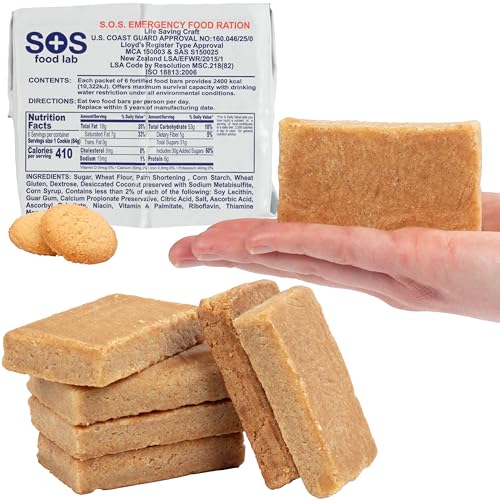
SOS Food Lab Emergency Food Bar, 2400-Calorie Ration

U.S. MRE Meals 12-Pack, Menu B: 13-24

Ready Hour Fruit & Veggie Mix, 56 Servings

Ready Hour Breakfast Bucket, 128 Servings

READYWISE Whey Powdered Milk, 120 Servings
The Details Behind The Selections
Eight 16.3-ounce jars make this more useful for a busy household than a single tub that gets opened and closed repeatedly. The smooth texture works on sandwiches, toast, fruit, and snacks without turning the pantry into another specialty-food project.
Made with roasted peanuts, this SKIPPY option provides seven grams of protein per serving. Compared with Ready Hour Breakfast Bucket later in this roundup, it offers a much shorter preparation path, which matters during an ordinary school morning or a lunch packed in a hurry.
Practical Pluses
- Eight jars simplify stocking several lunchboxes or home pantries.
- Roasted peanuts create a familiar sweet-and-savory base for sandwiches and snacks.
- The smooth texture spreads easily, reducing prep time before school or work.
- No artificial flavors or colors are added.
Points To Note
- Peanut butter needs clean, dry utensils to help preserve the spread’s quality.
- Eight full-size jars occupy meaningful pantry space, so rotating them may be useful.
Key Details
Who It Suits Best
Households with school-age children, office lunch routines, or frequent sandwich makers benefit most from the eight-jar format.
Another Choice May Suit
SKIPPY Natural Creamy Peanut Butter 15oz x8 suits households that prefer smaller jars.
The smaller 15-ounce jars give this SKIPPY spread an advantage over SKIPPY Creamy Peanut Butter 16.3oz x8 in tighter pantries. Each jar is easier to divide among homes, lunchboxes, or multiple people, and the smooth consistency remains practical for sandwiches and quick snacks.
This is pantry convenience, not an emergency meal plan. It provides seven grams of protein per serving and uses roasted peanuts, but it does not replace the meal variety or stated storage duration found in freeze-dried buckets.
Reasons It Performs
- Eight 15-ounce jars offer a compact way to keep several locations stocked.
- Smooth peanut texture works well on bread, crackers, fruit, and simple sandwiches.
- Each serving supplies 7 grams of protein for an easy pantry snack.
- Roasted peanuts give the spread a recognizable flavor without artificial colors or flavors.
- No added preservatives are listed.
Minor Gripes
- Open jars require clean utensils and secure closure after each use.
- Peanut spread is not as useful as a complete meal during a prolonged outage.
Made For
Students, commuters, and small households that favor portion-friendly pantry staples benefit from this format.
A Better Fit Elsewhere
SKIPPY Creamy Peanut Butter 16.3oz x8 better serves a large household that prefers full-size jars.
Freeze-dried food removes moisture, leaving lightweight meals that can remain unrefrigerated under the stated storage conditions. This bucket includes up to 120 servings, making it a substantial reserve for households preparing for outages, camping, or extended travel.
Unlike the peanut butter picks, this is designed around complete entrees and a much longer storage claim. The durable, flood-safe container and carrying handle add practical protection, although cool, dry storage remains essential.
A Few Strong Suits
- Up to 120 servings support meal planning for a sizable household.
- Freeze-drying reduces the weight and bulk associated with conventional canned meals.
- The handled container simplifies transport between storage areas.
- No refrigeration is required.
- The stated shelf life reaches up to 25 years in cool, dry conditions.
Details To Watch
- Freeze-dried food normally requires hot water and additional preparation time.
- The maximum storage claim depends on maintaining a cool, dry environment.
Built With In Mind
Households building a substantial emergency cache or planning longer camping trips get the greatest value from the 120-serving count.
Look Elsewhere When
SOS Food Lab Emergency Food Bar suits travelers who need food that requires no water.
Six shortbread cookie bars provide 2,400 total calories across a stated two-day period for one person. No cooking, water, or utensils are required, which makes this ration much easier to carry than Ready Hour 120 Serving Entree Bucket during an evacuation or hiking trip.
The food resembles a compact biscuit rather than a conventional meal. That distinction matters for taste expectations, although direct consumption and vacuum-sealed packaging are compelling advantages in a kit where simplicity is essential.
Well-Handled Touches
- The bars can be eaten directly without water.
- Six individually packed bars divide neatly across two days.
- Vacuum-sealed packaging supports the stated five-year storage life.
- The compact format fits backpacks, vehicle kits, and emergency drawers.
Possible Compromises
- Cookie texture may feel repetitive across six consecutive servings.
- The ration is limited to a stated two-day supply and does not cover a large group.
- Shortbread bars add limited meal variety to a comprehensive food cache.
Quick Facts
Right Fit For
Solo campers, commuters, and households needing a small no-water addition to emergency supplies benefit most.
Reach For A Different Pick When
U.S. MRE Meals 12-Pack, Menu B: 13-24 better serves groups wanting complete meals with flameless heaters.
Twelve complete MRE meals create a more substantial cache than the six-bar SOS ration, with entrees, snacks, desserts, and flameless heaters in each menu selection. Menu B covers meal numbers 13 through 24, helping distinguish it from Case A groupings.
Each meal provides a listed 1,000 to 1,300 calories, and the package has a stated five-to-seven-year storage stability. For camping or disaster planning, the tradeoff is weight and bulk, since heaters and multiple components add more than a simple ready-to-eat bar.
The Practical Payoff
- Twelve complete meals provide a substantial reserve for one person or a small group.
- Entrees, snacks, and desserts create more variety than a single-form emergency ration.
- Flameless heaters warm food without requiring an open flame.
- Airtight pouches support the stated storage stability.
- Per-meal calorie amounts range from 1,000 to 1,300.
- Menu numbers 13 through 24 help maintain selection consistency.
Practical Considerations
- The full meal format is heavier and bulkier than SOS Food Lab Emergency Food Bar.
- Flameless heaters are single-use components that add packing volume.
Who Will Love This
Prepared households, campers, and people building group-oriented emergency reserves value the complete meal format.
Where A Sibling Pick Shines
Ready Hour 120 Serving Entree Bucket offers a larger serving count for a household-scale meal reserve.
Freeze-dried produce concentrates fruit and vegetables into lightweight portions, which is useful where fresh produce spoils quickly. With 56 servings, this mix can supplement meals during camping, an outage, or daily food storage without relying on refrigeration.
The 30-year storage claim exceeds the entree bucket’s stated range, but the product’s role is different. Ready Hour Fruit & Veggie Mix, 56 Servings supplements a food cache rather than replacing it with full meals, and rehydration still affects the final eating experience.
The Helpful Details
- 56 servings provide a moderate produce reserve for trips and outages.
- Freeze-drying reduces weight and storage volume compared with fresh produce.
- The durable container includes a handle for transport.
- No refrigeration is required.
- The stated 30-year shelf life supports long-term storage planning.
Small Caveats
- Fruit and vegetables require water and preparation before eating.
- Rehydrated texture may not match fresh produce, depending on the dish and preparation.
- The 56-serving count offers less total volume than the 120-serving entree bucket.
Feature Snapshot
Who Should Grab It
Campers and households seeking compact produce storage without refrigeration gain the most from this mix.
Consider Something Else When
Ready Hour Breakfast Bucket, 128 Servings better serves families seeking a large breakfast-focused reserve.
Breakfast receives less attention in many emergency caches because it is easy to overlook. This bucket addresses that gap with 128 servings across seven food and drink varieties, including oatmeal, pancakes, scrambled eggs, and additional options.
Most items require water and heat, so this is less convenient than SOS Food Lab Emergency Food Bar during travel or an immediate grab-and-go situation. For home storage, though, the variety and stated 25-year shelf life make the larger preparation demand easier to absorb.
Good Reasons To Consider
- Seven breakfast varieties reduce repetition during a long household reserve.
- At 128 servings, the bucket supports repeated family use.
- Oatmeal, pancakes, and eggs provide recognizable morning options.
- The kit provides more than 2,000 daily calories.
- A flood-safe container helps protect the supply.
Trade-Offs To Consider
- Most breakfasts require added water and heat, so kitchen access matters.
- The breakfast focus leaves lunch and dinner choices outside this kit.
- The 128-serving format requires more storage volume than a compact travel ration.
Best Suited To
Families with home storage space and a need for a varied breakfast reserve benefit from the large serving count.
Swap It Out When
SOS Food Lab Emergency Food Bar better serves solo travelers who prioritize compact storage and zero preparation.
Powdered drink mix expands the function of a food cache beyond solid meals. READYWISE combines nonfat dry milk with sweet whey powder, and water turns a measured portion into a chocolate-flavored drink for camping or emergency use.
The bucket contains 120 servings, with each pouch providing up to 12 two-tablespoon portions. That pouch-based organization is more flexible than carrying a full-size container, although the drink remains an accompaniment rather than a substitute for a complete meal.
A Favorable Mix
- Portion pouches make it easier to control the amount mixed at one time.
- Chocolate flavor may be more approachable for camping drinks than plain powdered dairy.
- Adding water creates a useful drink or ingredient for stored meals.
- The 120-serving count supports frequent household or group use.
- Pouches reduce the need to scoop powder from a large storage container.
What To Weigh
- Water is required for every drink portion.
- Chocolate flavor may not suit people avoiding dairy ingredients.
- Poorly dried utensils can introduce moisture into stored powder.
Whose Shelf It Belongs On
Campers and households keeping drink portions alongside freeze-dried meals benefit from the flexible pouch format.
Another Choice May Suit
Ready Hour Fruit & Veggie Mix, 56 Servings better serves households seeking stored produce rather than powdered drinks.
Building A Practical Long-Term Food Reserve
Start With Real Household Needs
I begin with the number of people involved and the length of the intended reserve. Peanut butter supports routine meals, while emergency foods address a different need with shelf life, serving counts, and reduced refrigeration requirements. A compact list serves better than several containers of nearly identical items.
Match Preparation To The Setting
No-water bars are convenient during travel, while freeze-dried meals and breakfast mixes need water and often heat. Consider a busy kitchen with reliable cooking facilities, then choose a traveling setup that can handle cold or wet conditions. Preparation requirements deserve as much attention as the printed storage life.
Check Storage Conditions Properly
Long shelf-life claims usually come with environmental limits. A cool, dry location helps protect stored food, while a damp closet or fluctuating vehicle temperature may not. I also check whether the package fits the available space before committing to a large serving count.
Balance Nutrition And Practicality
Variety matters across a complete reserve. Peanut butter, produce, breakfast, complete meals, and drinks each serve a different role, but none should be evaluated solely by longevity. Check ingredient information, serving directions, and possible dietary restrictions before adding an item to regular rotation.
Avoiding Overlooked Storage Details
Common Shopping Slip Ups
A large serving count can be misleading without realistic storage space. I compare package dimensions, preparation requirements, and daily usage before choosing between a compact bar and a full bucket. Rotating open pantry staples also prevents older food from being forgotten.
What The Higher Tier Buys
Higher-capacity options usually add more servings, variety, protective packaging, or complete meal components. The added value appears when those extras replace several smaller purchases or match a high-volume need. A compact option remains more sensible for small spaces and occasional use.
Frequently Asked Questions
How Should Long-Term Food Be Stored?
Store food in a cool, dry location away from moisture, pests, and direct heat. Keep packages sealed and follow the directions printed on each item.
Which Long-Term Food Needs No Refrigeration?
All eight options are marketed as pantry or emergency foods that avoid refrigeration. Preparation still varies, since some require water or heat.
Are Freeze-Dried Meals Good for Camping?
Freeze-dried meals are lightweight and compact, but they usually need hot water. Ready-to-eat bars offer a simpler option for trips without cooking access.
How Many Food Servings Do I Need?
The useful amount depends on household size, storage capacity, and the length of the reserve. I include breakfasts, drinks, snacks, and complete meals instead of relying on one food.
Should Long-Term Foods Replace Regular Pantry Staples?
No. Long-term emergency foods offer storage benefits but may cost more per serving or require more preparation. Peanut butter remains convenient for everyday use.
Final Verdict
The strongest reserve combines routine pantry items with foods designed for outages or travel. I favor compact no-water bars for backpacks, freeze-dried buckets for home storage, peanut butter for routine meals, and powdered drink pouches for flexible portions. Match the format to the setting, follow the preparation directions, and rotate supplies so the food remains useful.