
Plain fries can disappear into a crowded meal, especially beside burgers, chicken, or melted cheese. I use these seasonings to add a fast finishing layer after frying, from smoky barbecue rubs to garlic-herb blends and sour cream-onion seasoning. The right choice depends on the flavor profile, the food accompanying the fries, and how much seasoning suits your kitchen.
A Quick View Of The Lineup

Weber Kick’n Chicken Seasoning

Cuso’s Dust BBQ Rub 5 oz
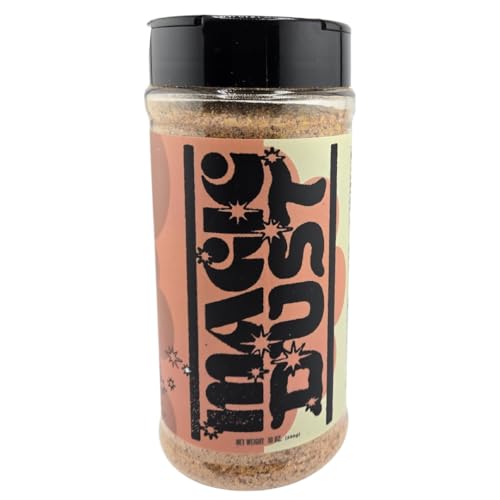
Toasty’s Magic Dust Seasoning

Weber Garlic Parmesan Seasoning

Cuso’s Dirt BBQ Seasoning 5 oz
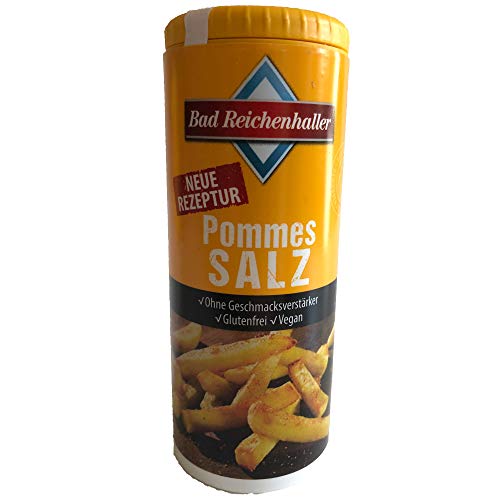
Bad Reichenhaller Pommes Salz 90 g
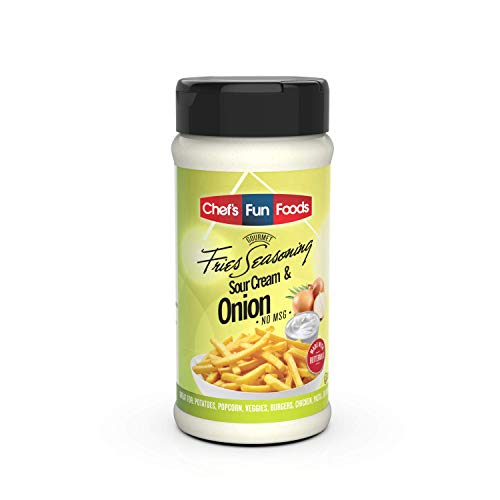
Gourmet Fries Sour Cream & Onion Seasoning

Cuso’s Lemon Pepper Seasoning 5 oz
Meet The Standout Selections
Weber Kick’n Chicken Seasoning brings orange peel, garlic, and red pepper to the table, giving plain fries a brighter finish than a basic salt. I like it on grilled chicken, but it also works on pork chops, fish, and vegetables, which makes it useful beyond a single fry plate.
The sweet-to-spicy balance may suit a casual cook who wants a recognizable barbecue flavor without creating a complicated seasoning mixture. Compared with Cuso’s later lemon pepper option, it carries more warmth and less citrus brightness.
A Strong Showing
- Orange peel adds citrus depth without making the blend taste exclusively sweet.
- Garlic and red pepper create a more layered finish than plain salt.
- The 11-ounce shaker supplies enough seasoning for repeated grill sessions.
- Chicken, pork, fish, and vegetables all fit its savory profile.
Trade Offs
- It is a meat-focused barbecue blend, so fries paired with delicate fish may taste busier.
- The shaker needs to stay sealed and dry between uses to preserve its aromatic blend.
Key Specs
Who It Suits Best
Home grillers serving chicken or mixed vegetables benefit most from its flexible savory profile.
A Better Fit Elsewhere
Bad Reichenhaller Pommes Salz fits cooks seeking a potato-centered paprika and herb finish instead of a meaty barbecue rub.
Cuso’s Dust BBQ Rub leans into the smoky side of a fry plate, especially beside steak, pork, or chicken. Its 5-ounce bottle fits a weekend grill, while the broad food range also covers roasting and baked dishes. In my view, it works best when fries are a supporting dish rather than the only item on the plate.
That barbecue emphasis sets it apart from Toasty’s Magic Dust, which aims at a lighter all-purpose finish. Cuso’s may produce a stronger flavor on heavily seasoned meats, so restraint matters on thin-cut fries.
Real-World Strengths
- Builds a recognizable barbecue character on grilled meat and fries.
- Works across grilling, roasting, and baking rather than one method only.
- The compact bottle suits weeknight cookouts and outdoor kitchens.
Small Caveats
- The flavor direction is less potato-specific than a classic fries seasoning.
- Heavy-handed application can overwhelm the fried potato texture.
- Moisture collecting in an open shaker can hinder even dispensing.
Built With In Mind
Backyard grillers serving smoky meats get the most useful pairing from this compact barbecue rub.
Where Another Pick Shines
Cuso’s Lemon Pepper Seasoning offers a cleaner citrus path for cooks who prefer grilled chicken over steak and brisket.
Toasty’s Magic Dust is the broadest everyday choice here, moving comfortably from fries to chicken, fish, popcorn, and even a cocktail rim. I appreciate that flexibility in a busy kitchen, where one bottle can cover several snacks without changing the pantry setup.
Unlike Weber Garlic Parmesan Seasoning, it does not lead with a cheese-centered profile. Its composition includes no sugar or fat, is low in sodium, and contains no MSG, which may suit cooks who prefer a lighter seasoning format.
Useful Strengths
- Finishes fries, fish, chicken, popcorn, and other savory snacks.
- Contains no sugar, fat, trans fat, or MSG.
- Low-sodium composition offers a lighter alternative to heavier blends.
- One bottle reduces the need for separate snack seasonings.
Points To Note
- A light hand may be needed on fries already salted with a heavy sprinkle.
- Some cooks may want a more pronounced garlic, herb, or cheese identity.
Feature Snapshot
Ready For Routine
Busy households and casual snack cooks benefit from a single savory seasoning with broad food compatibility.
Another Choice May Suit
Gourmet Fries Sour Cream & Onion Seasoning is a better match for cooks seeking a sharper dairy-and-onion potato profile.
Weber Garlic Parmesan Seasoning gives fries a familiar Italian-American profile built around garlic and parmesan. It also suits vegetables, pasta, pork, and poultry, making it more useful for a mixed meal than a single-purpose fry topping. The cheese notes pair especially well with roasted potatoes.
Compared with the lighter Toasty’s Magic Dust, this smaller 4.3-ounce shaker has a more specific identity. The trade-off is less versatility, though its familiar flavor may land better on classic American comfort food.
A Few Highlights
- Garlic and parmesan create an immediately familiar savory profile.
- Finishes vegetables, pasta, poultry, and pork as well as fries.
- The compact shaker fits a smaller pantry or limited seasoning shelf.
Less Ideal Details
- Its 4.3-ounce size may run out faster for frequent grillers.
- The cheese-forward flavor is less suitable for a minimalist potato finish.
- Keeping the container closed in a cool, dry cabinet helps protect the blend.
At A Glance
Whose Shelf It Belongs On
Comfort-food cooks and small kitchens benefit from one compact jar covering fries and several everyday sides.
Reach For A Different Pick
Cuso’s Dirt BBQ Seasoning fits low-and-slow meat cookers who prefer bold beef and brisket seasoning.
Cuso’s Dirt BBQ Seasoning is built around steak, brisket, and smoking rather than a neutral fry finish. I see it as a weekend barbecue addition: season the meat generously, then use a restrained amount on fries served alongside it. That shared flavor gives the plate a coherent center.
Cuso’s Dust BBQ Rub has broader grocery and cooking coverage, while Dirt concentrates more attention on beef. For a fast Tuesday grill, the difference matters; for a long smoking session, the focus makes sense.
Good Reasons To Consider
- Targets steak, brisket, beef, and other barbecue meats.
- Creates consistent flavor across a low-and-slow cookout.
- The 5-ounce bottle remains compact enough for a weekend barbecue kit.
- Pairs well with fries seasoned separately to avoid oversalting.
Possible Compromises
- Less suitable for cooks seeking a light all-purpose seasoning.
- Using it on both meat and fries can make the plate overly intense.
- Outdoor moisture can interfere with dispensing unless the bottle stays closed.
Built With In Mind
Weekend smokers preparing brisket or steak gain a focused dry rub for the main event.
Skip It When
Light-meal cooks who want a neutral potato finish get more control from Bad Reichenhaller Pommes Salz.
Bad Reichenhaller Pommes Salz takes a direct approach to potato seasoning. Paprika and herbs create a recognizable European-style finish, while the seasoned salt format makes application quick. It also suits wild potatoes, giving home cooks a second use beyond standard-cut fries.
This is the most potato-centered selection here. Compared with Weber Kick’n Chicken Seasoning, it has less meat and citrus influence, which makes it easier to pair with delicate fish or a lightly dressed salad.
The Upside
- Paprika and herbs deliver a focused finish for fried potatoes.
- Works on both French fries and wild potatoes.
- Seasoned salt simplifies the final step after frying.
- The 90-gram shaker offers a manageable supply for home use.
Details To Watch
- It lacks the garlic-parmesan comfort profile of Weber Garlic Parmesan Seasoning.
- Salty fries may need less of the blend than lightly salted potatoes.
- Wiping the shaker rim helps keep oil and moisture away from the cap.
Core Details
Made For Potato Lovers
Cooks preparing classic fries or roasted potato shapes benefit from its focused paprika-herb profile.
Look Elsewhere When
Toasty’s Magic Dust Seasoning better serves households that need one blend for fries, fish, popcorn, and chicken.
Gourmet Fries Sour Cream & Onion Seasoning targets a specific craving, and specificity is its advantage. The profile is familiar enough for loaded-fry night, yet more focused than a general all-purpose dust. I see it working best on fresh fries still hot enough to absorb the powdered finish.
Unlike Bad Reichenhaller Pommes Salz, this option moves toward dairy and onion rather than paprika and herbs. It is less suitable for a minimalist plate, but that focus is exactly what many casual cooks want.
Notable Upsides
- Creates a recognizable sour cream-and-onion finish.
- Supports loaded fries without preparing a separate topping.
- The 9-ounce bottle provides a practical home pantry supply.
- Works well with burgers, fried chicken, and casual family meals.
Worth Bearing In Mind
- The flavor is less versatile than Toasty’s Magic Dust seasoning.
- Dairy-focused cooks may prefer a garlic-herb or paprika finish.
- Refrigerating the container after fatty food use can help protect the blend.
Who Will Love This
Home cooks preparing loaded fries, burgers, and fried chicken appreciate the focused sour cream-onion character.
Consider Something Else When
Weber Garlic Parmesan Seasoning offers a more versatile cheese profile for pasta, poultry, and vegetables.
Cuso’s Lemon Pepper Seasoning brings bright citrus and pepper to wings, fries, and other grilled foods. It works particularly well for game-day tables where chicken is the centerpiece and fries need a supporting flavor that feels related but less heavy than a full barbecue rub.
Compared with Cuso’s Dirt BBQ Seasoning, this blend trades beefy intensity for lemon and pepper brightness. Grill cooks may also use it as a marinade seasoning, but the supplied information does not define the exact preparation ratio.
Everyday Wins
- Lemon and pepper pair naturally with chicken wings.
- Adds a bright flavor layer to fries served with grilled meat.
- Suitable for grill, marinade, and smoking applications.
- The 5-ounce bottle is compact and easy to organize.
Where It May Fall Short
- It is less focused on potatoes than a dedicated fry seasoning.
- Lemon-heavy profiles may clash with strongly smoky barbecue sides.
- Coating a wet surface can create uneven seasoning distribution.
Feature Card
Who It Suits Best
Game-day cooks and backyard grillers preparing chicken wings receive the clearest use case.
A Better Fit Elsewhere
Bad Reichenhaller Pommes Salz suits cooks who want the seasoning concentrated on the potatoes rather than the chicken.
What Matters Most Before Choosing a Fry Seasoning
Flavor direction comes first. Garlic and parmesan suit Italian-inspired plates, sour cream and onion suit loaded fries, and paprika-herb blends keep the potato in focus. Citrus and pepper options work well beside grilled chicken, while brisket rubs lean toward a complete barbecue meal.
A dry rub is a coarse, fat-free seasoning applied directly to food. Its intensity depends on the spice blend and quantity, so cooks should start with a smaller layer and adjust after tasting. This matters most for lean fries because the seasoning offers less flavor protection than a coating.
Container size is the next practical consideration. Large 9-ounce and 11-ounce bottles suit frequent use, while smaller shakers take less pantry space. The 5-ounce formats remain portable for outdoor cooking, although frequent grillers may replace them sooner.
Lessons From the Seasoning Pantry
Mistakes Worth Dodging
Seasoning both meat and fries with the same intense rub can flatten the plate. I prefer to season the meat generously, taste a fry, and add less seasoning to the potatoes than the label suggests.
What Separates Premium From Basic
Cost alone does not create a better fry finish. A focused specialty blend may be more valuable than a large bottle, especially when garlic, sour cream, onion, or citrus is central to the intended dish. The useful upgrade is a more specific flavor profile, not simply a larger container.
Frequently Asked Questions
Are French Fry Seasonings Used Before or After Cooking?
Most of these blends work best as a finishing seasoning after the fries are fried. They can also be used on other foods, but the strongest flavor usually appears on freshly cooked potatoes.
Can One Seasoning Cover Chicken and Fries?
Toasty’s Magic Dust Seasoning is the broadest choice for chicken, fish, popcorn, and fries. More focused blends suit fries and their matching main dish better.
Which Seasoning Suits a Smoky Barbecue Meal?
Cuso’s Dust BBQ Rub works with grilled, roasted, or smoked foods. Cuso’s Dirt BBQ Seasoning offers a narrower focus for steak, brisket, and beef.
Which Option Has a Garlic and Cheese Profile?
Weber Garlic Parmesan Seasoning combines garlic and parmesan for fries, pasta, poultry, pork, and vegetables. It is the clearest choice for an Italian-American flavor direction.
How Should Seasoning Be Stored?
Keep these blends sealed in a cool, dry pantry away from steam and direct heat. Promptly closing the container helps reduce exposure to oil and moisture from nearby foods.
Final Verdict
Toasty’s Magic Dust Seasoning offers the broadest everyday use, while Bad Reichenhaller Pommes Salz stays focused on the potatoes. Garlic Parmesan, sour cream and onion, lemon pepper, and barbecue rubs each fit a different plate. I choose by the main dish first, then keep the fry seasoning light enough for the potato flavor to remain visible.