

Granola bars can make weight management easier when convenience, protein, fiber, and portion control matter more than flavor alone. I compare seven options for packed mornings, desk snacks, travel days, and routines that need a portable meal component, while keeping realistic trade-offs in view. No single bar fits every goal, so the best choice depends on whether the priority is steady energy, higher protein, lower sugar, or simply a snack that fits in a bag.
The Shortlist At A Glance

belVita Cranberry Orange Breakfast Biscuits 30 Packs

IQBAR Clean Protein Bars Low Sugar Keto Peanut Butter Chip 12 Count

KIND Peanut Butter Breakfast Bars 5g Protein 6 Count

Quaker Yogurt Granola Bars Variety Pack 30 Count

Catalina Crunch Peanut Butter Protein Granola 8 oz

Catalina Crunch Protein Granola Variety Pack 3 Bags
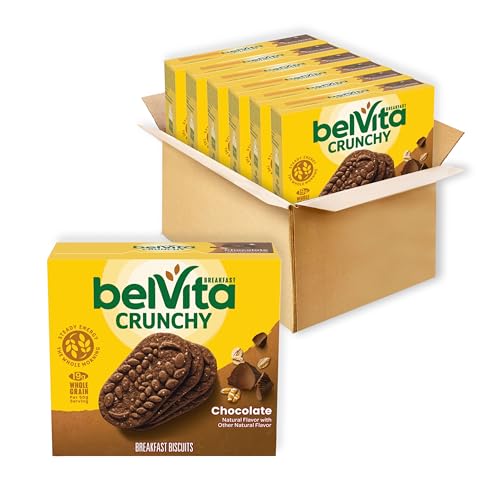
belVita Chocolate Breakfast Biscuits 30 Packs
A Deeper Look At The Lineup
Cranberry orange gives belVita a more distinctive breakfast-biscuit option than the chocolate version, while the individual packs make desk drawers and commute bags easier to organize. I see this as a practical pick for people who want a crunchy, grain-based snack with steady energy rather than a large meal replacement.
The four-biscuit packs create a built-in portion, which helps with the repetitive grazing that can quietly add up during a long workday. Compared with KIND Peanut Butter Breakfast Bars, this choice uses biscuits rather than a dense bar, so texture and portion format matter more than protein density.
What Makes Sense
- Six boxes contain 30 packs, supporting regular stocking.
- Each pack holds four biscuits for easy portioning.
- Grains and slow-release carbohydrates support a steady-energy format.
- Cranberry orange gives a less ordinary breakfast-snack flavor.
Trade Offs
- Biscuits can crumble in a bag, so outer packs need care during transport.
- It offers less protein emphasis than IQBAR or Catalina Crunch.
- Texture may not satisfy people seeking a dense, chewy bar.
Who It Suits Best
People managing a packed morning routine appreciate the individual portions and easy grab-and-go format.
A Better Fit Elsewhere
Those prioritizing a higher protein profile may prefer Catalina Crunch Peanut Butter Protein Granola instead.
Key Specs
IQBAR takes a different route from the biscuit-style belVita option by focusing on a compact protein bar with a low-sugar profile. Peanut butter chip flavor makes it appealing for people who want a familiar snack note without the fruit-forward character of the Cranberry Orange biscuits.
Its plant-protein positioning and low-sugar emphasis suit a workday snack box, though the denser format may feel more substantial than a simple biscuit. I would favor this option for people who care more about a focused snack profile than a cereal-like texture.
Real Benefits
- Low-sugar profile suits routines that limit added sugar.
- Plant protein gives the bar a more filling-oriented format.
- Peanut butter chip flavor works well with familiar pantry staples.
- Individual bars travel easily in work or school bags.
Soft Spots
- The 12-count package may run out quickly in a frequent-snack household.
- Dense bars can be less appealing during a hot commute or warm office.
- Peanut butter flavor is not suitable for anyone avoiding peanuts.
The Right Fit
People seeking a compact, low-sugar snack with plant protein will find the format easy to incorporate into a workday routine.
Consider Something Else When
People wanting a crunchy cereal texture may prefer Catalina Crunch Peanut Butter Protein Granola.
Technical Sheet
KIND’s peanut butter breakfast bars lean into a grain-based breakfast format with oats, buckwheat, millet, amaranth, and quinoa. Each listed two-bar pack provides 1.76 ounces, making this a convenient choice for a quick morning bite or a desk-drawer reserve.
The 5 grams of protein per bar is a useful anchor for people trying to avoid choosing a snack with almost no protein, but it is not the higher-protein profile offered by Catalina Crunch. The six-count box is modest, so daily use may call for more frequent restocking.
Noteworthy Benefits
- Five grains create a more varied grain base.
- Each pack contains two bars for a simple serving format.
- Five grams of protein adds a useful breakfast component.
- Peanut butter flavor works well with coffee or tea.
Small Caveats
- Six packs may be too small for a daily routine.
- Peanut butter is unsuitable for households managing peanut allergies.
- The bar texture may not satisfy someone seeking a soft, fudge-like snack.
Made For
People building a simple breakfast routine appreciate the grain variety and individually packed portions.
Where A Sibling Pick Shines
People wanting a larger protein contribution may prefer Catalina Crunch Peanut Butter Protein Granola for breakfast toppings.
Quaker’s yogurt granola variety pack brings strawberry, vanilla, and blueberry flavors into one 30-count box. That mix is useful for households where one flavor can become boring quickly, and the larger count works well for office snacks or a shared pantry.
Unlike the protein-focused Catalina Crunch options, this selection is framed around granola bars and yogurt flavors rather than a listed protein target. The imported packaging and flavor variety are appealing, though people managing carbohydrates or sugar closely should check the current nutrition label before making it a regular snack.
Where It Excels
- Three flavors provide useful variety.
- Thirty bars suit shared pantries and office storage.
- Individual portions simplify packing and serving.
- Fruit and vanilla profiles cover familiar granola preferences.
Practical Considerations
- Flavor variety does not guarantee a higher protein profile.
- Imported packaging may create storage or freshness questions.
- Thirty bars can create a large pantry commitment for occasional use.
Best Suited To
Shared households and casual snack routines benefit from the range of flavors and high-count box.
Another Choice May Suit
People following a higher-protein routine may prefer KIND Peanut Butter Breakfast Bars for their stated protein content.
Feature Snapshot
Catalina Crunch is a granola rather than a conventional bar, which makes it useful for people who want breakfast cereal that can be portioned into a bowl or eaten with yogurt. The peanut butter flavor provides a familiar base, while the listed 14 grams of protein per two-thirds-cup serving gives this option a clear nutrition angle.
The trade-off is that granola requires a bowl or careful eating over the counter. That makes it less convenient than belVita or KIND, but more flexible for people who want a measured breakfast topping rather than a sealed snack.
Strong Points
- Provides 14 grams of protein per two-thirds-cup serving.
- Works as cereal, topping, or a measured snack.
- Peanut butter flavor suits familiar breakfast preferences.
- Eight-ounce bag is manageable for regular use.
Things To Consider
- Granola is less portable than sealed bars.
- Serving size must be measured to make portioning predictable.
- Peanut butter flavor excludes people with peanut allergies.
Built With In Mind
People seeking a measured, high-protein breakfast component fit this format well, especially with yogurt or fruit.
Look Elsewhere When
People needing a sealed bar for a commute may prefer belVita Chocolate Breakfast Biscuits instead.
Feature Overview
The three-bag Catalina Crunch variety pack extends the measured-granola approach with peanut butter and vanilla almond options. It is a sensible pantry format for families or offices that need more than one flavor and want to keep serving containers available.
Compared with the single peanut butter bag, the variety pack makes rotation easier, though the three-bag format can be more than one person needs. The listed protein content reaches up to 14 grams per two-thirds-cup serving, so flavor choice may affect the exact nutrition profile.
Points In Its Favor
- Three-bag format supports pantry stocking.
- Multiple flavors make rotation easier.
- Granola can be portioned into breakfast bowls.
- Up to 14 grams of protein per serving fits higher-protein routines.
Possible Compromises
- Flavor-specific nutrition may vary.
- Bulk packaging may create more storage needs.
- Not as convenient as sealed bars during travel.
Who Will Love This
Families and shared offices appreciate the combination of flavor variety, pantry storage, and measured breakfast portions.
Reach For A Different Pick When
People who need a single serving that travels without a bowl may prefer IQBAR Clean Protein Bars.
Chocolate gives belVita’s biscuit format a more familiar flavor, and the 30-pack arrangement is easy to divide between an office, car, or kitchen drawer. Each pack contains four biscuits, which helps keep the serving visually defined without requiring a bowl.
This is the straightforward choice when convenience matters more than novelty. Compared with the Cranberry Orange version, the flavor is more predictable, while the crunchy texture remains closer to a breakfast biscuit than a chewy protein bar.
Real-World Strengths
- Large 30-pack supply supports regular stocking.
- Four-biscuit packs provide a clear portion format.
- Chocolate flavor works for a wide range of snack preferences.
- Individual packs travel without loose crumbs.
Minor Gripes
- Chocolate flavor may feel less refreshing than fruit varieties.
- Protein is not the central feature compared with IQBAR or KIND.
- Individual packs can produce extra packaging over time.
Whose Shelf It Belongs On
People who want a simple, familiar snack for an office drawer or daily commute may find this format easy to maintain.
Swap It Out When
People wanting fruit-forward flavor may prefer belVita Cranberry Orange Breakfast Biscuits instead.
Core Details
What Matters Most Before Choosing A Snack Bar
Portion format is often more useful than the word “granola” on the package. BelVita packs create a clear four-biscuit serving, while Catalina Crunch requires measuring a two-thirds-cup serving. People relying on a snack between meals may prefer a format that reduces guesswork.
Protein content deserves attention, but it is only one part of the decision. KIND lists 5 grams per bar, IQBAR emphasizes plant protein, and Catalina Crunch lists up to 14 grams per two-thirds-cup serving. Comparing the full nutrition panel and serving size is more useful than comparing a front-of-package number alone.
Flavor and storage shape long-term consistency. Chocolate and peanut butter suit familiar routines, while cranberry orange, strawberry, vanilla, blueberry, and vanilla almond offer more rotation. For a 30-count box, I would first check pantry space, allergy concerns, and how often the bars will actually be eaten.
Practical Snacking Mistakes To Avoid
Common Shopping Slip Ups
A common mistake is choosing flavor before checking serving size. A dense bar and a bowl of granola can look similar in a bag but create very different portions. Another mistake is assuming a bar is a complete meal replacement; some options work better as a snack alongside fruit, yogurt, or another meal component.
What Separates Premium From Basic
Higher-priced options often provide more protein, specialty ingredients, or a more convenient format. The extra spending is most reasonable for people who value measured portions, stronger protein numbers, or allergen-friendly profiles. For an occasional snack, a bulk variety box may offer better practical value.
Frequently Asked Questions
Are granola bars suitable for weight management?
They can fit a weight-management routine when portion size and overall eating patterns are considered. A bar works best as an intentional snack, not an automatic extra between meals.
Which option has the highest listed protein?
Catalina Crunch lists up to 14 grams per two-thirds-cup serving. IQBAR emphasizes plant protein, while KIND lists 5 grams per bar.
Are these bars good for travel?
BelVita and IQBAR are easier to carry because they come in sealed individual packs. Catalina Crunch is more convenient for a breakfast bowl or measured snack at home.
What should I check for allergies?
Peanut butter appears in IQBAR, KIND, and one Catalina Crunch flavor. Anyone avoiding peanuts should check the package and choose a flavor with a confirmed suitable profile.
Are granola bars filling?
Filling power depends on protein, fiber, serving size, and the rest of the meal. A higher-protein option may feel more substantial, while a biscuit is often lighter and easier to portion.
Final Verdict
I find IQBAR most useful for a compact low-sugar routine, KIND useful for a grain-based morning, and Catalina Crunch most practical for a measured high-protein breakfast. belVita wins on simple pack-and-go convenience, while Quaker offers broad flavor variety. The right choice is the one whose serving format and nutrition profile fit an actual routine.