

Grocery store coffee can fit a crowded morning routine, an espresso setup, or a simple Keurig without forcing one flavor profile on every drinker. I focus on roast level, bean format, origin details, flavor, package size, and brewing compatibility, because those details determine whether a bag will work well in a busy kitchen. My shortlist covers dessert-inspired blends, dark chocolate, bright light-roast coffee, high-volume breakfast brewing, Italian espresso, and convenient single-serve pods.
A Closer Look At The Lineup

Bones Coffee Company Salty Siren Sea Salted Caramel Coffee

Bones Coffee Company Army of the Dark Coffee

Cameron’s Coffee Organic Breakfast Blend 4 Pound

Bristot Speciale Italian Espresso Coffee Beans 2.2 lb
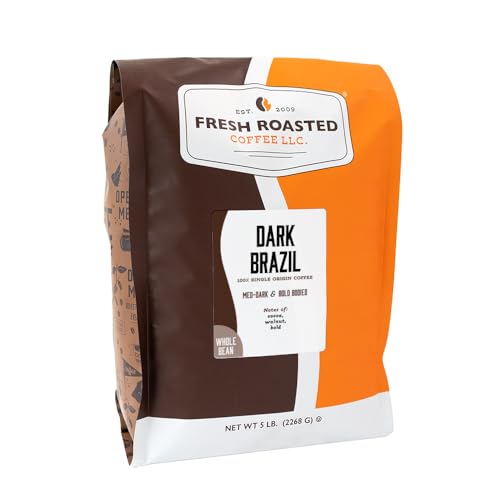
Fresh Roasted Coffee Dark Brazil Whole Bean 5 lb

Fresh Roasted Coffee Seriously Dark K-Cup Pods 24 Count

Fresh Roasted Coffee Organic Ethiopian Yirgacheffe Whole Bean

Bristot Classico Espresso Beans 2.2 lb
A Deeper Look At The Lineup
Salty Siren brings dessert-like character to a 12-ounce bag of medium-roast, low-acid Arabica beans. Caramel chocolate leads the listed flavor profile, with sea salt balancing the sweetness, while the whole-bean format preserves the diner’s control over grind size.
It makes sense for a morning person who wants familiar coffee with a clear dessert influence, especially over French press or automatic drip. Compared with Cameron’s Coffee, the choice is less about origin complexity and more about a playful, recognizable flavor.
Benefits That Matter
- Whole beans let daily drinkers adjust the grind for their chosen brewer.
- The listed low-acid profile may suit people who favor milder coffee.
- Caramel, chocolate, and salt create an approachable alternative to plain medium roast.
- The 12-ounce size keeps the package manageable for a couple of drinkers.
Small Caveats
- Flavored coffee won’t suit anyone seeking a single-origin tasting experience.
- Whole beans require a grinder and storage away from heat, moisture, and air.
Quick Facts
Made For
This choice suits breakfast drinkers who want sweet, chocolate-forward coffee in a French press or automatic drip machine.
A Better Fit Elsewhere
Fresh Roasted Coffee Organic Ethiopian Yirgacheffe Whole Bean offers a more natural, fruit-forward alternative for drinkers avoiding dessert flavors.
Army of the Dark combines Brazilian Arabica with a dark-chocolate flavoring theme, placing it between Salty Siren’s caramel sweetness and a conventional dark roast. The listed low acidity and medium roast give it a broader, less aggressive character than the name might suggest.
For an evening pot in a busy kitchen, the dark-chocolate orientation can feel familiar and comforting without requiring advanced brewing knowledge. A diner who dislikes overt flavor additions may find the chocolate notes too stylized, however.
Everyday Perks
- Brazilian Arabica forms the stated coffee base.
- The dark-chocolate profile works well in an afternoon or after-dinner pot.
- Whole beans suit both automatic drip and French press after suitable grinding.
- Low acidity gives the medium roast a gentler positioning.
Honest Caveats
- The chocolate flavor is intentional rather than subtle.
- A 12-ounce bag may disappear quickly in a two-dripper household.
- Grinding only as needed helps preserve aroma, but the beans still need airtight storage.
The Right Fit
It best suits coffee drinkers seeking a low-acid, chocolate-centered medium roast for familiar everyday brewing.
Another Choice May Suit
Bristot Speciale Italian Espresso Coffee Beans 2.2 lb is a better fit for espresso machines and a wider Arabica-Robusta discussion.
The four-pound package changes the calculation for households that brew several cups each morning. Cameron’s Organic Breakfast Blend draws from Central and South American Arabica coffees and arrives as whole beans, giving high-volume routines a substantial supply without a capsule or ground-coffee commitment.
Its breakfast-oriented positioning favors an approachable cup over a sharply defined single-origin experience. That makes it more practical than either 12-ounce flavored pick for a family sharing automatic drip equipment.
Bright Spots
- Four pounds suit offices, large households, and frequent automatic drip use.
- Regional blending supports a smoother, less specific tasting profile.
- Organic sourcing details appeal to households prioritizing that production method.
- Whole beans remain adaptable to several grind-based brewing methods.
Practical Considerations
- Opening a large bag increases exposure to air, so an airtight canister matters.
- The broad blend may not satisfy drinkers who chase specific farm or varietal flavors.
- A grinder capable of processing a steady supply adds to the equipment list.
Feature Snapshot
Built With In Mind
This package best serves families, shared offices, and daily breakfast brewers who prioritize supply size and smooth blending.
Swap It Out When
Fresh Roasted Coffee Dark Brazil Whole Bean 5 lb suits drinkers wanting an even larger single-region format.
Speciale is built around a 67% Arabica and 33% Robusta blend, a combination espresso drinkers often appreciate for body and crema, the creamy layer produced in a properly extracted espresso. Brazilian Arabica Cerrado, Central American Robusta, and Indian Robusa create more depth than a single varietal alone.
Its low-acid, medium-to-full-city roast favors espresso and cappuccino over delicate filter service. Compared with Bristot Classico, Speciale offers a somewhat gentler acidity rating and a more structured bean blend.
Key Advantages
- Robusta adds body for milk-based drinks and a fuller cup.
- Low acidity suits drinkers seeking a rounder espresso profile.
- Spice, dark chocolate, grain, citrus, and toasted bread create layered notes.
- The 2.2-pound size supports repeated espresso preparation.
Worth Noting
- The Robusta portion may produce a more assertive cup than pure Arabica.
- Ground coffee loses aroma faster, so grinding shortly before brewing is preferable.
Technical Highlights
Best Suited To
It fits home espresso drinkers who want a creamy, full-bodied cappuccino base with moderate acidity.
Where A Sibling Pick Shines
Bristot Classico Espresso Beans 2.2 lb is the stronger match for drinkers seeking a more intense Italian espresso profile.
Five pounds makes Dark Brazil the clear high-volume option here. The whole beans come from Brazil’s Cerrado region, a detail that gives the cup more geographic focus than a general breakfast blend while remaining easier to manage than espresso-specific preparation for many homes.
A medium-dark roast suits shared kitchens, guest rooms, and offices that brew constantly. The source describes a heavy body, dry cocoa, walnut, and a clean finish, though actual emphasis will depend on roast freshness and brewing control.
The Good Stuff
- The 80-ounce bag reduces refill frequency for heavy daily drinkers.
- Brazilian Cerrado sourcing gives the blend a defined regional identity.
- Medium-dark roasting supports a substantial body and chocolate character.
- Kosher status broadens its suitability for shared kitchens and offices.
Points To Note
- The large package needs cool, airtight storage divided into smaller portions.
- Its dark profile may overwhelm lighter roasts or delicate brewing methods.
- Whole-beel preparation requires suitable grinder capacity.
Whose Shelf It Belongs On
This bag serves offices, large households, and guest accommodations that consume several cups of dark coffee each day.
Reach For A Different Pick When
Cameron’s Coffee Organic Breakfast Blend 4 Pound is easier to manage in a smaller kitchen and offers a broader regional blend.
Seriously Dark shifts from bulk whole beans to a 24-count pack of pods made for Keurig brewers. The format suits a shared office, guest suite, or weekday routine where one cup at a time matters more than adjusting a grind or measuring loose coffee.
The artisan blend is roasted dark, but the source gives no detailed tasting notes, so I would not assume a specific chocolate or nut profile. That missing detail is the main contrast with Bristot Classico, whose flavor profile is clearly mapped to espresso.
What Makes Sense
- Single-serve pods remove weighing and cleanup steps.
- The 24-count pack stores neatly in a home or office cabinet.
- Kosher labeling suits a wider range of shared kitchens.
- Paper-based packaging and home-compostable grounds and filters support disposal planning.
Trade Offs
- Capsules require a compatible Keurig brewer and add packaging waste.
- Limited flavor detail makes it harder to judge from the listed attributes alone.
- Local recycling acceptance can differ, so disposal rules require checking.
Quick Technical Notes
Made For
This package fits Keurig owners, office guests, and households that value quick cleanup over manual grinding.
Look Elsewhere When
Fresh Roasted Coffee Organic Ethiopian Yirgacheffe Whole Bean offers more origin detail for manual pour-over brewing.
Ethiopian Yirgacheffe brings the most vivid origin profile in this lineup. The light roast is described with sweet tangerine, lime, lively acidity, and a dry lemon-tea finish, making it a deliberate departure from the dark chocolate and caramel themes dominating the earlier picks.
Pour-over drinkers can use the whole beans to make a brighter cup, but the profile may feel sharp to someone accustomed to espresso or dark roast. Its 12-ounce size also rewards savoring smaller servings rather than stocking a large pantry.
The Upside
- Citrus and fruit notes create a lively alternative to dark roast.
- The light roast preserves a more delicate origin character.
- Organic sourcing and kosher labeling suit thoughtful household routines.
- Whole beans work well for manual brewing with grind-size control.
Where It May Fall Short
- Bright acidity will not suit every palate, especially milk preference is high.
- The smaller package requires more frequent replenishment.
- Pour-over consistency depends on grind adjustment and water control.
Who Will Love This
This coffee best suits light-roast drinkers who enjoy fruit, citrus, and a more expressive pour-over cup.
Consider Something Else When
Bones Coffee Company Army of the Dark Coffee is a better fit for people who prefer a rounder, chocolate-centered profile.
Classico is built for drinkers who want espresso to lead the cup. Its medium-to-full-city roast combines a deep body, smooth texture, and notes of tobacco, wood, and milk chocolate, while the listed intensity rating of 10 out of 10 sets clear expectations.
That makes it a strong fit for a dedicated machine, double-wall basket, or compact espresso setup. Compared with Bristot Speciale, Classico appears more intense and less restrained, although the exact grind still depends on the brewer.
Useful Touches
- Intense flavor suits straight espresso and compact milk drinks.
- Tobacco, wood, and milk chocolate create a layered dark profile.
- The 2.2-pound bag supports repeated espresso preparation.
- Medium-to-full-city roasting balances body with aromatic depth.
- Whole beans allow fine adjustment for Italian-style brewing.
Less Ideal Details
- The intensity may overpower delicate filter preparation.
- Espresso requires a suitable machine, basket, and regular cleaning.
- A whole-bean bag needs a grinder and airtight storage between uses.
Core Features
Who Should Grab It
It suits espresso-focused home brewers who want a full-bodied Italian-style cup with clearly defined dark notes.
Skip It When
Bristot Speciale Italian Espresso Coffee Beans 2.2 lb is more suitable for drinkers prioritizing lower acidity and a balanced Arabica-Robusta blend.
Choosing Coffee Beans by Brewing Setup
Whole bean versus ground matters because exposure to air starts reducing aroma after grinding. Whole beans suit households with a grinder and a changing brew routine, while ground coffee fits a fixed brewer. Pods make sense only for a compatible single-serve system and exchange some freshness for speed and portion control.
Roast Level Shapes the Cup
Light roasts tend to preserve brighter fruit and acidity, while medium and dark roasts emphasize body, chocolate, spice, and roasted notes. A dark roast does not automatically mean bitter, and a light roast does not guarantee acidity that every person enjoys. Matching roast to preferred flavors is more useful than treating darkness as a quality score.
Size Should Match Consumption
A 12-ounce bag suits a couple or occasional filter drinker, while four- and five-pound formats reduce restocking for busy households and offices. Large packages also demand more careful storage. Dividing coffee into smaller airtight containers helps limit exposure between uses.
Compatibility Comes Before Flavor
Drip machines, French presses, pour-over cones, and espresso machines call for different grind sizes and brew methods. Confirm brewer compatibility, then select the roast and flavor profile. Espresso-focused blends will not necessarily shine in a large-cup filter brewer, and a bright Yirgacheffe may be better suited to manual preparation.
A Few Smart Coffee Purchasing Decisions
Mistakes Worth Dodging
Choosing a roast solely by color can lead to a disappointing cup, especially for a beginner. Ignore crowded flavor lists and start with one clear preference: chocolate, fruit, spice, or body. A single-origin name also does not guarantee a particular taste, so package freshness and brewing accuracy still matter.
What Separates Premium From Basic
Higher-cost beans may spend more on sourcing, quality control, specialized roasting, or larger and more protective packaging. The upgrade is worthwhile for a drinker who can identify a preferred origin or wants consistent espresso results, while a broad breakfast blend is often more sensible for a large daily pot.