

Choosing a grocery store olive oil shouldn’t require a chemistry lesson. I compare single-origin bottles, practical refill sizes, organic options, and balanced blends for everyday cooking, dressings, and finishing. My goal is simple: help home cooks find a bottle that suits the kitchen, not complicate dinner with guesswork.
The Shortlist At A Glance
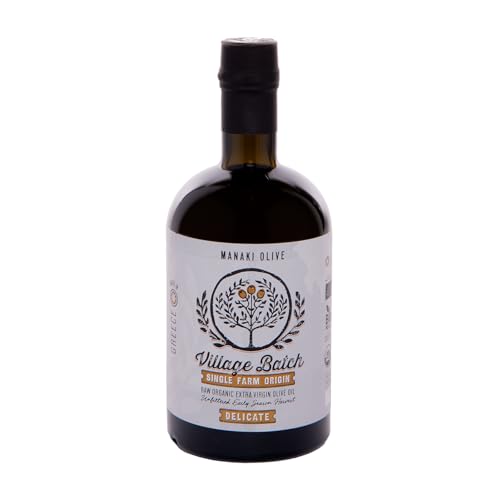
Village Batch Manaki Organic Extra Virgin Olive Oil 16.9oz

Canaan Fair Trade Organic Jenin Extra Virgin Olive Oil, 16.9 FZ

Paesano Organic Extra Virgin Olive Oil, 25 Fl Oz

O-Live & Co. Organic Extra Virgin Olive Oil 1L
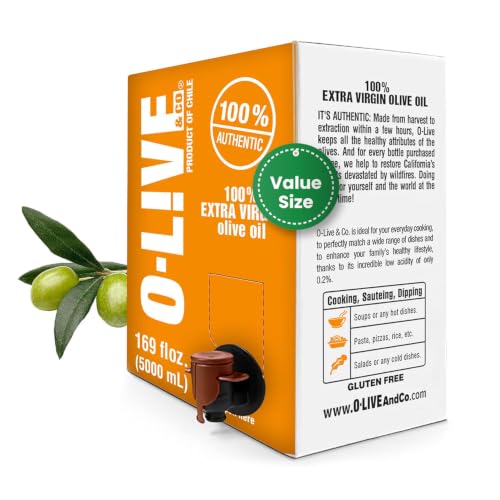
O-Live & Co. 5L Extra Virgin Olive Oil Spouted Box

O-Live & Co. Everyday Extra Virgin Olive Oil 16.9 Fl Oz

Colavita Extra Virgin Olive Oil, 68 Fl Oz

Colavita Mediterranean Extra Virgin Olive Oil 34 Fl Oz
More Details On My Top Picks
This single-origin bottle brings a focused identity to a category often crowded with blends. Village Batch uses Manaki olives from Arcadia, Greece, giving me a clear reason to choose it for dressings, vegetables, and finishing over a more neutral pantry oil. The 16.9-ounce format also feels easy to move from countertop to table.
Compared with the broad Mediterranean blend from Colavita, this selection looks more expressive for a dedicated finishing bottle. Depending on personal preference, unfiltered oil may show suspended material, so settling is part of the ownership experience rather than a fault.
Strengths Worth Knowing
- Single-origin Manaki olives provide a traceable regional identity.
- Early harvest suits cooks seeking a more vivid finishing oil.
- Cold pressing preserves the source olives’ aroma and texture.
- The 16.9-ounce bottle fits everyday salad and vegetable preparation.
Small Caveats
- Unfiltered oil may appear cloudy or contain visible sediment.
- Its full-bodied character may be less neutral for very light sauces.
Key Attributes
Made For
This bottle fits home cooks who enjoy finishing salads and roasted vegetables with a distinctive Greek olive oil.
Another Choice May Suit
Colavita Extra Virgin Olive Oil, 68 Fl Oz suits larger households that prioritize a high-volume pantry format.
Canaan’s most useful distinction here is handling rather than a long list of production claims. The oil is prepared in a dedicated gluten-free, allergy-friendly facility, which matters to households that carefully review pantry sourcing. Its 16.9-fluid-ounce format remains a familiar size for regular use.
That makes this a practical alternative to Village Batch Manaki, where the defining story centers on regional olives and cold-pressing. The available information gives me less detail about flavor, so I would treat Canaan as a sourcing-led choice rather than promise a specific taste profile.
Practical Advantages
- Dedicated gluten-free handling gives ingredient-conscious shoppers a clearer choice.
- Organic extra virgin status fits everyday pantry planning.
- The standard bottle size supports frequent but moderate consumption.
Worth Noting
- The source provides limited origin and sensory detail.
- Separate oil storage still matters after opening.
Built With In Mind
This bottle suits shoppers who prioritize dedicated gluten-free handling in a compact pantry format.
Where A Sibling Pick Shines
Village Batch Manaki Organic Extra Virgin Olive Oil 16.9oz offers clearer single-origin and flavor information for flavor-focused cooks.
A 25-fluid-ounce bottle lands between a small finishing container and a large refill, which is useful for a household that cooks several times each week. Paesano Organic Extra Virgin Olive Oil keeps the shelf format simple, with organic extra virgin status as its clearest documented attribute. For daily pasta, greens, and roasted vegetables, that uncomplicated approach is often enough.
It offers less origin storytelling than Village Batch and less volume than Colavita’s 68-ounce container. In my view, that middle position works for cooks who want organic status without committing to a large pantry box.
Well-Handled Touches
- The 25-ounce size balances table use with regular cooking.
- Organic extra virgin labeling gives shoppers a clear product category.
- The bottle size reduces pressure to finish a large refill quickly.
Points To Note
- The supplied data does not describe origin or processing details.
- Flavor expectations are difficult to narrow from the listed facts.
Quick Facts
The Right Fit
This format fits busy home cooks seeking an organic bottle between standard single-use size and bulk refill.
Reach For A Different Pick When
O-Live & Co. 5L Extra Virgin Olive Oil Spouted Box suits high-volume households that regularly use large quantities.
O-Live & Co. combines organic sourcing, single-origin framing, and a one-liter format in one pantry staple. Cold extraction, better known as pressing the olives without heat, is intended to preserve their aroma and balanced character. That makes the bottle practical for salad dressings, sautéing, and finishing in kitchens that prefer a full liter on hand.
Compared with Canaan Fair Trade Organic Jenin Extra Virgin Olive Oil, this listing offers more sensory context, including a fresh and fruity aroma. The one-liter size is still bulkier than Paesano’s 25-ounce bottle, so storage space deserves consideration.
Bright Spots
- Organic sourcing and a single-origin format narrow the product story.
- Cold pressing supports the stated fresh, fruity aroma.
- One liter reduces refills for frequent home cooks.
- The versatile format works for dressings and warm dishes.
Trade-Offs
- A one-liter bottle needs secure, cool storage.
- Open bottles lose freshness faster in warm kitchens.
Who It Suits Best
This option suits frequent cooks who want a one-liter organic bottle for several daily preparations.
Swap It Out When
Paesano Organic Extra Virgin Olive Oil, 25 Fl Oz suits smaller households wanting a more manageable container.
Regular olive oil use makes the 5-liter spouted box easy to justify. This package gives high-volume households a refill-style option instead of repeatedly replacing several smaller bottles, and the 169-ounce size is designed for regular cooking and occasional salads. For a shared kitchen or restaurant-style home setup, that capacity reduces shelf churn.
The box is less convenient than Village Batch’s 16.9-ounce bottle because pouring and storage demand more space. Single-origin olives and first cold pressing are listed, but the supplied information offers little sensory detail beyond a smooth, balanced expectation.
Where It Delivers
- Five liters suit households using oil several times weekly.
- The spout supports controlled pouring from a refill-style box.
- Single-origin sourcing offers a clearer provenance than an unnamed blend.
- First cold pressing anchors the listed production method.
Details To Watch
- The box requires a cool, dark storage area.
- A large container can lose aroma after extended use or poor storage.
Feature Breakdown
Who Will Love This
This box suits frequent cooks, large households, and shared kitchens that regularly consume bulk quantities.
A Better Fit Elsewhere
Colavita Mediterranean Extra Virgin Olive Oil 34 Fl Oz offers a smaller, blend-based option for cooks without bulk-storage needs.
The 16.9-fluid-ounce size makes this a sensible counter-height bottle for daily cooking. Estate-grown and estate-bottled olives provide a clear production story, while first cold pressing is intended to retain flavor and aroma. I see this as the more conventional all-rounder than the single-origin Village Batch selection.
For sautéing, roasting, and salad dressings, the container offers enough volume without the handling burden of the 5-liter box. Specific tasting notes are limited, so cooks primarily interested in finishing oils may still prefer a more expressive option.
What It Does Well
- Estate-grown and estate-bottled sourcing offers a concise origin story.
- First cold pressing supports the listed quality approach.
- The 16.9-ounce format is practical for frequent countertop use.
- The format supports both cooking and dressing preparations.
- Single-origin production narrows the source of the olives.
Less-Strong Areas
- Detailed flavor notes are not provided.
Technical Highlights
Whose Shelf It Belongs On
This bottle belongs on the shelf of everyday cooks who want one extra virgin olive oil for multiple methods.
Consider Something Else When
Village Batch Manaki Organic Extra Virgin Olive Oil 16.9oz suits cooks seeking documented regional and sensory distinctions.
A 68-ounce bottle is built for households that move through olive oil quickly. Colavita describes an Italian blend with a smooth, balanced profile, making it more approachable for pasta, vegetables, and general cooking than a highly specialized finishing selection. In a busy family kitchen, a large bottle can also reduce the need to keep multiple backups.
The trade-off is handling. Compared with O-Live & Co. Everyday Extra Virgin Olive Oil 16.9 Fl Oz, this container is much larger, so opening and storing it requires more discipline. My practical concern is freshness, since repeated heat or light exposure can shorten the useful life of any open oil.
Useful Highlights
- The 68-ounce size suits regular, high-volume cooking.
- A balanced Italian profile works across familiar dishes.
- First cold pressing provides a defined extraction method.
Practical Considerations
- The large bottle takes more pantry and refrigerator space.
- Flavor becomes less distinct as the bottle remains open.
Best Suited To
This container suits family households that prepare olive-oil-based meals several times each week.
Not Your Match When
Paesano Organic Extra Virgin Olive Oil, 25 Fl Oz suits cooks who want a smaller bottle with less commitment.
Colavita builds this blend from olives grown across six Mediterranean regions, giving it broader sourcing than the single-origin bottles earlier in the list. The full-bodied, velvety profile and almond finish suit cooks seeking something substantial for roasting, sautéing, or baking. A fruit-forward bitterness adds definition, though that may be more assertive than some salad dressings prefer.
The 34-ounce format sits between Paesano’s 25-ounce bottle and the 68-ounce Colavita option. OU kosher status adds another sourcing detail, while the blend offers a useful compromise for households that value variety without maintaining several regional oils.
Key Advantages
- Olives come from six named Mediterranean regions.
- The full-bodied profile suits roasting, baking, and sautéing.
- A one-liter container covers frequent household preparation.
- OU kosher status broadens its kitchen compatibility.
Small Limitations
- The blend lacks the clear regional identity of Village Batch Manaki.
- Its fruit-forward bitterness may not suit delicately flavored dishes.
Feature Snapshot
Made For
This blend suits home cooks who want substantial olive oil for warm dishes and broad Mediterranean sourcing.
Look Elsewhere When
O-Live & Co. Everyday Extra Virgin Olive Oil 16.9 Fl Oz better fits counters needing a smaller, easily managed bottle.
What Matters in a Everyday Olive Oil Bottle
Choose the bottle around the meal
A larger bottle makes sense for households that cook with olive oil daily, while a smaller format works better for occasional finishing. A 25-ounce container may cover a small kitchen better than a 5-liter box, and a one-liter bottle often lands between the two.
Look at origin and processing together
Single-origin oil gives me a clearer sense of where the olives came from, while a blend can offer a broader flavor profile. First cold pressing means the olives are pressed without heat, which is commonly used to retain their aroma and natural character.
Treat storage as part of the purchase
Light, heat, and air gradually diminish olive oil quality. I keep bottles away from the stove, use smaller quantities in the dining room, and refrigerate larger containers once opened. Clean pour spouts also help prevent water or food residue from shortening usable life.
Two Details That Shape the Choice
Common Shopping Slip Ups
A large bottle is not automatically the economical choice for a household with light usage. A single-origin finishing oil may also be unnecessary for cooks using the same bottle for heat. I compare bottle size, intended dishes, and storage space before choosing.
What Separates Premium From Basic
Single origin, early harvest, estate handling, and careful cold extraction can create a more specific product story. Those details matter most for finishing or tasting, while a balanced blend can be more useful for frequent cooking. The right tier is the one that matches the kitchen routine.
Frequently Asked Questions
Is extra virgin olive oil suitable for everyday cooking?
Extra virgin olive oil works for many everyday preparations, including dressings, sautéing, and roasting. The most suitable bottle depends on flavor preference and the intended dish.
Is single-origin olive oil better than a blend?
Single-origin oil provides a clearer regional identity and may deliver a more distinctive flavor. Blends can be more consistent and practical for households using one oil across several cooking methods.
What does first cold pressing mean?
First cold pressing extracts olive oil without applying heat during pressing. The method is intended to preserve more of the olives’ aroma and natural character.
How should olive oil be stored?
Keep the bottle sealed and away from heat, direct light, and humidity. Refrigeration can extend storage life for larger containers, but temperature may cause the oil to become cloudy.
Is a larger olive oil bottle more economical?
A larger bottle can reduce refills for frequent users, but it requires more storage and may not be finished before quality declines. Small households may gain more from a moderate container.
Final Verdict
The strongest fit depends on the kitchen routine, not on a single universal bottle. I favor Village Batch Manaki for distinctive finishing, O-Live & Co. 5L for heavy use, and Colavita Mediterranean for balanced warm-weather cooking. Paesano’s 25-ounce bottle is the most straightforward middle ground. Choose the format that matches how often the oil reaches the table, then store it properly.