

Cooking oils and pantry fats differ sharply in flavor, fat composition, storage needs, and intended use. Someone building a low-carbohydrate morning routine needs more than a general-purpose vegetable oil, while a baker may favor a stable rendered fat and DIY skincare users need to distinguish topical oils from food-grade selections. I compare eight options by source, format, practical handling, and fit so each choice has a clear purpose.
The Shortlist At A Glance

Natural Force Organic MCT Oil 32 oz

Cornhusker Kitchen Berkshire Pork Fat 14 oz
Best Naturals Black Seed Oil 8 oz

MAPL Organic Arandi Oil 6.76 fl oz

Soapeauty Red Palm Oil 64 fl oz

Best Naturals Black Seed Extract 10:1 750 mg
Erbology Organic Chia Seed Oil 3.4 fl oz

Best Naturals Black Seed Oil 16 oz
A Closer Look At Each Pick
For a low-carbohydration routine, concentrated MCT oil offers a more defined purpose than a general cooking oil. Natural Force makes the serving data unusually clear, with C8, C10, and C12 medium-chain triglycerides totaling 14 grams per tablespoon alongside 125 calories, no sugar, and no carbohydrates.
The 32-ounce glass bottle suits a busy kitchen that measures MCT oil into coffee, smoothies, or recipes regularly. Unlike Cornhusker Kitchen’s rendered pork fat, this is a specialized fat rather than an all-purpose cooking staple, so I’d reserve it for routines that specifically call for MCTs.
What Helps Most
- Each tablespoon supplies 14 grams of full-spectrum MCTs.
- Zero sugar and carbohydrate content suits low-carbohydrate habits.
- The 32-ounce format reduces frequent replenishment.
- Glass packaging and a pour spout simplify pantry handling.
Trade Offs
- MCT oil is specialized and costs more per tablespoon than ordinary pantry oil.
- The glass bottle is heavy, and owners commonly need to keep it upright and away from heat.
Core Details
Right Fit For
This bottle fits people following low-carbohydrate eating plans who measure MCT oil into drinks or recipes.
Another Choice May Suit
Erbology Organic Chia Seed Oil 3.4 fl oz is a better fit for people wanting a plant-based omega-3 oil rather than concentrated MCTs.
Rendered pork fat occupies a practical middle ground between liquid cooking oil and solid shortening. Cornhusker Kitchen’s 14-ounce jar is shelf-stable, portionable, and clearly positioned for cooking and baking, making it useful in a pantry that values compact storage.
I’d consider it for pastry, sautéing, or recipes calling explicitly for lard. The available specification confirms the Berkshire pork-fat source and edible status but gives no flavor notes, smoke-point data, or ingredient panel, so cooks sensitive to exact sourcing should check the package before purchasing.
Key Advantages
- The jar format simplifies portioning without a decanting step.
- A 14-ounce size occupies little pantry space.
- Shelf stability suits cooks without refrigeration-oriented oil storage.
Points To Note
- Rendered pork fat is unsuitable for plant-based or pork-free kitchens.
- The source provides no detailed composition or temperature guidance.
- Owners commonly need to keep the jar clean and tightly closed between uses.
Made For
It fits home cooks and bakers who specifically want rendered pork fat in a compact pantry jar.
Consider Something Else When
Natural Force Organic MCT Oil 32 oz is a better fit for low-carbohydration recipes and drinks than for general baking.
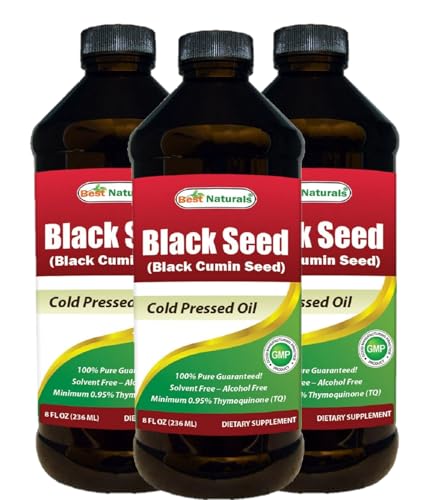
Black seed oil is spoonable, strongly flavored, and better suited to small measured servings than pantry drizzling. This three-pack contains 24 ounces overall, which may reduce the need to reorder during a prolonged routine.
Cold-pressed black seed oil is the processing method stated in the source, while each bottle holds eight ounces and the listed serving is one teaspoon. Compared with Best Naturals’ 16-ounce single bottle, the multi-pack favors households already committed to the ingredient and able to store three sealed containers.
What Works In Its Favor
- Three 8-ounce bottles provide 24 ounces of total storage.
- The liquid format pairs easily with a teaspoon measure.
- Cold processing is clearly identified for shoppers comparing methods.
Minor Gripes
- The concentrated flavor may be unsuitable for people new to black seed.
- Three bottles require more storage space than the 16-ounce option.
- Opening bottles serially helps keep later portions fresh.
Quick Facts
Who It Suits Best
This multipack suits experienced users who prefer teaspoon portions and want a longer pantry reserve.
Look Elsewhere When
Best Naturals Black Seed Extract 10:1 750 mg offers a portable capsule format for people who dislike measuring liquid oils.
Arandi is another name for castor oil, which is thicker and less neutral than many culinary oils. MAPL’s 6.76-ounce bottle is described as cold-pressed, unrefined, food-grade, and edible, giving it a split role between DIY beauty preparations and occasional kitchen use.
Its viscosity works for small skin and hair mixtures where a light carrier oil may run quickly. Compared with Soapeauty’s gallon-sized red palm oil, this bottle is far easier to handle, though shoppers seeking only a cooking oil may find the available format and presentation less direct.
A Favorable Mix
- The 200-milliliter bottle is manageable for small batches.
- Food-grade labeling supports both topical and edible contexts.
- Its thicker texture can suit DIY balms and hair mixtures.
Worth Bearing In Mind
- Castor oil is not a neutral substitute for every salad dressing or cooking recipe.
- The dense formula can be difficult to measure and disperse in small mixtures.
- Clean tools and tight closure help manage frequent handling.
Who Will Love This
It fits DIY skincare formulators who want a small, food-grade castor oil for hair, skin, and mixed preparations.
A Better Fit Elsewhere
Soapeauty Red Palm Oil 64 fl oz serves higher-volume soapmaking and carrier-oil projects more efficiently.
A gallon-sized oil makes sense when a skincare maker prepares enough soap, balm, or body oil to justify bulk storage. Soapeauty describes this red palm oil as pure, extra-virgin, unrefined, cold-pressed, and intended for skin, hair, and DIY skincare.
That positioning matters because the listing is centered in beauty and personal care rather than a refrigerated oil aisle. In my view, 64 ounces is a serious commitment, and the 48-ounce three-bottle format may make more sense for people still determining the correct amount for a formula.
Good Reasons To Consider
- The one-gallon volume supports repeated DIY production.
- An unrefined, cold-pressed format fits craft comparisons.
- A large supply reduces repeated measuring and container changes.
Practical Considerations
- The full gallon requires secure, cool storage.
- Bulk handling raises the chance of spills or contamination.
- No detailed usage directions or complete composition are provided.
Feature Snapshot
Built With In Mind
This volume suits experienced soapmakers and small studios producing repeated batches.
Swap It Out When
MAPL Organic Arandi Oil 6.76 fl oz is the more practical option for compact, trial-sized DIY batches.
This capsule format changes the practical comparison with liquid black seed oils. Best Naturals uses a 10:1 extract made from Nigella sativa seeds and lists 750 milligrams per serving, avoiding the bottle, spoon, and flavor considerations that come with an oil.
For travel or office use, capsules are discreet and portion-controlled, though the 120-count bottle is not especially small. Unlike Best Naturals Black Seed Oil 8 oz, this pick concentrates the seed material in a solid supplement format rather than presenting a spoonable kitchen ingredient.
Useful Touches
- Each serving provides a clearly stated 750 mg amount.
- One bottle holds 120 individually packaged capsules.
- The compact format needs no measuring spoon.
Some Limits To Know
- Capsules cannot replace oils in food or skincare recipes.
- Swallowing the full serving size may be impractical for some routines.
- Moisture and heat can soften capsules, so storage matters.
Right Fit For
This pick suits people seeking a premeasured black seed extract routine without handling liquid oil.
Where A Sibling Pick Shines
Best Naturals Black Seed Oil 16 oz is a better fit for cooks and formulators who need a pourable or spoonable ingredient.
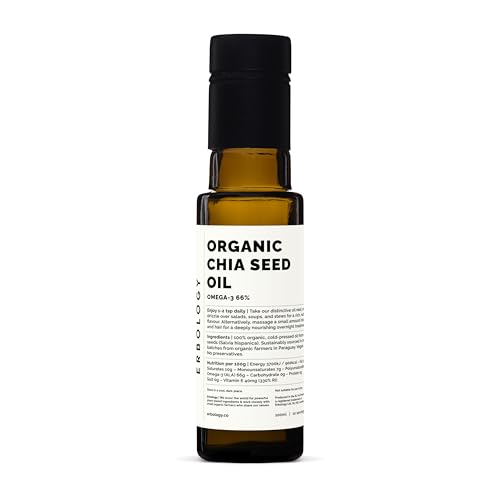
Chia oil brings a distinctly nutty profile and a different nutrient profile from coconut-derived MCTs. Erbology’s 3.4-ounce bottle is cold-pressed and listed as 66 percent omega-3 fatty acids, with vitamin E at 330 percent of the listed reference intake.
The small volume works for regular spoon-based use without committing to a large jug. Larger sizes are listed at 8.5 and 17 fluid ounces, but the 3.4-ounce format seems the most sensible starting point for home cooks, particularly given the oil’s strong flavor profile.
Real-World Strengths
- The omega-3 content is prominently identified.
- Cold processing supports comparison with refined seed oils.
- The compact bottle suits countertop spoon-measured use.
Details To Watch
- The pronounced flavor may not suit recipes expecting a neutral oil.
- The 3.4-ounce bottle may run out faster than larger formats.
- Owners commonly keep the bottle sealed and away from heat.
At A Glance
Best Suited To
This oil fits people wanting a plant-based, omega-3-rich spoonable oil and who enjoy nutty flavor.
Reach For A Different Pick When
Natural Force Organic MCT Oil 32 oz is the better fit for low-carbohydration drinks and a neutral melting profile.
Among the black seed choices, this single 16-ounce bottle offers a middle ground between the three-pack and capsule format. It is made from cold-pressed Nigella sativa and discloses a minimum thymoquinone level of 0.95 percent, a compound for which black seed oil is often compared.
That specification is more useful than a vague purity statement because it gives shoppers a measurable composition marker. Still, the oil’s strong flavor makes it a routine-specific choice, not a neutral substitute for cornhusker Kitchen Berkshire Pork Fat in general cooking.
Positive Points
- The 16-ounce bottle balances capacity and storage.
- A stated thymoquinone minimum supports direct comparison.
- Cold pressing identifies the oil’s production method.
- The liquid format permits measured spoonfuls.
Trade-Offs To Consider
- The intense flavor may deter people new to black seed oil.
- No tablespoon composition is provided in the supplied information.
- Direct light and heat can reduce shelf life in an open bottle.
The Main Details
Whose Shelf It Belongs On
This bottle belongs on the shelf of an established black seed oil user who values a disclosed thymoquinone level.
Another Choice May Suit
Best Naturals Black Seed Oil 8 oz is a better fit for maintaining several sealed bottles for a longer period.
What Matters Before Choosing an Edible Oil
Start with the intended use. A low-carbohydration drink calls for measured MCT oil, while pastry may require rendered pork fat. Chia and black seed oils bring pronounced flavors and should be compared by composition, serving format, and storage needs.
Cold pressing means extracting oil without heat, which matters when shoppers want to preserve the seed-derived material. It does not mean an oil lacks flavor, aroma, or a heating point, so the finished texture still matters. A cold-pressed oil may taste strongly of its source seed.
Composition figures deserve more attention than broad wellness language. The Natural Force bottle lists specific MCT types and grams per tablespoon, while Erbology identifies omega-3 content and the Best Naturals black seed bottle states a thymoquinone minimum. Exact numbers make comparison less subjective.
Container size should match the routine. A gallon benefits high-volume soapmakers but burdens a small kitchen, while eight-ounce bottles are easier to open in sequence. Capsules remove measuring and spills, yet they cannot substitute for a liquid cooking or formulation ingredient.
Buying Traps in the Edible Oil Aisle
Hidden Buying Traps
A listing’s edible status does not mean an oil is ideal for every recipe. Flavor, viscosity, smoke behavior, and dietary restrictions can still rule out a poor match, so shoppers should check the label and intended use before ordering.
Where The Extra Money Goes
Cold pressing, organic sourcing, transparent composition, and specialized packaging can add cost. A premium format earns its place when measured servings, sourcing details, or bulk efficiency matter; a small bottle may be more sensible for experimentation.
Frequently Asked Questions
Are all eight oils intended for cooking?
No. Several are marketed primarily as black seed supplements, topical carrier oils, or concentrated MCTs rather than general-purpose cooking fats.
Which pick is most convenient for measured use?
Natural Force Organic MCT Oil 32 oz provides stated tablespoon quantities, while Best Naturals Black Seed Extract 10:1 750 mg removes spoon measuring entirely.
Which option suits a high-volume DIY skincare maker?
Soapeauty Red Palm Oil 64 fl oz offers the largest stated volume and fits repeated soap, balm, or body-oil production.
Are the three black seed products interchangeable?
No. The choices include a three-bottle liquid pack, a concentrated capsule extract, and a 16-ounce liquid bottle with a disclosed thymoquinone minimum.
Which oils suit plant-based routines?
Natural Force Organic MCT Oil 32 oz and Erbology Organic Chia Seed Oil 3.4 fl oz fit plant-based preferences, while Cornhusker Kitchen is a rendered animal fat.
Final Verdict
The right edible oil depends less on a universal label and more on the kitchen task, fat profile, flavor tolerance, and storage space. I favor Natural Force for measured low-carbohydration routines, Cornhusker Kitchen for lard-centered cooking, and Erbology for spoonable plant-based chia oil. Each pick earns its place by solving a distinct need.