

Healthy pasta can still taste like dinner, not a compromise. I’ve selected options for plant-based meals, egg-based routines, low-carb eating, high-fiber preferences, and pantry staples built for busy weeknights. The key differences come down to protein source, texture, shape, carbohydrate content, and how each pasta behaves with familiar sauces.

The Picks In Brief
Barilla Protein+ Farfalle Plant-Based Pasta 14.5 Ounce

Barilla Penne Pasta Non-GMO, 16oz. (8PK)
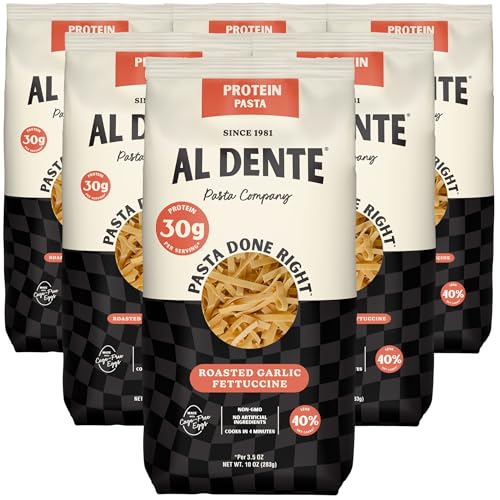
Al Dente Protein Garlic Fettuccine

Brami Italian Protein Radiatori Pasta
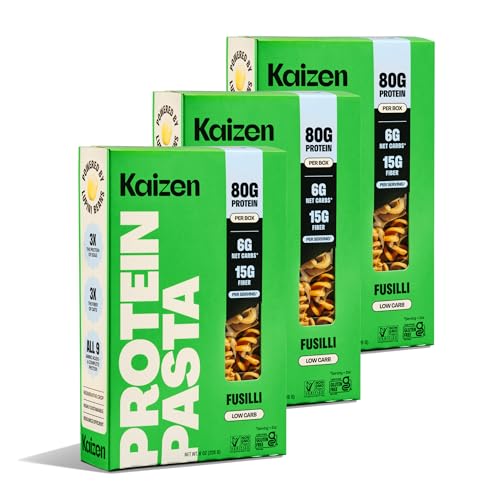
Kaizen Low Carb Fusilli Pasta 3-Pack
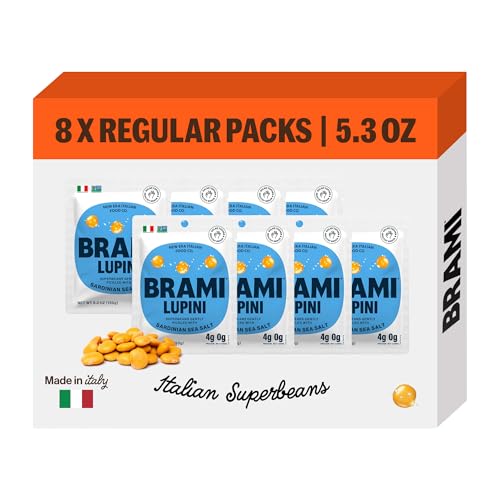
BRAMI Lupini Bean Snacks 7g Protein, 0g Net Carbs 8-Pack

BRAMI Lupini Bean Snack Variety 7g Protein 8-Pack
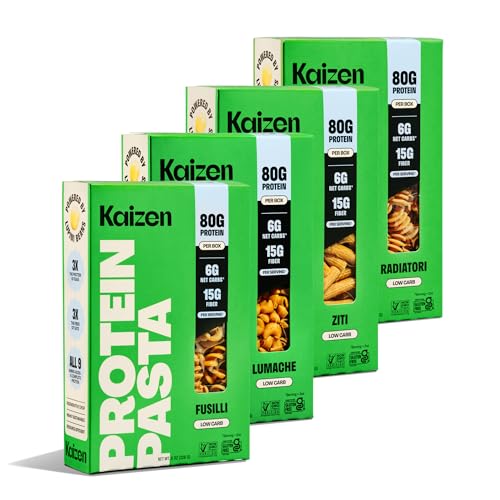
Kaizen Low Carb Pasta 4-Pack
What Each Pick Brings To The Table
Farfalle gives this plant-based pasta plenty of surface area for chunky sauces, pesto, or a simple tomato dressing. The lentil, chickpea, and pea blend adds protein without removing the familiar bow-tie format, which makes it useful for weeknight meals that need more substance than ordinary dried pasta.
Compared with Brami Italian Protein Radiatori Pasta, this option uses a broader legume blend and offers a single 14.5-ounce box alongside multipack options. Texture can vary somewhat after reheating, so I’d expect the best results from dishes using plenty of moisture.
Where It Helps
- Provides 17 grams of plant protein per 3.5-ounce serving.
- The farfalle shape catches sauces, greens, and diced vegetables.
- One box supplies about seven 2-ounce servings for portion control.
- Single-box and three-box formats suit different storage needs.
Small Caveats
- Plant-based pasta can become dry faster in the refrigerator, so tightly sealed storage matters.
- The legume blend may taste more distinctive than standard wheat pasta to someone starting with pasta for the first time.
Feature Snapshot
Made For
Plant-based cooks and busy households wanting protein, familiar pasta shapes, and uncomplicated pantry storage.
A Better Fit Elsewhere
Kaizen Low Carb Pasta 4-Pack suits gluten-free cooks who want several shapes and a lower-carbohydrate profile.
Barilla Penne keeps the category grounded in a durable, familiar pantry staple. Made with durum wheat, the ridged tubes hold chunky meat, vegetable, dairy, tomato, and spicy sauces, making eight boxes a practical fit for households cooking several meals throughout the week.
The trade-off is clear: this isn’t a high-protein alternative like Barilla Protein+ Farfalle Plant-Based Pasta 14.5 Ounce. Its strength is the conventional format and the stated 11- to 12-minute cooking window, although home stovetops and serving sizes can still affect results.
What Makes Sense
- Ridges improve contact with textured sauces.
- Eight boxes reduce repeated pantry runs.
- The tube shape works for baked dishes and salads.
- Durum wheat provides a familiar base for classic recipes.
Practical Considerations
- Eight boxes require ample cabinet space, a consideration for compact kitchens.
- Unlike the legume-based options, penne does not add the protein supplied by the higher-protein choices.
Who It Suits Best
Large households and busy cooks who prioritize familiar texture, sauce coverage, and pantry efficiency over specialized nutrition goals.
Another Choice May Suit
Al Dente Protein Garlic Fettuccine serves cooks who want egg-based protein and a flat pasta suited to creamy or roasted garlic sauces.
Wide fettuccine noodles give this option a different role from Barilla Penne Pasta Non-GMO, 16oz. (8PK). Egg-based fettuccine brings protein to a format naturally suited to creamy sauces, spinach, roasted garlic, and other toppings that benefit from a broad noodle surface.
The stated nutrition profile includes 30 grams of protein, 14 grams of fiber, and 40% fewer net carbohydrates than standard wheat pasta. I’d treat those figures as the defining comparison point for high-protein meal planning, while allowing room for personal tolerance and recipe differences.
Strong Points
- Supplies 30 grams of protein per listed serving.
- Uses an egg-based formula rather than beans or legumes.
- Fettuccine provides substantial coverage for sauces and toppings.
- The six-pack format supports recurring use.
Where It May Fall Short
- Egg-based pasta does not suit plant-only routines.
- A wide noodle can dry out if it sits before sauce is added, so prompt tossing helps.
- Six individual packs need more cabinet and counter space than one larger box.
Key Specs
The Right Fit
Egg-eating cooks prioritizing high protein, lower net carbohydrates, and broad noodles for sauces and meal planning.
Look Elsewhere When
Brami Italian Protein Radiatori Pasta is a stronger fit for plant-based cooks who prefer wheat and lupini bean flour.
Radiatori’s ridged, hollow shape gives this Brami pasta a useful place between smooth tubes and flat noodles. The durum wheat semolina and lupini bean flour combination provides a traditional al dente starting point, while adding a substantial protein and fiber component.
That blend is more notable than the broad legume mix in Barilla Protein+ Farfalle Plant-Based Pasta 14.5 Ounce. Radiatori benefits from chunky sauces and vegetable preparations, although I’d expect a more pronounced bean note in dishes with only light seasoning.
What Works In Its Favor
- Delivers 21 grams of protein and 9 grams of fiber per serving.
- The radiatori shape holds sauces in its center and across its ridges.
- Durum wheat semolina supports an al dente texture.
- Lupini bean flour adds a plant-based protein source.
Honest Caveats
- Because wheat is included, this option does not suit gluten-free households.
- Lupini beans can leave a more pronounced flavor than conventional wheat pasta, especially in lightly seasoned dishes.
Built With In Mind
Plant-based cooks who want radiatori texture, wheat, and a focused protein-and-fiber profile in one pantry pasta.
Where A Sibling Pick Shines
Kaizen Low Carb Fusilli Pasta 3-Pack is the better fit for cooks who need a gluten-free, lower-carbohydrate option rather than a wheat-based blend.
Kaizen’s lupin bean formula is built for cooks who need pasta without a grain-based base. The stated 20 grams of protein and 6 grams of net carbohydrates per serving make it a focused option for low-carb routines, while the three-pack format keeps several boxes available for repeat meals.
Fusilli’s twisted channels make this a sensible base for chunky sauces, but the flavor may be less neutral than durum wheat pasta. I’d expect that difference to matter most in a plain butter or olive oil dish.
Bright Spots
- Supplies 20 grams of protein and 6 grams of net carbohydrates per serving.
- Uses a plant-based, gluten-free formula.
- Lupin bean flour supports a traditional pasta format.
- Three 8-ounce boxes simplify recurring meal preparation.
Possible Compromises
- The plant-based formula may have a different flavor and texture from wheat pasta.
- Fusilli works best with sauces that can fill and cling to its spiral grooves.
- Storage demands may be higher with several separate boxes in a compact pantry.
Technical Highlights
Who Will Love This
Gluten-free, plant-based cooks who value a lower-carbohydrate profile and familiar spiral pasta for sauces.
Swap It Out When
Barilla Protein+ Farfalle Plant-Based Pasta 14.5 Ounce may work better for cooks seeking a wider legume blend and a sauce-catching shape.
Sea salt and vinegar give these lupini beans the sharp profile that works well as a ready-to-eat snack or salad topping. They are not pasta, so they belong in a healthy pantry list as a protein-forward accompaniment rather than a replacement for noodles.
The ready-to-eat format is convenient for commutes or a quick bowl, while the stated 7 grams of plant protein and 0 grams of net carbohydrates per serving make the label easy to compare with other snack choices. The beans may need a rinse after handling, so keeping that expectation in mind avoids an unpleasant surprise.
Notable Gains
- Ready-to-eat format suits snacks, salads, bowls, and stir-fries.
- Sea salt and vinegar create a bright savory flavor.
- Provides 7 grams of plant protein and 0 grams of net carbohydrates per serving.
- The eight-pack supports portable meal planning.
Details To Watch
- Lupini beans are beans, so people sensitive to legumes may prefer another snack.
- The flavor is more distinctive than plain chips or crackers.
- Rinsing or draining may be useful before adding them to a bowl or salad.
Feature Card
Right Fit For
Plant-based snackers and low-carb cooks who want a portable, savory ingredient for salads, bowls, or pantry meals.
Consider Something Else When
Barilla Penne Pasta Non-GMO, 16oz. (8PK) is the more useful alternative for a traditional pasta meal rather than a snack or bowl ingredient.
This variety pack answers a common pantry problem: finding several savory flavors without opening a different product for every snack. Garlic and herb, Mediterranean Medley, and Sardinian Sea Salt give the lupini beans enough variation for desk drawers, lunch bags, or quick salad additions.
Compared with BRAMI Lupini Bean Snacks 7g Protein, 0g Net Carbs 8-Pack, the variety format is less focused on one flavor profile. In exchange for that flexibility, the pantry may become less tidy, and I’d reserve open packages from traveling in a resealable container.
Noteworthy Benefits
- Three listed flavor profiles make snacks less repetitive.
- The beans are ready to eat and can top salads, bowls, or stir-fries.
- Each flavor gives the pantry a plant-based protein source.
- Five-point-three-ounce packs are easy to portion for lunches.
Points To Note
- Lupini beans remain legumes, so legume-sensitive eaters should consider that ingredient carefully.
- Individual flavor preferences may leave some bags unused.
- Transferring a few beans into a container improves portability and keeps the original bag clean.
Built For
Snackers who value plant protein, several savory flavors, and a shelf-stable food that needs little preparation.
Another Choice May Suit
Kaizen Low Carb Pasta 4-Pack is a better fit for cooks seeking a low-carbohydrate meal format with multiple pasta shapes.
Four shapes make this Kaizen pack more versatile than a single-box purchase, especially for households that rotate between light sauces, baked dishes, and salads. The set includes fusilli, lumache, ziti, and radiatori, all built around the brand’s plant-based, gluten-free approach.
The stated nutrition highlights are 20 grams of protein and 6 grams of net carbohydrates per serving, which makes the pack useful for consistent low-carb meal planning. Compared with Kaizen Low Carb Fusilli Pasta 3-Pack, the tradeoff is slightly less depth per individual format but more shape variety.
Well-Handled Touches
- Four pasta shapes bring more variety to weekly cooking.
- The plant-based formula suits vegetarian and vegan routines.
- Provides 20 grams of protein and 6 grams of net carbohydrates per serving.
- Shapes support different sauce textures and meal formats.
Trade Offs To Consider
- Four boxes require more pantry space than a smaller multipack.
- Plant-based pasta can have a different bite and flavor from durum wheat.
- The variety may be unnecessary for cooks who consistently prepare one pasta shape.
Feature Facts
Who Should Grab It
Plant-based, gluten-free cooks who want four low-carbohydrate shapes for sauces, salads, and meal-prep rotation.
Not Your Match When
Barilla Protein+ Farfalle Plant-Based Pasta 14.5 Ounce may be simpler for cooks who prefer one 14.5-ounce box and a single pasta shape.
Choosing The Right Base For Your Meals
Start With The Protein Source
The protein source changes the flavor, texture, and recipe fit. Lentil, chickpea, and pea flour creates a broad plant-based profile, while lupin bean flour offers a more concentrated alternative. Egg-based fettuccine gives cooks a different texture and a familiar noodle structure, and durum wheat remains the most conventional choice.
Compare Shape With Sauce
Penne ridges, radiatori cavities, fusilli grooves, and broad fettuccine all handle sauces differently. A tube shape works with chunky sauces, a flat noodle benefits from creamy dressings, and a spiral benefits from thicker sauces. I’d choose the shape based on the meal, not on appearance alone.
Treat Lower Carbs As A Meal Choice
Lower-carbohydrate pasta does not automatically suit every eating routine, but it gives some cooks a useful alternative to conventional wheat pasta. A nutrition label comparison is more reliable than assuming that a familiar color or shape means the same nutritional profile.
Account For Storage And Format
Multipacks can be useful for households that cook daily, but storage space matters. I’d keep individual boxes sealed after opening and move smaller portions into airtight containers for commuting. A single box offers simpler storage, while a variety pack reduces the need to keep several shapes on hand.
Small Decisions That Matter
Mistakes Worth Dodging
I’d compare protein, fiber, carbohydrates, and serving sizes before choosing a pasta. A larger box may look convenient, but individual serving weight changes how the meal fits; likewise, a “protein” label alone does not tell me whether the pasta is plant-based, egg-based, or wheat-based.
What The Higher Tier Buys
Specialty pasta may cost more because it uses concentrated plant proteins, fiber, or alternative flour blends. That cost can be worthwhile for a specific dietary pattern or texture preference, but a familiar wheat option may be more rational for families that simply want dependable penne and straightforward storage.
Frequently Asked Questions
Which healthy pasta is best for plant-based meals?
Barilla Protein+ Farfalle Plant-Based Pasta 14.5 Ounce and Brami Italian Protein Radiatori Pasta both use plant-based ingredients. The Barilla option uses lentil, chickpea, and pea components, while Brami uses durum wheat and lupini bean flour.
Which option has the most protein?
Al Dente Protein Garlic Fettuccine lists 30 grams of protein per serving, compared with 20 grams for the Kaizen options and 17 grams for Barilla Protein+ Farfalle. Protein totals still depend on the serving size and the rest of the meal.
Are lupini bean snacks a substitute for pasta?
No. BRAMI Lupini Bean Snacks 7g Protein, 0g Net Carbs 8-Pack is a ready-to-eat snack or meal ingredient rather than noodles. It can add texture and plant protein to salads, bowls, or stir-fries.
What pasta works best with chunky sauce?
Penne and radiatori offer ridges, tubes, and cavities that can hold textured sauces. Kaizen’s fusilli also works well with thicker dressings, while broad fettuccine pairs naturally with sauces that coat a wide noodle surface.
How do I store opened pasta boxes?
I’d transfer the remaining pasta to a clean, airtight container and keep it in a cool, dry pantry. Proper sealing helps limit moisture exposure and protects the noodles during storage.
Final Verdict
I’d choose Barilla Protein+ Farfalle for a balanced plant-based introduction, Al Dente Protein Garlic Fettuccine for egg-based high-protein meals, and Kaizen Low Carb Pasta for gluten-free variety. Durum wheat penne remains the simplest familiar pantry backup, while BRAMI lupini snacks serve a different role as portable, plant-protein additions.