Protein-forward snack choices can be tricky because many options borrow heavily from sugar, saturated fat, or oversized serving labels. I use these eight products for different needs, ranging from drinkable nutrition to cereal clusters, powdered peanut butter, and compact brownie bites. The ready-to-drink shakes work best for convenience, the cereals suit people wanting a filling snack, and PBfit offers the most versatile pantry format. Flavor, portion size, fat content, and storage deserve equal attention before anything reaches my snack rotation.
A Snapshot Of The Selections
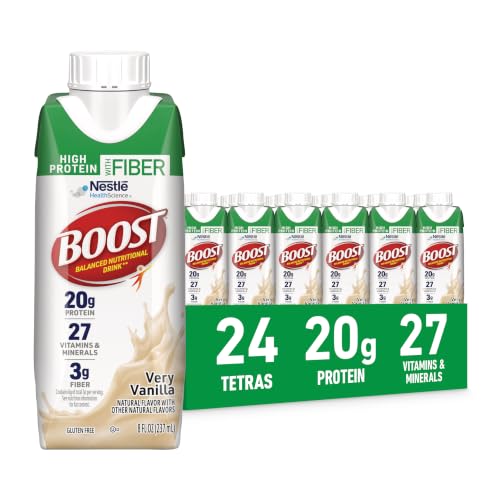
BOOST High Protein Fiber Very Vanilla 24 Pack

BOOST High Protein Fiber Chocolate 24 Pack

BOOST High Protein Fiber Caramel 24 Pack

Nature Valley Oats and Honey Protein Granola 17 oz

Frosted Mini-Wheats Original Cereal 12 Count

KIND Healthy Grains Peanut Butter Granola 10g Protein

PBfit Classic Peanut Butter Powder Pack of 2

Prime Bites High Protein Brownie Pumpkin Spice 12 Count
More On The Choices That Made The List
Very Vanilla suits people who want protein, fiber, and broad nutritional coverage without measuring powder. Each 8-ounce bottle supplies 20 grams of protein, 3 grams of fiber, 27 vitamins and minerals, and 240 calories, making it more substantial than a typical beverage snack.
The 24-bottle format is especially sensible for a desk drawer, gym bag, or commute. I see it as the most straightforward choice among the BOOST options, though drink texture and sweetness preferences can determine whether vanilla feels satisfying.
The Upside
- Ready-to-drink format removes preparation and cleanup.
- Twenty grams of protein gives the snack more staying power than a conventional drink.
- Three grams of fiber adds value beyond protein alone.
- The 24-bottle pack suits regular rotation or travel.
Small Caveats
- At 240 calories per bottle, this is a filling drink rather than a light beverage.
- Bottles require storage space and are less portion-adjustable than powdered protein.
Feature Snapshot
Made For
This bottle fits busy commuters, office workers, and people who prefer a grab-and-drink protein snack.
Another Choice May Suit
BOOST High Protein Fiber Chocolate 24 Pack may suit people who prefer a darker, cocoa-forward drink profile.
Chocolate gives the BOOST shake lineup a more familiar flavor for people accustomed to dairy-style drinks. The core nutrition matches the vanilla option: 20 grams of protein, 3 grams of fiber, 27 vitamins and minerals, and 240 calories in each serving.
That combination works well for a long afternoon gap between meals or a workout-day snack. Compared with BOOST High Protein Fiber Very Vanilla 24 Pack, the main difference is flavor, so texture preferences may matter as much as the identical nutrition profile.
Where It Excels
- Milk-chocolate flavor makes the drink approachable.
- Individual servings simplify portion control and carrying.
- Fiber and protein create a more complete snack foundation.
- The multipack reduces repeated grocery runs.
Worth Noting
- The full bottle may feel too large for a light snack.
- Flavor texture varies by palate, so the chocolate note may not satisfy everyone.
- Storage requires room for two dozen individual containers.
Who It Suits Best
This shake fits chocolate-flavor fans who want a complete drink without mixing or portioning powder.
Consider Something Else When
PBfit Classic Peanut Butter Powder Pack of 2 offers more control over serving size and recipe flexibility.
Caramel offers a sweeter profile than the vanilla and chocolate entries, which may appeal to dessert-oriented snackers. It preserves the same 20-gram protein and 3-gram fiber amounts, plus 27 vitamins and minerals and 240 calories per serving.
For me, the important distinction is routine rather than nutrition. The 24 bottles can fill a desk or car supply, although anyone sensitive to a sweet flavor may find caramel less neutral than the other BOOST selections.
What Helps Most
- Twenty grams of protein supports a filling snack routine.
- No mixing or measuring reduces morning preparation.
- Caramel gives the lineup a distinct dessert-like option.
- The sealed bottle travels neatly in a work bag.
Practical Considerations
- The sweet flavor may not appeal to people who prefer neutral drinks.
- Single-serve bottles create more packaging than a reusable shaker.
- Finished bottles generally need refrigeration after opening.
The Numbers That Matter
The Right Fit
Caramel fits people who prefer sweet, drinkable snacks and want the nutrition profile supplied in a sealed bottle.
A Better Fit Elsewhere
Nature Valley Oats and Honey Protein Granola 17 oz provides a crunchy texture for people who dislike drinking meals.
Moving from liquid snacks to oats and honey changes the experience entirely. These clusters deliver crunch, sweetness, and a more conventional granola texture, while each 2/3-cup serving contributes 13 grams of protein and 33 grams of whole grain.
The family-size container works well for breakfast toppings, desk drawers, or after-school snacks, depending on portion discipline. Compared with the BOOST drinks, the 7 grams of total fat per serving make this a closer fit for people specifically limiting fat, though the label deserves careful attention.
What Pays Off
- Clusters add texture to yogurt, milk, or fruit.
- Thirteen grams of protein make the serving more filling than ordinary granola.
- Honey gives it a familiar, lightly sweet flavor.
- The resealable 17-ounce container suits regular breakfast use.
Honest Caveats
- Crunchy clusters can soften after being exposed to moisture.
- The honey flavor and 7 grams of fat may not suit strict low-fat routines.
- Portioning directly from the container can be inconsistent.
Whose Shelf It Belongs On
This granola fits families and commuters who want a crunchy, protein-containing breakfast or snack.
Look Elsewhere When
Frosted Mini-Wheats Original Cereal 12 Count offers lower fat for people who prefer a lighter breakfast cereal.
Frosted Mini-Wheats checks the low-fat requirement more directly than many granola choices. The bite-sized biscuits are made from whole wheat, lightly frosted, and packaged in 12 individual 2.5-ounce cups, which is convenient for commuting, school, or portion-controlled snacking.
Each cereal serving supplies 7 grams of protein, 57 grams of whole grain, and fiber, but the exact fiber amount is not provided. I would combine it with fruit and milk for a more balanced snack, since cereal alone is less protein-dense than PBfit or Prime Bites.
Good Reasons To Consider
- Low fat supports a more restrictive daily limit.
- Individual cups make portions predictable.
- Ten-layer biscuits provide a substantial crunch.
- Seven grams of protein complement fruit and dairy.
- Ready-to-eat cups suit school and office routines.
Details To Watch
- Serving with milk changes the full fat content.
- Individual cups create more packaging than bulk cereal.
- The frosted coating may be too sweet for some tastes.
Essential Details
Best Suited To
This cereal fits families and commuters seeking a low-fat, individually portioned breakfast snack.
Swap It Out When
Prime Bites High Protein Brownie Pumpkin Spice 12 Count provides more protein in a compact, sweet package.
KIND turns granola into a portable cluster with a gluten-free format and 10 grams of protein. Peanut butter clusters bring a familiar flavor, while the three-count pack makes separate bags easy to place in a desk, gym bag, or lunch tote.
The source confirms protein and gluten-free status, but not the full fat or calorie profile. That makes this a sensible cluster option rather than an automatic choice for strict low-fat routines.
Advantages To Know
- Individual bags support easy storage.
- Ten grams of protein gives the clusters more snack value.
- Gluten-free status suits an established gluten-free routine.
Factors To Consider
- Peanut butter makes the option unsuitable for people with peanut allergies.
- Exact fat and calorie figures are not supplied.
- Clusters can crumble inside a bag during transport.
Who Will Love This
This granola fits gluten-free snack routines that value clusters, peanut butter flavor, and moderate protein.
Reach For A Different Pick When
Frosted Mini-Wheats Original Cereal 12 Count offers a documented low-fat profile and individual portion cups.
PBfit removes most of the oil normally associated with peanut butter, creating a powder that blends into smoothies, oatmeal, or recipes. Each serving provides 8 grams of protein, 60 calories, and 87% less fat than the product’s traditional peanut butter comparison.
The powder format is more adjustable than BOOST High Protein Fiber Very Vanilla 24 Pack and less brittle than granola clusters. I find it especially useful for people who want peanut butter flavor without committing to a jar, though rehydration and clumping can affect convenience.
Points In Its Favor
- Eight grams of protein supports smoothies and breakfast additions.
- The powder adjusts easily to different serving levels.
- Low oil content suits fat-conscious routines.
- Two containers provide separate pantry locations.
Possible Compromises
- Powder can clump after moisture reaches it.
- Mixing time is longer than opening a bottled shake.
- Peanuts create a clear allergy limitation.
Quick Facts
Built With In Mind
PBfit fits active adults and fat-conscious snack routines that need a flexible peanut butter powder.
A Better Fit Elsewhere
BOOST High Protein Fiber Chocolate 24 Pack suits people who want protein without any mixing or cleanup.
Prime Bites brings the highest stated protein amount in this group, with 19 grams per brownie plus 5 grams of collagen. The pumpkin spice glaze offers a seasonal profile, and the low-carb, low-sugar description gives it a niche appeal beyond ordinary dessert bars.
Unlike Frosted Mini-Wheats Original Cereal 12 Count, these bites are designed around whey protein rather than whole-grain cereal. The catch is that the provided data does not identify total fat, so strict low-fat shoppers need to check the current label before committing.
Positive Points
- Nineteen grams of protein exceeds the other listed items.
- Individual brownies make portions easy to carry.
- Pumpkin spice adds a distinct seasonal flavor.
- Whey protein provides a different texture foundation.
Trade Offs
- Total fat is not stated in the supplied information.
- Collagen adds protein types beyond whey, which may not suit every preference.
- Pumpkin spice is too seasonal for some snack drawers.
Feature Breakdown
The Right Fit
These brownies fit active adults who prioritize protein, compact portions, and a sweet seasonal flavor.
Another Choice May Suit
PBfit Classic Peanut Butter Powder Pack of 2 better serves people who want to control serving size and ingredients.
Matching The Snack To The Routine
Protein and fat need to be evaluated together rather than treated as separate checkbox items. I start with the format: liquid, crunchy, chewy, or powder determines whether a snack will actually fit a commute, office, kitchen, or gym bag. That practical decision matters more than a small difference in advertised protein.
Set A Useful Protein Benchmark
Per-serving protein provides a useful comparison, although total satisfaction depends on fiber, texture, and portion size. The BOOST shakes each supply 20 grams, while Prime Bites provides 19 grams per brownie. Cereals land at a moderate 7 to 13 grams per serving, depending on the serving size shown.
Check The Full Fat Context
Low fat requires more than a front-of-pack phrase. Frosted Mini-Wheats is explicitly described as low fat, while PBfit provides a substantial fat comparison. Granola, brownie bites, and nutritional drinks need a closer label review because the supplied information does not establish their total fat figures.
Treat Serving Size As Part Of The Decision
A 2/3-cup granola serving and a ready-to-drink bottle create very different amounts of food. I prefer individually packaged options for desk drawers, while powdered PBfit offers the most control. Cookie-cutter case sizes also create storage considerations, especially in small apartments.
Flavor Matters For Consistency
Chocolate, caramel, vanilla, pumpkin spice, peanut butter, and honey all influence repeat use. I would choose the flavor most likely to become routine rather than the most novel option, since a nutritious snack only helps when it fits personal preferences.
Practical Details That Change The Decision
Mistakes Worth Dodging
A large protein number cannot reveal total fat, fiber, sugar, or serving size by itself. I avoid choosing a snack from the front of the package alone and compare the complete serving description. Another common mistake is selecting a drinkable product for an evening snack, then being surprised by its full 8-ounce volume.
What Separates Premium From Basic
A more specialized item may add fiber, collagen, larger protein amounts, or a ready-made flavor format. The premium option becomes worthwhile only when those extras solve a real routine problem. For plain breakfast eating, Frosted Mini-Wheats remains a simpler low-fat choice; for compact protein density, Prime Bites earns its specialty position.
Frequently Asked Questions
Are High Protein Low Fat Snacks Good for Weight Management?
Protein and low-fat profiles can help create satisfying portions, but total calories and daily habits still matter. Meal planning matters more than treating one snack as a solution.
Are Protein Drinks Better Than Protein Bars?
Protein drinks require less chewing and offer a complete serving, while bars are easier to carry and often more filling. BOOST fits beverage routines; Prime Bites fits compact brownie preferences.
What Serving Size Should I Use?
I use the package serving as the comparison baseline, then adjust according to the nutrition target. Powders offer more control, while sealed bottles and brownie portions are already fixed.
Which Options Are Highest in Fiber?
The BOOST High Protein Fiber shakes list 3 grams per serving, while Frosted Mini-Wheats is identified as an excellent fiber source. Exact quantities can differ, so the current label remains important.
Are These Options Gluten-Free?
Frosted Mini-Wheats uses whole wheat and is not gluten-free. KIND is explicitly labeled gluten-free, while the remaining items need separate label verification.
Final Verdict
The strongest all-around choice is BOOST High Protein Fiber Very Vanilla 24 Pack for its sealed convenience, while PBfit offers the most flexible format. Frosted Mini-Wheats fits low-fat breakfast routines, and Prime Bites serves people who want maximum protein in a compact brownie. I would choose based on format, flavor, and the current nutrition label rather than protein alone.