

Hiking Energy Bars vary more than their packaging suggests. A hiker may need a dense protein option for a long day, a compact gel for quick energy, or a mixed pack that accommodates different tastes and appetite levels. I compare the practical differences here, including ingredients, portion size, portability, and the situations where each option makes more sense on the trail.
A Quick View Of The Lineup

NuGo Dark Pretzel & Mint Vegan Protein Bar, 24 Count
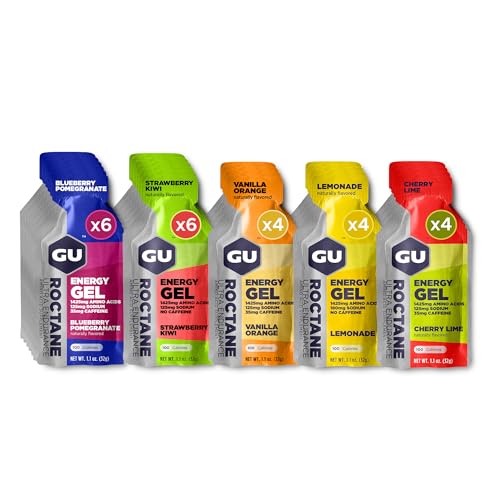
GU Roctane Ultra Endurance Energy Gel, 24 Count

GU Roctane Ultra Endurance Energy Gel Strawberry Kiwi, 24 Packets

CLIF BAR Crunchy Peanut Butter Full Size and Mini, 20 Count

LUNA Bar LemonZest Gluten-Free Snack Bar, 6 Pack
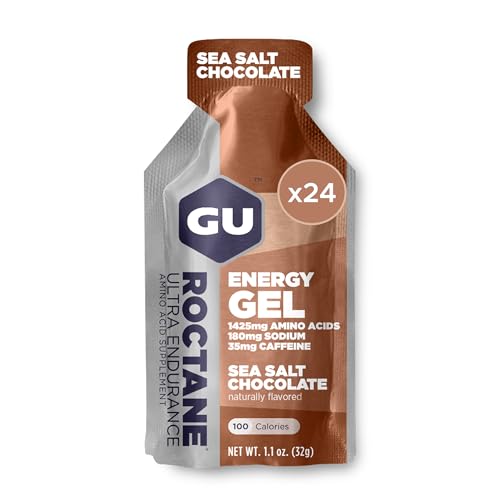
GU Roctane Ultra Endurance Energy Gel Sea Salt Chocolate, 24 Count

ALOHA Organic Plant Based Protein Bar Variety, 12 Count
The Picks, Examined More Closely
The chocolate coating changes this from an ordinary protein bar into something that feels more like a small reward between steep climbs. Pretzel and mint add a savory, lightly salty note, which may appeal more to someone who finds conventional snack bars too sweet.
For an all-day hike, the 12-to-13-gram protein range makes this more sustaining than a basic carbohydrate bar. In my view, the 24-count case is particularly useful for a busy week, although a chocolate-covered bar can be messy in a narrow pack pocket.
A Favorable Mix
- Dark chocolate coating gives a richer snack experience
- Each bar provides 12 to 13 grams of plant protein
- Vegan and gluten-free construction suits restricted diets
- The 24-count format supports regular rotation
Minor Gripes
- The coating may not handle warm weather or rough handling as neatly as an uncoated bar
- Protein alone does not replace normal meals or quick trail carbohydrates
Key Specs
Built With In Mind
This option suits hikers and active commuters who prefer a chocolate-forward, protein-rich snack with enough substance to hold interest between meals.
A Better Fit Elsewhere
GU Roctane Ultra Endurance Energy Gel Assorted Flavors is a better fit for long-distance hikers who prioritize compact, fast-absorbing carbohydrates over a full-sized bar.
Where a full-size bar requires chewing, this gel supplies carbohydrates in a compact form that fits naturally into a vest or map pocket. Dual-source carbohydrates combine maltodextrin and fructose, two carbohydrate sources handled differently by digestion, while elevated sodium supports the salty-sweat demands of prolonged activity.
The assorted case gives me more flexibility than a single-flavor pack, especially on repeated training days. People sensitive to strong sweetness may find the texture less appealing, so trial use during a shorter outing is sensible before committing to a full-distance hike.
Key Advantages
- Compact packets take little room in a daypack
- Dual-source carbohydrates provide 19 to 21 grams per serving
- High sodium is useful during prolonged, sweaty activity
- Vegan, gluten-free, and dairy-free construction broadens dietary fit
- Several flavors help prevent taste fatigue
Practical Considerations
- Gels provide focused carbohydrate energy rather than the fullness of a bar
- The sweet, smooth texture may not appeal to palates that prefer oats or chocolate-coated snacks
- Several packets add up quickly across a long day
Who It Suits Best
Long-distance hikers, runners, and cyclists benefit most from the small packets, fluid texture, and carbohydrate-focused design during sustained activity.
Consider Something Else When
NuGo Dark Pretzel & Mint Vegan Protein Bar is the better choice for someone who wants something chewable and protein-focused rather than a quick gel.
Strawberry and kiwi give this Roctane version a fruit-forward alternative to the darker flavors in the range. That distinction matters on a hot route, where a lighter flavor may feel easier to revisit than chocolate or coffee.
Like the assorted GU Roctane Energy Gel, it is designed around rapid carbohydrate delivery during running, cycling, skiing, and long hikes. I would still pair it with ordinary food and fluids, since a gel handles a specific need rather than replacing an entire trail meal.
A Few Highlights
- Fruit flavor offers variety in an endurance-focused range
- Individual packets distribute easily across pockets
- Each serving supplies 19 to 21 grams of dual-source carbohydrates
- The 24-packet case works well for repeated training and hiking days
Points To Note
- The gel texture may feel overly soft for someone accustomed to a firm, oat-based bar
- Limited flavor predictability can be an issue on days when a particular flavor is unappealing
Made For
Fast hikers and endurance athletes who want fruit-flavored carbohydrates in a packet that can be carried without preserving space for a full meal.
Another Choice May Suit
GU Roctane Ultra Endurance Energy Gel Sea Salt Chocolate fits a different palate better for hikers who prefer a rich, cocoa-forward flavor.
This mixed-size case solves a practical packing problem: ten full bars fit normal meal breaks, while ten minis handle short rests or pockets with limited room. Organic rolled oats, peanut butter, plant-based ingredients, and a blend of protein, fat, and carbohydrates make it a familiar lunchbox option rather than a highly technical fuel.
Crunchy peanut butter appeals to hikers who want a substantial, savory bite, though shared packs can be inconvenient for anyone with a peanut restriction. The regular bars may also feel too large during a quick pause, which is precisely why the minis matter.
Everyday Perks
- Ten regular bars accommodate longer snack breaks
- Ten minis make compact packing easier
- Organic rolled oats provide a familiar, hearty base
- Plant-based construction works for many everyday diets
- The savory flavor offers an alternative to sweet gels
Room For Improvement
- The peanut butter profile is unsuitable for people avoiding peanuts
- Regular bars can occupy more pack space than a small gel
- Oat-based crumbs may need careful packing in a wet pack
The Right Fit
Families and day hikers gain useful flexibility from a case containing both full-size snacks and minis for shorter outings.
Swap It Out When
LUNA Bar LemonZest Gluten-Free Snack Bar is a more suitable alternative for a pack that favors a smaller oat-based snack without peanut ingredients.
LemonZest brings a bright, lightly tangy note to an oat-based bar that may be easier to eat between trail stops than a strongly chocolate-covered option. Plant protein and a low-glycemic profile give it more substance than a simple fruit snack, while the 1.69-ounce format keeps portions moderate.
For a light hike, I find this more useful as a between-meal snack than as the only fuel during a long climb. The six-count pack is small, so frequent hikers may prefer a larger case or carry another quick carbohydrate source.
A Strong Showing
- Each bar provides 7 to 9 grams of plant protein
- Low-glycemic positioning suits steady snack planning
- Gluten-free and non-GMO ingredients support restricted diets
- Organic rolled oats create a more filling texture than a typical gel
- The lemon flavor offers a lighter alternative to chocolate
Small Caveats
- The six-count pack may run low during repeated trail days
- Moderate protein may be insufficient for someone seeking a protein-heavy snack
Who Should Grab It
This bar suits hikers who want a moderate, oat-based snack with a bright flavor and do not need gel-level carbohydrate delivery during long climbs.
Look Elsewhere When
GU Roctane Ultra Endurance Energy Gel Assorted Flavors is a better fit for long-distance hikers who need compact, rapidly available energy.
Sea Salt Chocolate gives the focused carbohydrate format a familiar dessert profile without requiring a full-size candy bar. The salt and cocoa pairing may be especially reassuring during long training blocks, where a fruit flavor starts to feel repetitive for some people.
The underlying formula follows the same endurance-oriented approach as the other Roctane choices, with 19 to 21 grams of mixed carbohydrates and added sodium. The honest read is that flavor preference matters here, since a preferred taste can make a gel easier to use consistently.
Useful Highlights
- Chocolate flavor makes quick energy feel more indulgent
- Dual-source carbohydrates support varied digestion needs
- High sodium suits long, warm-weather activity
- Packets are easy to carry and use without unwrapping a full bar
- Vegan, gluten-free, and dairy-free formulas widen dietary fit
Trade-Offs To Consider
- Chocolate flavor may not suit people avoiding cocoa
- Gels offer little chewing and less perceived fullness than bars
- Multiple packets are often needed across a full day
Best Suited To
Chocolate-loving hikers benefit from a compact gel that fits a map pocket and supplies focused carbohydrates during a sustained route.
Reach For A Different Pick When
GU Roctane Ultra Endurance Energy Gel Strawberry Kiwi is the better option for a hiker who prefers a lighter fruit flavor.
Six flavors make this variety pack useful for anyone who dislikes committing to one sweet or savory profile. Organic brown rice protein and pumpkin-based ingredients create a plant-forward bar, while the absence of stevia and sugar alcohol sweeteners may appeal to people who avoid those particular ingredients.
Each bar supplies 14 grams of plant protein, which makes this a more substantial option than a fruit snack or plain carbohydrate gel. I would still consider adding quick carbohydrates for demanding terrain, and the plant-based formula may not provide the same protein profile as a dairy or egg-based bar for every hiker.
Practical Pluses
- Six flavors make repeated packing less monotonous
- Each bar provides 14 grams of organic plant protein
- Low sugar and low carbohydrate claims suit ingredient-focused snack planning
- Vegan, gluten-free, soy-free, and dairy-free choices support several diets
- No stevia or sugar alcohol sweeteners reduces one common source of preference conflict
Possible Compromises
- Plant protein may not suit hikers seeking a different protein source
- The larger bar uses more pack space than a gel or CLIF BAR Mini
- Flavor variety can complicate portion tracking for someone focused on a single familiar bar
Whose Shelf It Belongs On
This variety pack suits active vegetarians and hikers who value plant protein, multiple flavors, and simple packable portions.
Where A Sibling Pick Shines
CLIF BAR Crunchy Peanut Butter Full Size and Mini gives day hikers a more flexible size range for changing snack breaks.
Choosing The Right Hiking Energy Bar
Match The Bar To The Route
A full day above the tree line calls for more than a snack that disappears quickly. I look for carbohydrates for quick energy, plus protein or fat when hunger may become a problem, while keeping a real meal plan in place. Full-size bars suit seated breaks; minis and gels suit short rests and limited pack space.
Pay Attention To Diet Needs
Gluten-free, vegan, dairy-free, and low-sugar descriptions only matter within the context of my actual trail diet. Peanut ingredients rule out CLIF BAR Crunchy Peanut Butter for anyone avoiding peanuts, while plant-based formulas may not meet a hiker’s preferred protein source. I also check individual ingredients rather than relying only on a front-of-package label.
Consider Storage And Eating Comfort
Heat can soften chocolate coatings and make some bars less pleasant to handle, so I keep them away from direct sun inside a pack. Oats can leave crumbs, while gels can leak if a packet is crushed. Carrying a small resealable bag protects the rest of a daypack and keeps crumbs from spreading through the rest of the kit.
Think About Variety And Repetition
A single flavor may be easier to track, but repeated eating can become tiring over a long route. The GU Roctane pack offers several flavor options, while ALOHA uses six varieties and CLIF BAR combines full-size bars with minis. I favor a small rotation that covers both quick energy and something more filling, especially during repeated hikes.
Hiking Energy Bar Mistakes To Avoid
Mistakes Worth Dodging
A protein-rich bar is not automatically a complete endurance snack, since it may contain less carbohydrate than a long climb needs. I avoid choosing by protein number alone and make sure the pack includes a fast carbohydrate source. I also avoid packing every item in one fragile flavor, because taste fatigue matters more on a long day than a favorite flavor does at home.
When Paying More Pays Off
Higher-priced trail snacks may offer more protein, distinctive ingredients, or useful variety, but those extras are not automatically necessary. A premium bar earns its place when it solves a dietary need or stays pleasant through repeated use; a simpler option is often enough for a short hike.
Frequently Asked Questions
Are Hiking Energy Bars Better Than Gels?
It depends on the length of the hike and the hiker’s appetite. A bar offers more chewing and may feel more filling, while a gel is compact and supplies focused carbohydrates quickly.
How Many Energy Bars Should I Pack?
I plan around the route length, meal breaks, and expected appetite rather than a fixed number. Long routes commonly need quick carbohydrates alongside bars, plus water and ordinary meals.
Are Plant-Based Energy Bars Suitable for Hiking?
Plant-based bars can work well for many hikers, especially those avoiding dairy or gelatin. Protein sources and carbohydrate levels still vary, so I compare labels rather than assuming every plant-based bar performs the same way.
Do Energy Bars Need To Be Refrigerated?
I keep bars in a cool, shaded place and avoid leaving them in direct heat. Chocolate coatings and sticky fillings can soften in warm pack conditions, while storage in a sealed bag helps reduce moisture and crumbs.
Which Type Is Easiest To Carry?
Gel packets are usually the smallest and lightest option. Minis offer more portion control than full-size bars, while a single-serving bar can be easier to track during a casual day hike.
The Takeaway
I’d choose NuGo Dark Pretzel & Mint for a satisfying, protein-focused snack, or CLIF BAR Crunchy Peanut Butter for the useful mix of full-size bars and minis. Long-distance hikers can use GU Roctane gels for quick carbohydrate delivery, while ALOHA and LUNA Bar provide plant-based alternatives with more substantial portions. The best match comes down to route duration, dietary needs, and how much chew or lightness feels good after a few trail miles.