

Balsamic vinegar can be useful without becoming a specialty grocery expense. I focus on flavor, acidity, ingredients, container size, and compatibility with everyday meals, so home cooks can find a practical bottle for salads, vegetables, pasta, grilled foods, and quick sauces.
The list includes traditional and white wine styles alongside sweet glazes made for finishing dishes. My best overall choice is Colavita Balsamic Vinegar of Modena for its reported acidity, mature flavor, and sensible 17-ounce size.
The Lineup, Simplified

Colavita White Balsamic Vinegar 17-Ounce Glass Bottle

Colavita Prosecco White Wine Vinegar, 16.9 oz

La Secchia Three Stars Balsamic 250 ml

Colavita Balsamic Vinegar of Modena 17-Ounce Bottle
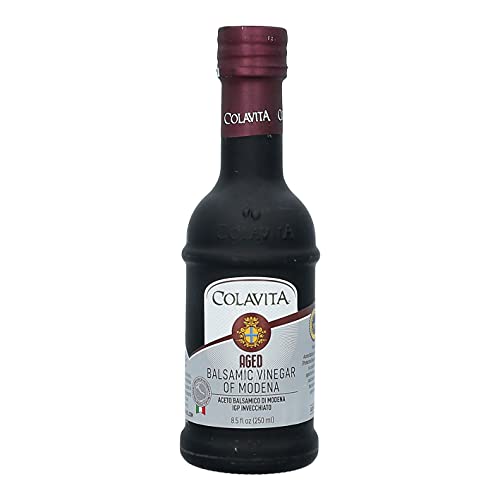
COLAVITA Aged Balsamic Vinegar, 8.5 oz

Colavita Balsamic Glaze 8.5-Ounce Plastic Bottle
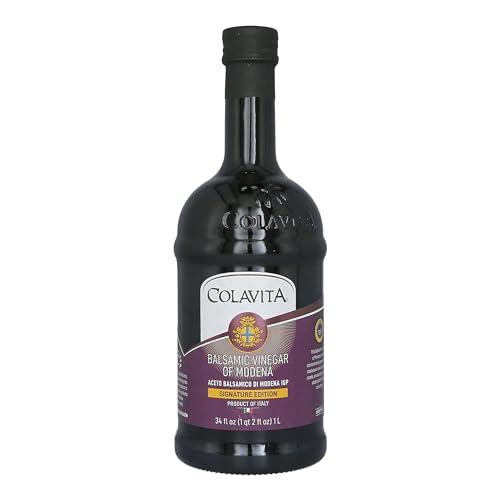
Colavita Balsamic Vinegar IGP 33.8 oz
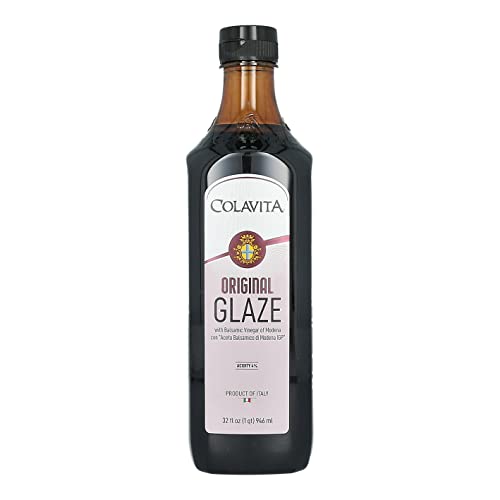
Colavita Balsamic Glaze 32 Fl Oz
A Breakdown Of The Leading Choices
White balsamic is the quieter choice beside the darker vinegars elsewhere in this list. Colavita’s 17-ounce glass bottle suits salad dressings, fish, rice, vegetables, and pale sauces, particularly for cooks who dislike the strong color of traditional balsamic.
The pairing profile makes more sense for mild dishes than for aggressively caramelized recipes. In a busy kitchen, that makes the bottle easy to reach for without turning every plate into a heavily sweetened or deeply colored preparation.
Standout Benefits
- The 17-ounce glass bottle offers a practical pantry size for frequent but moderate use.
- White color works well with fish, salads, rice, vegetables, and light sauces.
- The product is identified as Italian and suitable for cooking and baking.
- Wine-derived vinegar adds acidity without the visual weight of dark balsamic.
Things To Consider
- It may be less familiar than traditional dark balsamic, so recipes and serving portions may need adjustment.
- The glass container requires careful handling and upright storage.
Key Specs
Made For Light Food Pairings
This is a sensible fit for cooks preparing fish, rice, vegetables, salads, and pale sauces who prefer a less visually intense vinegar.
Another Choice May Suit
La Secchia Three Stars Balsamic 250 ml is a better fit for someone seeking a more deliberate aged profile and a cork-pourer format.
Wine-based character gives this Colavita a different role from the sweeter Colavita White Balsamic Vinegar. Its 16.9-ounce format fits a home kitchen that wants a bright ingredient for vinaigrettes, seafood, and light vegetable preparations.
The Prosecco connection is useful context, though it doesn’t guarantee sweetness. For me, the deciding factor is flexibility: this is a bottle to reach for when a dressing needs acidity and a lighter visual profile.
What Earns Its Place
- White wine vinegar provides a useful alternative to dark balsamic in dressings and seafood dishes.
- The 16.9-ounce size is convenient for a home pantry.
- Prosecco-based sourcing gives the product a clear stylistic identity.
- Standard packaging is easy to store on a shelf or in a refrigerator.
Small Caveats
- It lacks the sweetness that some cooks expect from balsamic-style condiments.
- It may be less useful for slow-cooked dishes that need a thicker, darker finish.
Who It Suits Best
It fits home cooks making vinaigrettes, seafood, roasted vegetables, and other recipes that benefit from acidity without deep color.
A Better Fit Elsewhere
Colavita Balsamic Vinegar of Modena 17-Ounce Bottle suits cooks who need six-percent acidity for beans, soups, and deglazing.
La Secchia takes a more specialized route than the general-purpose Colavita bottles. Its 250 ml format, medium-density labeling, and aging in cherry and mulberry barrels make it appealing for home cooks building composed salads, risottos, omelets, or seafood dishes.
Barrel aging is a controlled exposure to wood and oxygen, and that process can add complexity over time. The cork pourer is also a thoughtful serving detail, although a 250 ml bottle is likely to disappear more slowly than the larger options here.
What Makes Sense
- Aging across cherry and mulberry barrels gives the product a distinctive production story.
- The cork pourer supports measured finishing over salads and plated dishes.
- The 250 ml size is practical for cooks who use balsamic sparingly.
- The suggested pairings include fish, seafood, frittatas, omelets, risottos, and salads.
Points To Note
- The smaller volume may run out quickly in a household that dresses vegetables daily.
- Cork storage requires upright handling to help protect the closure and pouring end.
At A Glance
Right Fit For Delicate Plates
This suits cooks who enjoy composed salads, risottos, omelets, fish, and seafood and prefer a measured, aged finish.
Consider Something Else
Colavita Balsamic Vinegar IGP 33.8 oz is a more practical alternative for frequent cooking and a shared household pantry.
For a bottle that can move from soup to pan sauce, this Colavita Modena is the most versatile selection in the lineup. The stated 6% acidity, which refers to the vinegar’s acid level, gives it a clear cooking role beyond a sweet salad drizzle.
Wood-cask aging is the other important detail. It supports a more layered flavor profile, while the 17-ounce size keeps the bottle manageable for a household that wants neither a tiny specialty bottle nor a large jug.
Strengths Worth Knowing
- The 6% acidity is specified for cooking applications such as beans, soups, and meat sauces.
- Wood-cask aging is reported to produce a balance of sweetness and acidity.
- The 17-ounce bottle fits everyday pantry routines without occupying a large amount of space.
- It can work as a deglazing liquid or finishing drizzle.
Practical Considerations
- A 6% acidity level may be more assertive than a casual finishing drizzle for some salads.
- The glass container needs upright storage and careful handling.
Technical Sheet
Built With In Mind
It is a strong fit for home cooks preparing beans, soups, pan sauces, and meat-based dishes that benefit from real acidity.
Where A Sibling Pick Shines
COLAVITA Aged Balsamic Vinegar 8.5 oz is a better fit for people with very limited pantry space who mainly want a finishing splash.
The 8.5-ounce format is the most compact traditional balsamic in this group. That size makes sense for a small apartment kitchen, a weekend cooking habit, or anyone who wants aged flavor without committing to a large bottle.
Compared with the 17-ounce Colavita Modena, the trade-off is quantity rather than format. The source identifies it as aged balsamic but does not specify the same acidity level or barrel details, so I’d treat it as a finishing vinegar rather than the first choice for a deglazing recipe.
The Good Stuff
- The small size reduces pantry clutter and keeps the vinegar accessible.
- Aged balsamic is suited to salads, vegetables, cheese, and plated dishes.
- It works as a finishing ingredient where a small amount can control the flavor.
Where It May Fall Short
- The smaller bottle may be inconvenient for daily cooking or frequent family meals.
- It lacks a specified acidity figure in the supplied information, making it less precise for sauce planning.
Best Suited To
It fits apartment cooks and occasional users who want an aged balsamic for finishing small portions.
Look Elsewhere When
Colavita Balsamic Glaze 32 Fl Oz is a better fit for households that regularly finish pasta, pizza, and grilled foods.
This is a glaze, not a standard drinking vinegar. Its thicker texture and sweet-tangy profile are intended for drizzling over salads, grilled meats, vegetables, cheeses, and desserts, which makes it a useful finishing bottle for quick meals.
The 8.5-ounce plastic container is a practical contrast to the glass bottles in the lineup. I see less risk from small knocks in a busy kitchen, though the plastic may be less appealing for display or long-term cellar-style storage.
Everyday Wins
- The thick texture can add visible contrast to vegetables, meats, cheeses, and desserts.
- The sweet and tangy profile works as a finishing drizzle rather than a cooking acid.
- The 8.5-ounce format is easy to measure and store for a small kitchen.
- Plastic construction is practical for a frequently handled pantry bottle.
Things To Weigh
- A plastic container may be less suitable for a countertop display.
- Its concentrated sweetness may overpower a light salad or delicate fish dish.
Feature Snapshot
Made For Busy Kitchens
It suits weeknight cooks who want a quick drizzle for vegetables, grilled meats, cheese, or desserts.
Reach For A Different Pick When
Colavita Balsamic Vinegar of Modena 17-Ounce Bottle is a better fit for soups, beans, and pan sauces requiring acidity.
The 33.8-ounce format is built for households that use balsamic regularly. I see it as a pantry staple for salad dressings, marinades, hot vegetables, and finishing plates, where a larger bottle reduces the chance of running out between meals.
The supplied data identifies IGP certification for Modena-style balsamic, wooden-cask aging, and a higher proportion of cooked grape must. Cooked grape must is the concentrated grape material that contributes body to the vinegar, so this should feel more substantial than a basic dressing bottle.
Notable Upsides
- The 33.8-ounce size suits frequent use and shared household kitchens.
- Wooden-cask aging is reported to develop a more complex flavor profile.
- Higher cooked-grape-must content supports a smoother, more velvety texture.
- It can serve in dressings, marinades, and hot-food finishes.
Small Limitations
- The large volume may be excessive for occasional use.
- Its richer character may be too pronounced for dishes that need a light vinegar accent.
Whose Shelf It Belongs On
It belongs in a shared kitchen that uses balsamic for salads, marinades, vegetables, and hot dishes several times a week.
Another Choice May Suit
COLAVITA Aged Balsamic Vinegar 8.5 oz is a better fit for a single cook working with limited pantry space.
The 32-ounce Colavita glaze is the practical finishing option for a household that cooks pasta, pizza, grilled meats, poultry, fish, or vegetables often. Its sweet-tangy direction and smooth application make it more of a topping than a cooking vinegar.
Unlike the small 8.5-ounce glaze, this bottle is sized for regular use and a broader range of recipes. The source also identifies no trans fats or starches, which may matter to cooks comparing ingredient lists, although I would still check the label as formulations can change.
Notable Gains
- The 32-ounce size supports frequent use across pasta, pizza, cheese, and grilled foods.
- Sweet and tangy flavor works as a visible finishing drizzle.
- The smooth texture is suited to brushing or drizzling rather than mixing into a vinaigrette.
- The bottle offers a larger format for shared kitchens.
Details To Watch
- The concentrated sweetness can dominate delicate salads or mild seafood.
- A large bottle needs consistent use to avoid a long open-storage period.
Feature Card
Built With In Mind
It fits busy home cooks who regularly finish pasta, pizza, cheese, grilled meats, poultry, or fish.
A Better Fit Elsewhere
Colavita Prosecco White Wine Vinegar 16.9 oz suits cooks seeking a lighter, acidity-led dressing ingredient instead of a sweet glaze.
What To Look For In A Practical Balsamic Vinegar
Start with the dish. Traditional balsamic and aged-style vinegar suit dressings, vegetables, cheese, and slow-cooked dishes, while white wine vinegar brings a lighter, sharper profile. A glaze is thicker and sweeter, so I usually save it for a finishing drizzle rather than a vinaigrette.
Acidity matters more for cooking than for plating. A labeled 6% acidity level gives me a useful reference for soups, beans, deglazing, and pan sauces. Dense or syrupy glaze is a different category, and its flavor can become heavy in a large pour.
Aging information helps explain a richer profile. Barrel aging can add complexity, while a larger bottle may be more practical for frequent use. Small formats save space, but they require a cork pourer or careful storage when the bottle is nearly empty.
I also consider how the bottle will be handled. Glass looks traditional and protects the contents from handling concerns, while plastic can be easier to manage in a busy kitchen. The closure matters too, since a pourer is more useful for salads and plated dishes than for sauces that need speed.
Key Differences Between Vinegar Styles
Where Shoppers Go Wrong
Choosing by color alone can lead to a mismatch. Dark balsamic, white wine vinegar, and glaze serve different purposes, so I look at flavor, acidity, and thickness before selecting a bottle.
The Case For Spending More
Higher-priced bottles may offer more barrel detail, a larger format, or a more specialized serving setup. The upgrade is worthwhile for frequent cooks, while a smaller bottle is enough for occasional finishing.