

Japanese rice shopping gets confusing once sack sizes, rice varieties, and fermentation starters enter the picture. A 10-pound bag makes more sense for frequent bento making, while a 100-gram pouch suits a small household or travel packing. I also considered dedicated fermentation equipment, since precise temperature control matters for koji, amazake, yogurt, and other cultured foods.
A Japanese-style kitchen depends on more than grain variety. Large households need pantry-friendly bags, sushi-focused cooks require a dependable short-grain texture, and fermentation projects call for controlled warmth and suitable rice cultures. I compared package size, grain type, origin, ingredient information, and equipment functions to separate everyday cooking staples from specialist fermentation ingredients.
A Side-By-Side Look

TANICA YOGURTiA Fermented Food Machine
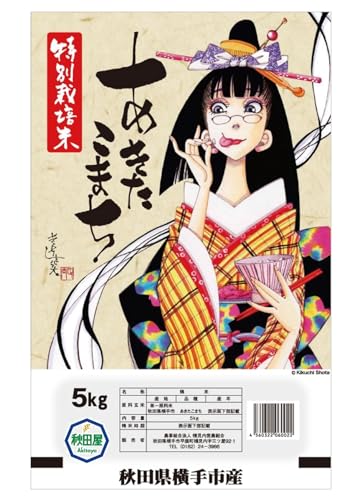
Akitaya AKITAKOMACHI Premium Short Grain Rice 5kg

TANICA Rice Koji Japanese Fermentation Rice, 1.1 lb

Tsuyahime Short Grain White Rice, Yamagata 11 lb

Mannan Hikari 1.5kg

Alpha Rice White Rice 100g

Short Grain HINOHIKARI Rice from Kumamoto, 4.4 lbs

TANICA Amazake Starter, 10 Packets, Made in Japan
Inside Each Recommended Option
Temperature control is the practical centerpiece of this machine. It adjusts from 77°F to 158°F in one-degree increments, which allows a cook to hold a specific culture temperature rather than relying on a warm kitchen corner.
For a busy fermentation setup, two glass pots provide useful capacity for parallel batches or separate stages. This is equipment rather than table rice, but the TANICA system creates a controlled base for the Rice Koji and Amazake Starter later in this roundup.
What Works In Its Favor
- Fine temperature adjustments support repeatable culture conditions.
- Two glass containers accommodate separate or sequential batches.
- The 100-240V range reduces the need for a separate voltage converter.
- Its timer supports planned incubation periods.
Practical Considerations
- Glass pots are vulnerable to impact damage during storage or transit.
- It serves a specialist purpose and adds little value to a basic rice-only kitchen.
Quick Facts
Built With In Mind
Serious home fermenters benefit most from the precise, sustained temperature control.
Where Another Pick Shines
Mannan Hikari is a better fit for households seeking packaged rice rather than a fermentation appliance.
AKITAKOMACHI comes from Akita Prefecture in northern Japan, where cool growing conditions and abundant water support rice cultivation. The 5-kilogram bag is substantial, making it most practical for households serving rice several times each week.
Its short-grain character suits everyday bowls, onigiri, and packed lunches, where a cohesive texture matters after cooling. Compared with the 100-gram Alpha Rice package, this sack reduces packaging waste and frequent pantry restocking, though the trade-off is tighter storage.
Positive Points
- The 11-pound weight supports regular family meal preparation.
- Short-grain white rice works across bowls, bento boxes, and rice balls.
- The listed texture remains balanced after the rice cools.
- Akita origin gives the bag a clearly defined regional identity.
Worth Noting
- A full-size bag needs a cool, dry pantry and secure container.
- Smaller households may not finish 5 kilograms before moisture affects quality.
Feature Snapshot
Who It Suits Best
Frequent bento makers and families cooking Japanese rice several times weekly gain the most from this package.
A Better Fit Elsewhere
Alpha Rice offers a lighter package for occasional cooks and travel.
Koji is rice carrying an active mold culture, so this ingredient serves as a fermentation base rather than ordinary dining rice. It can support projects such as amazake, shio koji, miso, and soy sauce koji, giving experienced cooks several routes from one pantry ingredient.
The source describes a 500-gram bag made entirely from Japanese white rice and Aspergillus oryzae culture. Its listed 30-60°C fermentation range pairs naturally with the YOGURTiA machine, although temperature discipline and sanitation remain central to successful batches.
Reasons It Performs
- One culture supports several distinct Japanese fermentation projects.
- The rice base provides a direct foundation for amazake and shio koji.
- Controlled incubation is specified between 86°F and 140°F.
- A 1.1-pound package offers enough material for multiple kitchen attempts.
Possible Drawbacks
- It is not a ready-to-eat rice and cannot substitute directly for table rice.
- Fermenting cultures require careful handling, storage, and sanitation.
- Working temperatures vary by recipe rather than one universal setting.
Key Product Details
Made For
Home fermenters preparing koji-based seasoning or cultured rice drinks benefit most.
Another Choice May Suit
TANICA Amazake Starter is simpler for cooks committed to making one finished drink.
Tsuyahime is framed around Yamagata-grown, milled white rice in an 11-pound package. That combination makes it a practical pantry staple for households already equipped with a Japanese rice cooker and accustomed to buying rice by the sack.
Short-grain rice generally benefits from careful rinsing, accurate water measurement, and resting after cooking. The listing supplies less texture detail than the AKITAKOMACHI description, so the deciding factor for many cooks will be package size, regional sourcing, and routine availability rather than a stated flavor profile.
The Practical Payoff
- The 11-pound package reduces restocking for frequent rice cooks.
- Yamagata is identified as the growing region.
- Milled white rice suits standard Japanese rice-cooker preparation.
Points To Note
- Limited texture information makes it harder to compare directly with AKITAKOMACHI.
- The bulk package requires airtight dry storage between uses.
- A small household may carry excess rice for several months.
Right Fit For
Frequent households seeking a large Yamagata short-grain bag for everyday meals are the strongest match.
Consider Something Else
Alpha Rice is more manageable for occasional cooking and compact pantry spaces.
Mannan Hikari is more specialized than the conventional Yamagata bag, and the ingredient list explains why. Starch, polydextrose, and konjac indicate a rice-based product formulated for texture rather than a straightforward bag of milled white grains.
That composition may suit cooks preparing a particular blended rice dish, though the sparse listing asks for more recipe context than I would like. At 1.5 kilograms, the package is smaller than an 11-pound rice sack but remains substantial, so understanding its intended use matters before it takes pantry space.
The Good Stuff
- The 1.5-kilogram format sits between travel packs and large sacks.
- Its starch-and-konjac composition suits specialized textured-rice preparations.
Some Limits To Know
- The ingredients differ from ordinary short-grain white rice.
- No grain variety, cultivation region, or texture description is provided.
- Polydextrose may not suit people avoiding sugar alcohols.
- Cooks need specific recipe guidance to use it properly.
Core Details
Best Suited To
Experienced cooks seeking a textured rice product for a specific dish benefit most.
Swap It Out When
AKITAKOMACHI suits cooks preparing conventional short-grain bowls and bento rice.
A 100-gram pouch answers a different pantry problem from the 5- and 11-kilogram sacks. The listing describes the amount as roughly five meals, making Alpha Rice practical for a single cook, a travel bag, or temporary accommodation with limited storage.
The grain is identified as domestic non-glutinous rice. That term describes rice that does not naturally cling through high amylopectin starch, which can produce a more separate grain; it does not indicate the absence of gluten contamination. The pouch dimensions may also make portion control easier than handling a full sack.
What Stands Out
- The compact pouch suits travel and temporary kitchens.
- A listed five-meal portion reduces leftover rice concerns.
- Non-glutinous grain can create a more separated cooked texture.
Factors To Consider
- Individual pouches can create recurring packaging waste.
- The domestic origin is not tied to a named Japanese region.
- Limited variety and texture details restrict direct comparison.
Made For
Solo cooks, travelers, and small households benefit from the measured 100-gram format.
A Better Fit Elsewhere
AKITAKOMACHI offers a more specific regional identity and larger stock for daily meals.
HINOHIKARI from Kumamoto gives this list another short-grain option with an explicit sushi orientation. The 4.4-pound package sits between Alpha Rice’s travel pouch and the much larger Yamagata and Akita sacks, which may suit regular home sushi preparation without a full pantry of rice.
The listing connects cultivation in central Kyushu with water from the Kikuchi Valley and describes a clean, naturally sweet profile. In a real sushi kitchen, the grain still depends on rinsing, hydration, and cooking control; those variables will shape the final texture more than the regional story alone.
A Strong Showing
- Short-grain HINOHIKARI targets sushi and other Japanese preparations.
- Kumamoto gives the rice a clearly stated regional origin.
- The four-pound package balances capacity and pantry size.
- The listing highlights Kikuchi Valley subsoil water.
Small Caveats
- Sushi texture depends heavily on measured water and timing.
- Variants appear in several package sizes, so the label deserves a close look.
Important Details
Who Will Love This
Dedicated home sushi cooks benefit from the HINOHIKARI variety and manageable bag size.
Where A Sibling Pick Shines
AKITAKOMACHI is the stronger bento and rice-ball option for households eating rice daily.
Amazake is a cultured rice drink, and this packet format narrows the process to one specific project. Ten individually packed 2-gram portions are easier to store and measure than a bulk koji bag, which matters in a small kitchen where unused culture would quickly become awkward.
The starter removes much of the sourcing complexity, though it does not remove temperature control or recipe technique. Compared with TANICA Rice Koji, this option is less versatile but more approachable for a cook who simply wants sweet, non-alcoholic amazake.
Bright Spots
- Ten packets support multiple small batches or occasional use.
- Individual packets simplify measuring and storage.
- The format focuses on one accessible fermented rice drink.
- The product is identified as made in Japan.
Honest Caveats
- Successful batches still depend on correct incubation conditions.
- Opened packets may have limited shelf life and need airtight storage.
- This starter offers less scope than a 500-gram rice koji package.
Perfect Match For
Beginner-friendly cooks wanting repeatable single-purpose amazake batches benefit from these packets.
Look Elsewhere When
TANICA Rice Koji is better for miso, shio koji, and several other fermentation projects.
Choosing Rice and Fermentation Ingredients Wisely
Start with how the rice will be served. A large 11-pound sack reduces restocking for frequent bowls and rice dishes, while a 4.4-pound bag may be more realistic for dedicated sushi preparation or a medium-sized kitchen.
Match the Grain to the Dish
Short-grain rice has a plainer profile than many longer-grain varieties and is commonly used for bento boxes, onigiri, and sushi. Exact texture still depends on hydration, rinse technique, rice-cooker capacity, and resting time, so variety name is only the starting point.
Account for Storage and Consumption
A 100-gram pouch travels more easily, but recurring packages may create extra packaging waste. Confirm that a large sack fits an airtight pantry and can be consumed within a sensible period after opening.
Check Fermentation Requirements
Koji and amazake ingredients need more than ordinary rice-cooker convenience. A machine with narrow temperature adjustment, such as the YOGURTiA, provides more control than a general warm location, while sanitized utensils and a suitable recipe remain essential.
Practical Details Before the Purchase
Mistakes Worth Dodging
Avoid treating a fermentation ingredient as table rice or assuming every short-grain sack has the same texture. Check package weight, regional information, ingredient composition, and intended dish before committing pantry space.
What The Extra Money Goes Into
A larger premium bag can suit households serving rice frequently, while extra money may reflect regional sourcing, a named cultivar, or presentation suited to sushi and bento use. The 100-gram pouch is less about premium refinement and more about portability and portion control.
Frequently Asked Questions
What is the best short-grain rice for sushi?
HINOHIKARI is explicitly positioned for sushi, but cooking accuracy matters just as much as the variety. Rinsing, water measurement, and resting time strongly influence the finished texture.
Which package suits a small household?
Alpha Rice at 100 grams is the most compact option and is listed as roughly five meals. A 1.5-kilogram package may still be substantial for occasional cooking.
Can koji replace ordinary rice?
Koji is a functional fermentation ingredient, not a direct substitute for rice served alongside meals. It is cultured rice used to produce amazake, miso, shio koji, and related preparations.
Do I need a fermentation machine?
A dedicated machine improves temperature control and repeatability, but it adds another appliance to maintain. Recipe-specific incubation conditions matter more than the appliance brand alone.
How should large bags of rice be stored?
Keep opened rice in a clean, airtight container in a cool, dry location. Dividing a large sack into smaller sealed portions can make daily access and moisture control easier.
Final Thoughts
The strongest everyday fit depends on volume: AKITAKOMACHI and Tsuyahime suit regular rice service, HINOHIKARI targets sushi, and Alpha Rice handles small portions. Fermentation cooks need a different decision path, balancing the YOGURTiA, Rice Koji, and portioned Amazake Starter around the recipes they actually plan to make.