

Fermenting at home starts with the jar, not a complicated recipe. The right container needs an opening that accepts a suitable lid, enough capacity for the vegetables or brine, and a shape that feels stable during daily handling. I’ve narrowed the field across small batches, pantry storage, and larger harvests, with an emphasis on practical differences that matter after the first batch.
Your Options, Compared
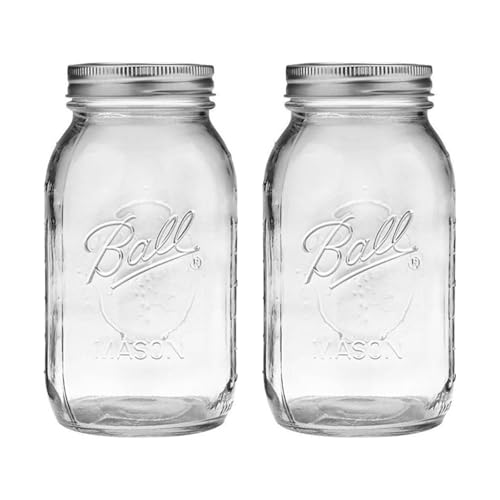
Ball Regular Mouth 32-Ounces Mason Jar, Clear, 2-Pack

Ball Wide Mouth Glass Mason Jars with Lids and Bands, 32-Ounce

CycleMore 40 Pack 4oz Clear Mason Jars With One Piece Silver Lids
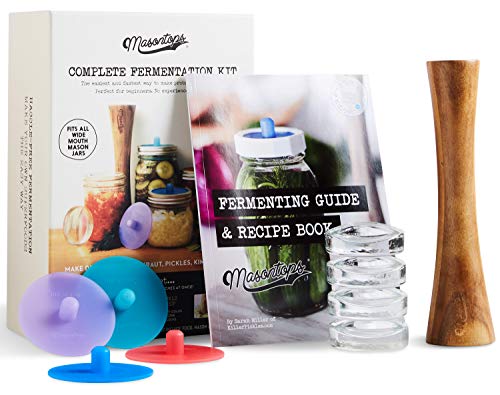
Masontops Complete Mason Jar Fermentation Kit, Wide Mouth Mason Jars
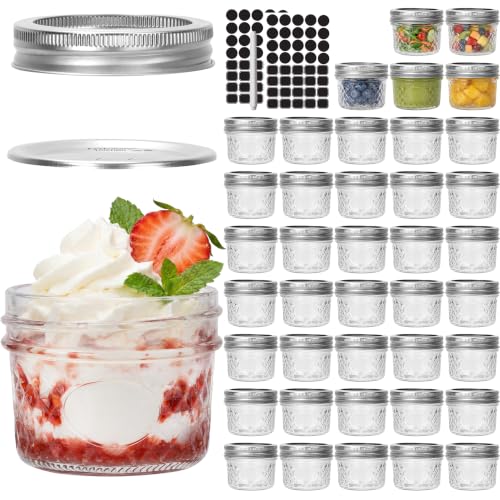
CycleMore 40 Pcs 4oz Crystal Mini Mason Jars, Silver Separable Lids

CycleMore 20 Pcs 12oz Glass Mason Jars With Silver Separable Lids

Jazb Wide Mouth Mason Jars 16 oz with Lids, 8 Pack

Qianfenie Upgrade 1 Gallon Fermentation Jar with Airlocks, 2 Pack
The Picks, Examined More Closely
The Ball regular mouth format is familiar in many kitchens, and the 32-ounce size gives fruit, vegetables, sauces, and juices a practical container. I find it useful for cooks who already work with pantry jars and want a dependable base for organized storage. For fermentation, the regular mouth is less accommodating than the wide opening on Ball Wide Mouth Glass Mason Jars with Lids and Bands, but it remains a sensible choice for recipes that fit the opening.
The clear glass makes contents easy to inspect, while the included lids and bands support the familiar two-piece closure used on Mason jars. That closure is a storage seal rather than a dedicated fermentation airlock, so the jar works best with a compatible fermentation setup.
The Practical Payoff
- 32-ounce capacity suits everyday fruit, vegetable, sauce, and juice storage.
- Clear glass makes the contents visible without opening the jar.
- Two jars provide a manageable starting quantity for a home kitchen.
- The familiar Mason jar format pairs easily with existing pantry storage.
Small Caveats
- The regular mouth is less convenient for packing tightly shredded vegetables than a wide mouth jar.
- The standard lid and band do not replace a fermentation airlock.
- Glass requires careful washing and careful handling around a sink or countertop.
Made For Everyday Storage
This jar suits home cooks building a practical pantry collection for sauces, juices, and medium batches of produce.
A Better Fit Elsewhere
Ball Wide Mouth Glass Mason Jars with Lids and Bands suit cooks who regularly pack shredded cabbage, carrots, or other vegetables into a jar.
The wide opening is the defining advantage here, especially for fermenting shredded vegetables and packing ingredients firmly. I’d choose Ball Wide Mouth Glass Mason Jars with Lids and Bands for sauerkraut, pickles, kimchi, and similar kitchen projects where reaching inside the jar matters. Compared with the regular mouth Ball pair, this format gives the cook more room to distribute salt and press contents down.
The 32-ounce size is large enough for a useful batch without taking over a small refrigerator shelf. The clear glass and two-piece lid system also make the jar useful beyond active fermentation, including juice, jam, sauces, and dry goods.
Practical Pluses
- Wide mouth simplifies filling, packing, pouring, and cleaning.
- 32-ounce capacity fits common vegetable-fermenting batches.
- Glass construction provides clear visibility into the ferment.
- The lid and band create a familiar pantry closure.
Things To Consider
- Wide-mouth jars occupy more shelf width than small mini jars.
- A standard storage lid does not provide a controlled fermentation release.
- Glass can be heavy when filled, especially for a full refrigerator arrangement.
The Right Fit
Beginning fermenters and home cooks working with cabbage, cucumbers, peppers, and similar vegetables will appreciate the wide opening.
Where Another Pick Shines
Masontops Complete Mason Jar Fermentation Kit suits cooks who want fermentation-specific lids, weights, and a packing tool in the same setup.
Small jars make sense for flavor experiments, tasting portions, and cooks who want to avoid opening a large batch each day. I’d use CycleMore 40 Pack 4oz Clear Mason Jars With One Piece Silver Lids for compact refrigerator batches or neatly labeled pantry portions. The 4-ounce size is less intimidating than a quart jar, although the narrow format may limit the volume of vegetables that can be packed inside.
The package includes 40 jars, silver lids, labels, tags, strings, and a marker pen. That supporting set is useful for organizing several small batches, although the one-piece lid is a basic storage closure rather than an airlock designed for a long ferment.
Strengths Worth Knowing
- 4-ounce size works well for tasting-sized batches and refrigerator storage.
- Clear glass makes small portions easy to identify.
- Included labels, tags, and marker support organized batch labeling.
- Forty jars make it easy to run several small projects at once.
Points To Note
- Small capacity may require frequent repeats for a household-sized batch.
- One-piece lids are simpler than a two-piece Mason jar closure.
- Mini jars still need hand washing and careful drying before storage.
Quick Facts
Built With In Mind
These mini jars suit home cooks who value compact storage, clear organization, and frequent sampling over large-batch capacity.
Another Choice May Suit
CycleMore 20 Pcs 12oz Glass Mason Jars With Silver Separable Lids suit cooks who want more room per jar without moving to a quart size.
Fermenting-specific hardware is the advantage here. I’d start with Masontops Complete Mason Jar Fermentation Kit for a first batch because it gathers the pieces that otherwise need separate consideration: fermentation lids, weights, a vegetable tamper, and recipes. The kit converts compatible wide mouth Mason jars into fermentation vessels, which makes the process more organized than pairing ordinary storage lids with improvised equipment.
Four lids and four weights support a multi-jar setup, while the acacia pumper helps press vegetables into a more even layer. In my view, the kit is most useful for cooks preparing sauerkraut, kimchi, pickles, or other vegetable ferments at a steady kitchen rhythm.
Where It Helps
- Fermentation-specific lids remove much of the guesswork from setup.
- Weights help hold vegetables beneath the liquid during fermentation.
- Acacia tamper assists with packing shredded or chopped vegetables.
- Four-lid, four-weight arrangement supports several jars at once.
- Included recipe book helps organize a first project.
Trade Offs
- Compatible wide mouth Mason jars are not included with the kit.
- The accessories add more parts to wash and organize.
- Four active batches may be more than a small refrigerator can comfortably hold.
Who Will Love This
This kit suits first-time fermenters who want a guided, component-based starting setup instead of assembling lids and weights separately.
Reach For A Different Pick When
Ball Wide Mouth Glass Mason Jars with Lids and Bands suit cooks who only need standard jars for storage and can add fermentation equipment later.
The separable lid gives this mini jar set a more familiar storage rhythm than the one-piece version. I’d consider CycleMore 40 Pcs 4oz Crystal Mini Mason Jars for small batches of vegetables, garnishes, or pantry portions that need a compact shelf footprint. The crystal-clear body makes it easy to see how full each jar has become, which matters during a short kitchen experiment.
The 4-ounce format is the limiting factor for fermentation volume. A home cook working with a substantial cabbage batch will need several jars, while someone testing a single seasoning or vegetable combination can keep the experiment compact. The 40-piece count makes that scale practical.
What Makes Sense
- Small capacity supports quick experiments and compact refrigerator storage.
- Separable silver lids make the jars reusable for dry goods and pantry portions.
- Transparent glass helps with visual inventory.
- Forty jars support numerous small batches or organized portions.
Possible Compromises
- Four-ounce capacity is modest for traditional vegetable ferments.
- Silver lids are intended for closure and storage, not specialized airlock venting.
- Small glass pieces still need careful washing before reuse.
Who It Suits Best
These mini jars suit cooks with limited refrigerator space who prefer many small portions over one large fermenting jar.
Consider Something Else When
Jazb Wide Mouth Mason Jars 16 oz with Lids suit cooks who need a wider opening for packing larger pieces of produce.
Twelve ounces lands between tasting jars and full quart containers, making CycleMore 20 Pcs 12oz Glass Mason Jars a useful middle ground. I’d favor this size for cooks who want several medium-small batches without the bulk of a 32-ounce jar. The transparent glass makes it simple to monitor liquid level and ingredient volume, while the separable silver lids support organized pantry storage after the ferment is finished.
The trade-off is access. A medium jar may be adequate for small vegetables and chopped produce, but it will feel less generous than the wide 32-ounce format for a large cabbage ferment. The 20-jar count still makes it practical for a regular home practice.
Useful Touches
- 12-ounce capacity balances batch size and refrigerator footprint.
- Twenty jars support regular small-batch preparation.
- Separable lids suit both storage and repeat kitchen use.
- Clear glass makes contents and fill levels easy to monitor.
Details To Watch
- The size is not ideal for tightly packing a large cabbage batch.
- Standard lids are not a substitute for fermentation airlocks.
- Twenty filled glass jars still require careful shelf planning.
Space Saver
This set suits apartment kitchens and refrigerator-conscious cooks who need a middle capacity between mini jars and quart jars.
Where Another Pick Shines
Qianfenie Upgrade 1 Gallon Fermentation Jar with Airlocks suits gardeners who want a larger batch vessel with integrated handles and a non-slip base.
The 16-ounce wide mouth format gives this set a useful balance of access and capacity. I’d choose Jazb Wide Mouth Mason Jars with Lids for cooks who want a jar for meal prep, freezing, pickling, or fermentation without committing to a larger kit. The wide opening helps with topping, filling, pouring, and washing, while the transparent body makes portioning and monitoring straightforward.
Eight jars provide a practical starter set rather than a large inventory. That makes the set approachable for a small kitchen, though cooks preparing a substantial sauerkraut batch may need more capacity per jar or a dedicated larger fermenter.
Standout Benefits
- Wide mouth design simplifies filling and ingredient placement.
- 16-ounce size works for both small and medium kitchen projects.
- Clear glass supports quick content and portion checks.
- Metal lids and bands provide a familiar closure system.
- Eight jars offer a manageable starting quantity.
Factors To Consider
- Sixteen ounces may be small for a generous cabbage or vegetable batch.
- The included storage closure is not a specialized fermentation airlock.
- Glass jars need careful handling during washing and freezing.
Whose Shelf It Belongs On
These jars suit home cooks building a flexible pantry collection for pickling, meal preparation, and medium-sized vegetable projects.
A Better Fit Elsewhere
Masontops Complete Mason Jar Fermentation Kit suits first-time fermenters who want compatible lids, weights, and a tamper already gathered together.
One-gallon jars shift the conversation from tasting batches to serious garden harvests. I’d consider Qianfenie Upgrade 1 Gallon Fermentation Jar with Airlocks for sauerkraut, kimchi, vinegar, hot sauce, or sourdough starter work where volume and handling matter. The two-pack provides a chance to run parallel batches, although a full glass jar is substantially heavier than a small pantry jar.
Unlike ordinary Mason jar storage closures, the setup includes automatic airlocks, airtight lids, stainless steel handles, and non-slip silicone bases. Those features make it more purpose-built for fermentation, especially during a larger batch that needs to be moved, filled, or handled on the counter.
Features That Help
- One-gallon capacity suits larger vegetable and liquid ferments.
- Automatic airlocks are designed for fermentation use.
- Stainless steel handles support lifting and repositioning.
- Non-slip silicone bases improve stability during handling.
- Two jars allow parallel batches or separate recipes.
Some Limits To Know
- Full one-gallon glass jars require deliberate lifting.
- Two large vessels need substantial refrigerator or storage space.
- The dedicated setup is less economical for tiny tasting batches.
Core Details
Professional Pick
These jars suit experienced home fermenters and garden cooks who regularly prepare large batches and value dedicated airlock hardware.
Swap It Out When
Ball Wide Mouth Glass Mason Jars with Lids and Bands suit cooks beginning with smaller quantities who prefer the standard Mason jar format.
What Matters in a Fermenting Jar
Capacity is the first practical decision. Small jars suit experiments and tasting-sized batches, while 12-ounce, 16-ounce, and quart formats give vegetables more room to pack. One-gallon vessels make sense for larger harvests, but they also require more refrigerator space and careful handling.
The mouth opening affects the experience of filling and cleaning. A wide mouth is easier for packing shredded cabbage, chopped peppers, and other vegetables because the ingredients can be distributed and pressed more evenly. Regular mouth jars remain useful for storage, but the narrower opening can make a vegetable batch more fiddly to assemble.
Fermentation hardware matters too. A standard lid and band are designed for storage, not necessarily for releasing pressure during an active ferment. A dedicated airlock, weight set, and tamper can make the process more consistent, especially for cabbage, kimchi, and other vegetable projects.
Glass construction is easy to inspect and clean, but filled jars are heavy. I account for weight by considering the number of active batches, shelf spacing, and the likelihood of moving each vessel. Wide mouth designs also tend to be easier to wash by hand, which matters during repeated kitchen use.
Details That Shape the Choice
Common Shopping Slip Ups
A storage lid can look like fermentation equipment at a glance, so I check whether the opening is compatible with a true airlock. Another easy mistake is choosing a jar that is too small for the intended batch, especially when packing shredded vegetables. Clear glass helps, but visibility cannot replace enough working capacity.
The Upgrade Payoff
Dedicated fermentation equipment adds value through the parts used during the process: airlocks, weights, tamper tools, handles, and stable bases. I pay closer attention to those details once a kitchen moves beyond occasional small batches, while a compact jar set still makes sense for simple storage and tasting portions.
Frequently Asked Questions
Do Mason jars work for fermentation?
Mason jars can work for fermentation when their opening and closure match the fermenting method. Dedicated airlocks and weights help manage the setup more effectively than ordinary storage lids.
What size jar is best for sauerkraut?
A larger jar gives cabbage more room to pack and remain submerged. I choose capacity based on batch size, refrigerator space, and how comfortably a filled jar can be moved.
Are wide mouth jars easier to use?
Wide mouth jars are generally easier to fill, pack, pour from, and wash. That advantage is noticeable with shredded vegetables, chopped produce, and dry-salted ferments.
Can I use a regular mouth Mason jar for pickles?
A regular mouth Mason jar can suit certain pickle preparations, especially smaller pieces that fit through the opening. Wide mouth jars remain easier to pack and clean when the recipe includes larger vegetables.
What features matter most for fermenting jars?
Useful features include a compatible opening, enough capacity, clear glass, a stable shape, and fermentation-appropriate hardware. I also consider cleaning, storage, and how often the jar will be moved while filled.
Final Thoughts
The right fermenting jar depends on batch size, packing style, and the amount of equipment already in the kitchen. I favor wide mouth jars for vegetable work, mini jars for compact experiments, dedicated kits for organized first batches, and one-gallon vessels for larger harvests. The best fit is the one that leaves enough room for the food and remains comfortable to handle.
