

Curry sauce can turn weekday cooking into something lively without assembling a shelf of spices. You’ll find options here for mild dinners, bold heat, plant-based meals, biryani, and creamy chicken dishes, with differences in pack size and cooking role reflected in every recommendation.
A Snapshot Of The Selections

Patak’s Hot Vindaloo Spice Paste 10 oz 3-Pack

Patak’s Mild Curry Paste 10 oz 6-Pack
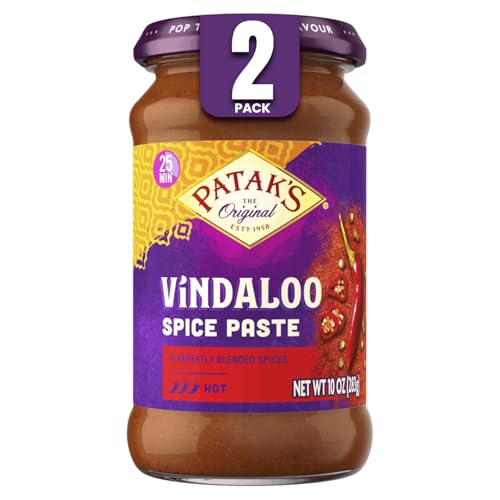
Patak’s Hot Vindaloo Spice Paste 10 oz 2-Pack

Patak’s Biryani Spice Paste 10 oz 3-Pack

Patak’s Hot Madras Spice Paste 10 oz

Patak’s Hot Curry Spice Paste 10 oz

Goldfish Chinese Curry Sauce 405g

Patak’s Tikka Masala Spice Paste 10 oz

Sharwood’s Butter Chicken Sauce 420g
The Details Behind The Selections
Bold Vindaloo cooking calls for more pantry depth than a mild sauce usually delivers, and this three-jar set gives you that concentrated starting point. You can loosen the paste with water, use it as a marinade, or build it around chicken, seafood, tofu, potatoes, and vegetables without measuring a separate spice collection.
Paprika, turmeric, tamarind, and garlic powder shape a warm, aromatic foundation that may prove especially useful for cooks who want familiar depth with adjustable heat. Compared with Patak’s Biryani Spice Paste 10 oz 3-Pack, it serves a broader curry format, while the three jars favor households cooking several meals or hosting a table that appreciates heat.
The Value In It
- A ready-made base eliminates the need to gather and measure numerous spices.
- It works with chicken, seafood, tofu, potatoes, and vegetables.
- Three 10-ounce jars suit regular cooks and shared kitchens.
- Vegan and gluten-free status broadens meal planning.
Small Caveats
- The paste is hot, so portioning matters in a busy family kitchen.
- Opened paste should be covered tightly to reduce moisture loss during pantry storage.
Feature Snapshot
Who It Suits Best
This choice suits confident home cooks and spice enthusiasts who want a bold Vindaloo base for frequent meat or vegetable meals.
A Better Fit Elsewhere
Patak’s Mild Curry Paste 10 oz 6-Pack suits households wanting gentler heat and a larger pantry supply.
A six-jar supply makes pantry planning much easier for families that prepare curry several times a week. The mild profile provides a more approachable starting point than the hot Vindaloo and Madras pastes, especially for someone learning to build a sauce from a paste rather than juggling a full spice list.
The honest limitation is that the source information gives you a pack quantity and heat level, but not a detailed ingredient profile. You may need to check the current label for dietary requirements. Compared with Patak’s Hot Vindaloo Spice Paste 10 oz 3-Pack, this option favors repeat use and gentle seasoning over intense spice.
The Good Stuff
- Mild seasoning works well as an introduction to curry paste.
- Six jars reduce the frequency of replenishing this pantry staple.
- Individual jars help separate unused portions cleanly.
Points To Note
- Detailed ingredients and dietary claims are not supplied here.
- Mild may not satisfy cooks seeking Vindaloo’s sharper heat.
- Keep each jar sealed after use to limit drying.
Made For
Beginners, mixed-spice households, and frequent cooks benefit most from this mild six-jar format.
Look Elsewhere When
Patak’s Hot Curry Spice Paste 10 oz suits a single-jar pantry and cooks seeking stronger heat.
Two jars sit between a one-container experiment and a larger pantry reserve, making this Vindaloo paste practical for regular cooks who want a little supply. Add water and simmering time to turn it into a sauce, or use it to season seafood, chicken, tofu, and vegetables before they meet the heat of a skillet or pot.
It carries the same vegan, gluten-free, paprika, turmeric, tamarind, and garlic powder profile highlighted by the larger Vindaloo set. In your kitchen, the two-pack is likely the more measured choice, while Patak’s Hot Vindaloo Spice Paste 10 oz 3-Pack makes more sense for batch cooking or a household with several enthusiastic cooks.
Real Benefits
- Two jars provide a useful reserve without an oversized pantry commitment.
- Water and simmering create a sauce without a long ingredient list.
- The paste seasons meat, seafood, tofu, and vegetables alike.
- It suits rice, naan, and flatbread-centered meals.
- Vegan and gluten-free characteristics ease menu planning.
Possible Compromises
- Bold heat may need careful portioning.
- Two jars may deplete quickly during frequent meal preparation.
The Right Fit
This two-pack fits regular home cooks balancing shelf space, flavor intensity, and moderate pantry stock.
Reach For A Different Pick When
Patak’s Mild Curry Paste 10 oz 6-Pack offers a better fit for gentler seasoning and a larger backup supply.
Biryani needs seasoning that can stand up to rice, layered vegetables, and a substantial protein, and this paste is designed for that specific role. Ginger, paprika, turmeric, garlic, salt, sugar, and canola oil create a rounded base for chicken, lamb, paneer, tofu, and vegetable biryani. The three-jar pack also suits a gathering where several large pans may be needed.
You can layer it into traditional-style rice dishes or take a simpler route with a one-pot method. Unlike Patak’s Tikka Masala Spice Paste 10 oz, this jar seasons rice as its central task rather than building a creamy tomato sauce. The trade-off is narrower culinary use, though stronger relevance for a biryani-focused pantry.
Advantages To Know
- Built specifically for biryani rather than a general curry format.
- Works with chicken, lamb, paneer, tofu, and vegetables.
- Three jars help prepare large family or gathering meals.
- Layered and one-pot cooking methods both suit the paste.
Details To Watch
- It is less versatile than a tikka masala or Vindaloo paste.
- The paste contains canola oil, salt, sugar, and garlic.
- Wide-mouth paste can dry between cooking sessions unless sealed well.
Core Details
Whose Shelf It Belongs On
Households that regularly make biryani or entertain with rice dishes gain the most from this three-jar pack.
A Sibling Pick Shines
Patak’s Hot Vindaloo Spice Paste 10 oz 3-Pack is more flexible for cooks who alternate biryani with other curry meals.
Madras paste offers a practical way to season soups, stews, and simmered sauces beyond a single curry recipe. Paprika, turmeric, mustard, crushed red pepper, tamarind, and canola oil create a layered base that can carry vegetables, tofu, lentils, chicken, beef, or lamb. It may be particularly useful in a kitchen that rotates proteins rather than sticking to one dish.
Compared with Patak’s Biryani Spice Paste 10 oz 3-Pack, this single jar is less focused and easier to test. Its hot profile also differs from Patak’s Tikka Masala Spice Paste 10 oz, which leaves room for a lighter, more familiar sauce. The vegan and gluten-free characteristics are useful, although the final seasoning still deserves your personal adjustment.
Everyday Advantages
- Works across curries, soups, sauces, and stews.
- Accepts several proteins as well as lentils and tofu.
- Mustard and tamarind bring dimensions beyond simple heat.
- No artificial colors and a vegan, gluten-free profile.
Worth Noting
- Hot seasoning needs careful addition to family meals.
- One jar offers less reserve than the multi-paste sets.
- Secure the lid after opening to help preserve the paste’s texture.
Built With In Mind
Flexible home cooks preparing meat, lentil, tofu, and vegetable dishes benefit most from this broad Madras base.
Another Choice May Suit
Patak’s Tikka Masala Spice Paste 10 oz suits cooks who prefer medium heat and a sauce built with tomatoes or cream.
A single jar keeps the commitment modest, which makes this hot paste reasonable for a first curry dinner or a pantry that already contains plenty of spices. It suits quick stovetop dishes and slower simmered recipes, then works naturally with basmati rice, naan, or flatbread. The concentrated curry base can save time during a busy weeknight.
Compared with Patak’s Hot Vindaloo Spice Paste 10 oz 3-Pack, it offers less specialized flavor and a smaller reserve, which may be the point. The supplied information is fairly light on ingredients, so use the current package label to assess dietary fit. You’ll find the most value in a straightforward hot curry rather than a highly defined dish.
Standout Benefits
- A single jar suits smaller households and initial trials.
- It supports both quick cooking and simmering recipes.
- Chicken and vegetable dishes fit naturally with the base.
Less-Ideal Details
- The general hot profile is less defined than Vindaloo or tikka masala.
- Detailed ingredient information is not provided.
- Prompt resealing helps protect paste exposed to warm, moist cooking areas.
Who Should Grab It
A solo cook or smaller household seeking a single jar of hot curry paste will find this format easy to manage.
Swap It Out When
Patak’s Biryani Spice Paste 10 oz 3-Pack better serves frequent cooks preparing layered rice dishes.
Goldfish Chinese Curry Sauce offers a different culinary direction from the Indian-style pastes dominating this list. Its 405-gram jar is positioned as a ready-made sauce, which can appeal to cooks who want a straightforward base without separating and measuring spices. You could use it to simplify a Chinese-style curry meal, though the source data doesn’t describe its ingredient list or seasoning intensity.
That makes this a more exploratory recommendation than the Patak’s options, which come with clearer details about heat, dietary profile, and cooking applications. Compared with Sharwood’s Butter Chicken Sauce 420g, the Goldfish choice serves cooks seeking Chinese curry rather than a focused butter chicken dish. Check the label carefully for allergens and sauce composition before serving it to someone with dietary restrictions.
A Strong Showing
- A ready-made sauce reduces the need for manual seasoning.
- The 405-gram jar is a manageable single-container format.
- It adds a Chinese-style option to a paste-heavy list.
Honest Caveats
- The source does not specify heat, ingredients, or dietary attributes.
- Fewer cooking details make substitution planning less predictable.
- Refrigerate promptly and reheat only according to the package directions.
Best Suited To
Cooks interested in an accessible Chinese curry sauce and comfortable checking the package details fit this option well.
Consider Something Else When
Patak’s Tikka Masala Spice Paste 10 oz offers a more clearly documented Indian-style cooking route.
Tikka masala gives new cooks a familiar route into curry because the paste supplies seasoning while you control the finished sauce texture. Turmeric, paprika, cumin seed, dried fenugreek leaf, dried cilantro leaf, tamarind, and garlic powder provide a layered medium-heat profile. Tomatoes, broth, yogurt, or cream can each lead to a different result, so the base is more adaptable than a fully finished sauce.
It works with chicken, paneer, chickpeas, tofu, vegetables, and even grilled kebabs. Unlike Patak’s Hot Vindaloo Spice Paste 10 oz 2-Pack, this paste leans toward moderate heat and sauce customization. The vegan and gluten-free profile is useful, but adding dairy-based ingredients would change the final dietary profile of the meal.
Well-Handled Touches
- Medium heat gives beginners a less intense starting point.
- The paste supports tomato, broth, yogurt, or cream-based sauces.
- Stovetop, skillet, and pressure-cooker methods offer flexibility.
- It seasons several proteins and plant-based ingredients.
- Vegan and gluten-free characteristics support broader menus.
Soft Spots
- It requires additional liquid or sauce ingredients to reach the desired consistency.
- Dried herb and seed notes may appeal less to cooks expecting a sweeter sauce.
Who Will Love This
New cooks, dinner-for-two plans, and households wanting control over sauce richness benefit from this adaptable paste.
Where Another Pick Shines
Sharwood’s Butter Chicken Sauce 420g suits cooks prioritizing a focused butter chicken shortcut over a customizable base.
Butter chicken nights call for a sauce that points clearly in one direction, and this 420-gram jar keeps the decision simple. It appeals to cooks who want to concentrate on preparing chicken, rice, and garnishes rather than building a spice base from scratch. The focused format may be particularly pleasant on a busy evening, assuming its flavor matches your preference for a familiar butter chicken style.
Patak’s Tikka Masala Spice Paste 10 oz is the broader option, allowing you to create different textures with tomatoes, broth, yogurt, or cream. Sharwood’s is more specialized, so you may prefer it after deciding that butter chicken is the dish you want. The sparse source details mean checking the current label remains important for allergens, ingredients, and storage guidance.
What Makes Sense
- A focused sauce simplifies the butter chicken decision.
- The 420-gram jar suits regular home portions and leftovers.
- A ready-made base reduces seasoning work at the stove.
Where It May Fall Short
- It offers less flexibility than a paste used across several dishes.
- The source does not provide its ingredient or dietary profile.
- Follow the package’s refrigeration and reheating directions after opening.
Product Snapshot
Right Fit For
Cooks who regularly make butter chicken and value a focused, ready-made sauce fit this jar well.
Another Choice May Suit
Patak’s Hot Vindaloo Spice Paste 10 oz 2-Pack better serves cooks wanting a bolder base for multiple curry recipes.
Choosing A Curry Sauce That Fits Your Table
Start with the dish and heat tolerance before the jar count. A family sharing dinner may prefer mild seasoning, while a Vindaloo enthusiast may want bold heat. Sauce refers to a ready-cooked liquid or semi-liquid curry foundation, while spice paste usually needs simmering, added stock, tomatoes, or another liquid before serving.
Match The Paste To The Recipe
Biryani paste is built for rice dishes, tikka masala paste supports a more flexible sauce format, and Vindaloo or Madras pastes bring stronger curry seasoning. Butter chicken sauce is narrower but useful for a familiar finished dish. You’ll get the most predictable result by matching the jar to the meal rather than treating every curry sauce as interchangeable.
Think About Heat And Dietary Details
Mild paste can help beginning cooks or mixed households introduce curry without a sharp finish. Hot pastes offer more intensity but require careful portioning. For vegan, gluten-free, or allergen-conscious cooking, check the current label because formulas and preparation additions can change the final meal.
Pack Size Follows Your Routine
Single jars reduce pantry commitment and suit smaller households. Two- and three-packs make sense for frequent cooks, meal preparation, or shared kitchens. Six jars may be practical for a household living on curry regularly, but narrower flavor profiles can become a drawback if you stop using a particular variety.
Account For Extra Ingredients
A spice paste generally needs something to become a finished sauce. Water and simmering may be enough for a simple curry, while tomatoes, coconut, cream, yogurt, or broth can change the character. A ready-made sauce can require fewer additions, giving you a quicker route when dinner needs to move along without a separate spice blend.
Practical Checks Before You Add To The Pantry
Mistakes Worth Dodging
Don’t choose by jar size alone. A large multipack makes sense only when you have recipes for that specific flavor. Read the current label for heat, allergens, and dietary details, and remember that cream, yogurt, or other additions can change the dietary profile of the finished dish.
What Separates Premium From Basic
The extra spend may reflect pack quantity, more detailed sourcing, or a more specialized flavor profile. A multi-jar paste can also lower the chance of running out during frequent cooking. The better option is the one whose heat, recipe role, and quantity suit your table rather than simply the largest package.
Frequently Asked Questions
Can Curry Paste Be Used for Marinades?
Yes. Patak’s Vindaloo and Tikka Masala pastes can season marinades for chicken, seafood, tofu, or vegetables. You can adjust the liquid later to suit the finished dish.
Is Mild Curry Paste Better for Beginners?
Often, yes. Mild paste provides curry flavor without the sharper finish of a hot variety, which can make early recipe experiments more approachable.
Can One Curry Paste Serve Several Dishes?
Definitely. Patak’s Tikka Masala and Madras pastes work with multiple proteins, vegetables, soups, and stews. A specialized sauce such as butter chicken focuses more narrowly on one style.
How Should Opened Curry Paste Be Stored?
Follow the directions printed on the jar, and reseal it promptly after use. Different pastes and sauces may have different refrigeration needs, so the package remains the best source.
Wrap Up
The most useful curry sauce is the one that matches your recipe, heat preference, and cooking rhythm. Choose mild for shared tables, Vindaloo or Madras for bold curries, biryani paste for rice dishes, and tikka masala paste for flexible sauce textures. Check the label and start with less seasoning than you think you need, then adjust the finished dish to your taste.