

Fermenting kimchi at home is easier when the equipment matches the process. A wide-mouth jar kit suits vegetable ferments, while a temperature-controlled appliance helps maintain steadier conditions for cultures that depend on warmth. I focus on the practical differences here, including capacity, temperature range, materials, and how much control each setup offers.
The Lineup, Simplified
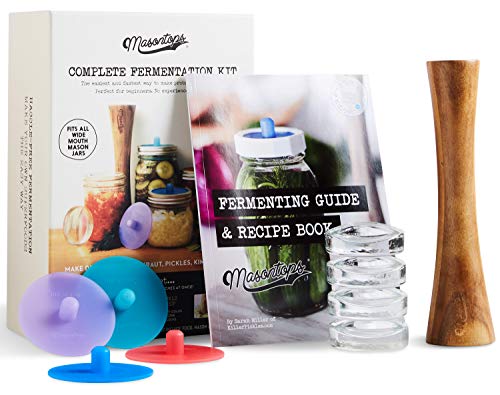
Masontops Mason Jar Fermentation Kit, Wide Mouth

TANICA YOGURTiA Fermented Food Machine

TANICA Rice Koji 500g Japanese Malt

TANICA Amazake Starter Fermentation Powder
A Deeper Look At The Lineup
The Masontops kit turns a standard wide-mouth mason jar into a compact fermentation vessel, which makes it a natural starting point for small batches of kimchi, pickles, or salted vegetables. I appreciate that the kit includes dedicated lids, weights, and an acacia packer rather than relying on improvised tools.
For a busy kitchen, the main advantage is portability. Four jars can be managed on a counter or in a cool storage area, although the setup depends on regular monitoring and a suitable jar size. Compared with the TANICA machine, this kit offers less temperature control but takes up much less space.
Where It Excels
- Wide-mouth compatibility lets it use familiar pantry jars.
- Four fermentation lids support several small batches at once.
- Weights help keep vegetables submerged beneath the liquid level.
- The included acacia packer works for dry-salted vegetables.
Points To Keep In Mind
- Mason jars and lids require regular washing between batches.
- The kit does not provide active temperature regulation.
Who It Suits Best
This kit best suits beginners and small-batch home cooks who already have wide-mouth jars and prefer hands-on fermentation.
Where Another Pick Suits Better
TANICA YOGURTiA Fermented Food Machine is a better fit for cooks who want adjustable heat and less temperature guesswork.
The TANICA YOGURTiA is built for ferments that benefit from a maintained temperature, and its adjustable range gives cooks more control than an ordinary mason jar setup. The specified 1°F or 1°C increments are useful when following recipes that call for a particular incubation setting.
Two glass pots provide separate working spaces, which is practical for comparing small batches or managing different ferments. Glass containers are easy to inspect, though their weight and breakage risk make careful handling important. Unlike the Masontops kit, this appliance adds heat control but occupies more counter space.
Positive Takeaways
- Adjustable temperature settings support repeatable fermentation conditions.
- Two glass pots allow parallel small-batch work.
- The 77–158°F range covers common warm-fermentation applications.
- A timer helps organize longer incubation routines.
Small Caveats
- Glass pots can be damaged during shipping or handling.
- Counter footprint is larger than a jar-based arrangement.
- The temperature range may not suit every vegetable ferment.
Built With In Mind
This machine fits home cooks who value temperature precision and plan to ferment regularly in a dedicated kitchen space.
Consider Something Else When
Masontops Mason Jar Fermentation Kit, Wide Mouth is a better fit for cooks who want a low-equipment setup and already own suitable jars.
Rice koji is a fermentation ingredient rather than a complete kimchi-making setup, but it opens a different route for cooks interested in Japanese ferments. The 500-gram bag can serve as the starting material for amazake, shio koji, soy sauce koji, and miso preparations when combined with the appropriate recipe and equipment.
I see this as a specialist option for a kitchen that wants to explore koji rather than simply pack vegetables. The listed fermentation range of 86–140°F overlaps with controlled warm-fermentation work, including use in a temperature-managed yogurt maker. The trade-off is extra planning, since rice koji does not replace jars, weights, salt, or vegetables.
What Pays Off
- One ingredient supports several Japanese fermentation projects.
- The 500-gram size works for repeated small batches.
- Japanese-grown white rice gives the ingredient a clearly defined base.
- Vegan and gluten-free characteristics suit relevant dietary preferences.
Less-Strong Areas
- It is not a self-contained kit for making kimchi.
- Separate jars, salt, and other ingredients remain necessary.
- Different recipes call for different handling and timing.
The Right Fit
This rice koji suits curious home fermenters who want to experiment with miso, amazake, and seasoned koji products beyond ordinary vegetable pickles.
A Better Fit Elsewhere
Masontops Mason Jar Fermentation Kit, Wide Mouth is a better fit for someone whose main goal is direct small-batch kimchi fermentation.
The TANICA Amazake Starter is a narrow, ingredient-focused option for making sweet rice drink at home. Ten 2-gram packets make portioning straightforward, which is useful for a first batch or for a kitchen that prefers to keep only a small amount of culture on hand.
Unlike the Masontops kit, this product does not supply a fermentation vessel or vegetable-packing tools. It is therefore more relevant to cooks expanding into rice-based ferments than to someone seeking a direct kimchi setup. The listed no-added-sugar and non-alcoholic characteristics make the intended use clear, though the final preparation still depends on the recipe and equipment.
Positive Points
- Individual packets simplify small-batch portioning.
- The ten-packet format is easy to store in a pantry.
- It focuses on a traditional non-alcoholic rice fermentation.
- Vegan and gluten-free attributes match certain dietary needs.
Details To Watch
- A fermenting vessel and rice ingredients are still needed.
- It is not designed for vegetable kimchi or jar packing.
Who Will Love This
This starter is best for curious cooks making occasional amazake batches and wanting a measured culture format.
Another Choice May Suit
TANICA Rice Koji 500g Japanese Malt is a better fit for cooks who want a larger ingredient supply and several koji projects.
Choosing The Right Fermentation Setup
A jar-based system is the most direct option for traditional vegetable ferments. Wide-mouth jars make it easier to fit lids and weights, while a tamper helps pack shredded cabbage and other vegetables firmly. The Masontops kit is compact and straightforward, though it leaves temperature management to the kitchen.
For warm ferments, temperature control changes the workflow. A machine with adjustable heat and a timer can reduce daily adjustment, which suits cooks with a consistent routine. The TANICA YOGURTiA also uses two glass pots, but its larger footprint and breakable components deserve consideration.
Koji products serve a different purpose. Rice koji and amazake starter support rice-based and Japanese-style fermentation projects, but they do not replace the jars, salt, vegetables, or packing tools required for kimchi. I would choose those ingredients after confirming the recipe and equipment first.
Match The Method To The Food
Kimchi, pickles, and sauerkraut depend on submerged vegetables, salt, and controlled fermentation conditions. A jar kit is therefore more relevant than a rice-based ingredient for the core process.
Think About Control And Space
A temperature-controlled machine is useful for a dedicated counter space and repeat batches. A mason jar setup costs less in equipment and stores more easily, but it demands closer attention to jar condition, salt levels, and ambient temperature.
Key Details Before Choosing Fermentation Equipment
Common Shopping Slip Ups
The biggest mistake is treating an ingredient as a complete kit. Rice koji and amazake starter support specific fermentations, but they do not provide a vessel, salt, vegetables, or packing tools. I also compare the required batch size before choosing, since a small packet may suit occasional use better than a larger ingredient supply.
What The Higher Tier Buys
A temperature-controlled machine offers more consistent adjustment than a basic jar arrangement, especially for recipes that specify warm incubation. That added control costs counter space and may introduce breakable glass components, so the upgrade is most useful for frequent fermenters rather than occasional experimenters.
Frequently Asked Questions
What is the simplest way to begin making kimchi at home?
A wide-mouth jar, fermentation lid, weight, salt, and vegetables form a basic setup. The Masontops kit gathers several of those tools together.
Do I need a temperature-controlled machine for kimchi?
Not always, but it can help maintain a chosen warm-fermentation range. Mason jar fermentation depends more on the recipe, salt level, and surrounding conditions.
Can rice koji be used for traditional vegetable kimchi?
Rice koji is primarily suited to rice and soybean fermentation projects. Traditional vegetable kimchi usually relies on salt and lactic fermentation rather than rice koji.
Which option suits a small kitchen?
The Masontops jar kit uses less counter space than an appliance with multiple glass pots. Its jars also stack or store more easily.
Are the TANICA rice products complete fermentation kits?
No. They provide koji or starter ingredients, while the preparation still requires suitable food, a vessel, and the recipe-specific equipment.
Final Verdict
The Masontops Mason Jar Fermentation Kit, Wide Mouth is the most direct fit for classic vegetable kimchi and similar small-batch ferments. TANICA YOGURTiA Fermented Food Machine adds temperature control for cooks who want a more regulated routine, while the rice koji and amazake starter serve adjacent Japanese fermentation projects rather than replacing the basic jar setup. Choose based on the food, space, and level of control that matter most in my kitchen.