

Mānuka honey varies far more than a jar of honey usually suggests, with potency, texture, packaging, and intended use shaping the right choice. I compare UMF, MGO, jar size, traceability, and daily convenience to help daily tea drinkers, travelers, bakers, and higher-grade shoppers find a suitable option.
The eight selections range from everyday pantry honey to highly graded jars and portable packets. I focus on practical differences rather than treating a higher number as automatically better for every kitchen.
The Picks In Brief
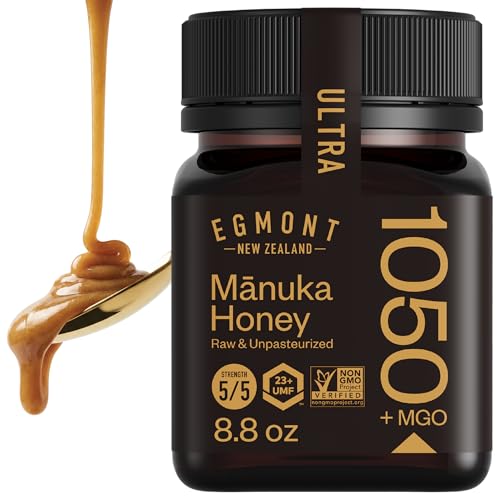
Egmont Honey Raw Mānuka Honey UMF 23+ 8.8oz

Egmont Honey Raw Mānuka Honey UMF 20+ 8.8oz

1839 Triple-Churned Raw Mānuka Honey UMF 10+ 250g

Egmont Honey Raw Mānuka Honey MGO 265+ UMF 10+ 500g

Egmont Honey Raw Mānuka Honey UMF 18+ 8.8oz
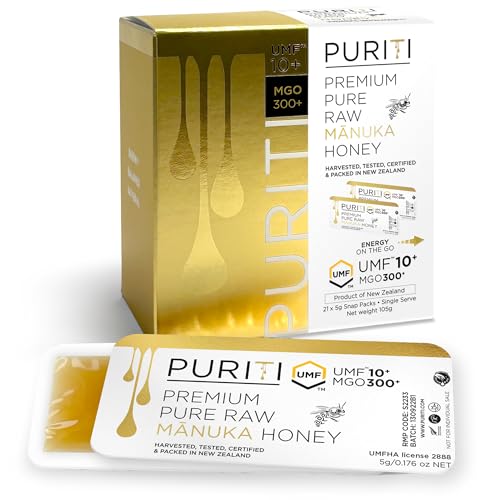
PURITI Raw Mānuka Honey Snaps UMF 10+ 21 Pack
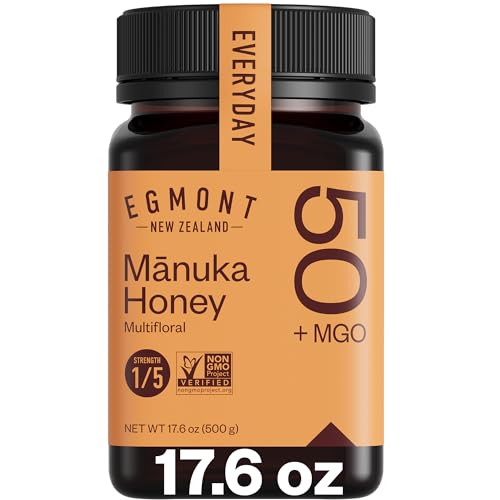
Egmont Honey Raw Manuka Honey MGO 50+ 17.6oz

Egmont Honey Raw Mānuka Honey UMF 15+ 8.8oz
A Breakdown Of The Leading Choices
The UMF 23+ designation places this jar at the specialized end of the list. UMF, or Unique Manuka Factor, is a quality system that links an MGO rating to a broader grade, while MGO measures methylglyoxal, a naturally occurring honey compound. For a morning tea ritual or a carefully stocked pantry, that documented intensity is the main reason to choose it.
Compared with the UMF 20+ Egmont Honey Raw Mānuka Honey UMF 20+ 8.8oz, this jar carries a higher stated grade and MGO level of 1050+. The trade-off is straightforward: it occupies the premium end of my list even though its 8.8-ounce format may not appeal to people wanting a large supply.
Where It Excels
- UMF 23+ and MGO 1050+ provide unusually clear grade information.
- Hive-to-jar traceability adds useful provenance for a specialty pantry purchase.
- The monofloral designation narrows the honey’s floral source to Mānuka.
- The 8.8-ounce jar suits measured tasting and regular tea use.
Small Caveats
- The advanced grade may be excessive for ordinary breakfast recipes.
- Crystallization can occur in raw honey, so storage and serving texture may vary.
Key Product Details
Who Will Love This
This jar best fits experienced Mānuka shoppers who prioritize a high documented grade and short-term specialty use.
Another Choice May Suit
Egmont Honey Raw Manuka Honey MGO 50+ 17.6oz better serves households wanting a larger jar for frequent drinks and breakfasts.
At UMF 20+ and MGO 830+, this jar lands just below the highest grade in the roundup while preserving a substantial specialty profile. The stated monofloral New Zealand source and hive-to-jar traceability make it a sensible choice for tea drinkers who want more grade information than an everyday honey provides.
It also offers a clearer step between ordinary pantry honey and the UMF 23+ Egmont jar. The difference is meaningful for Mānuka-focused households, though someone simply sweetening cereal may not notice enough practical distinction to justify the higher-tier format.
Real Benefits
- The UMF 20+ grade gives shoppers a defined middle point between entry-level and top-tier Mānuka.
- MGO 830+ communicates a more specific potency level than an unlabeled jar.
- Traceability follows the honey from the hive to the jar.
- The compact 8.8-ounce package limits exposure to crystallization after opening.
Trade-Offs To Consider
- It provides less intensity than Egmont Honey Raw Mānuka Honey UMF 23+ 8.8oz.
- Raw honey can firm up in cool storage, requiring a warm-water bath before serving.
- Tea and breakfast use may consume the jar slowly at smaller serving sizes.
Made For
Daily tea drinkers seeking a clearly graded jar without moving to the highest UMF category will find this format sensible.
Consider Something Else When
Egmont Honey Raw Manuka Honey MGO 50+ 17.6oz is a better fit for high-volume pantry use and larger households.
Texture is the distinguishing detail here, not the highest grade in the roundup. The triple-churning process produces smaller crystals and a smoother consistency, which may appeal to people who dislike the graininess that sometimes develops in raw honey. UMF 10+ and MGO 300+ keep it relevant to the core Mānuka category.
Unlike the dense 8.8-ounce jars from Egmont, this 250g format feels suited to tea, yogurt, and measured toppings. In my view, the texture is the meaningful reason to choose it, even though the stated grade sits below several neighboring options.
Where It Delivers
- Smaller crystals create a smoother texture that mixes readily into warm drinks.
- UMF 10+ and MGO 300+ provide a defined baseline potency.
- The 250g size works well for a first specialty jar.
- New Zealand origin and hive-to-jar traceability add sourcing context.
Points To Note
- UMF 10+ sits below the higher grades offered by several Egmont jars.
- Smoother crystals may still firm in a cool kitchen.
- The 250g container may require another jar sooner than a 500g format.
Quick Facts
The Right Fit
Tea drinkers and first-time Mānuka shoppers who prioritize smooth dissolving texture will appreciate this compact jar.
Where A Sibling Pick Shines
PURITI Raw Mānuka Honey Snaps UMF 10+ 21 Pack is easier for commuters and packed lunches because each serving arrives separately.
The 500g jar is the practical choice for a busy kitchen that uses honey daily. Compared with the smaller specialty jars, it reduces the need for frequent replacements while retaining a defined MGO 265+ and UMF 10+ profile. It also carries non-GMO, kosher, and recycled-plastic-jar details that may matter during pantry planning.
That larger package shifts the balance from intensity to convenience. A person adding a spoonful to cereal, tea, or baking can reach for the same jar repeatedly, although the lower stated grade may not satisfy shoppers focused on high-end Mānuka classification.
Why It Works Well
- The 500g capacity supports frequent household use without repeated jar changes.
- A recycled plastic jar may be easier to handle and store than glass.
- MGO 265+ and UMF 10+ give shoppers a clear potency and grade baseline.
- The broader pantry format suits cereal, drinks, and baking.
Practical Considerations
- Raw honey can crystallize, so owners may need to warm the jar gently before use.
- The plastic container may develop marks with long-term pantry storage.
- Its stated grade is lower than the UMF 15+ through 23+ jars in this roundup.
Feature Snapshot
Built With In Mind
Frequent users adding Mānuka to drinks, cereal, and recipes benefit most from the large supply.
Another Choice May Suit
Egmont Honey Raw Mānuka Honey UMF 18+ 8.8oz better serves shoppers who prioritize a higher grade over container size.
UMF 18+ with MGO 700+ gives this jar a strong position without reaching the top two grades. It may suit a shopper who wants serious Mānuka classification for tea or measured servings but sees little value in paying for the UMF 20+ and 23+ options. The stated New Zealand monofloral sourcing also keeps provenance clear.
Compared with Egmont Honey Raw Mānuka Honey MGO 265+ UMF 10+ 500g, this jar prioritizes grade rather than volume. That makes it appealing for tasting and controlled use, while the 500g pick remains more logical for a household that uses several spoonfuls each week.
The Practical Payoff
- UMF 18+ offers a strong grade below the 20+ category.
- MGO 700+ gives shoppers a clear stated potency level.
- Traceability from hive to jar supports provenance-focused purchasing.
- The 8.8-ounce jar is practical for tasting or shorter daily use.
Where It May Fall Short
- It may not provide enough grade distinction for people focused on the highest tier.
- Raw honey may crystallize during cool storage.
- The smaller jar offers less value for high-volume recipes.
Best Suited To
Intermediate Mānuka shoppers seeking a high grade for measured tea and tasting portions will find the format balanced.
Reach For A Different Pick When
Egmont Honey Raw Manuka Honey MGO 50+ 17.6oz makes more sense for daily breakfast use across a larger household.
Twenty-one snap packets change the way Mānuka fits into a commute, lunch box, or long-haul flight. Each packet contains 0.18 ounces, removing the need to carry a spoon or handle a full jar. UMF 10+ and MGO 300+ give this portable format a defined place in the roundup.
The flavor profile is described as medium-sweet, nutty, and lightly bitter, making it usable in tea or savory snacks. Compared with the larger 1839 jar, the benefit isn’t texture or supply but portion control and reduced mess. The catch is straightforward: many separate packets add packaging compared with one pantry jar.
Strengths Worth Knowing
- Individual packets fit neatly into bags, lunch boxes, and carry-on luggage.
- Each 0.18-ounce portion avoids handling a full jar during travel.
- The flavor suits both sweet drinks and savory foods.
- UMF 10+ and MGO 300+ provide a recognizable grade and potency.
- Snap openings are practical for children’s packed lunches under adult supervision.
Possible Compromises
- Individual wrappers create more packaging than a single jar.
- Portability does little for shoppers seeking a higher UMF grade.
- Packets can crease or tear inside a crowded travel bag.
At A Glance
Made For
Commuters, frequent travelers, and families packing lunch boxes benefit most from pre-portioned servings.
Swap It Out When
Egmont Honey Raw Mānuka Honey MGO 265+ UMF 10+ 500g is the better option for a fixed pantry and less packaging.
This 17.6-ounce jar brings the focus back to everyday pantry use. Its MGO 50+ level sits below the higher UMF options, but the large format makes it more practical for smoothies, hot drinks, cereal, and recipes used regularly. A person buying honey as a kitchen staple will likely find more relevance here than in the 8.8-ounce high-grade jars.
The remote native-forest sourcing and helicopter-access detail give the product a distinctive origin story. Owners commonly report texture changes in raw honey, so a little warming and stirring may be needed before use. In my view, the broad volume outweighs the lower grade for this particular use case.
The Upside
- The 17.6-ounce supply suits households that use honey daily.
- MGO 50+ supplies a clear potency marker without entering the highest grade range.
- Caramel-like flavor suits cereals, smoothies, and warm drinks.
- The recycled plastic jar is lightweight and easy to handle.
Less-Strong Areas
- MGO 50+ is lower than the MGO 265+ to 1050+ range elsewhere in the list.
- A large supply may crystallize before it is fully used.
- The lower intensity offers less distinction for experienced Mānuka shoppers.
Whose Shelf It Belongs On
Large households and frequent tea or breakfast users benefit most from the roomy everyday format.
A Better Fit Elsewhere
1839 Triple-Churned Raw Mānuka Honey UMF 10+ 250g better serves people who prefer smoother texture and smaller servings.
UMF 15+ and MGO 515+ place this jar near the middle of the listed Egmont grades. That positioning may work well for a kitchen seeking recognizable Mānuka specifications without moving to the UMF 18+ or 20+ jars. The 8.8-ounce container also remains compact enough for controlled tasting and tea use.
It is less intense than the UMF 23+ option, but that difference matters mainly to shoppers comparing grade labels directly. Compared with the MGO 50+ everyday jar, this choice offers a more specific classification and a smaller format, which can be easier to finish or store.
What It Does Well
- UMF 15+ creates a clear midpoint in the Egmont range.
- MGO 515+ gives shoppers a specific potency reference.
- The 8.8-ounce jar supports tasting and measured daily use.
- The format bridges ordinary pantry use and higher-grade jars.
Details To Watch
- The stated grade is lower than the UMF 18+ through 23+ choices.
- The jar may be too small for households using several spoonfuls daily.
- Cool storage can make the raw honey more crystalline.
Quick Technical Notes
Who Should Grab It
Intermediate shoppers wanting a recognizable Mānuka grade in a compact jar will likely find this a practical middle point.
Not Your Match When
Egmont Honey Raw Mānuka Honey UMF 20+ 8.8oz better serves people seeking a substantially higher stated grade.
Choosing Mānuka Honey by Grade, Size, and Use
Mānuka shopping becomes easier once I separate grade from portion size. A high UMF number does not make a jar more appropriate for every recipe, and a larger container does not necessarily carry the same classification. Start with how the honey will be used, then narrow the grade.
Understand UMF and MGO
UMF combines an MGO measurement with an established quality classification, while MGO refers to the methylglyoxal level associated with Mānuka honey. The supplied listings range from MGO 50+ to MGO 1050+, with UMF values from 10+ to 23+. Higher figures indicate a stronger stated classification, not greater suitability for every person.
Match the Jar to Daily Use
The 17.6-ounce and 500g jars suit frequent use in drinks, cereal, smoothies, and baking. The 8.8-ounce options are easier for tasting, measured servings, and people who prefer to finish a jar before its texture changes. Raw honey can crystallize, so airtight storage and gentle warming may be necessary.
Consider Portability and Packaging
The PURITI packets serve commuters, travelers, and packed lunches more effectively than a full jar. Twenty-one individual 0.18-ounce servings reduce mess and portion planning, although the wrappers create more packaging. This format is less compelling for a permanent kitchen pantry.
Look for Origin and Traceability
All eight choices identify New Zealand origin, but traceability and monofloral language vary in the supplied details. Shoppers who care about floral source and hive-to-jar records can narrow the list accordingly. Those focused mainly on everyday sweetness may reasonably prioritize flavor, size, and packaging instead.
Avoiding Common Mānuka Honey Mistakes
Mistakes Worth Dodging
A high UMF or MGO number does not automatically make a jar better for cereal, tea, or baking. I would compare the grade, serving size, and expected frequency of use before choosing. The largest jar may also be less practical for a household that rarely uses honey.
What Separates Premium From Basic
Higher-grade jars generally provide stronger stated MGO levels and more specific quality classification. That difference can matter to experienced Mānuka shoppers, but it may be unnecessary for ordinary kitchen use. Paying more becomes more relevant when provenance, grade, and smaller measured servings are priorities.
Frequently Asked Questions
What Does UMF Mean in Mānuka Honey?
UMF is a grading system that relates MGO content to a defined Mānuka quality category. Higher UMF figures represent stronger stated classifications, not guaranteed differences in every recipe.
Is Higher MGO Always Better?
Higher MGO means a greater stated potency level, but suitability depends on use and preference. Everyday kitchens may benefit more from a large, manageable jar than from a small high-grade container.
Can Mānuka Honey Crystallize?
Yes, raw honey can develop finer crystals as storage temperatures change. Gentle warming and stirring can soften it without requiring high heat.
Which Jar Is Easiest for Travel?
The PURITI Raw Mānuka Honey Snaps UMF 10+ 21 Pack is the clearest travel option because each serving is individually portioned. A full jar is less convenient for luggage, lunch boxes, and commuting.
Final Verdict
I find the Egmont Honey Raw Mānuka Honey UMF 23+ 8.8oz most compelling for high-grade pantry use, while the 17.6-ounce and 500g jars serve frequent household consumption better. The PURITI packets win on travel convenience, and 1839 stands apart through its smoother texture. The right choice comes down to grade, serving format, and how often the jar will actually be used.