

Best Manuka Honeys for Diabetics: Portion-Centered Choices for Everyday Use
Manuka honey is still a sugar, so people managing diabetes need to treat it like any other carbohydrate source rather than assume a higher MGO rating makes it freely usable. I focus on serving size, ingredient simplicity, traceability, and storage convenience, since those details matter more in real daily use than promotional wellness language. A registered dietitian or diabetes-care professional can also help fit a chosen honey into an individual meal plan.
A Fast Comparison Of The Options

Manukora Raw Manuka Honey MGO 50+ 250g

P.R.I Manuka Honey MGO 300+ 500g
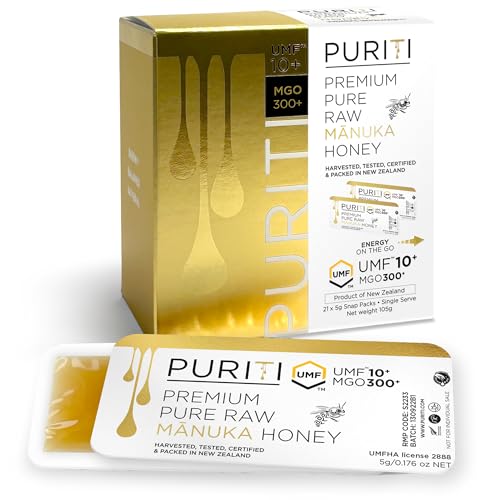
PURITI Manuka Honey UMF 10+ Snap Packets
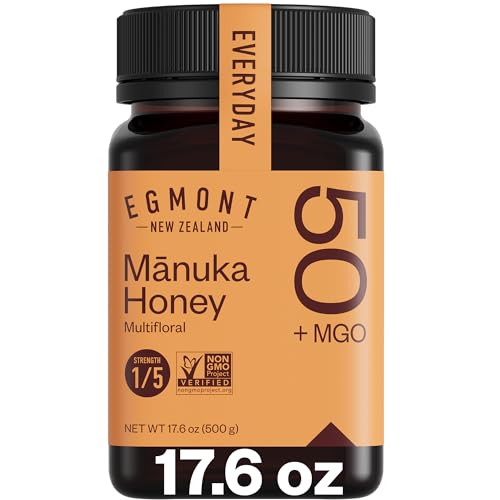
Egmont Raw Manuka Honey MGO 50+ 500g

Manuka Health UMF 6+ On-The-Go Packets

Manukora Raw Manuka Honey MGO 850+ 250g

P.R.I Manuka Honey MGO 600+ 500g

P.R.I Manuka Honey MGO 1000+ 500g
The Details Behind The Selections
For a kitchen that measures small servings regularly, this 250g jar is an uncomplicated starting point. Its MGO 50+ specification places it below the more concentrated entries, while the raw, multifloral format gives pantry cooks a familiar sweet ingredient.
I see the best fit with someone moving from ordinary honey to Manuka and learning to add a measured teaspoon to tea or cereal. The lower listed intensity may also feel more approachable, although personal tolerance and dietary guidance still determine portion size.
The Value In It
- The 250g jar is practical for repeated, measured pantry use.
- Raw multifloral sourcing provides a clear point of origin.
- MGO 50+ is a restrained level for Manuka newcomers.
Practical Considerations
- Honey remains a sugar, so portion control is essential.
- Sticky jars require careful cleaning and secure storage.
Feature Snapshot
Made For
This jar suits people new to Manuka honey who want to measure a small serving within an established diabetes meal plan.
Consider Something Else When
PURITI Manuka Honey UMF 10+ Snap Packets suit people who value pre-portioned packets more than a full pantry jar.
MGO, or methylglyoxal, is the measured compound used to grade intensity in Manuka honey. This 500g jar sits at MGO 300+ and adds batch-level documentation through a QR code, making the source details easier to inspect before use.
Compared with Manukora Raw Manuka Honey MGO 50+, it offers a substantially higher listed intensity and a larger pantry format. In my view, that combination works best for experienced users who scrutinize sourcing and measure each serving rather than looking for the simplest sweetener.
A Few Highlights
- The stated MGO 300+ level offers a clear intensity marker.
- A lid QR code links to batch-specific documentation.
- Low-temperature processing retains its raw character.
- The 500g jar suits steady kitchen use.
Worth Noting
- The 500g jar can lose aroma after repeated opening.
- Higher MGO does not remove the need to count sugar.
Right Fit For
This choice fits experienced Manuka users who prioritize batch documentation and a stated MGO 300+ intensity.
A Better Fit Elsewhere
Manuka Health UMF 6+ On-The-Go Packets suit commuters who want individual portions instead of a 500g jar.
Packing lunch or traveling rarely calls for a sticky jar and a teaspoon, which is where these 0.18oz snap packets become useful. The pack contains 21 single portions with a stated UMF 10+ or MGO 300+ designation, giving commuters a defined serving format.
Unlike P.R.I Manuka Honey MGO 300+ 500g, the tradeoff is less capacity and no shared jar. For someone managing a packed meal, that inconvenience may matter less than avoiding drips, carrying a utensil, and opening a fresh packet each time.
Everyday Perks
- Twenty-one packets simplify lunches and short trips.
- Each packet provides a clearly separated 0.18oz serving.
- The flavor suits tea, smoothies, and snacks.
Small Caveats
- Single-use wrappers create more packaging waste.
- Packet portions still contribute carbohydrate.
- Loose packets can tear inside a crowded bag.
Best Suited To
These packets suit commuters, travelers, and people packing lunches who prefer fixed portions over a pantry jar.
Where A Sibling Pick Shines
Egmont Raw Manuka Honey MGO 50+ 500g serves households that prefer one economical jar for frequent kitchen measuring.
A 500g jar makes more sense for frequent home use, especially in a busy kitchen where honey appears in tea, cereal, smoothies, and occasional baking. Egmont lists MGO 50+, raw processing, a recycled-plastic container, and source traceability.
This shares Manukora Raw Manuka Honey MGO 50+’s lower listed intensity, but the larger weight reduces repeated jar replacement. Depending on portion discipline, that format may fit a household that measures carefully rather than a person traveling with single servings.
Advantages To Know
- The 500g capacity supports regular pantry use.
- MGO 50+ suits a moderate intensity target.
- Traceable sourcing supports informed comparisons.
- The container uses recycled plastic.
Details To Watch
- Crystallization can make extraction difficult.
- Wide openings need careful wiping.
Key Product Details
Whose Shelf It Belongs On
This jar belongs on a home kitchen pantry shelf for people using measured servings several times each week.
Another Choice May Suit
PURITI Manuka Honey UMF 10+ Snap Packets suit people whose schedule depends on lunchboxes and travel packets.
Twelve packets make this the smallest box in the group and easy to place in a desk drawer or overnight bag. Each 0.176oz packet contains honey labeled UMF 6+ or MGO 115+, placing it between the lower and higher MGO jars.
The snap-open design is useful on a long flight or during a work break, especially where carrying a sticky jar is awkward. PURITI Manuka Honey UMF 10+ Snap Packets offer more individual packets, though this smaller format may be easier for occasional travel or home-office use.
What Earns Its Place
- Twelve packets keep storage compact.
- The 0.176oz portions are predefined.
- Raw honey is offered in an earthy sweetness.
Where It May Fall Short
- Twelve packets may run out quickly.
- Opened honey can leave residue in the packet.
- The stated intensity still carries sugar.
Travel Ready
This box suits travelers and office workers who value compact storage and fixed individual servings.
Look Elsewhere When
PURITI Manuka Honey UMF 10+ Snap Packets suit frequent travelers who prefer a larger packet count.
MGO 850+ places this jar well above the moderate and elevated options, so I would approach it as a concentrated specialty ingredient rather than an automatic upgrade. The source lists a 250g package, making it smaller than several 500g jars on the list.
Experienced Manuka users may value the intensity, while a person simply seeking a teaspoon for tea may not need it. In either case, I keep the jar sealed and use a proper measuring spoon because its small package can still disappear quickly through repeated tasting.
What Works In Its Favor
- MGO 850+ gives experienced users a clear intensity level.
- The 250g jar suits controlled pantry portions.
- Raw processing preserves an unprocessed product format.
Honest Caveats
- High intensity is not a proxy for diabetic suitability.
- The flavor may be too assertive for some users.
- Portion and total carbohydrate tracking remain necessary.
Technical Highlights
Built With In Mind
This jar suits experienced Manuka users who deliberately seek a high MGO specification and understand its stronger character.
Skip It When
Manukora Raw Manuka Honey MGO 50+ 250g suits beginners who prefer a less intense starting point.
The middle of the P.R.I range has a practical combination of stated intensity, jar capacity, and batch documentation. MGO 600+ exceeds this brand’s MGO 300+ jar, yet it may offer a more measured step than MGO 850+ or MGO 1000+ for some experienced users.
That matters in a tasting context because intensity can change flavor perception, not merely the amount of honey used. QR-linked batch records also appeal to households that compare origin and strength before making a repeat purchase.
Standout Benefits
- MGO 600+ offers a clearly defined intensity.
- The 500g jar supports regular home use.
- Batch documentation is accessible from the lid.
- Low-temperature processing retains raw character.
Possible Compromises
- It offers less intensity than P.R.I Manuka Honey MGO 1000+ 500g.
- Repeated access can dry a large jar’s surface.
The Right Fit
This jar suits experienced users who want high MGO intensity, a full pantry format, and batch-linked documentation together.
Reach For A Different Pick When
Egmont Raw Manuka Honey MGO 50+ 500g suits home cooks seeking a lower listed intensity and larger everyday pantry supply.
At MGO 1000+, this is the most concentrated jar listed here, with the source describing limited-harvest batches. Its 500g capacity offers some practicality for regular users, although the high intensity narrows its appeal to people already comfortable with strongly flavored Manuka.
Unlike P.R.I Manuka Honey MGO 600+ 500g, the jump in stated intensity is substantial. I would not select it simply because the number is larger, since measured carbohydrate intake remains the more useful consideration for a diabetes meal plan.
Positive Takeaways
- MGO 1000+ defines the highest listed intensity.
- The source identifies a limited-harvest selection.
- A 500g jar supports repeat use by experienced users.
A Few Limitations
- Strong intensity may deter casual users.
- The format is less practical for travel.
- A large jar needs airtight storage.
Feature Breakdown
Who Will Love This
This jar suits experienced users who deliberately favor very high MGO intensity and a full pantry format.
Not Your Match When
Manuka Health UMF 6+ On-The-Go Packets suit people who prefer milder listed intensity and travel-ready portions.
Choosing Manuka Honey With Carbohydrates In Mind
Start With The Serving Plan
I would begin by treating honey as a measured carbohydrate, regardless of origin or MGO level. People who use it regularly need a clear limit that fits their overall eating plan, not simply a larger spoonful because the flavor seems more intense. A small measuring spoon helps keep portions consistent.
Read MGO Without Overvaluing It
MGO is the intensity marker used for Manuka honey, with higher numbers indicating more of that measured compound. That does not make a jar automatically appropriate for diabetes, nor does it show its exact carbohydrate contribution. The label’s stated serving and total carbohydrate information remain more relevant to meal planning.
Consider Traceability And Format
Batch documentation can help narrow down high-intensity options, but packaging also shapes ownership. Jars suit home kitchens, while individual packets suit lunchboxes and travel. Sealed packets generally reduce handling and mess, although wrappers may be harder to recycle and still require carbohydrate tracking.
Compare The Practical Trade-Offs
A 500g jar offers economy for frequent use, but it demands more careful resealing and cleanup. A 250g jar reduces bulk, while packet boxes are portable but produce more packaging. I prioritize the format that makes accurate portioning easiest, then inspect the source listing and nutrition panel before choosing.
Clarity Before Intensity
Mistakes Worth Dodging
A higher MGO number does not automatically mean a jar is better for diabetes. The common error is focusing on intensity while overlooking serving size, total carbohydrate, and the rest of the meal. I would compare labels before buying and avoid assuming that “raw” or a New Zealand origin changes the carbohydrate equation.
What The Higher Tier Buys
Higher MGO jars mainly offer greater intensity and, in some cases, more detailed batch records. That may matter to experienced users or someone researching provenance, but it does not reduce the basic need to measure a serving. The higher tier is worthwhile only when intensity, sourcing details, and storage fit the intended use.
Frequently Asked Questions
Is Manuka Honey Suitable For People With Diabetes?
Manuka honey remains a sugar and contributes carbohydrates, so portion size matters. I would follow an individual diabetes meal plan and guidance from a qualified healthcare professional.
Does Higher MGO Mean Less Sugar Per Spoon?
No. A higher MGO number describes measured intensity, not the carbohydrate content of a serving. Nutrition labels and the portion used are more relevant to carbohydrate planning.
Are Manuka Honey Packets Easier To Portion?
Individual packets can make portions consistent and reduce drips during travel or lunch. They still contribute carbohydrate, and their wrappers may be less convenient for recycling.
Which Manuka Honey Is Best For Beginners?
A lower listed intensity with a clear ingredient panel may be easier to explore. Manukora Raw Manuka Honey MGO 50+ 250g and Egmont Raw Manuka Honey MGO 50+ 500g are moderate starting points, though personal preference still applies.
How Should Manuka Honey Be Stored?
I keep the container tightly closed in a dry, cool pantry away from moisture and excess heat. I also clean the spoon before returning it to the jar to reduce contamination and mess.