

Mylar bags solve several pantry problems at once, from organizing snack portions to protecting dry goods from moisture and odors. I’ve focused on the details that shape daily use: closure style, capacity, material thickness, and compatibility with vacuum-sealing equipment. The right pouch for a small batch of cookies is rarely the right choice for a freezer supply, so the format and sealing method matter more than the word “Mylar.”
A Quick View Of The Lineup

Funnyleaf 300-Pack Red Holographic Window Mylar Bags, 3 Sizes Set

O2frepak 150ct Vacuum Bags, Pint/Quart/Gallon

O2frepak 300ct Pint, Quart and Plus Quart Bags

ZRLEI 100-Pack Resealable Black Holographic Window Mylar Pouches, 4×6

O2frepak 2-Pack 4 mil 11 x 50 ft Rolls

SHXWELL 30-Pack 1-Gallon 15-Mil Mylar Bags with 40 Oxygen Absorbers, 10×14
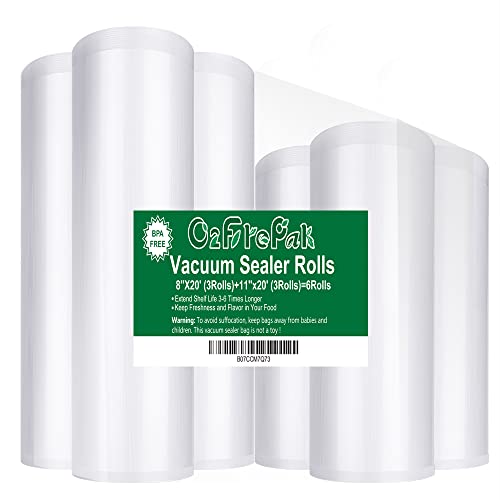
O2frepak 6-Roll 8 x 20 and 11 x 20 ft Vacuum Bags
Inside Each Recommended Option
Cookie samples, jewelry pieces, and snack portions rarely need gallon-size protection. This set meets those lighter-duty needs with three pouch dimensions and transparent front windows that make the contents easy to identify without opening the package.
Each pouch has a three-layer composite construction and a resealable zipper. That format suits craft fairs, gift baskets, and pantry labeling, although it doesn’t replace a vacuum sealer for frozen or moisture-sensitive foods.
A Few Highlights
- Three sizes handle tiny samples through larger snack portions.
- Windows speed up sorting and presentation.
- The 300-count supply reduces constant replenishment.
- Resealable closures suit frequently revisited packages.
Things To Consider
- Zipper bags are not vacuum-sealing bags, so bulk freezer storage is outside their role.
- Repeated compression may create creases that interfere with a clean presentation.
Core Details
Made For
Crafters, small food businesses, and households organizing samples, jewelry, cookies, or portioned snacks benefit most.
Another Choice May Suit
Home cooks using a vacuum-sealing machine will find O2frepak 150ct Vacuum Bags more practical for freezer portions.
Pre-cut bags remove the measuring and cutting step from a weekly meal-prep routine. This 150-count assortment covers pint, quart, and gallon volumes, making it easier to keep a soup, cooked vegetables, or a portion of meat in the same supply drawer.
Embossed channels, ridges molded into the bag, help the machine remove air while forming the seal. Compared with Funnyleaf’s zipper pouches, these bags are built for equipment-assisted sealing, but they still require a compatible clamp-style vacuum sealer.
What Earns Its Place
- Mixed capacities simplify portioning across several meals.
- Pre-cut sizing reduces preparation and wasted material.
- Embossed channels support consistent vacuum and seal formation.
- The material is listed for cooking, freezing, dishwashing, microwaving, and boiling.
Minor Gripes
- A vacuum-sealing machine is required for this workflow.
- Single-use bags create additional kitchen storage needs compared with reusable containers.
Right Fit For
Beginners with a clamp-style vacuum sealer benefit from the ready-made sizes and straightforward meal-prep process.
Reach For A Different Pick When
Large pantry reserves call for SHXWELL 30-Pack 1-Gallon 15-Mil Mylar Bags rather than freezer-oriented vacuum bags.
The doubled count makes more sense than the smaller O2frepak assortment for households sealing food several times each week. This set distributes the bags evenly, with 100 each in pint, quart, and plus-quart sizes, so common portions don’t consume the largest format.
Each 6 x 10, 8 x 12, or 10 x 13 inch bag is made for clamp-style vacuum-sealing machines. The material is listed as suitable for cooking, freezing, dishwashing, microwave use, and boiling, which broadens its usefulness across a busy kitchen.
Everyday Wins
- The 300-count supply supports frequent meal preparation.
- Three balanced sizes reduce reliance on gallon bags.
- Pre-cut bags keep portioning consistent and fast.
- The assortment works for raw or cooked foods.
- Flame-layer construction supports multiple kitchen applications.
Practical Considerations
- The sealer’s chamber must accommodate the 10 x 13 inch size.
- Unused bags need a clean, dry drawer or box to prevent sticking and contamination.
Specification Snapshot
Built With In Mind
Meal-prep households and frequent freezer users gain the most from an even, high-volume size assortment.
A Better Fit Elsewhere
Compact shelves favor O2frepak 3-Pack 11 x 20 ft Vacuum Bag Rolls, which stores flat until needed.
Presentation matters more for soap samples, lip products, and small packaged goods than it does for a month of pantry meals. The black holographic finish, clear window, and resealable zipper give this ZRLEI pouch a more display-ready profile.
The listed 4 x 6 inch measurement describes the usable interior, excluding the zipper and sealed edge. That distinction is useful during ordering because the outside footprint is larger, and I’d expect a little extra room to matter most for irregularly shaped items.
Strengths Worth Knowing
- The window keeps contents visible during sorting and display.
- One 4 x 6 inch size simplifies packaging calculations.
- Resealable bags suit samples that may be opened in several stages.
Trade Offs
- The single format is less flexible than Funnyleaf’s three-size assortment.
- Presentation pouches aren’t sized for gallon quantities or vacuum-sealing machines.
- Sharp or heavy contents may stress the zipper during transport.
Who Will Love This
Small businesses, soap makers, and crafters who want coordinated packaging for compact products benefit most.
Where A Sibling Pick Shines
Funnyleaf 300-Pack Red Holographic Window Mylar Bags offer more size flexibility for mixed samples and snack portions.
Custom lengths solve the awkward middle ground between pre-cut bags and full-gallon pouches. Two 11-inch-wide, 50-foot rolls give 100 feet of material, letting home cooks cut a small snack bag one day and a large freezer portion the next.
At 4 mil, the material is thinner than SHXWELL’s 15-mil laminated pouches, but that difference reflects a different job. These rolls prioritize flexible portioning and equipment-assisted sealing rather than thick, layered pantry packaging.
Noteworthy Benefits
- Custom cutting reduces wasted material around irregular portions.
- Two rolls provide a substantial continuous supply.
- The 11-inch width works with clamp-style vacuum sealers.
- Embossed channels support vacuum removal and sealing.
Details To Watch
- Cutting each bag adds a preparation step compared with ready-made pouches.
- Rolls need careful handling so the material doesn’t crease before use.
Feature Breakdown
Whose Shelf It Belongs On
Home cooks with varied portion sizes and a clamp-style vacuum sealer gain the most flexibility.
Not Your Match When
Simple zipper closure suits Funnyleaf 300-Pack Red Holographic Window Mylar Bags better than roll material for quick sample packaging.
Large dry-goods reserves call for more material than a standard vacuum bag provides. These gallon pouches use a three-layer structure of PET, aluminum foil, and polyethylene, with 7.5 mil on each side for a stated total of 15 mil.
The zipper provides a resealable option, while the supplied oxygen absorbers add another storage component. I’d pay closer attention to proper sealing and storage guidance than to the bag count alone, since each absorbent packet adds another item to track and store.
What Helps Most
- Heavy layered construction suits substantial dry-food portions.
- Gallon capacity reduces the number of packages needed for a reserve.
- Forty absorbers support organized long-term storage setups.
- The zipper offers a reusable closure after opening.
Points To Note
- Heat sealing requires compatible tools and careful technique.
- The 30 bags and 40 absorbers create a bulkier supply.
Key Product Details
The Right Fit
Households organizing substantial dry-food reserves benefit from the thicker material and gallon capacity.
Skip It When
Frequent freezer meal prep favors O2frepak 150ct Vacuum Bags, Pint/Quart/Gallon because they are already sized for clamp-style sealers.

Storing 60 feet of vacuum material in three separate rolls reduces the loose bulk created by one long roll. The 11 x 20 foot dimensions are easy to divide mentally, which makes the supply approachable in an apartment kitchen or compact pantry.
Embossed channels help direct air removal during use, while the material is listed for several common cooking and storage applications. Compared with the 50-foot O2frepak rolls, this package trades total material for easier organization and slightly more manageable cutting lengths.
Useful Strengths
- Three rolls simplify storage and handling.
- Sixty total feet cover repeated custom portions.
- The 11-inch width fits clamp-style vacuum sealers.
Some Limits To Know
- Every portion still needs to be measured and cut.
- The 11-inch material may be wider than a compact sealer can accept.
- Roll storage should stay dry to prevent the material from sticking.
Who Should Grab It
Apartment residents and occasional vacuum-sealing users benefit from the short, portable rolls.
Another Choice May Suit
Frequent meal prep calls for O2frepak 300ct Pint, Quart and Plus Quart Bags, which removes the cutting step.
One roll width rarely handles every food shape. This set pairs three 8 x 20 foot rolls with three 11 x 20 foot rolls, allowing narrower items to occupy less material while larger portions still have enough width for a seal.
That flexibility makes the package useful for mixed meal-prep households, and the listed compatibility spans vacuum-sealer types more broadly than the clamp-style wording attached to several other O2frepak options here. As with all roll material, accurate cutting and a clean sealing surface remain important.
A Favorable Mix
- Two widths suit narrow and broad food portions.
- Six rolls keep separate lengths organized.
- The material supports vacuum-sealing use across machine types.
- Embossed channels assist air removal and seal formation.
Possible Compromises
- More rolls require more storage space than a compact precut assortment.
- Custom cutting adds time during weekly food preparation.
Technical Reference
Built With In Mind
Mixed-size meal-prep households gain a practical balance of narrow and wide material.
Consider Something Else When
Small-space storage favors O2frepak 3-Pack 11 x 20 ft Vacuum Bag Rolls because it uses half as many rolls.
Choosing The Right Pouch Format
Capacity should lead the decision. Small samples and snack portions call for 3 x 4.7 inch or 4 x 6 inch pouches, while freezer meals and pantry reserves need quart or gallon formats. Measuring the food and the intended receiving space prevents awkward underfilled or overfilled packages.
Closure style follows next. A zipper supports repeated opening and closing, while a heat-sealed strip is better suited to storage that will not be accessed often. Vacuum-sealer bags rely on a separate machine to remove air and secure the seal, so the equipment must match the bag format and opening width.
Thickness and construction determine handling. A 4-mil roll bends around varied portions, while a 15-mil layered pouch offers more rigidity for larger dry-food reserves. My practical rule is simple: choose the lightest workable structure for the job, since extra material adds little to a tiny sample pouch.
Bag Dimensions
Interior dimensions are often more useful than the listed footprint for judging capacity. Zippers and edge seals can reduce usable space, so a pouch listed as 4 x 6 inches may require extra clearance on a shelf or inside a drawer.
Material Layering
A multi-layer pouch combines plastic and foil-like barrier material. That structure helps limit exposure to oxygen, moisture, and odors, but correct sealing remains essential because appearance alone doesn’t confirm an intact closure.
Storage Area
Pre-cut bags are convenient to grab, while rolls occupy less space until they are cut. Six separate rolls, such as those in the O2frepak mixed-width set, can still require meaningful cabinet space, so open shelves and deep drawers benefit from a quick space check.
Common Sense Checks Before Ordering
Mistakes Worth Dodging
A common mistake is choosing by capacity alone while overlooking the sealer’s chamber width. Another is treating every holographic pouch as a long-term food bag, even though window packaging often prioritizes appearance and zipper access. I also check whether the stated size is interior or exterior, since that small distinction affects shelf and equipment fit.
What The Extra Material Provides
Thicker or layered material costs more because it adds structure and a stronger barrier stack. That upgrade matters most for larger dry-food reserves, heavier portions, and long gaps between opening a package; it offers little practical advantage for lightweight samples that will be used quickly.
Frequently Asked Questions
Are Mylar Bags Suitable For Vacuum Sealing?
Only bags labeled for vacuum sealing can be used in a vacuum chamber. Holographic zipper pouches without vacuum-sealing compatibility are intended for manual closure.
Which Size Fits A Vacuum Sealer?
Measure the machine’s sealing chamber or bag-opening width first. The bag must enter the chamber and leave enough space around the seal for the lid to close properly.
Are Larger Bags Always Better?
Larger capacity helps with bulkier food, but it also increases material use and storage needs. A smaller pouch reduces waste for samples, snacks, and short portions.
Can These Bags Be Reused?
That depends on the bag design and condition. A clean zipper pouch may reopen several times, while sealed or vacuum-packed storage is usually opened once and replaced after use.
What Matters Most For Long-Term Storage?
A compatible closure, intact material, and proper preparation matter most. Food condition, handling, and storage conditions also influence how long a package remains suitable.
The Takeaway
The strongest all-around option is O2frepak 6-Roll 8 x 20 and 11 x 20 ft Vacuum Bags for flexible portion sizing, while SHXWELL 30-Pack 1-Gallon 15-Mil Mylar Bags suit substantial dry-food reserves. I’d choose Funnyleaf or ZRLEAF for samples and presentation, and reach for precut O2frepak bags whenever convenience matters more than custom cutting.