

Good olive oil can handle a quick pan sauce, roast a tray of vegetables, or finish a bowl of beans with a distinctly peppery note. I’ve organized eight options by flavor, origin, format, and cooking role, from high-phenol Italian oil to garlic-infused and citrus-forward bottles. Daily cooks get broad choices here, while people with more specific tastes can select an oil that suits a particular dish.
A Quick View Of The Lineup

SEASON Organic Extra Virgin Olive Oil 500 mL

ENTIMIO Ardente Organic Italian EVOO, 16.9 fl oz

SEASON Desert Olive Tree Pearls 100 g

SEASON Organic Olive Oil 500mL 2-Pack

Lucini Italia Robust Garlic EVOO 2-Pack
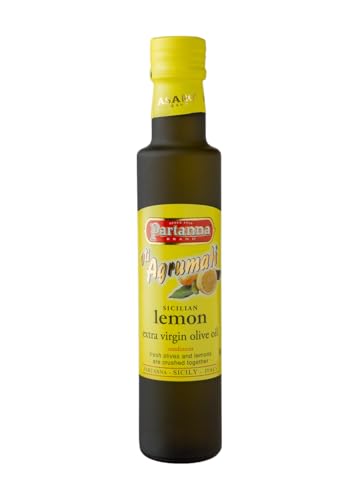
Partanna Lemon EVOO 8.45 oz

COLAVITA EVOO 68 fl oz

COLAVITA Mediterranean Extra Virgin Olive Oil, Cold Pressed Blend, 1 L
Taking A Closer Look At The Options
SEASON presents this as a finishing oil rather than an all-purpose workhorse. The single-origin Moroccan bottle suits salads, grain bowls, bread, pasta, and vegetables, where a final drizzle carries more visual and aromatic appeal. I favor this style for weekday lunches because the oil can arrive at the table without requiring a separate cooking step.
The 500 mL format looks practical rather than decorative, although finishing oils can disappear quickly in a busy household. Compared with the full-bodied COLAVITA Mediterranean blend, this option puts origin and finishing character ahead of broad culinary matching. Its peppery intensity may not suit a mild salad, in my view.
Real-World Strengths
- Single-origin Moroccan sourcing gives pantry cooks a defined provenance.
- The finishing format suits bread, pasta, vegetables, and composed salads.
- First cold pressing provides a clear production method without needless complexity.
- Organic sourcing appeals to cooks who compare labels closely.
Things To Consider
- The stated hydroxytyrosol level may produce a more assertive flavor than neutral finishing oils.
- Open bottles should be kept cool and dark because repeated warmth and light can diminish their character.
Core Details
Who Will Love This
This bottle fits salad-forward cooks and beginners assembling an olive-oil pantry with one clear finishing option.
Where Another Pick Shines
COLAVITA Mediterranean Extra Virgin Olive Oil is the better fit for households wanting one larger bottle for sautéing, roasting, baking, and dipping.
ENTIMIO Ardente leans into early-harvest Italian character rather than a neutral supermarket profile. Its listed notes of green olive, tomato, artichoke, and pepper make it interesting for raw vegetables, grilled seafood, and bean dishes, where flavor carries through. I’d favor it for cooks who enjoy bitterness at the back of the throat rather than seeking a buttery substitute.
The stated polyphenol level exceeds 600 mg/kg, and its acidity is listed below 0.25%. Those details matter to label-conscious cooks, although high polyphenol content also signals a more forceful tasting experience than SEASON Organic Extra Virgin Olive Oil may offer. The 16.9 fl oz bottle is substantial enough for regular use, not merely a tasting portion.
The Value In It
- The high polyphenol specification supports shoppers comparing measured compounds.
- Early harvest and cold extraction suit cooks seeking a pronounced green profile.
- Italian origin gives the bottle a clear regional identity.
- The larger format reduces the need for frequent pantry replenishment.
Trade Offs
- Its green, peppery finish can overshadow very delicate dressings or plain pasta.
- Storage remains important because light, heat, and air work against the vivid flavors shoppers seek here.
Feature Snapshot
Built With In Mind
Flavor-focused cooks and experienced olive-oil users benefit most from its deliberately intense Sicilian profile.
Another Choice May Suit
Partanna Lemon EVOO better serves cooks who want a bright citrus note instead of ENTIMIO Ardente’s pronounced pepperiness.
SEASON Desert Olive Tree Pearls belong beside olive oil, not in the pan. These are whole, organic olives from desert-grown trees, portioned into a compact 100 g format. I see them as a snack, tasting component, or table addition for people who enjoy eating olives but dislike cracking open a large jar every time.
The 3.5 oz package travels more easily than the 16.9 fl oz bottles elsewhere in this lineup, though that convenience comes with less product. Unlike SEASON Organic Extra Virgin Olive Oil, these pearls cannot season sautéed vegetables or dress a grain bowl as a liquid. Their compact nature makes them a specialty choice rather than a true cooking-oil substitute.
Strong Points
- Individual olives remove the jar-opening and draining routine.
- The resealable 100 g format suits lunches, tasting, and small portions.
- Organic olives provide a clear alternative to loose pantry snacks.
Small Caveats
- They offer no liquid oil for marinades, dressings, or pan cooking.
- The compact package may disappear quickly during frequent snacking.
- Olive brine can add saltiness, so portioning and dietary preferences matter.
Made For
Commuters, picnic planners, and casual snackers benefit from the compact serving format.
Swap It Out When
COLAVITA EVOO 68 fl oz is the better fit for daily dressings and stovetop recipes that require a free-flowing oil.
Two 500 mL bottles make this SEASON set easier to divide across a kitchen and a second household. The mild, balanced profile is aimed at sautéing, roasting, and baking, where a delicate flavor can stay behind other ingredients. I prefer that restraint for family meals that need to accommodate several tastes.
Both bottles come from first-cold-pressed, single-origin Moroccan olives and carry organic sourcing. Compared with ENTIMIO Ardente, the cooking emphasis and milder character should be more versatile across weeknight recipes. The tradeoff is limited subtlety for people who actively seek green, peppery tasting notes.
Well-Handled Touches
- Two bottles make stocking and bottle rotation more convenient.
- The mild profile suits vegetables, roasting, sautéing, and baking.
- Single-origin sourcing keeps the production story easy to understand.
- Organic sourcing supports label-focused shopping.
Practical Considerations
- Two 500 mL containers may occupy more cabinet space than one larger bottle.
- The listed polyphenol content is less specific than ENTIMIO Ardente’s measured value.
- Open oil needs protection from heat and light for dependable storage.
Quick Facts
The Right Fit
Frequent home cooks benefit from the two-bottle reserve and restrained flavor across mixed-dish meals.
Look Elsewhere When
ENTIMIO Ardente suits experienced cooks who prefer a peppery, high-polyphenol profile over SEASON’s balanced cooking style.
Garlic already has a place in a crowded pantry, so Lucini’s infused oil removes the work of preparing an aromatic garlic component. It fits marinades, grilling, roasting, and bread dipping, especially for cooks who want deep savory flavor without a separate chopping step. Two 250 mL bottles also make quantity more practical for frequent use.
Unlike the pure single-origin oils in this lineup, the flavor comes partly from added garlic essential oil rather than olive character alone. That is the central appeal and compromise. I’d keep it beside SEASON Organic Olive Oil rather than use it everywhere, because a plain oil gives bakers and salad makers more control.
What Pays Off
- Infused garlic reduces preparation time for marinades and roasts.
- The robust flavor works well with meat, vegetables, and bread.
- Two 250 mL bottles offer convenient pantry reserves.
- The lemon option highlights a useful flavor alternative.
Where It May Fall Short
- Garlic flavor can overpower subtle oils, dressings, and delicate seafood.
- Infused oil is less flexible than plain extra virgin olive oil for general cooking.
- Garlic and olive odors can linger on nearby utensils and surfaces.
Who Should Grab It
Garlic-loving grillers and weeknight cooks benefit most from the built-in aromatic seasoning.
A Better Fit Elsewhere
COLAVITA Mediterranean Extra Virgin Olive Oil better serves minimalist cooks who want oil flavor without a pronounced garlic infusion.
Partanna’s citrus oil is made by crushing olives together with fresh Sicilian citrus, producing a more integrated flavor than oil with a little lemon added afterward. That co-crushed format suits dressings, grilled fish, roasted poultry, and vegetables, where the oil contributes acidity and aroma at once. I find it especially natural for dishes that already contain lemon.
The 8.45 oz bottle is much smaller than COLAVITA’s 1 L option, so replenishment matters for a household using it regularly. It also has a narrower role than SEASON Organic Olive Oil 500mL 2-Pack, which is built for quieter cooking applications. The bright profile is its point rather than a defect, but cooks seeking a neutral pantry staple may find it too conspicuous.
Why It Works Well
- Co-crushed olives and citrus create a more integrated flavor profile.
- The bright finish complements fish, salads, and roasted vegetables.
- Sicilian citrus gives the bottle a distinctive regional identity.
Potential Drawbacks
- The 8.45 oz size may be small for high-volume daily cooking.
- Citrus flavor can overpower mild beans, grains, or baby vegetables.
- Light and heat remain relevant storage concerns for any opened oil.
Feature Breakdown
Right Fit For
Fish-focused home cooks and citrus enthusiasts benefit from its distinctive co-crushed profile.
Consider Something Else When
SEASON Organic Olive Oil 500mL 2-Pack is the better fit for high-volume sautéing and baking.
COLAVITA’s 68 fl oz format suits households that go through olive oil quickly. The Italian blend offers a smooth, balanced taste intended to move between salad dressings, pasta, vegetables, and routine cooking without dominating each dish. I prefer that broad remit for a family kitchen where one bottle handles most daily tasks.
First-cold-pressed processing is the central production detail, but the emphasis is balance rather than the measured polyphenol level offered by ENTIMIO Ardente. Compared with Partanna Lemon EVOO, this bottle is the quieter choice. The larger quantity is convenient, though it occupies more pantry space and doesn’t provide the same level of single-crop storytelling.
What Stands Out
- The 68 fl oz bottle supports frequent household use.
- A balanced profile works across dressings, pasta, and cooked vegetables.
- First-cold-pressed processing provides a clear production detail.
- Italian blending favors consistency over a single regional expression.
Possible Compromises
- No single-origin distinction is stated in the supplied information.
- The large bottle needs more cabinet space than specialty formats.
- Neutral balance may disappoint shoppers seeking pronounced peppery notes.
Whose Shelf It Belongs On
Busy family kitchens benefit most from a generous bottle with a restrained everyday profile.
Reach For A Different Pick When
ENTIMIO Ardente Organic Italian EVOO better serves cooks who prioritize measured polyphenols and a stronger peppery finish.
COLAVITA’s Mediterranean blend brings together olives from Italy, Greece, Spain, Tunisia, Turkey, and Morocco. The full-bodied flavor has fruit-forward bitterness and an almond finish, giving it more presence than a neutral pantry oil without reaching the peppery intensity of ENTIMIO Ardente. That middle ground works well across sautéing, roasting, baking, dressings, and dipping.
The 1 L container makes this a practical reserve for frequent cooks, though its size creates the same storage consideration as COLAVITA EVOO 68 fl oz. Compared with SEASON Organic Olive Oil 500mL 2-Pack, it offers broader sourcing and a more robust flavor, while the two SEASON bottles split the reserve into separate containers. Either approach can work; cabinet space usually decides.
The Upside
- Six Mediterranean olive origins create a broad blend.
- The full-bodied profile works across heat and raw applications.
- Almond and fruit notes complement roasted vegetables and pasta.
- The 1 L format supports high-volume household cooking.
Details To Watch
- The full-bodied taste may feel strong in a very light dressing.
- A 1 L container requires a cool, dark storage area.
- The blend offers less single-origin specificity than the Moroccan SEASON options.
Best Suited To
Frequent cooks who want one robust bottle for everyday heat, serving, and finishing benefit most from this blend.
Not Your Match When
SEASON Organic Extra Virgin Olive Oil 500 mL better serves shoppers who want a lighter finishing profile and single-origin sourcing.
What Matters Most Before Choosing Olive Oils For Cooking
Match the Flavor to the Dish
A neutral, balanced bottle works well for baking, family meals, and dishes with multiple seasonings. Green, peppery oils suit beans, grilled vegetables, and stronger cheeses, while citrus- or garlic-infused options belong in more specific preparations. I choose the bottle after deciding what flavors the dish already contains.
Check Origin and Processing
Single-origin oils make regional provenance easier to understand, while blends can provide a more consistent pantry profile. Cold pressing identifies an extraction method, but origin, harvest timing, and flavor descriptions still matter. Labels with measured polyphenol content appeal to cooks comparing a specific technical attribute.
Choose the Bottle for the Routine
Small bottles suit finishing oils that remain exposed to air during regular use. Large formats fit busy kitchens where oil handles sautéing, roasting, and serving several times a week. Two-bottle packs can provide storage separation, though the total quantity still needs a cool, dark cabinet.
Avoid Common Olive Oil Shopping Traps
Mistakes Worth Dodging
A bottle marketed only as premium may not disclose enough useful information. I compare origin, processing, format, and intended flavor instead of relying on broad promotional language. Another common trap is choosing a strongly flavored oil for a delicate dressing, where its character can quickly become the dish’s dominant note.
What Separates Premium From Basic
Premium positioning may reflect single-origin sourcing, early harvest, measured polyphenols, or more precise production details. Those traits can benefit shoppers who value provenance or intense flavor. A larger or blended bottle may offer better practical value for routine cooking, especially when neutrality and consistent availability matter most.
Frequently Asked Questions
Is extra virgin olive oil suitable for sautéing?
Extra virgin olive oil works well for sautéing at appropriate cooking temperatures. Oils with robust or peppery profiles suit strong dishes, while balanced bottles may fit milder ingredients better.
Which olive oil is best for finishing salads?
Finishing oils benefit from origin, acidity, and a fresh tasting profile. SEASON Organic Extra Virgin Olive Oil 500 mL is designed specifically for drizzling, while Partanna Lemon EVOO suits salads that need pronounced citrus character.
Can olive oil replace other cooking fats?
Olive oil can add fruitiness, richness, and a different cooking texture. Substitution depends on the recipe, because garlic or citrus infusions may change the dish more than a plain oil.
How should olive oil be stored?
I store opened oil in a cool, dark cabinet and avoid prolonged exposure to heat or light. Infused products can leave strong aromas in bottles and nearby utensils.
Should finishing oil and cooking oil be different?
Separate bottles give more control over flavor and usage. A finishing oil can be vivid and peppery, while a balanced cooking bottle may be more practical for sautéing, roasting, and baking.
Final Thoughts
The right choice depends less on a single prestige label than on the work the bottle will perform. I favor SEASON for focused finishing or cooking roles, ENTIMIO for intense early-harvest flavor, Lucini for garlic marinades, and COLAVITA for generous everyday formats. The best fit is the bottle whose flavor and size match the meals already happening in the kitchen.