

Sautéing rewards an oil with a balanced flavor, enough body to carry aromatics, and a texture that cooperates with heat. I prioritize extra virgin oils for vegetables, seafood, and weeknight pasta, while a mild traditional olive oil makes more sense for high-heat frying or cooks who prefer a quieter flavor. Bottle size, origin, and storage needs matter too, especially in a busy kitchen where oil is used every day.
Your Options, Compared
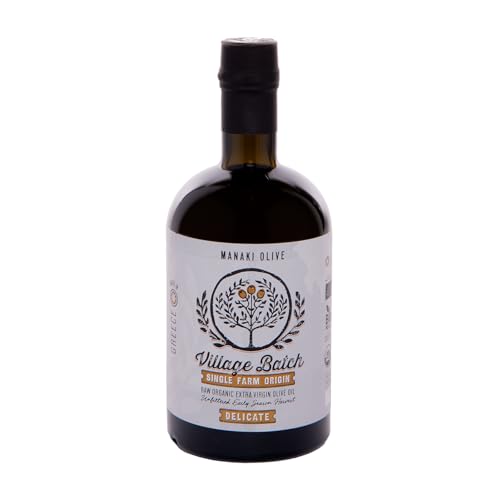
Village Batch Manaki Organic Extra Virgin Olive Oil 16.9oz

Paesano Organic Extra Virgin Olive Oil 25 Fl Oz

Botticelli Extra Virgin Olive Oil, Gold

P.J. KABOS High-Phenolic Organic Greek Olive Oil 16.9oz

Colavita First Cold Pressed Olive Oil 68 Fl Oz

Colavita Mediterranean Extra Virgin Olive Oil 34 Fl Oz

Colavita Premium Italian Extra Virgin Olive Oil 68 Fl Oz
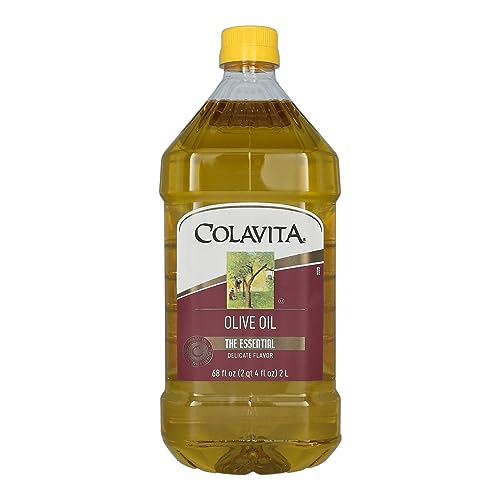
Colavita Olive Oil 2Lt 68 Fl Oz Plastic Jug
The Strengths Of Each Pick
Village Batch brings a more expressive profile to the skillet than most neutral pantry oils. Its Manaki olives come from Arcadia, Greece, giving sautéed greens, tomatoes, and mild fish a distinctly regional character. The buttery, smooth character may feel too fragrant for a simple egg dish, but it works nicely when I want the olive flavor to remain noticeable after cooking.
Unfiltered processing preserves more visible sediment and a fuller aroma, which is useful for cooks who value texture and immediacy. Early harvest is the key term here, meaning the fruit was picked and processed earlier in the season, often with a more concentrated character. That concentration can overpower delicate recipes, so smaller amounts work best.
Everyday Perks
- Single-origin Manaki olives provide a traceable Greek identity.
- Early harvest suits cooks who favor a fuller aroma and mouthfeel.
- Unfiltered oil adds sediment for character-focused users.
- The 16.9-ounce size suits finishing, dressings, and modest sauté portions.
Small Caveats
- The robust flavor can overshadow delicate seafood or lightly seasoned vegetables.
- Natural sediment requires a steadier pour and regular use.
Feature Snapshot
Made For
This bottle fits cooks making Mediterranean vegetables, roasted dishes, and dressings where a pronounced olive character is welcome.
Consider Something Else When
P.J. KABOS High-Phenolic Organic Greek Olive Oil 16.9oz may appeal more to cooks focused on a measured phenolic profile and robust flavor.
Paesano is the concise pantry option in this group, offering organic extra virgin olive oil in a practical 25-fluid-ounce bottle. It suits a single-person kitchen or a couple that cooks regularly without wanting a large jug beside the stove. The supplied information gives no specific origin or tasting notes, so I would treat it as a straightforward choice rather than a promise of a distinctive regional profile.
For sautéing, the extra virgin classification makes it appropriate for moderate heat, where olive flavor can develop without overwhelming the ingredients. A bottle of this size may disappear quickly in a household that makes pasta, greens, and eggs several times each week. The honest limitation is transparency: cooks who compare origin, acidity, or extraction details have less information here.
Well-Handled Touches
- Organic extra virgin format suits everyday Mediterranean cooking.
- The compact bottle fits limited pantry and refrigerator space.
- A 25-fluid-ounce capacity suits couples or lighter cooking schedules.
Details To Watch
- No origin, tasting profile, or processing details appear in the supplied information.
- Frequent sautéing may require a larger bottle with a steadier pour.
Right Fit
This format serves beginner cooks and smaller households seeking a straightforward organic oil without a large-format container.
Another Choice May Suit
Colavita First Cold Pressed Olive Oil 68 Fl Oz serves frequent cooks better through its much larger capacity.
Botticelli brings a fuller aroma and flavor than the sparse Paesano listing, making it easier to judge its role in a pan. Its stated uses include sautéing, roasting, baking, and salad dressings, giving it more visible culinary range. For weeknight vegetables or chicken, that richer aroma can make a simple sauté feel more finished, although a heavy hand may bury subtler seasoning.
The oil is presented as a gourmet pantry staple made under International Olive Oil Council standards, which provides a useful production framework. A 33.8-ounce format sits between compact bottles and large family jugs, so it should remain manageable for couples or medium households. Compared with Village Batch, Botticelli appears less focused on a named regional identity and more on broad kitchen usefulness.
Notable Upsides
- A rich aroma gives sautéed vegetables and meat a fuller finish.
- The same bottle works for cooking, baking, and dressings.
- International Olive Oil Council standards add a clear production reference.
Practical Considerations
- The richer taste may need careful dosing around mild fish or fresh herbs.
- A partially used bottle should be kept cool and dark to preserve its aroma.
Key Specs
Built With In Mind
It suits everyday cooks seeking one expressive oil for sautéing, roasting, baking, and homemade dressings.
A Better Fit Elsewhere
Colavita Mediterranean Extra Virgin Olive Oil 34 Fl Oz offers a similar bottle size with a clearly defined Mediterranean blend and tasting profile.
P.J. KABOS is built for cooks who want measurable composition details rather than a general premium label. Its listing specifies phenolic content of 699 milligrams per kilogram, measured with HPLC, a laboratory method that separates chemical compounds for quantitative analysis. That makes the product more transparent to enthusiasts comparing harvest chemistry, while the robust profile should pair naturally with grilled vegetables, beans, and strongly seasoned dishes.
The 16.9-ounce bottle is compact, and multiple pack configurations appear in the source information. Cold extraction and Greek sourcing reinforce its identity as a character-focused oil rather than a neutral frying base. In a busy kitchen, though, the smaller bottle may run out quickly, particularly for someone sautéing vegetables most evenings.
What It Does Well
- The 699 mg/kg phenolic figure gives shoppers a precise composition reference.
- HPLC analysis adds transparency beyond broad origin claims.
- A robust style suits legumes, greens, and richly seasoned dishes.
- The 16.9-ounce size simplifies frequent freshness checks.
Trade-Offs To Consider
- Its robust character may be too assertive for subtle recipes.
- The smaller format can disappear quickly in a daily sauté routine.
Technical Highlights
Who Will Love This
This bottle serves olive oil enthusiasts and experienced cooks who value measured phenolic content alongside robust flavor.
Reach For A Different Pick When
Botticelli Extra Virgin Olive Oil, Gold fits cooks who prefer broad culinary use over a phenolic-focused presentation.
Colavita First Cold Pressed Olive Oil 68 Fl Oz is built around the practical needs of a kitchen that uses oil every day. Cold pressing refers to extracting oil through mechanical pressure without heat, a method associated with retaining the olives’ natural character. The source describes a smooth, balanced Italian blend, which makes it more versatile than the sharper, single-origin options earlier in this list.
That 68-ounce capacity is the real advantage for frequent cooks. It reduces the need to replace bottles during a week of pasta, roasted vegetables, eggs, and grilled fish, though the large container needs a stable cupboard or counter space. Compared with Village Batch, this Colavita is less about expressive finishing character and more about staying in rotation without fuss.
What Helps Most
- The 68-ounce capacity supports frequent home cooking.
- A balanced Italian blend works across vegetables, pasta, baking, and dressings.
- First cold pressing preserves a straightforward extra virgin character.
Points To Note
- The large format demands more pantry or counter storage.
- Cooks seeking a distinctive single-region flavor may prefer Village Batch.
- Wide openings on large oil jugs can make measured pouring less precise.
Made For
It fits high-use households, meal-prep cooks, and busy family kitchens that want a large bottle of balanced extra virgin olive oil.
Look Elsewhere When
Paesano Organic Extra Virgin Olive Oil 25 Fl Oz is a more manageable fit for a single-person kitchen or compact pantry.
This Colavita blend draws olives from Italy, Greece, Spain, Tunisia, Turkey, and Morocco, creating a broader Mediterranean identity than a single-country bottle. Its full-bodied texture, fruit-forward bitterness, and almond finish should give sautéed greens or roasted peppers a rounded flavor. The slight bitterness is intentional within extra virgin olive oil, though cooks sensitive to bitterness may prefer the gentler first Colavita option.
The 34-ounce bottle feels like a sensible middle ground for everyday cooking. It handles sautéing, roasting, baking, dressings, and dipping, giving it broader use than a specialty finishing oil. The blend may appeal less to cooks who want a traceable harvest from one region, but the stated sourcing creates a clear alternative approach.
Practical Pluses
- Six-country sourcing gives the blend broad regional variety.
- A full-bodied texture suits robust vegetable and meat sautéing.
- Almond notes pair naturally with roasted dishes and greens.
- The 34-ounce format handles several kitchen applications.
Possible Compromises
- Fruit-forward bitterness may not suit every palate.
- Multi-origin sourcing offers less single-terroir specificity.
Quick Facts
Perfect Match For
It suits home cooks who want a flavorful, full-bodied oil for vegetables, roasting, and salad dressings.
Where A Sibling Pick Shines
Village Batch Manaki Organic Extra Virgin Olive Oil 16.9oz serves cooks who prefer single-origin Greek character over a blended profile.
Colavita’s 68-ounce Italian jug combines large capacity with a clearly defined country of origin. The source states that its olives are harvested and pressed in Italy, while first cold pressing and a fruity, bitter, peppery profile give the oil a more structured place in the kitchen. For family meals involving roasted vegetables, hard cheese, meat, or seafood, that recognizable Italian identity can be a meaningful advantage over an anonymous blend.
The two-liter format works well for households that prepare several meals each week, but it is excessive for occasional cooks. Its jug construction may be easier to grip than a narrow glass bottle, though the plastic container is less decorative and offers limited portion control. Compared with Colavita First Cold Pressed Olive Oil 68 Fl Oz, this option emphasizes Italian sourcing and a stronger flavor identity.
Useful Strengths
- Italian harvesting and pressing create a defined origin story.
- The 68-ounce jug supports frequent cooking and larger households.
- A fruity, bitter, peppery profile complements meats, seafood, and vegetables.
Less-Strong Areas
- The two-liter size is cumbersome for light cooking schedules.
- A plastic jug offers less serving control than a smaller glass bottle.
- Its robust profile can dominate very mild dishes.
Whose Shelf It Belongs On
It fits family kitchens and experienced cooks who value Italian provenance and frequently sauté or roast food.
Skip It When
Colavita First Cold Pressed Olive Oil 68 Fl Oz is a better match for cooks wanting a similarly large format with a gentler, more balanced profile.
Colavita Olive Oil 2Lt 68 Fl Oz Plastic Jug takes a different route from the extra virgin picks. Its mild, buttery taste is intended to stay out of the way during frying, sautéing, and baking, which makes it useful for recipes where the food, not the olive fruit, should lead. The stated 428°F smoke point provides a clear reason to consider it for higher-heat methods, subject to normal cooking judgment.
Two liters are practical for a restaurant-style home kitchen, large household, or serious baker who measures oil frequently. The plastic format is easy to handle and less fragile than glass, but it stores poorly in sunlight and can make small amounts harder to measure. Unlike the earlier Colavita extra virgin options, this jug sacrifices expressive flavor for a softer, more neutral cooking role.
The Case For It
- A mild taste keeps focus on fish, vegetables, bread, and baked goods.
- The stated 428°F smoke point supports high-heat cooking methods.
- The two-liter capacity reduces replacement frequency in high-use kitchens.
Small Limitations
- Plastic can degrade faster than dark glass when exposed to heat and light.
- The wide jug may encourage imprecise pouring for small recipes.
- Cooks seeking extra virgin flavor will find the profile too restrained.
Feature Facts
Who Should Grab It
This jug fits high-volume home cooks, bakers, and households wanting a mild oil for frying and sautéing.
Another Choice May Suit
Colavita Mediterranean Extra Virgin Olive Oil 34 Fl Oz serves cooks who prefer a smaller bottle with more distinctive fruit and almond notes.
What Matters Before Choosing Olive Oils For Sauteing
Match The Flavor To The Dish
A full-bodied oil with fruit, bitterness, or pepper can complement roasted vegetables, legumes, fish, and strongly seasoned meat. A milder oil lets garlic, herbs, and the main ingredient define the skillet. Extra virgin oils generally suit lower-to-moderate sauté temperatures, while a high-heat recipe may call for a more neutral oil.
Check The Bottle Size
A 16.9-ounce bottle makes regular freshness checks easier, but heavy users may run short. Two-liter jugs suit busy family kitchens, meal-prep routines, and frequent baking, though they require more storage and can make small pours less precise. I choose a size based on weekly cooking frequency rather than assuming the largest container is the most convenient.
Consider Origin And Processing
Single-origin oils can provide a stronger sense of place, while blends may offer a more balanced everyday profile. Cold pressing and unfiltered processing are useful terms to recognize: the first describes mechanical extraction without heat, while the second indicates that some sediment remains. Neither term alone determines the right choice, so flavor preference still matters.
Practical Oil-Selection Details
Mistakes Worth Dodging
Choosing only by bottle size can leave a compact kitchen overstocked or a busy kitchen short on supply. I also avoid assuming a bold oil belongs in every recipe, since a little flavor can become overwhelming over repeated cooking.
What Separates Premium From Basic
Higher-priced oils often provide more specific sourcing, harvest information, composition measurements, or a distinctive flavor profile. The extra cost is most useful for finishing oils and bottles with unusually detailed composition data, not for every pan of sautéed vegetables.
Frequently Asked Questions
Is Extra Virgin Olive Oil Good For Sautéing?
Extra virgin olive oil works well for sautéing at moderate heat and adds aroma and flavor to vegetables, fish, and meat. Very high-heat cooking may suit a refined or higher-smoke-point oil better.
Which Olive Oil Has The Best Flavor For Sautéing?
The preferred flavor depends on the dish. A balanced oil suits everyday cooking, while a robust single-origin oil suits strongly seasoned vegetables, legumes, and grilled dishes.
Should Olive Oil Be Stored In The Refrigerator?
Storage depends on the bottle and kitchen conditions. I keep oil away from heat, light, and air, using refrigeration when the container or storage guidance calls for it.
How Much Olive Oil Is Needed For Sautéing?
The amount depends on the pan, ingredients, and recipe. A thin coating often works for vegetables, while meat or fish may need a slightly more generous addition.
Is A Two-Liter Olive Oil Jug Convenient?
A two-liter jug works well for frequent cooking and large households. Smaller bottles provide easier portion control and fit compact refrigerators or cupboards more neatly.
Final Verdict
I favor Colavita First Cold Pressed Olive Oil 68 Fl Oz for frequent everyday cooking, Village Batch Manaki for expressive Greek character, and P.J. KABOS for cooks who prioritize measured composition. Colavita Olive Oil 2Lt serves high-heat cooking better because its mild profile and stated smoke point suit a different role. The right choice is the one that matches the food, heat level, and storage space in your kitchen.