

Choosing honey for tea, toast, yogurt, or baking is harder than the bottle suggests. The useful details are origin, processing, ingredient count, floral profile, and whether the package suits daily use. I compare these eight pantry options for cooks, snackers, and households that want raw or unfiltered honey without paying for an oversized bottle.
“Raw” indicates honey that has not been pasteurized, while “organic” refers to how the source and production are handled. Neither term alone predicts flavor, so I weigh the honey’s stated origin and texture alongside those labels.
How The Shortlist Stacks Up

WellEatable Sardinian Orange Blossom Honey 8.8 oz

Amazon Grocery Golden Pure Honey 12 oz

Sandt’s Raw Orange Blossom Honey 32 oz

P.R.I Manuka Honey MGO 200+ 500 g
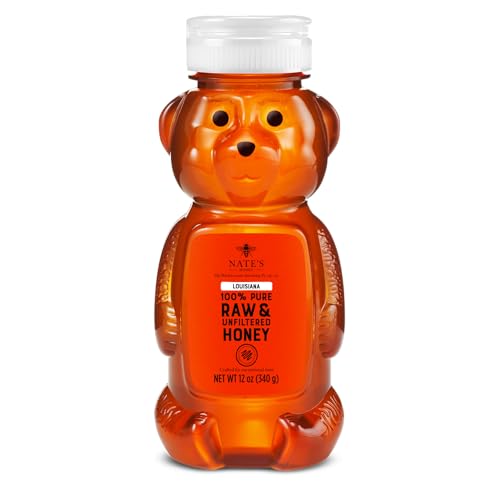
Nate’s Louisiana Honey 12 oz Bear Bottle

Honey In The Raw Organic Honey 14 oz Squeeze Bottle

Nate’s Organic Honey 32 oz Squeeze Bottle

Honey In The Raw Wildflower Honey 16 oz Squeeze Bottle
More Details On Our Top Picks
Sardinia gives this 8.8-ounce jar a stronger sense of place than the straightforward pantry options in the list. A small producer cooperative and orange tree flowers point toward a floral, citrus-tinged style suited to tea, yogurt, toast, and desserts.
The amber-ivory color and balanced sweetness make WellEatable interesting for cooks who want character without an aggressively intense finish. In my view, the smaller size is sensible for a first jar, although households using honey daily may run through it quickly.
Notable Gains
- The orange blossom origin gives the profile a defined floral direction.
- Direct import from Sardinia adds geographic specificity.
- Floral, citrus, and balanced-sweetness notes suit breakfast toppings.
- The 8.8-ounce size is manageable for occasional use.
Points To Keep In Mind
- The compact jar offers less supply than Sandt’s 32-ounce option.
- Raw honey can crystallize, so the bottle may need brief warming in hot water.
- Floral intensity may be too distinctive for someone wanting neutral sweetness.
Core Details
Made For In Mind
This jar fits hosts, breakfast cooks, and bakers who prioritize floral origin and balanced flavor over a large pantry supply.
A Better Fit Elsewhere
Honey In The Raw Organic Honey 14 oz Squeeze Bottle serves frequent users who value portion control over artisan provenance.
Amazon Grocery Golden Pure Honey covers the practical basics without adding ingredients. The 12-ounce format works for tea, granola, oatmeal, salad dressings, and quick bakes, especially in a household that measures honey occasionally rather than every day.
Its simplicity is useful, though the source does not identify a floral source or describe the honey as raw and organic. Compared with WellEatable’s imported orange blossom jar, this option trades provenance and distinct aroma for a familiar, uncluttered ingredient.
Everyday Perks
- A single listed ingredient keeps recipes and labels uncomplicated.
- The 12-ounce bottle fits common pantry spaces without taking over.
- Golden honey suits everyday tea, cereal, fruit, and baking uses.
Small Caveats
- No organic designation appears in the supplied information.
- No raw or unfiltered status is specified.
- Wax-sealed containers can be stubborn to open once the honey cools.
The Right Fit
This bottle is a sensible starting point for casual cooks who prefer a basic sweetener with a short ingredient profile.
Another Choice May Suit
Nate’s Organic Honey 32 oz Squeeze Bottle is a stronger fit for households seeking a larger raw, organic, single-ingredient supply.
Sandt’s combines the floral focus of WellEatable with a much larger 32-ounce format. That scale makes more sense for a family that routinely adds honey to cereal, French toast, tea, fruit, glazes, and salad dressings.
The citrus aroma and raw, unfiltered positioning distinguish it from a general-purpose pantry honey. For me, the main question is whether orange blossom suits the household, since its floral sweetness can feel more specific than a neutral wildflower profile.
What Pays Off
- The 32-ounce size supports frequent breakfast and cooking use.
- Orange blossom creates a clear citrus-floral identity.
- Raw and unfiltered processing appeals to minimally processed pantry goods.
- Its flavor works in dressings, glazes, and desserts as well as tea.
- The larger bottle may reduce the need for frequent replenishment.
Trade Offs
- No organic designation is stated in the supplied data.
- The large size is excessive for occasional use.
- Crystallization is common in unfiltered honey and requires gentle warming.
Who It Suits Best
Sandt’s fits busy families and bakers who want a high-volume orange blossom honey for frequent table use.
Where Another Pick Shines
WellEatable Sardinian Orange Blossom Honey is the neater choice for organic sourcing and a smaller first purchase.
P.R.I sits apart from the floral breakfast options because MGO is a measured activity scale for Manuka honey, rather than a general flavor description. The MGO 200+ specification gives this specialty choice a concrete point of comparison.
Its New Zealand monofloral origin and independent batch analysis suit collectors and enthusiasts who care about documented grading. The 500-gram format is substantial, while low-temperature processing and an unpasteurized status align with interest in minimally processed honey.
What It Does Well
- MGO 200+ offers a specific measure for comparing Manuka honey.
- Exclusive New Zealand sourcing defines its monofloral identity.
- Independent laboratory analysis adds batch-level documentation.
- Low-temperature processing avoids conventional pasteurization.
Honest Caveats
- It is a specialized choice rather than a neutral all-purpose honey.
- The source does not provide a floral flavor description.
- Its 500-gram size and grading make it less economical for casual use.
Technical Highlights
Built With In Mind
This jar fits experienced honey enthusiasts who understand MGO grading and seek a documented monofloral Manuka selection.
Reach For A Different Pick
Sandt’s Raw Orange Blossom Honey is more approachable for cooks seeking citrus aroma and a large family pantry format.
The bear-shaped container changes how honey moves from pantry to breakfast table. Nate’s Louisiana Honey is sourced from Louisiana and U.S. beekeepers, then gently warmed and strained for smoother handling, which fits toast, cereal, drinks, desserts, and marinades.
That handling also means this is not presented as unfiltered, despite the source calling the honey raw. I’d treat it as a practical regional option for controlled portions, while shoppers filtering strictly for unfiltered texture should check the label and description carefully.
Everyday Advantages
- The squeeze cap makes measured pours easier than a spoon.
- Louisiana sourcing gives the product a clear regional identity.
- Gentle warming and straining improve everyday pourability.
- OU Kosher certification broadens suitability for meal planning.
A Few Limitations
- The 12-ounce size is modest for frequent cooking.
- The bottle may be less convenient in the refrigerator.
- Straining means the honey is not unfiltered.
Who Will Love This
The bear bottle is ideal for breakfast hosts, lunch packers, and cooks who favor a small portion-controlled container.
Look Elsewhere When
Honey In The Raw Wildflower Honey 16 oz Squeeze Bottle is the better fit for anyone who specifically wants an unfiltered profile.
Honey In The Raw reduces guesswork through a soft squeeze bottle designed for direct dispensing. Single-sourced honey from Ceará, Brazil, gives the pantry bottle geographic context, while the 14-ounce size works well for coffee, tea, yogurt, toast, and baking.
Gentle warming improves flow without making the bottle a pressure dispenser. The unfiltered presentation may still crystallize over time, yet storage near the stove or in a warm cupboard can make the honey easier to dispense.
Points In Its Favor
- The squeeze bottle provides more control than an open jar.
- Single-origin Brazilian honey adds sourcing detail.
- Nothing is added, supporting a simple ingredient profile.
- The bottle works across coffee, tea, baking, and breakfast use.
Practical Considerations
- Unfiltered honey may crystallize during cooler storage.
- Light pressure may be needed after refrigeration.
- The flavor lacks the floral specificity of orange blossom options.
Feature Snapshot
Built With In Mind
This bottle suits commuters, office workers, and busy households that value quick portioning and single-origin sourcing.
Swap It Out When
Nate’s Louisiana Honey 12 oz Bear Bottle has a more playful container, while WellEatable offers a more defined orange blossom profile.
Nate’s pairs a 32-ounce capacity with the controlled pour of a squeeze bottle. That combination makes it more useful for a high-frequency kitchen than the smaller Nate’s Louisiana jar and less demanding to handle than a 32-ounce traditional bottle.
The source describes the honey as organic, raw, unfiltered, and made from honey alone. A family finishing a bottle in a few months may find that size convenient, but one-person households should consider the slower usage and tighter storage.
Standout Benefits
- Honey is the only listed ingredient.
- The 32-ounce capacity supports regular household use.
- Squeeze packaging reduces drips during casual pouring.
- Organic, raw, and unfiltered traits align with minimalist pantry preferences.
Worth Noting
- The size may be excessive for one or two people.
- Crystallization can interrupt squeezing.
- No specific floral source is supplied.
Important Details
Whose Shelf It Belongs On
This bottle belongs in a busy family kitchen where tea, coffee, breakfast cereal, and baking consume honey regularly.
Consider Something Else When
Honey In The Raw Organic Honey 14 oz Squeeze Bottle is easier to store and gives light-handed users more control.
Golden wildflower honey gives this bottle a broader pantry profile than the two orange blossom entries. The 16-ounce squeeze format is a practical middle ground, large enough for regular use but still manageable for people who do not eat honey every day.
Its single-ingredient formula, gentle warming, and unfiltered presentation keep the setup straightforward. I’d favor it for coffee, tea, toast, and casual baking where a smooth, consistent pour matters more than a tightly documented origin.
Where It Delivers
- The 16-ounce size balances household capacity and storage.
- Golden wildflower honey offers a versatile everyday flavor.
- Honey is the only listed ingredient.
- Gentle warming supports easier squeezing.
- The bottle handles both drizzling and measured pours.
Less-Strong Areas
- No organic designation is stated in the supplied data.
- Wildflower provenance is not identified more precisely.
- Unfiltered honey can thicken or crystallize.
Best Suited To
This bottle suits everyday cooks who prefer versatile wildflower flavor and easy dispensing over a specialized origin story.
A Better Fit Elsewhere
Honey In The Raw Organic Honey 14 oz Squeeze Bottle is the closer match for shoppers who require an organic designation and regional origin.
Choosing Raw Honey by Source, Texture, and Use
The label and the cooking task should drive the decision together. Raw honey varies more widely than “raw” alone suggests, so origin, floral source, filtering, and package format deserve equal attention.
Start With the Floral Profile
Orange blossom honey tends to emphasize floral and citrus notes, while wildflower honey usually provides a more varied profile tied to regional forage. A single-source label can also clarify where the honey came from, but it does not reveal every flavor note before tasting.
Understand Raw and Unfiltered
Raw means the honey has not been pasteurized. Unfiltered means visible material such as pollen remains in the jar, although that distinction may not match personal expectations for texture. Products described as gently warmed or strained, including Nate’s Louisiana Honey, may not satisfy a strict preference for unfiltered honey.
Match Size to Actual Use
A 12-ounce bottle suits occasional tea and breakfast use, while 32-ounce options make more sense for frequent family consumption. Squeeze bottles help with portion control, but they still require room for the entire volume and can become difficult to squeeze as honey cools.
Practical Honey Details Before Choosing
Pitfalls Shoppers Hit
Do not assume that every honey in the pantry is organic or raw; only some listings explicitly provide those attributes. Ignore generic purity claims without origin or processing details, and account for the extra work that crystallization can create during colder months.
What the Higher Tier Buys
Specialty honey costs more for defined characteristics such as a single origin, measured MGO grade, or documented batch analysis. The added expense fits an enthusiast with a specific collection goal, but a larger single-ingredient bottle often gives better value for routine breakfast use.
Frequently Asked Questions
Is All Raw Honey Organic?
No, raw and organic describe different aspects of production. A raw honey listing needs separate organic information before I classify it as organic.
Why Does Raw Honey Crystallize?
Cooler temperatures can cause natural sugars to form larger crystals. Gentle warming in hot water usually loosens it, while direct high heat is less suitable.
Is Unfiltered Honey Better for Baking?
Unfiltered honey is valued for texture and retained natural material, not automatically for baking performance. A strained honey may be easier to measure and combine smoothly.
Which Bottle Is Easiest to Squeeze?
Squeeze bottles give more direct control than traditional containers. Among these options, the 14-ounce and 16-ounce bottles balance portion control with enough capacity for regular use.
What Matters Most for Orange Blossom Honey?
Origin, processing, and package size are the main practical checks. Orange blossom character is most likely to stand out in tea, yogurt, toast, and desserts.
Closing Thoughts
The strongest fit depends on use, processing, and container rather than the word raw alone. Floral drinkers may prefer WellEatable or Sandt’s, measured MGO shoppers have a clear option in P.R.I, and frequent users can weigh Nate’s or Honey In The Raw. A smaller bottle may prove wiser for occasional use, while a squeeze format makes daily pouring more orderly.
