

Oxygen absorbers help manage oxidation inside properly sealed food containers, especially dried grains, flour, snacks, and pantry staples. The real challenge is matching packet size, quantity, packaging, and container volume without creating a cluttered or confusing storage system. I focus on those practical details for home canners, preparedness households, and anyone building a long-term pantry.
A Snapshot Of The Selections

Discount Mylar 500cc Oxygen Absorbers
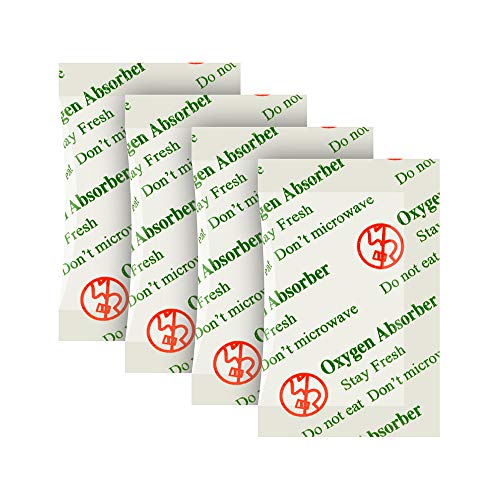
O2frepak 200CC Oxygen Absorbers

UTIJFOY 200cc Oxygen Absorbers

LinsKind 100CC Oxygen Absorbers, 110 Pack
LinsKind 200cc Oxygen Absorbers, 110-Pack
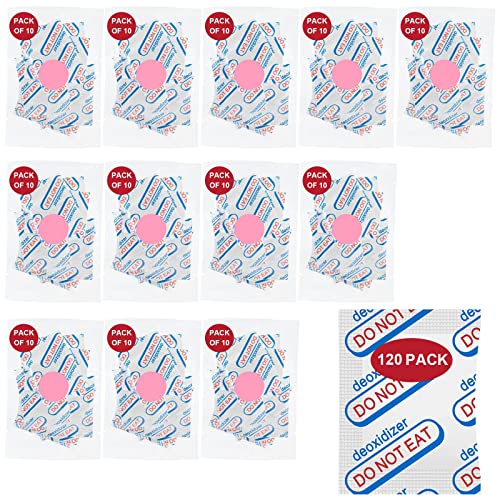
LinsKind 300CC Oxygen Absorbers, 120 Pack

HomArtist 300cc Individually Wrapped Oxygen Absorbers

Dry-Packs 1-Quart Mylar Bags with 100cc Absorbers
The Strengths Of Each Pick
The slow action sets Discount Mylar apart from faster packets that may warm or moisture more noticeably during use. That behavior makes this 500cc format worth considering for larger dry-food containers where I want oxygen control without as much condensation forming on the bag’s interior.
Compared with the 200cc and 300cc options later in this roundup, each packet has greater stated capacity. I’d reserve it for bulk flour, rice, or dry beans rather than a small Mason jar, and I would keep unused packets sealed until each container is ready.
Notable Gains
- Slower action is designed to produce less heat and condensation.
- The 500cc capacity suits roomier food-storage bags.
- A 20-packet count supports repeated pantry or preserving projects.
Worth Noting
- The larger packet may be excessive for small jars or modest portions.
- Slow action requires proper pairing with a sealed, compatible storage container.
Key Specs
Right Fit For
Home canners storing bulk dry goods in large sealed bags benefit most from this higher-capacity, low-condensation format.
A Better Fit Elsewhere
LinsKind 100CC Oxygen Absorbers, 110 Pack is a better fit for Mason jars and smaller containers.
O2frepak centers on a straightforward 200cc packet format supplied in a factory vacuum-sealed pack. For my pantry planning, the 110-piece count is more useful than a tiny starter quantity because dry-food storage often expands through many small batches rather than one large fill.
This option lacks the slower-action distinction of Discount Mylar and the individual wrapping found on HomArtist. Still, the compact 200cc capacity is easier to match with everyday medium-size bags, and factory sealing helps maintain packet condition before storage.
A Few Strong Suits
- The 110-packet supply supports a well-stocked pantry.
- Factory vacuum sealing protects packets before opening.
- The stated 200cc capacity fits medium-size dry-food containers.
Small Caveats
- The shared outer package may be less convenient for occasional small projects.
- Owners commonly need a dry storage location to keep unused packets protected.
Made For
Households building several medium-size food-storage batches appreciate the generous packet count and standard capacity.
Look Elsewhere When
HomArtist 300cc Individually Wrapped Oxygen Absorbers suit staggered projects where opening a shared packet would expose many unused pieces.
The 200-piece count gives UTIJFOY more capacity for repeated seasonal preserving or pantry stocking. I see the appeal in a home kitchen that fills numerous bags in one session, since the larger quantity reduces the chance of running short during a batch project.
Its 200cc format remains more versatile than Discount Mylar’s 500cc packets for medium containers. Unlike LinsKind’s 100cc set, this option offers greater stated capacity per packet, although the final number required still depends on container size, contents, and the storage method.
The Value In It
- A 200-piece quantity supports high-volume food-storage work.
- The 200cc size works across more containers than a 300cc or 500cc packet.
- Food-grade materials are specified for contact with stored food.
Points To Keep In Mind
- A large shared supply needs airtight storage between uses.
- The packet quantity may exceed the needs of a single household batch.
Feature Snapshot
Who It Suits Best
Frequent home preservers and bulk pantry organizers benefit from the large 200-piece supply.
Consider Something Else When
O2frepak 200CC Oxygen Absorbers make more sense for a medium-size collection rather than a very high packet count.
At 100cc per packet, LinsKind is easier to scale down for Mason jars and smaller food-storage bags. I prefer that flexibility for portioning pantry staples into manageable quantities, especially where an oversized 200cc or 300cc packet would occupy more of the available container space.
The set is organized as 11 groups of 10, with each group vacuum-packed according to the product description. That arrangement differs from HomArtist’s one-piece wrapping, but it can still limit exposure by opening only a smaller group rather than the entire supply.
The Helpful Details
- Ten-piece inner groups support incremental pantry packing.
- Individual vacuum bags help organize 110 total packets.
- The oxygen indicator provides a visible status check.
- The 100cc size fits smaller storage spaces.
Practical Considerations
- Each group still contains ten packets that need secure storage after opening.
- The smaller capacity may require more than one packet for a larger container.
Technical Highlights
The Right Fit
Small-batch canners using Mason jars or compact bags benefit from this lower-capacity packet size.
Where Another Pick Shines
LinsKind 300CC Oxygen Absorbers, 120 Pack better serves bulkier dry-food containers that need greater capacity per packet.
The 200cc size gives LinsKind a practical middle ground between compact 100cc packets and roomier 300cc or 500cc formats. For general food-storage planning, I find that middle capacity easier to match with a broad range of pantry containers without defaulting to an oversized packet.
This set shares the same 110-piece quantity as LinsKind’s smaller option, but each packet handles a different space profile. Its main trade-off is packaging detail: the available listing does not emphasize the eleven-group arrangement or the indicator found with the 100CC set.
Why It Works Well
- The 200cc capacity fits many medium-size bags and canisters.
- A 110-piece count handles repeated storage sessions.
- Food-grade material is specified for food-storage applications.
Minor Gripes
- The larger packet can be unnecessary for Mason jars and small portions.
- Unused packets require storage protected from moisture and damage.
- The packaging description offers less visible organization detail than the 100CC set.
Built With In Mind
General-purpose pantry organizers benefit from a packet size that sits between small jars and bulk storage bags.
Swap It Out When
HomArtist 300cc Individually Wrapped Oxygen Absorbers are a better fit for projects that prioritize opening just one packet at a time.
The 300cc format aligns well with quart-scale food storage, where a larger packet can fit the available volume without becoming as oversized as the 500cc Discount Mylar option. I would focus on this choice for one-quart bags filled with dry staples rather than small jars.
Compared with LinsKind 200cc Oxygen Absorbers, 110-Pack, this set raises the stated capacity and includes eight more packets. That makes it a plausible fit for bulk pantry projects, although the absent individual wrapping details may matter more to someone sealing one container at a time.
Where It Helps
- 300cc capacity fits larger dry-food storage spaces.
- The 120-piece count supports regular batch sealing.
- Food-grade material is specified for stored food.
Less-Strong Areas
- The packet size may be excessive for Mason jars and small bags.
- Multiple packets demand careful storage between uses.
- The listing provides less detail about individual packet organization.
Core Details
Who Will Love This
Bulk pantry organizers filling quart-size bags of dry food benefit from the higher 300cc capacity.
Reach For A Different Pick When
LinsKind 100CC Oxygen Absorbers, 110 Pack are easier to match with Mason jars and compact containers.
Individual wrapping is the detail that matters most in HomArtist’s 300cc set. I value that format for a household that fills containers sporadically, since opening the main supply exposes only the packet needed for the current batch.
The 100-piece quantity is substantial, while the 300cc size leans toward larger dry-food bags rather than compact jars. It shares that capacity with LinsKind’s bulk option, but the piece-by-piece sealing offers a different ownership rhythm and may be easier for occasional preserving projects.
Real-World Strengths
- One-piece wrapping reduces exposure to the remaining supply.
- The 300cc format suits larger bags and roomier canisters.
- A 100-piece count supports many repeated batches.
- Food-grade material is specified for food storage.
Possible Compromises
- Individual wrappers create extra material to sort after unpacking.
- The 300cc size can waste space in small Mason jars.
Made For
Occasional preservers who seal containers in separate sessions benefit from keeping unused packets isolated.
Not Your Match When
Discount Mylar 500cc Oxygen Absorbers suit very large dry-food containers that benefit from greater capacity and slower action.
Dry-Packs combines one-quart Mylar bags with 100cc absorbers, which reduces the need to assemble a complete storage setup from separate supplies. I see that convenience in a first-time home-canning project where bag size, closure method, and absorber quantity need to work as a coordinated system.
The multilayer construction combines Mylar with aluminum, and the flexible bags can be heat-sealed with a hot iron. Their one-quart format is smaller than many bulk bags, so pantry organizers working with rice, flour, or powdered ingredients benefit from choosing containers that match the fill volume.
Benefits That Matter
- Bags and absorbers create a coordinated storage set.
- One-quart capacity suits manageable dry-food portions.
- Heat-sealable construction supports a compact storage system.
- Multilayer Mylar and aluminum construction supports durability.
Things That May Matter
- Heat-sealing calls for careful, even iron movement across the closure.
- The one-quart size may require multiple bags for bulk quantities.
- Bag storage should remain flat in a clean, dry place.
Essential Details
Built With In Mind
Beginning home canners benefit from a matched set of one-quart bags and compact absorbers.
Another Choice May Suit
LinsKind 300CC Oxygen Absorbers, 120 Pack better serve larger prebuilt containers requiring higher capacity per packet.
Matching Absorber Size to Storage Volume
Capacity is the first practical filter. A 100cc packet may suit a compact jar or small bag, while 200cc, 300cc, and 500cc formats address progressively larger spaces. I treat the printed capacity as one part of the decision and match it to the actual fill volume, not merely the container’s nominal size.
Packet Quantity and Packaging
A household sealing one large batch each season may need fewer pieces than a family portioning pantry staples into dozens of containers. Individually wrapped packets reduce repeated exposure to the unused supply, while grouped vacuum packaging may be more efficient for frequent high-volume work. I keep unused packets sealed, dry, and away from punctures or tears.
Container Compatibility
Mylar bags, Mason jars, and rigid canisters create different sealing conditions. Oxygen absorbers need a properly closed environment, and excess packet capacity can be inefficient in a small container. Dry-Packs is more convenient for a coordinated first setup, while loose packets offer more flexibility across an existing container collection.
Choosing The Right Storage Packet
Mistakes Worth Avoiding
Choosing by packet count alone can leave a pantry with many packets in the wrong capacity. I check the stated size, container volume, and intended use before purchasing. Another common error is treating an absorber as a substitute for a proper moisture barrier, so container sealing deserves equal attention.
What The Upgrade Pays Off
Higher-capacity packets mainly reduce the need for multiple units in larger storage spaces. Individually sealed packets add convenience by limiting exposure to unused pieces. The useful upgrade depends on the storage routine, not simply on a larger number printed on the box.
Frequently Asked Questions
Are oxygen absorbers the same as desiccants?
No. Oxygen absorbers manage oxygen, while desiccants manage moisture inside sealed storage.
How many absorbers belong in each container?
The appropriate count depends on container size, contents, and the absorber’s stated capacity. I use the product directions and storage-system guidance rather than placing the same number in every jar or bag.
Can absorbers be used in Mason jars?
They can be used with compatible sealed jars, but the required jar-canning process still matters. I follow the absorber and container instructions together.
Do oxygen absorbers replace vacuum sealing?
No. Proper sealing remains essential, including the closure steps required for the chosen storage container.
Are individually wrapped packets easier to store?
They can be, because each unused packet stays isolated until needed. They also create more packaging to organize after a large batch is finished.
Final Verdict
I find the strongest fit depends on storage volume: LinsKind’s 100CC set suits compact containers, the 200cc options handle medium spaces, and the 300CC and 500CC choices address larger bags. Dry-Packs offers the most coordinated starting point with bags and absorbers together, while HomArtist offers the most convenient individual packet access. The right choice is the one that matches capacity, container type, and the actual storage routine.