

Smoking ribs rewards a steady fire and restrained wood flavor. The wrong pellets can crowd out the meat with harsh smoke, while a compatible, balanced blend makes long cook times easier to manage. I narrowed this list around hardwood composition, pellet weight, wood profile, smoker compatibility, and storage needs for backyard cooks and pellet-grill owners.
How The Shortlist Stacks Up

Kingsford Craftsmoke Applewood BBQ Pellets, 20-Pound

Traeger PEL313 Apple Barbecue Pellets

Kingsford Craftsmoke Hickory BBQ Pellets, 20-Pound

Kingsford Craftsmoke Cherry, Hickory & Oak Pellets
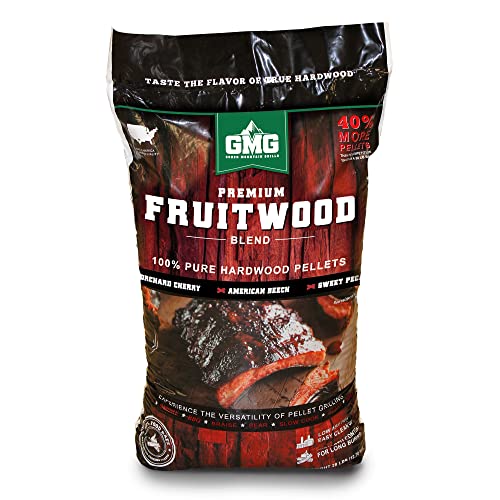
Green Mountain Grills Fruitwood Cherry, Beech & Pecan

Kona Brisket Blend Smoker Pellets for Ninja, 2-Pound

Kingsford Craftsmoke Mesquite BBQ Pellets, 20-Pound

Maxdot 3-Pack 20 lb Pellet Storage Bags
Inside Each Recommended Option
Applewood makes sense for pork ribs because its character can register clearly without turning every hour of a long cook into a hickory fight. The 20-pound package gives backyard cooks a practical amount of fuel for several smoking sessions, depending on grill capacity and cooking temperature.
I see this as a measured starting point for first-time pellet smokers and cooks who prefer the bark and smoke marks to remain distinct. Compared with the stronger Mesquite choice later in the list, the apple profile should feel more restrained, though grill settings can still make the difference.
What Works In Its Favor
- The applewood profile adds mild fruit character that suits ribs rather than masking the pork.
- A 20-pound load supports repeat cooks without requiring several small packages.
- The straightforward hardwood format fits cooks learning to manage pellet-fired smoke.
Small Caveats
- Apple can taste subtle to experienced cooks seeking unmistakable smoke.
- Opening, transferring, and resealing a 20-pound bag needs a dry storage routine.
Key Specs
Who It Suits Best
This pellet fits beginners and restrained-smoke cooks preparing ribs on a compatible outdoor pellet cooker.
A Better Fit Elsewhere
Cooks seeking stronger smoke may prefer Kingsford Craftsmoke Mesquite BBQ Pellets, 20-Pound.
Traeger PEL313 keeps the flavor decision refreshingly direct: applewood, hardwood composition, and a 20-pound package. For someone moving from charcoal or propane, that narrow choice removes the temptation to combine several unfamiliar wood profiles during a first rib cook.
Its uncomplicated composition also makes it a sensible control pellet for a busy patio, where consistent fuel handling matters more than experimenting. Compared with Kingsford Craftsmoke Applewood BBQ Pellets, 20-Pound, the ingredient story is more explicit, though the final smoke intensity still depends on the cooker and settings.
What Earns Its Place
- Hardwood pellets avoid an blended wood profile for cooks who want a clear apple direction.
- No listed fillers or additives simplify the ingredient comparison.
- The 20-pound size suits routine weekend rib smoking and grill maintenance.
Practical Considerations
- Applewood may prove light for cooks accustomed to a stronger smoke signature.
- Some grill hoppers hold less than a full bag, leaving a storage container useful.
- Pellet storage still requires attention to moisture and container closure.
Quick Facts
Made For
New pellet-grill cooks benefit from the single-wood profile and uncomplicated composition.
Another Choice May Suit
Green Mountain Grills Fruitwood Cherry, Beech & Pecan offers a broader sweet blend for mixed-grill households.
Hickory is the dependable middle ground in this group: more assertive than apple, yet less forceful than mesquite. That makes the pellets a natural fit for racks of ribs that need smoke presence without turning the entire cook into a single wood note.
For a backyard smoker operator, the 20-pound package reduces refill frequency compared with smaller bags. I also see this as a useful bridge for cooks moving from Traeger PEL313 Apple Barbecue Pellets toward a fuller barbecue flavor, provided their equipment accepts hardwood grilling pellets.
Useful Strengths
- Hickory delivers familiar barbecue character for a long pork cook.
- The profile should complement rubs and sauces without requiring a delicate smoke setting.
- A 20-pound bag suits households that smoke ribs regularly.
- The wood choice works for vegetables and lighter proteins that share the grill.
Worth Noting
- Smoke may become assertive on a grill with limited airflow control.
- The 20-pound format needs a secure, dry storage plan after opening.
Right Fit For
Intermediate cooks seeking traditional smoky pork flavor will appreciate the hickory-centered profile.
Where Another Pick Shines
Kingsford Craftsmoke Applewood BBQ Pellets, 20-Pound serves cooks who prefer a lighter fruitwood finish.
Three woods make this Kingsford blend more adaptable than the single-style apple and hickory entries earlier. Cherry contributes mild fruit character, hickory supplies familiar smoke, and oak fills out the profile for a balanced result across ribs, poultry, and vegetables.
That flexibility matters in a busy kitchen or backyard setup where the same pellet cooker handles more than brisket or pork. The honest catch is that mixed hardwoods give the cook less direct control than selecting one wood and learning its behavior, especially on a smaller smoker with limited adjustment.
Positive Points
- The three-wood mix offers broader meal flexibility than a single-wood pellet.
- Cherry and oak soften the more familiar hickory character.
- A 20-pound package is practical for households cooking several foods each weekend.
- The balanced direction suits vegetables alongside smoked meats.
Possible Compromises
- The blend offers less flavor isolation than pure apple or hickory.
- Smoke strength still varies with pellet-grill design and settings.
Core Details
Built With In Mind
Multi-food grillers benefit from one blend that can handle ribs, poultry, and vegetables.
Reach For A Different Pick When
Focused cooks should choose Kingsford Craftsmoke Hickory BBQ Pellets, 20-Pound for a clearer wood identity.
Green Mountain Grills takes a sweeter route with orchard cherry, beech, and pecan. Those woods are less about barbecue convention and more about building a rounded profile that can move from ribs to pork chops or grilled produce without leaving the smoker entirely.
I would pair this blend with a straightforward rub rather than an aggressively seasoned bark glaze. Unlike the preceding Kingsford three-wood mix, the distinguishing idea here is fruitwood breadth, with kiln-dried hardwood and lignin used as the pellet binder instead of an added ingredient.
The Case For It
- Cherry, beech, and pecan create a lightly sweet alternative to hickory-led barbecue.
- Kiln-dried hardwood supports a straightforward outdoor fuel format.
- Natural lignin binds the wood without requiring listed additives.
- The blend broadens the menu beyond heavy smoked meats.
- It suits cooks interested in competition-style flavor experimentation.
Less-Strong Areas
- Sweet fruitwood may not satisfy cooks seeking bold hickory or mesquite character.
- The package weight is not established in the supplied information, so capacity planning requires attention to the listing.
Who Will Love This
Flavor-focused grillers enjoy this blend on ribs, chops, and vegetables that benefit from sweet smoke.
Swap It Out When
Traeger PEL313 Apple Barbecue Pellets better serves cooks who want a single defined wood profile.
This bag serves a different role from the full-size cooking pellets: it is smoke material for a compatible Ninja Woodfire Outdoor Grill. Mesquite and post oak lean toward beef, so brisket is the natural fit; ribs will use the same pellet system but remain outside the blend’s clearest strength.
The 2-pound resealable package suits smaller fuel compartments and cooks who dislike carrying a 20-pound bag into the garage. Compared with every full-size option before it, convenience and equipment specificity matter more than bulk value, particularly for an apartment patio or compact storage area.
Positive Takeaways
- Compatibility is clearly framed around the Ninja Woodfire Outdoor Grill.
- The resealable 2-pound format simplifies storage and measured handling.
- Mesquite and post oak create a focused profile for beef-oriented smoking.
Details To Watch
- Its smoker-pellet format differs from full hopper fuel used by the other cooking options.
- Beef-centered wood character may be less satisfying for a delicate rib finish.
- Owners should keep the opening folded or clipped between uses to limit loose contents and moisture exposure.
Important Details
Small-Space Match
Ninja owners with limited storage appreciate the compact package and intended-equipment focus.
Not Your Match When
Large-format rib cooks should use Maxdot 3-Pack 20 lb Pellet Storage Bags alongside a suitable full-size cooking pellet.
Mesquite is the boldest full-size cooking option here, bringing a darker wood identity to ribs with a substantial spice rub. That can be exactly right for pork, but the flavor profile is less forgiving than apple or the rounded fruitwood blends in this roundup.
I would treat it as a deliberate choice rather than a default for every cookout. Compared with Kingsford Craftsmoke Hickory BBQ Pellets, 20-Pound, mesquitto has more personality, so grill airflow, pellet use, and sauce placement deserve extra attention throughout a long smoke.
Where It Helps
- Mesquite creates a bold profile for strongly seasoned pork ribs.
- The wood direction can complement sweet glazes and robust barbecue rubs.
- A 20-pound package reduces refills during multi-rack cooking.
A Few Limitations
- First-time cooks may find the flavor more assertive than expected.
- Small smokers with limited airflow control may have less room to soften the profile.
- Bulk storage becomes important once the 20-pound bag is opened.
Made For
Confident barbecue cooks who want pronounced mesquite character benefit most from this pellet.
Look Elsewhere When
Green Mountain Grills Fruitwood Cherry, Beech & Pecan offers a lighter blend for restrained smoke.
Storage decides how smoothly the rest of this roundup works. Most cooking pellets arrive in 20-pound packages, while grill hoppers often hold less, so Maxdot’s three-bag set offers a practical home for split bags, compact packages, and unopened reserve fuel.
The included scoop helps reduce the awkward task of transferring pellets by hand, while labels make flavor inventory easier around a shared garage. Unlike the other choices, this item never enters the fire; it protects the organization and handling side of pellet ownership.
A Favorable Mix
- Three containers support separate flavor stocks and reserve packages.
- The 20-pound sizing matches common pellet-bag formats.
- A scoop makes small transfers less untidy.
- Labels help track apple, hickory, fruitwood, and mesquite.
Worth Bearing In Mind
- This is a storage accessory, not fuel for smoking ribs.
- Bag dimensions and closure construction are not supplied, so fit should be checked before organizing a compact storage area.
Included Details
Whose Shelf It Belongs On
Multi-grill households benefit from separating wood profiles across three dedicated containers.
A Better Fit Elsewhere
Cooks still selecting a flavor should start with Kingsford Craftsmoke Applewood BBQ Pellets, 20-Pound.
What Matters Before Filling The Hopper
Wood character comes first, since ribs can spend hours absorbing smoke. Applewood supports a lighter fruit profile, hickory offers a stronger barbecue note, and mesquite demands restraint. Mixed blends are convenient, but they give less direct control over one recognizable wood flavor.
Compatibility and package format matter just as much. A full-size cooking pellet must suit the hopper or smoker, while compact smoke material has a narrower equipment role. Smaller bags are convenient for storage, but a frequent rib cook may value fewer refills more than compact packaging.
Smoke control and maintenance should be considered together. Hardwood pellets are easier to manage in a system designed for consistent fuel delivery, and opened bags need a dry, secure home. A storage bag with a scoop and label helps separate flavor varieties without making the garage harder to navigate.
Common Pitfalls Before The Cook
Buying Flavor By Name Alone
Apple, hickory, mesquite, and mixed fruitwoods can sound equally suitable until the cook considers smoke intensity. I start with the finished flavor, then match the wood profile to the amount of seasoning and sauce on the ribs.
Confusing Smoke Pellets And Cooking Fuel
Compact smoker pellets for a specific grill are not interchangeable with full hopper fuel. Checking the equipment designation prevents an inconvenient mismatch.
Where The Extra Money Goes
Higher-tier pellet blends may emphasize blended hardwoods, small-batch processing, or a more refined flavor balance. Premium pricing makes sense for cooks building a dependable flavor program, while a simple hardwood pellet may fully serve a weekend griller.
Frequently Asked Questions
Are Applewood Pellets Too Mild For Ribs?
Applewood can provide enough character for ribs, especially with a well-seasoned rub. Cooks seeking a darker smoke profile may prefer hickory or mesquite.
Are Hickory Pellets Better Than Applewood?
Hickory generally delivers a stronger barbecue note, while applewood is more restrained. The better choice depends on the seasoning level and preferred smoke intensity.
Can Pellet Bags Be Stored Outside?
Outdoor storage needs a container that keeps pellets dry and properly closed. A sheltered location is reasonable, but exposed weather can still affect the bag and fuel.
Do Mixed Hardwood Pellets Need Special Settings?
Mixed pellets usually follow the loading and temperature guidance for the appliance. Smaller fuel hoppers may offer less control over smoke intensity.
How Many Pellet Bags Do Rib Cooks Need?
Usage depends on hopper capacity, cook temperature, cook time, and how often the grill is preheated. A 20-pound bag can span multiple sessions or part of one substantial cook.
Final Verdict
Applewood offers the most restrained rib profile, while hickory suits cooks wanting a fuller classic smoke. Mesquite fits bold pork seasoning, mixed fruitwood blends add flexibility, and the Kona option serves a specific Ninja smoking setup. I would choose flavor first, confirm equipment compatibility, and keep opened pellets organized and dry.