

Vanilla extract can make or break a cake, cookie, custard, or savory sauce, yet the differences between bottles are easy to miss. I compare classic single-origin extracts, organic options, and thick bean pastes, with two related Nielsen-Massey ingredients included as specialty companions for dedicated bakers.
How The Shortlist Stacks Up

Nielsen-Massey Madagascar Bourbon Vanilla Extract, 4 Ounce Bottle

Nielsen-Massey Pure Vanilla Bean Paste, 4 Ounce Jar

LAFAZA Organic Madagascar Bourbon Vanilla Extract, 4 fl oz
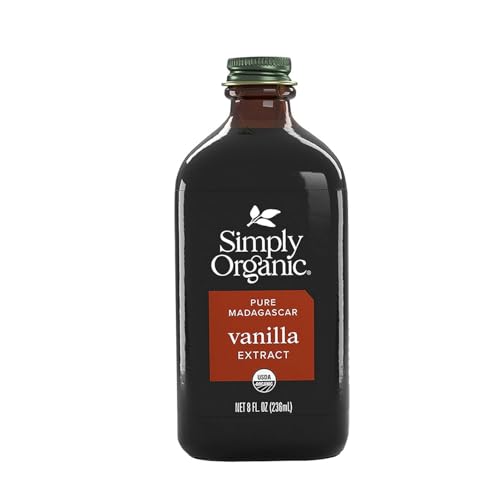
Simply Organic Vanilla Extract 8 Fl Oz

Watkins Original Vanilla Bean Paste, 2 oz

Nielsen-Massey Rose Water, 2 Ounce Bottle

Nielsen-Massey Pure Coffee Extract, 4 Ounce Bottle

Cook’s Choice Madagascar Vanilla Extract, 4 oz
Why These Options Stand Out
This Madagascar Bourbon extract fits the bottles I reach for most often, particularly for cakes, puddings, and savory recipes. Its creamy, mellow character should support chocolate, fruit, coffee, and dairy flavors without demanding a very sweet profile.
For frequent home bakers, the four-ounce format offers useful balance: enough volume for repeated recipes without turning vanilla into an oversized pantry commitment. I see it as a more versatile everyday option than bean paste, which changes both texture and visual presentation.
Useful Touches
- The layered profile works across sweet and savory cooking.
- The liquid format mixes quickly into batter, custard, and sauces.
- Four ounces suits regular home use without excessive storage.
- Madagascar bourbon beans provide a clear regional identity.
Worth Noting
- Fine flecks and a dense texture are absent, so it won’t provide bean-paste visual appeal.
- The listing includes several size variants, so I would check the selected package carefully.
Quick Facts
Made For
I recommend this bottle for everyday home cooks building desserts, sauces, and savory dishes.
Where Another Pick Shines
Watkins Original Vanilla Bean Paste suits bakers who prefer visible flecks and a thicker consistency.
Bean paste brings something a liquid extract simply cannot: a thick, spoonable texture and visible vanilla flecks. I find it especially useful in frostings, swirls, cookies, and desserts where those details become part of the finished presentation.
Compared with Nielsen-Massey Madagascar Bourbon Vanilla Extract, this jar is less convenient for large batches because its density takes more mixing. The trade-off seems worthwhile for recipes that benefit from body and texture rather than speed alone.
A Few Highlights
- Visible flecks create a more artisanal appearance.
- Thick consistency helps it cling to cakes and cookies.
- Made with Nielsen-Massey vanilla extract.
- The four-ounce jar remains practical for home use.
- It adds both aroma and visual texture.
Small Caveats
- It needs more blending than a pourable extract.
- Owners may find residue in narrow jars harder to clean.
- It is less suitable for recipes needing a large volume of thin liquid.
Feature Snapshot
Right Fit For
I favor this jar for frosting artists and bakers who value texture and appearance.
Swap It Out When
Nielsen-Massey Madagascar Bourbon Vanilla Extract fits large batters and quick mixing better.
The absence of added sugar makes LAFAZA a thoughtful option for recipes where sweetness comes from sugar, fruit, or chocolate. Its 35% alcohol carrier also remains a practical consideration for recipes that need liquid vanilla.
I would pair this extract with a recipe whose other ingredients already build sweetness. Compared with the Nielsen-Massey options, the meaningful distinction is formulation rather than visible texture, since this remains a conventional liquid extract.
Notable Gains
- No added sugar suits carefully balanced recipes.
- The single-fold format disperses readily in batters.
- It works for desserts and savory cooking.
- The organic positioning appeals to ingredient-focused pantries.
Practical Considerations
- The 35% alcohol content must be considered in alcohol-free recipes.
- Liquid extract provides no visible bean flecks.
- Unsweetened applications still require careful recipe balancing.
Technical Sheet
Who Will Love This
I recommend it to ingredient-conscious bakers controlling sweetness in each recipe.
Another Choice May Suit
Simply Organic Vanilla Extract 8 Fl Oz may serve frequent bakers better because of its larger volume.
The eight-ounce volume distinguishes this bottle from most entries in the list. It makes practical sense for households baking several times a week, making large batches, or finishing several vanilla-forward recipes in succession.
Source details provide less flavor-specific information than the Nielsen-Massey listings, so my judgment here rests primarily on format and brand positioning. Depending on baking frequency, the extra volume may reduce the need for repeated pantry checks, though the open bottle still deserves cool, dark storage.
Good Reasons To Consider
- The eight-ounce bottle supports frequent recipe use.
- Its volume suits larger baking schedules.
- The organic positioning fits selected pantry standards.
Details To Watch
- The available source data gives no detailed flavor profile.
- Frequent use matters before committing to a larger bottle.
- Owners should reseal and store the container carefully after use.
Built With In Mind
I favor this format for high-frequency home bakers and busy shared kitchens.
Look Elsewhere When
Cook’s Choice Madagascar Vanilla Extract fits dessert makers who prioritize a documented origin and flavor profile.
A two-ounce jar is compact enough for occasional bakers, yet the paste format remains useful for small batches of frosting, cookies, or swirled desserts. I associate that format with a pantry that sees occasional vanilla use rather than daily baking.
Watkins lists naturally derived ingredients, no artificial colors, and no artificial flavoring. Those details make it appealing for label-conscious cooks, while Nielsen-Massey Pure Vanilla Bean Paste offers a larger format for more demanding schedules.
What Makes Sense
- The two-ounce size suits occasional use.
- Bean paste adds body and visual flecks.
- Naturally derived ingredients support simple recipes.
- The jar is manageable in compact kitchens.
Trade-Offs
- The smaller jar needs more frequent replenishment for heavy use.
- Thick paste requires more mixing than liquid extract.
- Residue around the inside of a small jar can be fiddly to clean.
Core Details
Who Should Grab It
I recommend it to occasional bakers wanting a compact jar of vanilla paste.
A Better Fit Elsewhere
Nielsen-Massey Pure Vanilla Bean Paste fits serious decorators who mix larger batches.
Rose water isn’t vanilla extract, so I treat it as a specialty companion rather than a direct substitute. Its floral character fits Middle Eastern, Indian, and Greek cooking, adding an aromatic dimension to desserts, drinks, and carefully seasoned dishes.
The two-ounce bottle may suit a home cook exploring rose water in small amounts. Compared with vanilla extracts in this list, its flavor is entirely different, which makes it appropriate only for recipes that specifically call for floral notes.
Bright Spots
- It supports several regional dessert traditions.
- The liquid format is convenient for drinks and doughs.
- The two-ounce size suits occasional specialty projects.
Less Ideal Details
- It cannot replace vanilla extract in a conventional recipe.
- The floral note may overpower delicate baking.
- Owners should store the open bottle securely to limit aroma loss.
Made For
I recommend it to experienced cooks preparing rose-forward Middle Eastern, Indian, or Greek dishes.
Not Your Match When
Cook’s Choice Madagascar Vanilla Extract is the relevant choice for standard vanilla desserts.
Like the rose water, coffee extract is a baking companion rather than a vanilla substitute. Distillation from Italian and Brazilian beans gives it a more concentrated route to coffee character than adding a large volume of brewed coffee to a batter.
I see the four-ounce format as useful for cakes, cookies, creams, and desserts built around coffee. Because coffee aroma can become bitter during baking, conservative measurement remains important, especially alongside chocolate or dark spices.
Everyday Advantages
- The bean blend supports layered coffee character.
- Distillation concentrates flavor without a large liquid addition.
- The four-ounce bottle handles repeated dessert batches.
A Few Limitations
- It is not a vanilla extract and cannot fulfill that role.
- Overuse may make baked goods taste bitter.
- Direct substitution requires recipe recalibration.
The Right Fit
I recommend it to home bakers creating coffee-flavored cakes, cookies, or frozen desserts.
Reach For A Different Pick When
Simply Organic Vanilla Extract 8 Fl Oz serves standard vanilla recipes and larger baking schedules better.
Cold-percolation, a slow extraction method, gives this Madagascar bottle a detailed production story. The listed creamy, sweet, and warm flavor profile makes it most natural for desserts built around cream, butter, chocolate, or poached fruit.
Compared with Nielsen-Massey Madagascar Bourbon Vanilla Extract, both emphasize Madagascar, but Cook’s Choice foregrounds slow extraction and aromatic depth. I would consider that meaningful for bakers who want a specific sensory direction rather than a broadly neutral pantry bottle.
What Works In Its Favor
- Fully ripened, sun-cured beans provide origin details.
- Cold-percolation supports a deliberate extraction process.
- The creamy profile complements dairy-rich desserts.
- Warm notes can deepen chocolate and fruit recipes.
- The four-ounce format is practical for regular use.
Possible Compromises
- Its warm profile may be more pronounced than a neutral extract.
- The four-ounce bottle may run quickly in a high-volume kitchen.
Product Snapshot
Whose Shelf It Belongs On
I favor it for dessert-focused cooks who enjoy a warm, creamy Madagascar profile.
Consider Something Else When
LAFAZA Organic Madagascar Bourbon Vanilla Extract fits recipes without added sugar better.
Choosing Vanilla by Format and Flavor
Liquid Extract for Easy Mixing
Liquid extracts disperse quickly through batters, custards, and sauces. I favor them for weekly baking, savory recipes, and situations where speed matters more than visible texture.
Bean Paste for Texture and Appearance
Bean paste has a thicker consistency and includes visible flecks. It works especially well in frostings and layered desserts, though full incorporation requires more mixing.
Origin and Extraction Details
Single-origin labeling identifies where the beans came from, while extraction details offer clues about processing. Neither factor guarantees personal preference, but both help narrow flavor expectations.
Volume and Pantry Habits
Four-ounce bottles suit regular use, eight-ounce containers favor frequent baking, and two-ounce jars target occasional projects. Alcohol content, added sugar, and opening frequency also influence practical fit.
Common Sense Choices for the Vanilla Pantry
Mistakes Worth Dodging
Confusing bean paste with liquid extract can disrupt recipe texture. I also check package size, alcohol content, added sugar, and flavor notes before choosing a bottle for a specific recipe.
What Separates Premium From Basic
A higher-priced bottle may provide clearer origin details, specialized processing, or a more intense flavor profile. The upgrade matters most for frequent bakers and recipes where vanilla carries substantial flavor weight.
Frequently Asked Questions
Is bean paste stronger than vanilla extract?
Bean paste has a thicker texture and visible flecks, but perceived strength also depends on the recipe and measurement. I use it for texture and appearance rather than assuming a direct strength difference.
Does vanilla extract contain sugar?
Some vanilla extracts include added sugar, while LAFAZA Organic Madagascar Bourbon Vanilla Extract lists none. I check the label for each formulation before adjusting a recipe.
Does pure vanilla extract contain alcohol?
Many liquid extracts use alcohol as a carrier. LAFAZA lists 35% alcohol, which matters for recipes that must remain alcohol-free.
Is Madagascar bourbon vanilla extract intense?
Madagascar extracts can range from balanced to warm and creamy. Cook’s Choice lists sweet, warm, and creamy notes, while other bottles may sound more neutral.
Should vanilla extract or bean paste be refrigerated?
I keep both sealed in a cool, dark pantry and follow the listed storage directions. Frequent opening and warm storage can reduce aromatic quality over time.
Final Thoughts
I favor Nielsen-Massey Madagascar Bourbon Vanilla Extract for flexible everyday baking, while Cook’s Choice offers a more defined warm and creamy direction. Bean paste earns its place when texture and visible flecks matter, and LAFAZA stands apart through its no-added-sugar formulation. The right choice comes down to recipe, format, and pantry habits rather than brand alone.